Cow
What it is
The name refers to a small stone cellar once used for storage, and a hint of that cellar can stay in the aroma. Aging is short, so the pale yellow body stays crumbly rather than hard. The truffle is mixed into the curd, and the perfume runs through every piece. It is a young table cheese, meant to break apart over food, not a dry wheel kept only for grating.
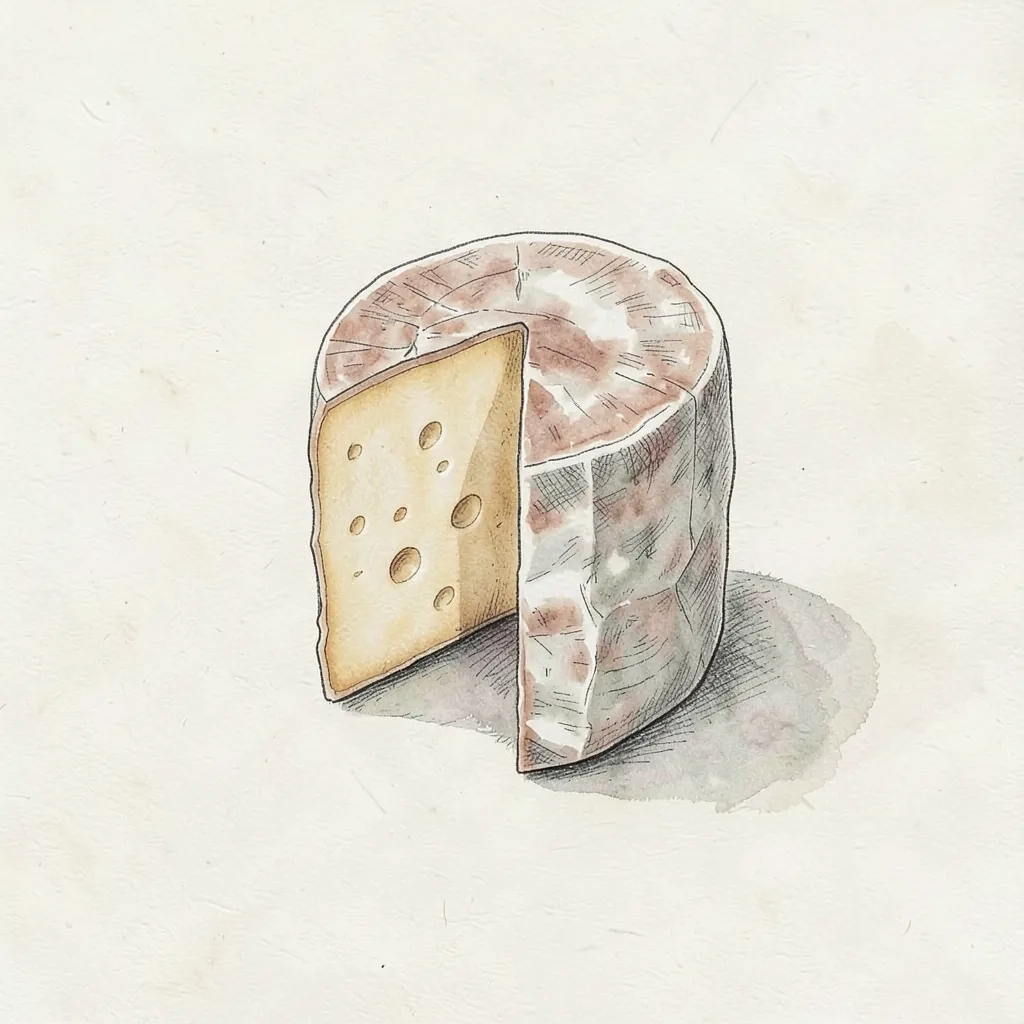
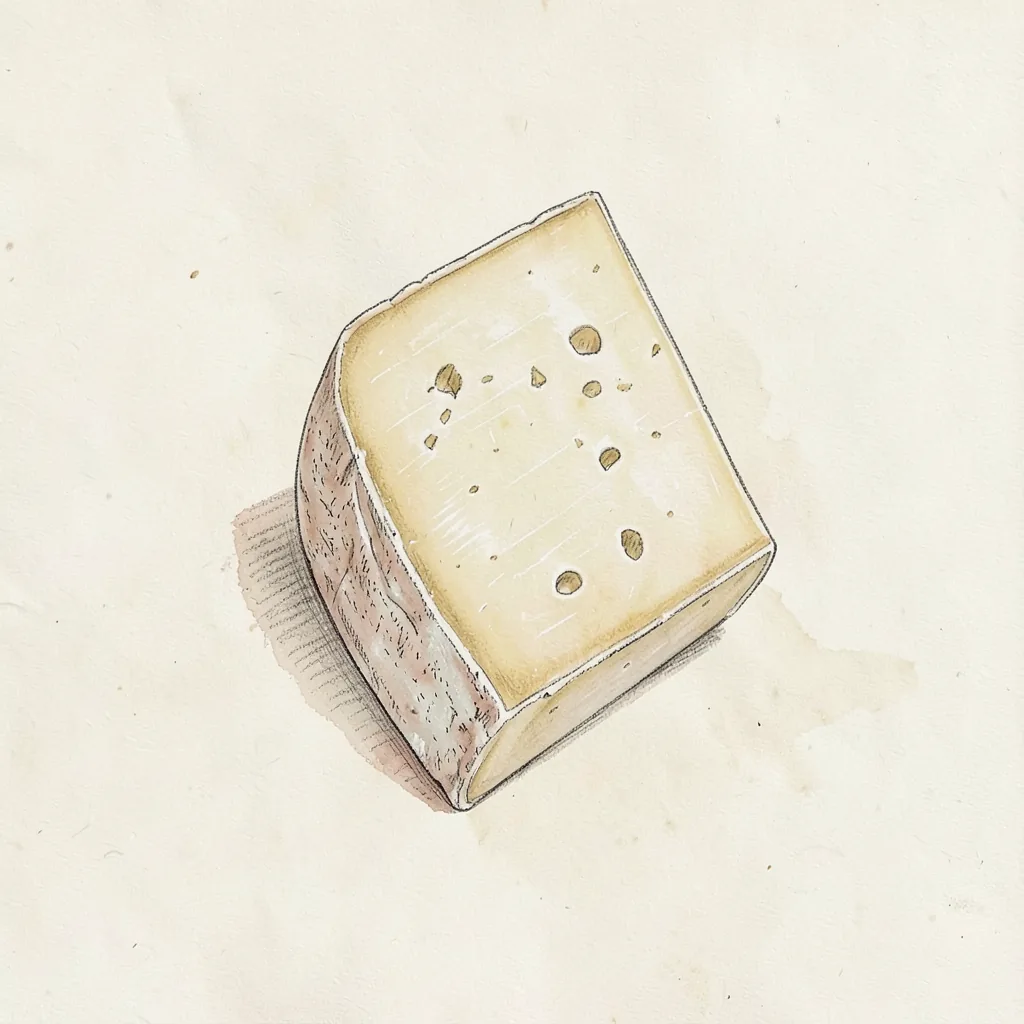
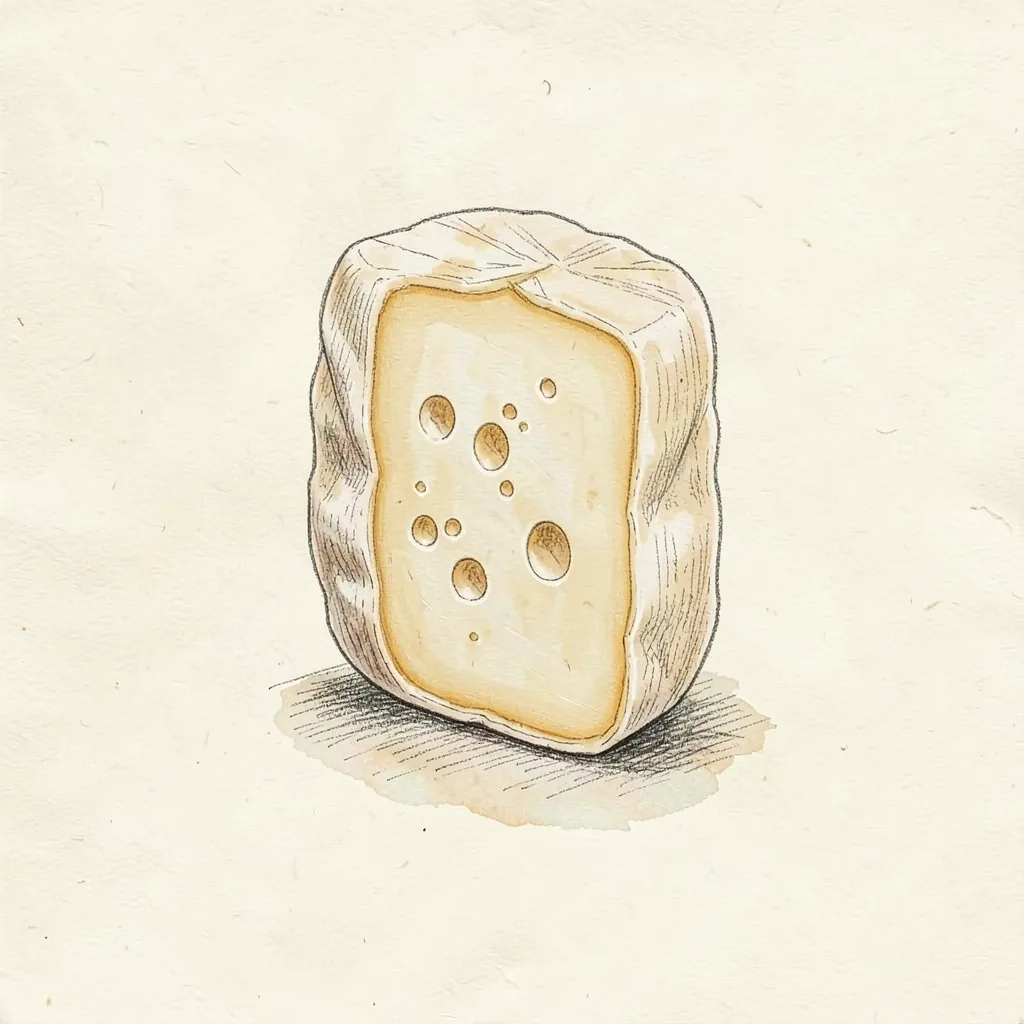
A fresh cut shows dark specks against a soft yellow crumb, and the smell is truffle first, then a light tang. The texture flakes when a knife passes through it, so uneven pieces are normal. Younger cheese is milder and a little moister. A cheese kept a bit longer tastes sharper and drier, with the cellar note more plain. Both are Crutin, and they are not the same bite on a plate.
History
The name Crutin comes from a Piedmont word for a small cellar dug from stone. Farmers used rooms of that kind to store food, and the cheese keeps a faint echo of that damp, stony smell. Cow's milk and black truffle became the pair that defines the cheese sold under the name. It stands with the shorter-aged cheeses of the region, not with the hard grating wheels. Shops in Italy and abroad now sell it as a truffle cheese from Piedmont.
Truffle has long been part of Piedmont cooking, and folding flakes into a mild cheese carries that perfume to the table. The flakes stay visible, so a buyer sees the truffle instead of a surface rub alone. A short aging keeps the truffle note fresh rather than musty. The cellar name recalls storage rooms, and it does not mean that every wheel still rests in a stone cave. In the shop, look for cow's milk, a pale crumb, and black specks in the paste.
How it is made
Makers start with cow's milk, warm it, and set the curd with rennet. The curd is broken, and fine flakes of black truffle are mixed through it before the cheese is formed. The pieces are drained and shaped into small forms, then salted. Aging is short, in a cool room, until the paste firms enough to hold a crumb but still breaks under a knife. No long cave aging is required for the style, and the truffle does the main flavor work.
The rind stays thin and natural, and it may turn a little gray as the cheese rests. Inside, the paste should stay pale yellow, with black flecks scattered rather than packed into one layer. If the truffle were only on the outside, the center would taste plain, so the mix has to be even. Salt is moderate, because the aroma is meant to lead. Once the crumb is set, the cheese is ready to sell, and further keeping at home only dries it.
Taste
The first smell is black truffle, earthy and a little sweet, with a tang behind it. On the tongue the paste is mild, salty in a light way, and slightly citrus. The cellar note some people notice is cool and stony, not a strong washed-rind stink. Crumbs feel dry enough to flake, yet they are not sandy like a very old hard cheese. A bite should taste of truffle and fresh cow's milk together, not of one alone.
Quality shows in even flecks and a clean aroma. A piece with few specks, or with a perfume that smells only of oil, will taste flat. The body should break, not smear like a soft bloomy cheese and not shatter like a grating block. Bitterness is a fault, and so is a sharp ammonia smell. When the cheese is right, the finish is savory, lightly tangy, and short, with truffle still in the air after the crumb is gone.
In the kitchen
Crumble Crutin over warm pasta, eggs, or a thin raw beef dish so the flakes soften without a long cook. Heat drives off the truffle smell, so add the cheese at the end. It also sits on a board beside bread, nuts, and a Piedmont red, where the crumbs can be eaten with a fork or fingers. Because it flakes, it is a poor choice for a neat sandwich slice. A light hand is enough, since the aroma fills a plate quickly.
Keep the wedge wrapped, because open air dries the crumb and dulls the truffle. If a piece is already dry, grate or shave it over risotto, polenta, or roasted vegetables rather than forcing a slice. Do not melt it as the base of a sauce, since the body will not turn smooth. Pair it with foods that are plain, so mushrooms, butter, and eggs can share the stage without a fight. A stronger cheese will hide the truffle, so keep the plate simple.
Around the world
Outside Italy, Crutin appears in shops that stock truffle cheeses and Piedmont foods. Buyers sometimes expect a soft French goat cheese because the name looks a little like crottin, but the milk, the country, and the truffle are different. Others set it next to Sottocenere, which is also a cow's milk cheese with truffle, though that cheese is usually coated in ash and spices. Crutin is the plainer looking wedge with specks inside and a crumbly cut. Ask for the Piedmont cheese if a label only says truffle.
Use Sottocenere when you need truffle in a firmer cow's milk cheese and cannot find Crutin. Raschera is another Piedmont cow's milk cheese, useful when you want the region without that perfume. Neither one has the same loose crumb and cellar tang together. In Italy the cheese stays a specialty rather than a daily block from a large dairy. A wedge with no dark flecks, and with no truffle in the smell, is a different cheese.