Cow
What it is
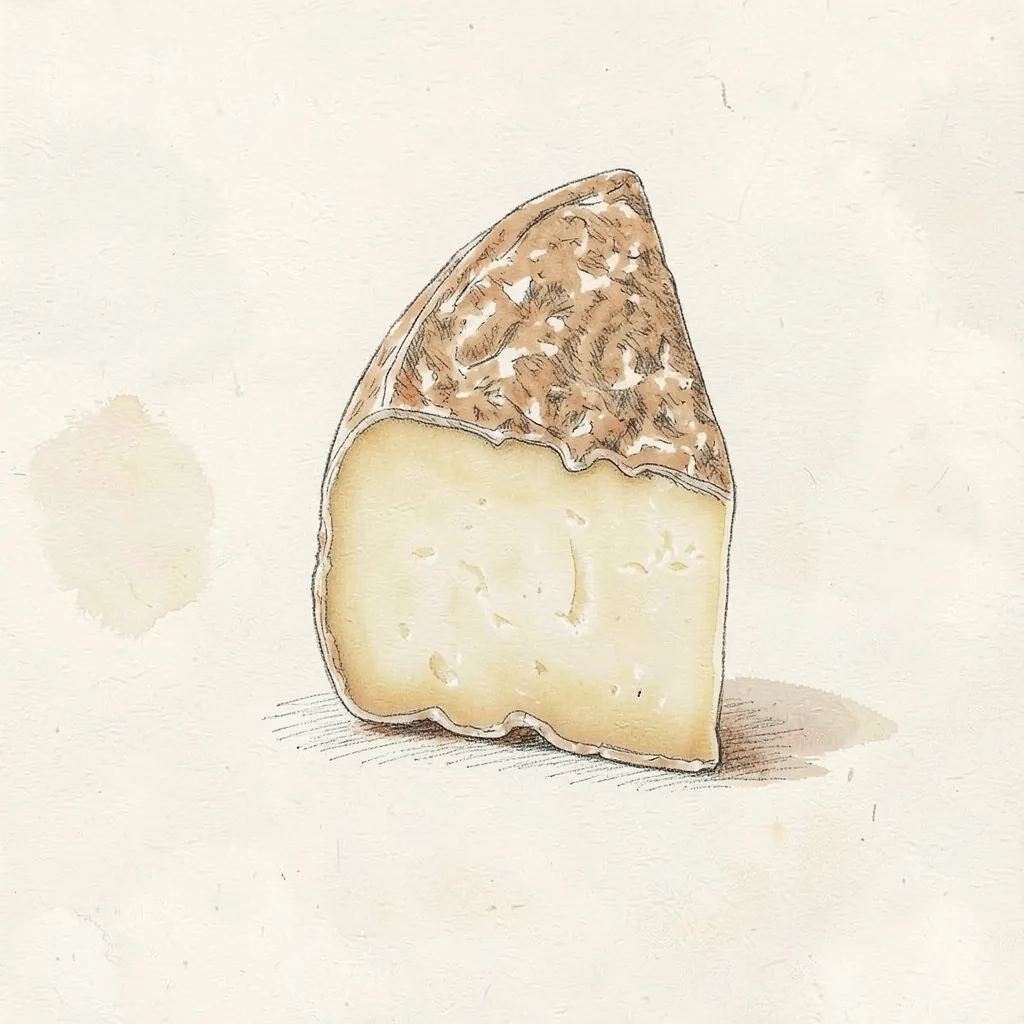
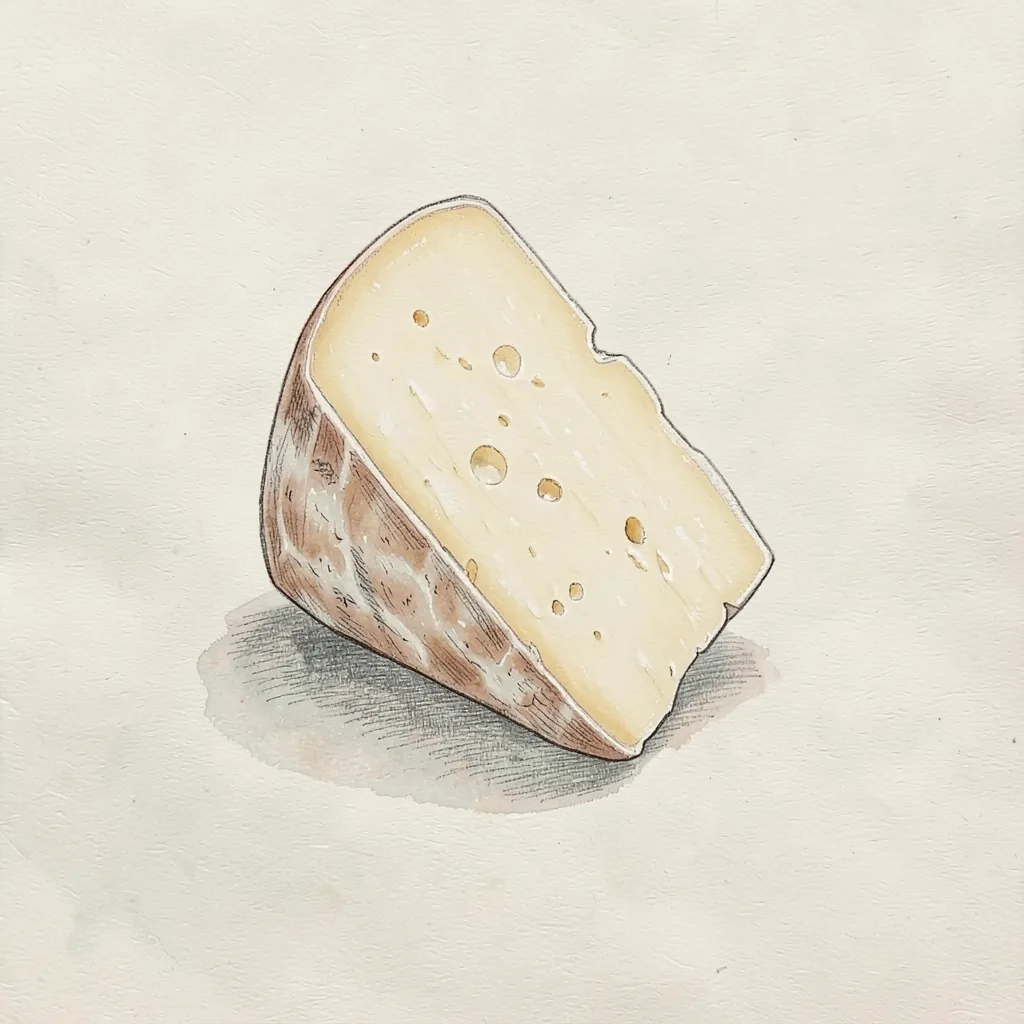
It belongs to the mountain dairy tradition of Piedmont, where herds feed on alpine grass. The paste is firm and elastic, ivory to pale straw, with a scattering of tiny holes. A thin natural rind runs from gray to a reddish tone, sometimes with a yellow cast. The name is protected.
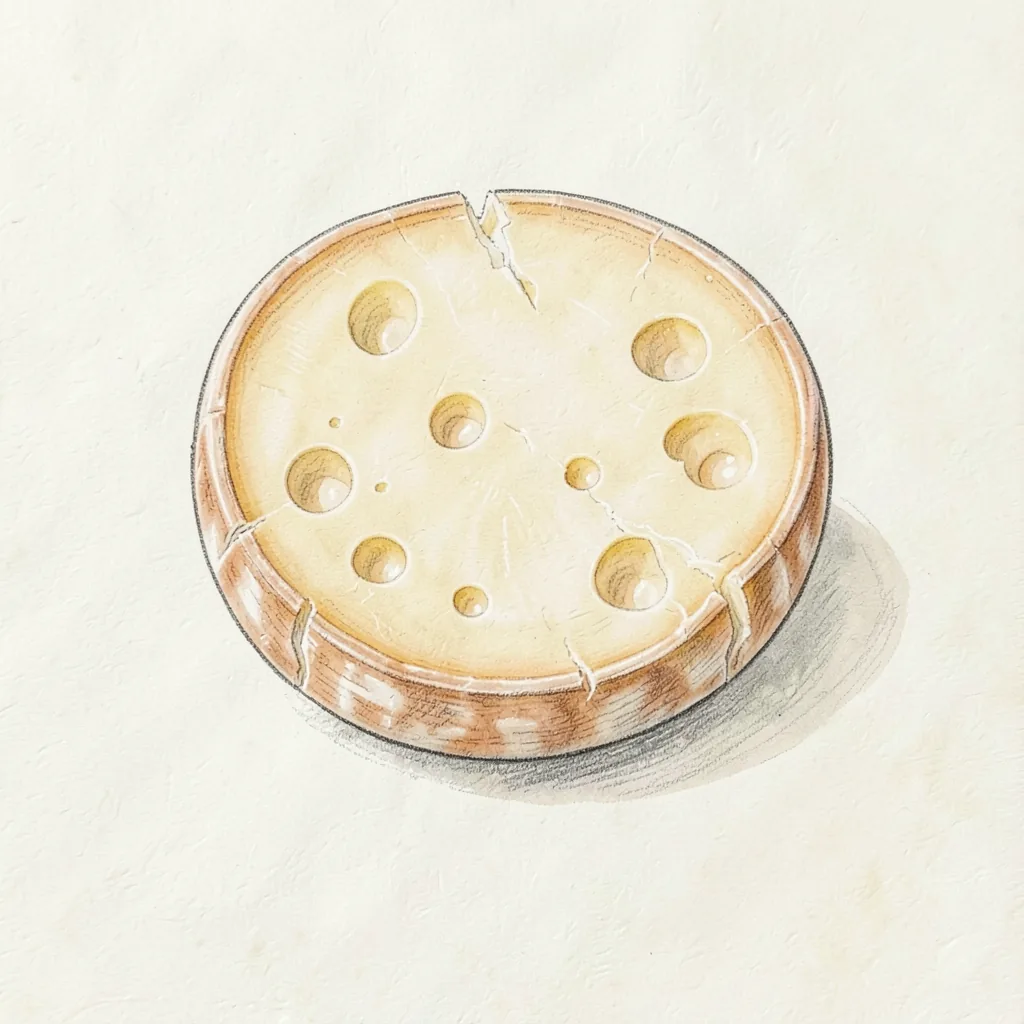
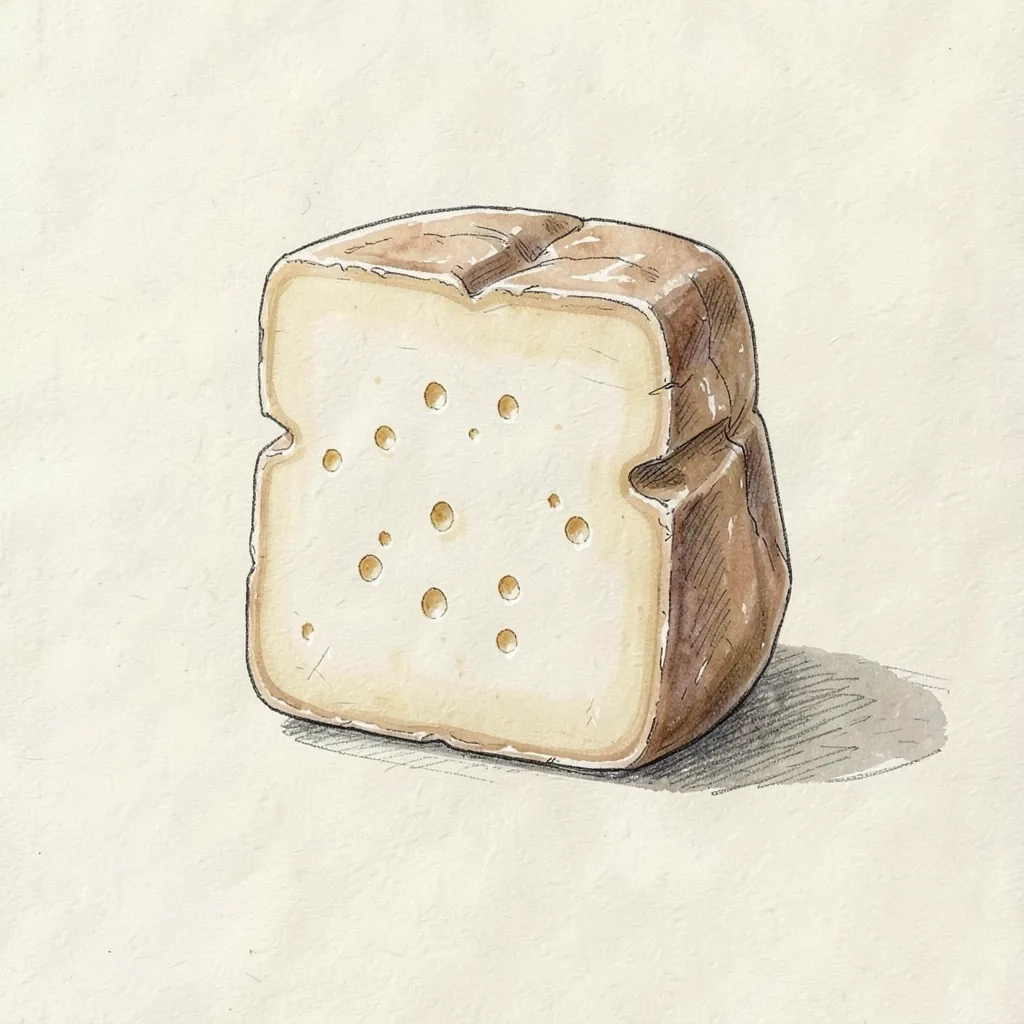
Young cheese is mild, fragrant, and only lightly sharp. A longer-aged piece turns saltier and more persistent, and a wheel from mountain pasture can taste of herbs. The square form is the one most shops see, though round wheels are made as well, and both are the same cheese. Slice a supple piece for the table, or melt it on polenta and vegetables. Grate an older, drier piece when you want a stronger savory finish.
History
Raschera grew up as a cheese of alpine dairies in Piedmont, made where milk came down from pastures. A square wheel was easier to pack and carry on steep paths than a tall round one, and that shape became a mark of the cheese. Round wheels were made too, and both shapes still count. The name is protected, so a wheel sold as Raschera has to come from the set area and follow the set method. Buyers look for that link between mountain milk and the name on the rind.
For a long time this was a local cheese, eaten in the valleys near the pastures where it was made. Wider trade grew once the name had formal protection and dairies could sell beyond Piedmont. Valley milk and mountain milk can both be used, and mountain wheels are marked so you can tell them apart. The mountain version often shows a deeper yellow paste and a clearer herb aroma, while the valley version is milder. Neither is a blue cheese, even if a square rind looks slightly mottled.
How it is made
Cow's milk is warmed and set with rennet until a soft curd forms. The curd is cut into small grains, stirred, and gathered in cloth so the whey can drain. Makers pack it into square or round forms and press it until the paste is compact and elastic. Salt goes on dry, in brine, or both. The wheels then rest on wooden shelves while the rind stays thin and the flavor settles into the paste.
A mountain wheel uses milk from animals kept on high pasture, and that diet shows in a richer color and a herbal scent. A valley wheel is often paler and quieter in taste. The rind stays thin, smooth, and a little elastic, not sticky like a washed rind and not white like a bloomy one. Small irregular eyes in the paste are normal and should not be large holes. A very dry, crumbly piece has been kept longer, and it will taste saltier than a supple young wheel.
Taste
A young slice smells lightly of milk, butter, and fresh grass, and the taste follows with a gentle tang. Salt is present but not harsh, and the texture bends before it breaks. A slice holds together on bread. As the cheese ages, the aroma deepens and a moderate sharpness comes forward. It does not become as fierce as a long-aged grating cheese, but an older piece has a clear savory finish that lingers.
Mountain wheels carry a stronger scent of alpine herbs and summer flowers. Valley wheels stay softer and more milky, with butter in the lead. A cold piece hides the aroma, while a piece at room temperature shows the nutty and grassy side. The rind is edible if you like a slightly earthy edge, though many people trim it. Bitterness is not the goal, and a dull taste often means the cheese is simply too cold.
In the kitchen
Serve young Raschera on a board with bread, nuts, and a firm fruit. It also melts into polenta, risotto, and vegetable bakes without turning oily and harsh. An older piece grates over pasta or soup when you want more salt and a longer finish. Supple cubes can go into a salad. The flavor is moderate, so the cheese can sit next to stronger foods and still be noticed.
Let the cheese warm before a tasting, and keep the rind or trim it to match the dish. For melting, choose a younger wheel, because it softens more evenly. For grating, choose a drier piece and use a coarse grater so it does not turn to powder. Wrap cut faces so the thin rind does not crack in the air. The cheese fits simple mountain cooking better than a very sweet recipe, where the savory note can clash.
Around the world
Outside Italy, Raschera is less famous than the big Alpine names, so many shops do not stock it. Look for a label that uses this name, which is protected, and for a square wheel, the usual shape in trade. A round wheel is still Raschera when the label is right. Counters that carry Piedmont specialties are the best place to start. If the paste is ivory, elastic, and only lightly sharp, you are in the right family of cheese.
Tomme de Savoie is a fair substitute when you need a semi-hard mountain cheese with a mild, earthy taste. Fontina melts in a similar way and can cover polenta or bread when Raschera is missing, though it is often richer and nuttier. Castelmagno comes from the same broad part of Piedmont, but it is stronger and often lightly veined, so the two are not interchangeable. Toma is a wide word for mountain wheels and does not promise this recipe. Read the label rather than trusting a similar shape.