Cow
What it is
Makers start with cow's milk that has been soured and churned, then use the lean curd left after the butter is taken. They salt that curd, shape it into small cakes, dry the cakes, and hold them in a closed pot until mold appears. The finished cheese smells strong, cuts as a semi-soft paste, and tastes much sharper than a fresh Georgian cheese. It is a specialty of that region, not a mild everyday slice.
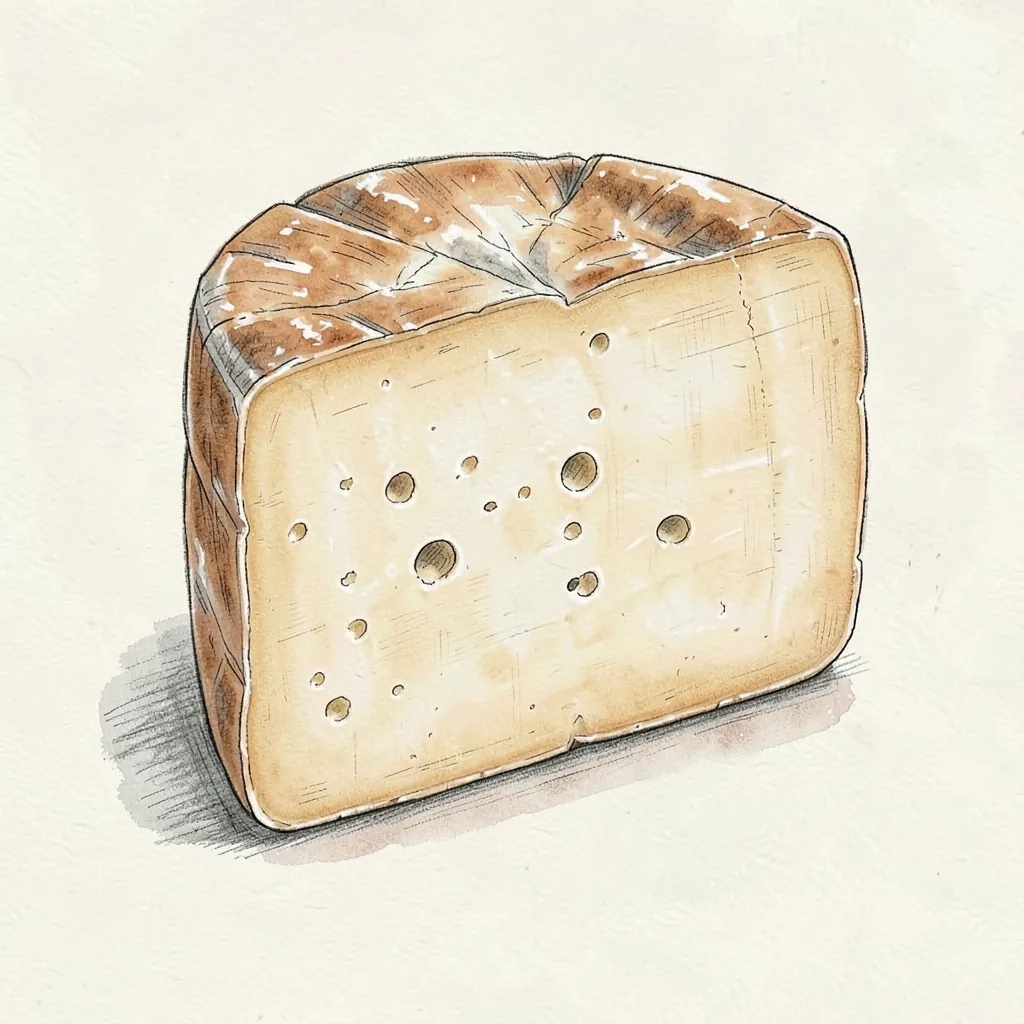
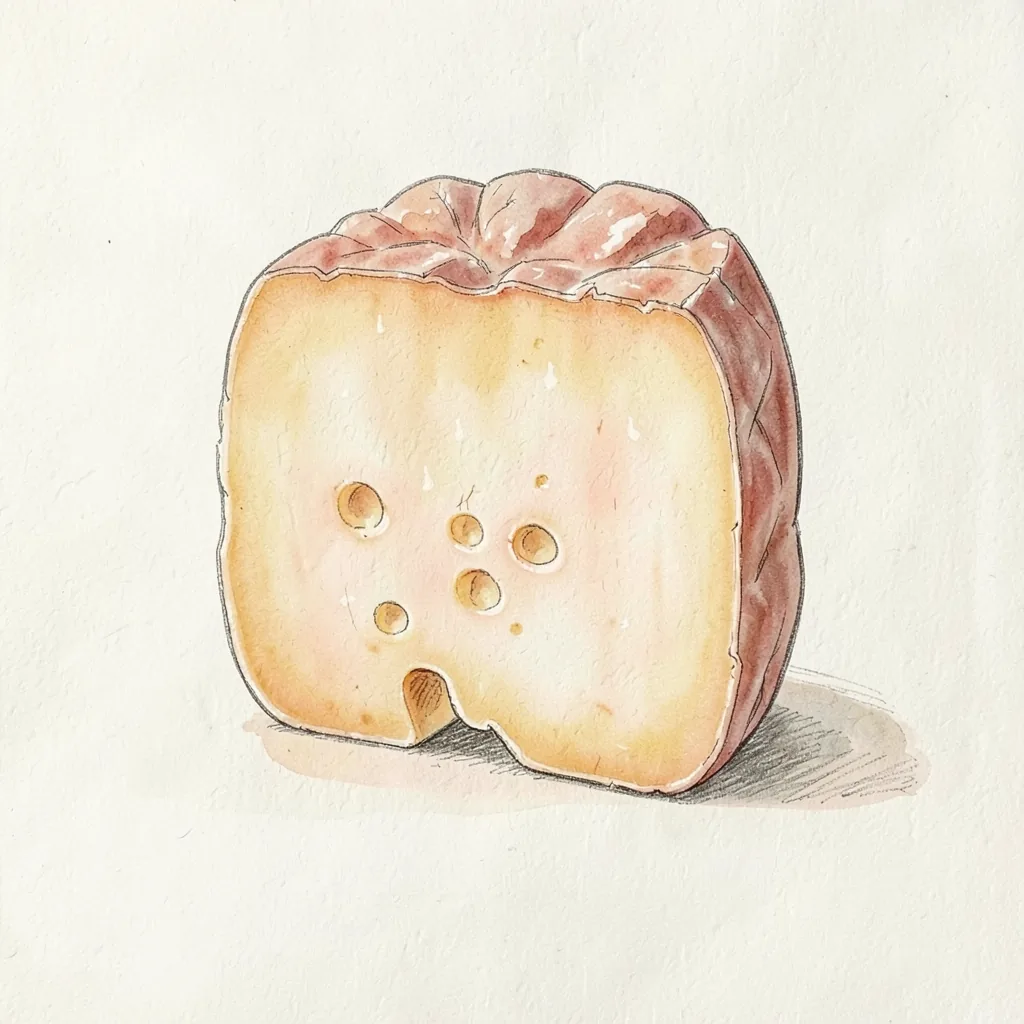
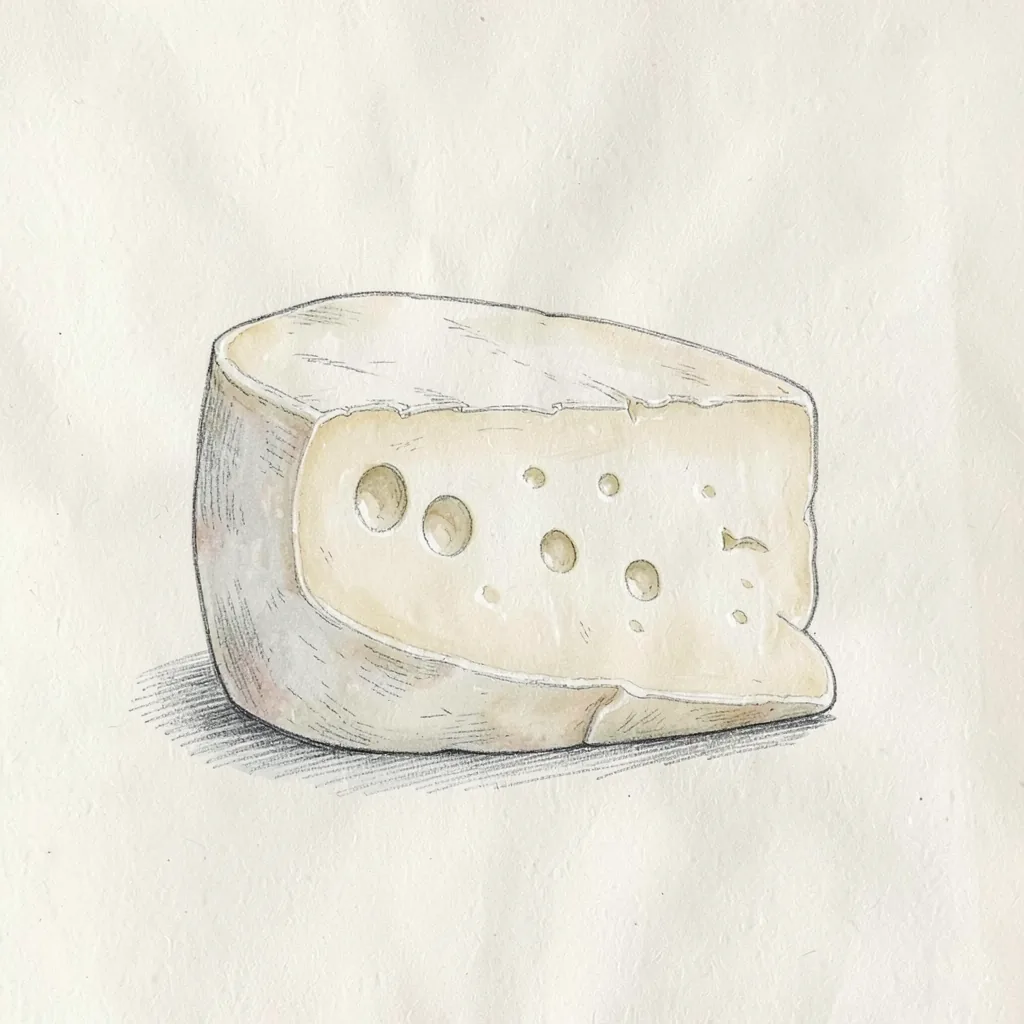
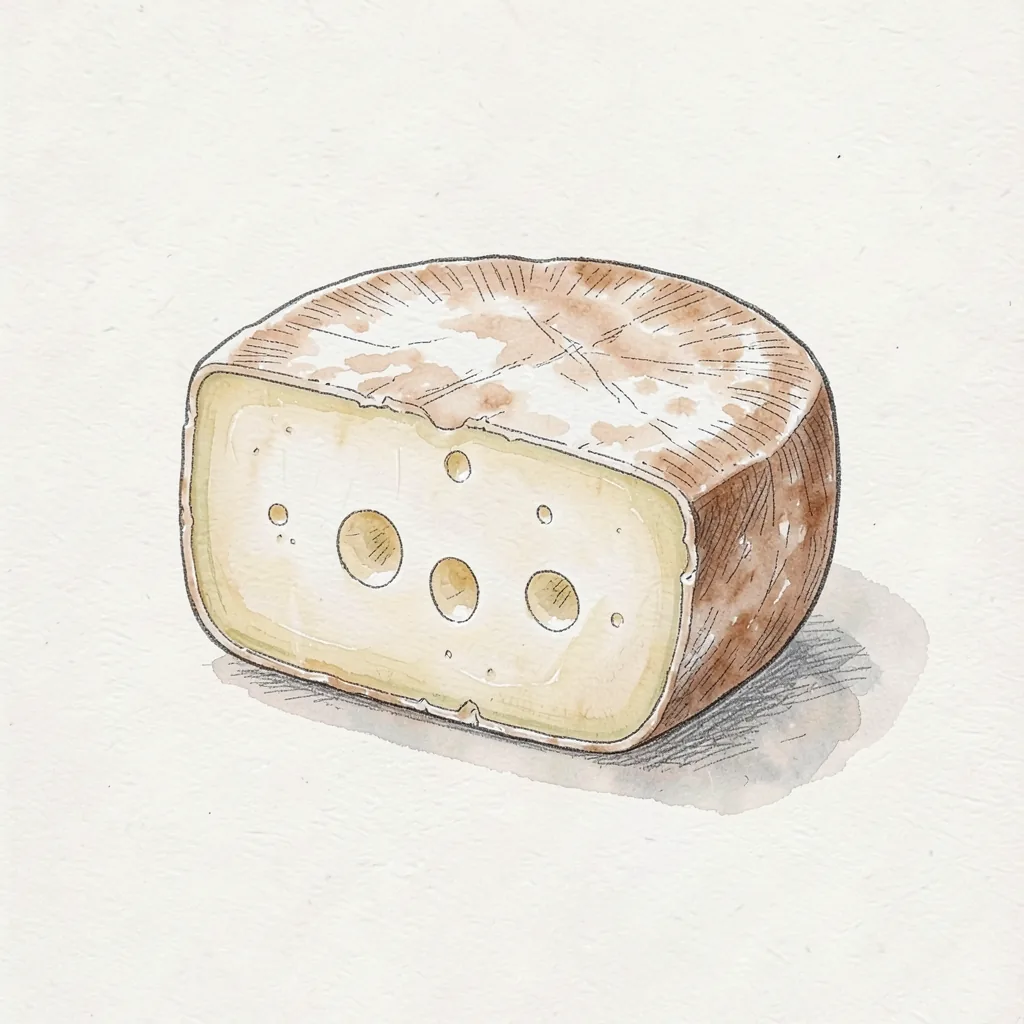
A piece often looks like a small flattened ball or a low cake, with a drier outer layer and a paler center. Mold may show on the surface and, in some pieces, in small pockets inside. The aroma is intense and spicy, and some people compare it with a blue cheese, though the method is different. The paste stays even rather than runny. Because the work takes care and time, many batches are still made for local tables rather than for a wide shop trade.
History
Households in Mtskheta-Mtianeti made Dambalkhacho as a way to keep lean curd after butter was churned. Fresh curd spoils quickly in warm weather, so drying and a closed pot turned it into food that could wait. The name points to that moldy curd character. The method stayed with local communities, where milk and butter were part of ordinary work. It did not become a mild cheese for city markets.
The cheese remains closely tied to Mtskheta-Mtianeti, even though other parts of Georgia have their own dairy traditions. Sulguni and tenili are better known abroad, and both are made by a different method. Dambalkhacho stayed rare because the drying, the pot, and the mold all have to go right. Local makers still prepare it in small amounts. Visitors are more likely to meet it near its home region than in a standard export case.
How it is made
Cow's milk is soured and churned so the butter can be lifted off. The remaining lean curd is warmed until the solids gather, then drained in cloth until the mass feels firm. Salt is kneaded through that mass, and makers shape it into small balls or flat cakes by hand. The cakes dry on a rack or a perforated dish in a warm room, out of direct sun. Drying stops when the pieces feel dense and no longer wet.
Dry cakes then go into a ceramic pot or another closed vessel. The pot is kept cool and dark so surface mold can grow. That mold, together with the bacteria already in the soured curd, ripens the cheese. The inside stays fairly soft and even, without a runny cream line. When the aroma is strong and the paste yields to a knife, the cheese is ready to eat.
Taste
Expect a pungent smell before you taste the cheese. The flavor is spicy, salty, and sharp, with a sour note from the cultured curd. Mold adds an earthy edge that can remind a taster of blue cheese, but the paste is not a creamy veined wedge. The bite feels lean because the butter was removed at the start. A little piece is enough for most people at the table.
The center is milder than the moldy surface, so a full cross section tastes more balanced than the outside alone. Some pieces pick up a yeasty note while they dry. Others taste hotter and more ammonia-like if the mold runs a long time. Salt is present, but it does not hide the mold. Let the cheese sit out of the refrigerator briefly before tasting, or the aroma stays closed.
In the kitchen
Crumble a small amount over warm bread, or eat it with honey so the sweetness meets the sharp curd. In Georgian cooking the cheese can season beans or a meat dish, where it acts more like a condiment than a melting cheese. It does not stretch, and it will not turn into a smooth sauce by itself. Use it as you would use another strong crumbly cheese. Taste as you go, because a second spoonful can dominate the plate.
Keep the cheese wrapped and away from mild foods, because the smell is bold. If an edge of mold tastes too bitter, leave that bit aside and eat the paste you like. A board pairing works when the other items are plain, such as bread, walnuts, or a firm fruit. Do not cube it into a mild salad and expect it to disappear. People who want only a fresh salted cheese may prefer a different Georgian cheese.
Around the world
Dambalkhacho rarely travels as a supermarket cheese. Outside Georgia, look for it through Georgian grocers, specialist importers, or makers who bring regional dairy to a city market. A label should name Dambalkhacho, not only say that the cheese is Georgian. Sulguni is much easier to find, and it is a pulled cheese, fresh or smoked, not a mold-ripened cake. Tenili is a fine threaded cheese, and it is also a different bite.
If you cannot find it, Gamalost gives a closer idea than a mild cow's milk slice. That Norwegian cheese is also sharp, lean, and mold ripened. Harzer, a German sour milk cheese, is another strong option for a bold board. Neither one has the Georgian pot-aged character. Buy only a small piece of Dambalkhacho, keep it cold, and use it while the aroma is still pleasant.