Cow
What it is
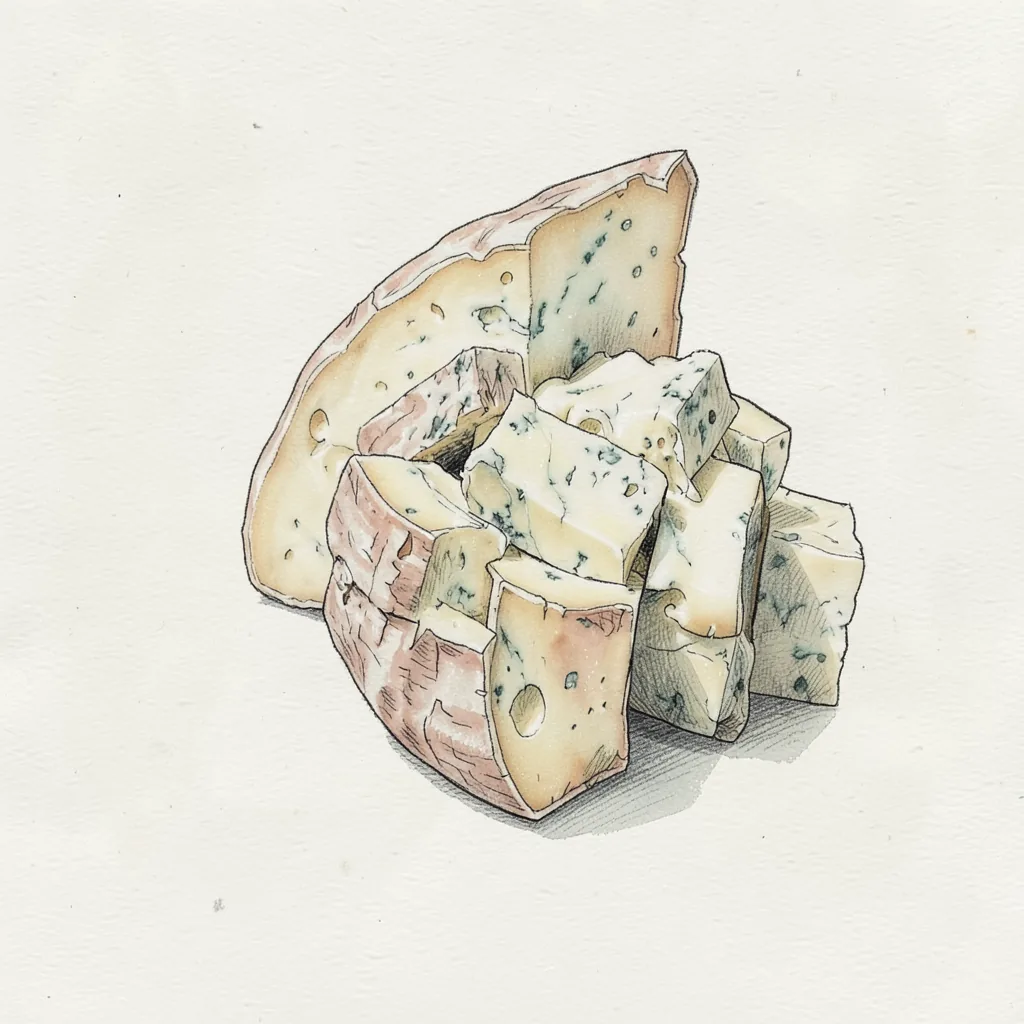
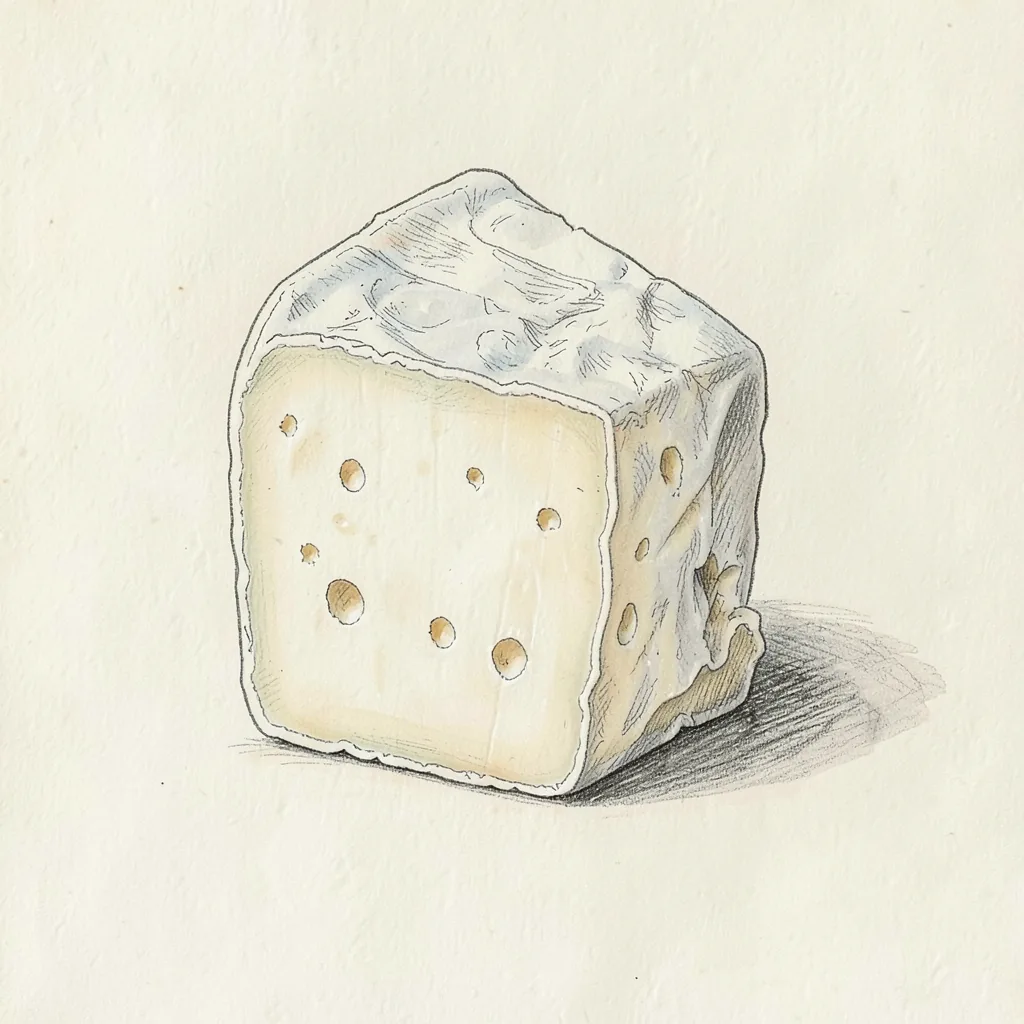
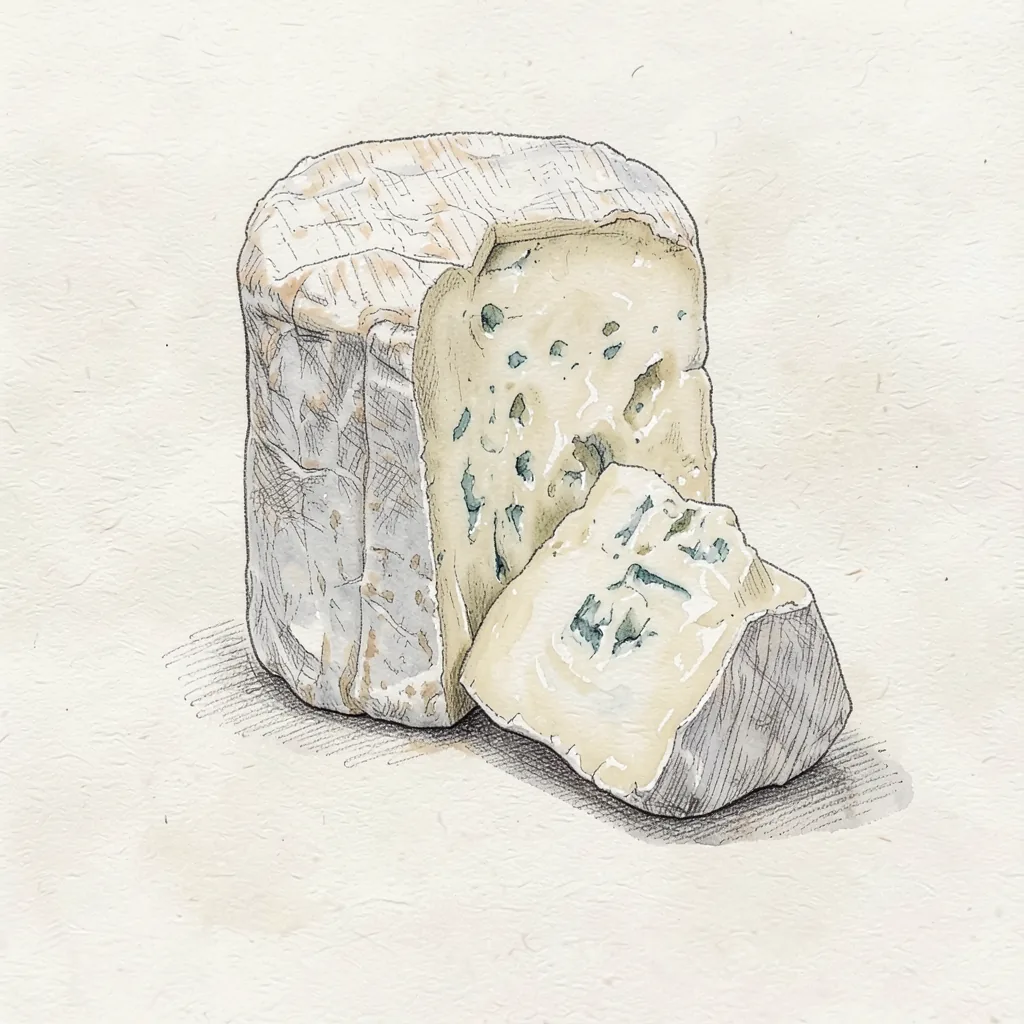
It is surface-ripened, then sealed in black wax, and the paste runs from soft and creamy to a firmer buttery body. The aroma is strong, and the taste is pungent, spicy, and salty, with a briny moisture that often collects inside the wax. You do not slice it like a large wheel. You open the top and spoon out what you want to eat.
The piece is much smaller than a standard blue wheel, which lets the mold travel inward from the outside. Black wax makes it easy to spot on a counter in Nova Scotia, and hard to confuse with a pale wedge once you have seen the coat. The flavor is bold but still creamy, not a dry crumbly blue. It is a local artisan cheese, so many ordinary shops far from Nova Scotia never stock it. Buy it to eat fresh from the wax, not to grate over a pot.
History
Nova Scotia has a small cheesemaking scene, and this blue grew up inside it as a house style rather than as an old European recipe brought over whole. The black wax and the spoonable center became the recognizable form. The name sounds fierce, but the strength is the blue mold, the salt, and the ripe paste, not a chili mixed through the curd. Local markets taught people how to open the little coated piece. The cheese stayed tied to Nova Scotia even when visitors carried one home.
Because it is made in small pieces, it never became a bulk grocery blue sold in every dairy case. For a time, sales beyond the province were limited by licensing rules, and a piece found far away felt like a rare find. Rules and shop access can change, so look in Nova Scotia first. A cheese with a dragon in the name from another country is not automatically this one. Black wax, cow's milk, and a soft blue interior are the checks that matter.
How it is made
Cow's milk for this cheese is heat-treated, then set and drained in the usual way. The curd is formed into small cylinders rather than into broad wheels. Blue mold is applied on the outside, and the modest size lets that mold move through the paste as the cheese ripens from the surface inward. It is not a huge wheel that must be pierced in a deep grid of holes. The surface does much of the ripening work before the coat goes on.
When the ripening has gone far enough, the cheese is coated in black wax. That coat holds the shape and the moisture, and a flavorful brine can gather around the paste. The result is not a dry rind you trim away in a thick strip before serving. You cut the wax and use the soft cheese inside, brine and all if you like it. This remains a moist blue, not a hard grating cheese, and each batch can differ a little in how soft or firm the center becomes.
Taste
The smell is strong before the first taste, with blue mold, salt, and a cellar-like tang. On the tongue the cheese is pungent and spicy, then cream and a slight sweetness catch up and round the bite. The brine, when it is present, adds a savory juice that tastes like the cheese in liquid form. It is aggressive at the start and smoother after a moment. People who dislike blue mold will not be won over, while people who like a bold blue often go back for another spoon.
Texture is the surprise next to the aroma. A ripe piece can be spreadable and almost loose in the center, while another piece from a different day is firmer and more buttery. Both can be right if the flavor is clean and the wax is intact. Harsh bitterness should not dominate the salt and the cream. Cold dulls the aroma, so let the piece warm a little before you taste the paste, and remember that the black wax itself is a package, not the food.
In the kitchen
Spoon Dragons Breath Blue onto bread, boiled potatoes, or a plain cracker. It can go into a dip or a warm sauce if you want a strong blue note and a creamy body. A salad of bitter greens can take a small amount, but the cheese will be the loudest thing on the plate. Do not try to grill it in slices, because it will not hold like a firm grilling cheese. Use it as a soft cheese, with pear or a little honey if the salt feels very high.
Open the wax at the top rather than trying to peel the whole coat like a fruit rind. Serve the brine if you like a salty finish, or stir a spoon of it into a dressing. Keep unused cheese covered and cold, away from mild butter, because the smell travels in a closed box. It is not a block you buy for a large family pasta, since a little seasons a dish for several people. If the paste smells foul rather than pungent and clean, do not serve it.
Around the world
Dragons Breath Blue is a Canadian regional cheese with a strong local following in Nova Scotia and a quieter life elsewhere. Travelers may see it at a market in the province more easily than in a distant city. Sales outside the province have not always been simple for a small dairy, so an empty shelf far away does not mean the cheese has vanished. If you cannot find it, do not assume a different dragon-named product is the same blue. Ask for the Nova Scotia cheese in black wax.
A creamy Gorgonzola is the best-known substitute for recipes and for a board. Cambozola is milder and has a white bloomy side, so the flavor is softer, but the role as a spreadable blue is similar. Bleu de Bresse can also stand in as a rich cow's milk blue with a gentle body. None of them comes in this small black-wax form, and none tastes exactly like the Nova Scotia piece. They will still give you salt, cream, and blue mold when the original is out of reach.