Cow
What it is
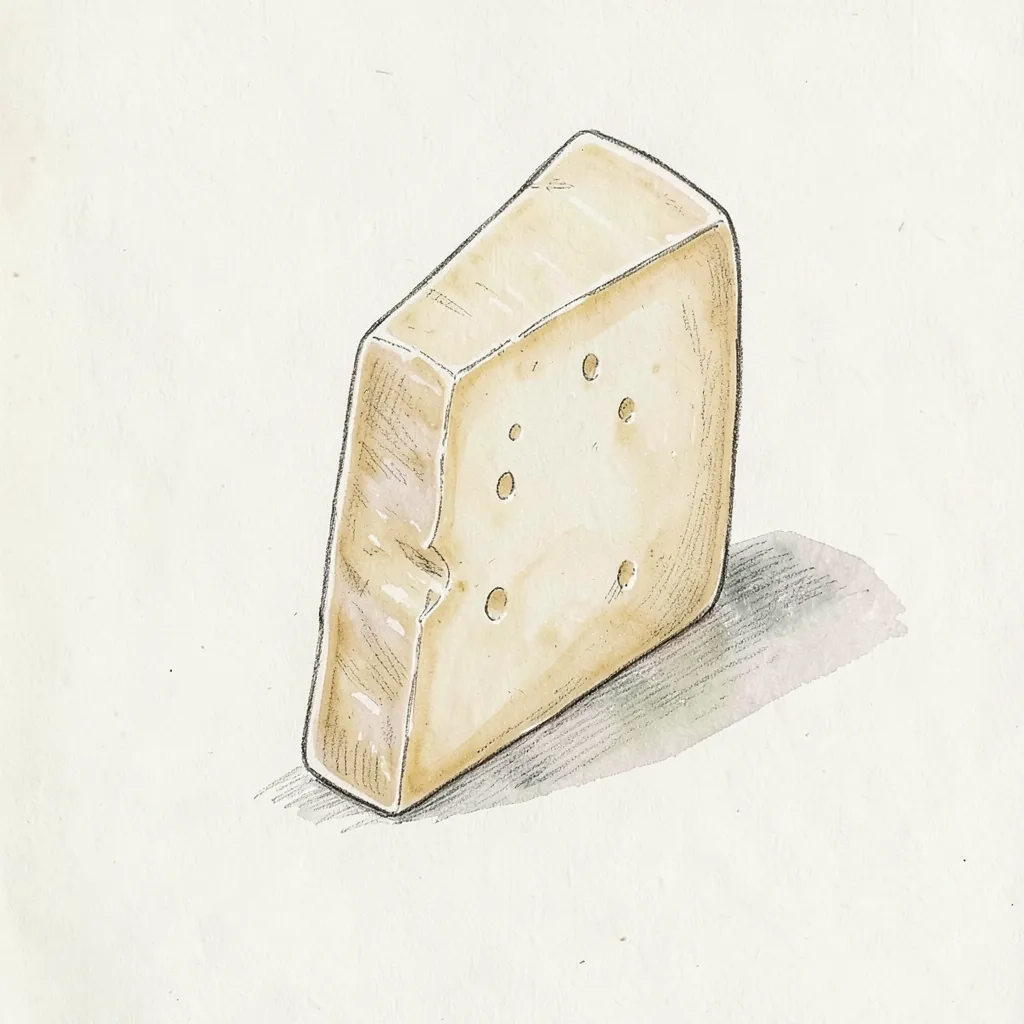
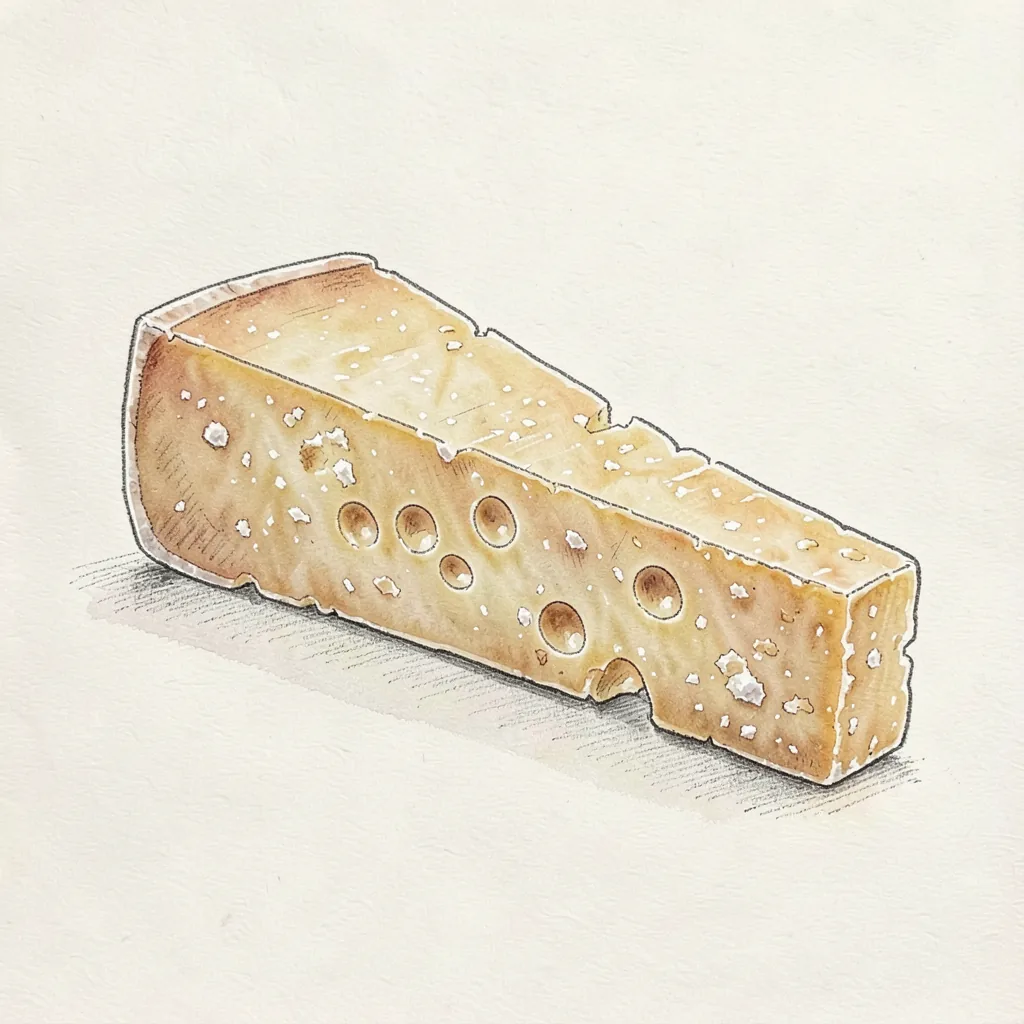
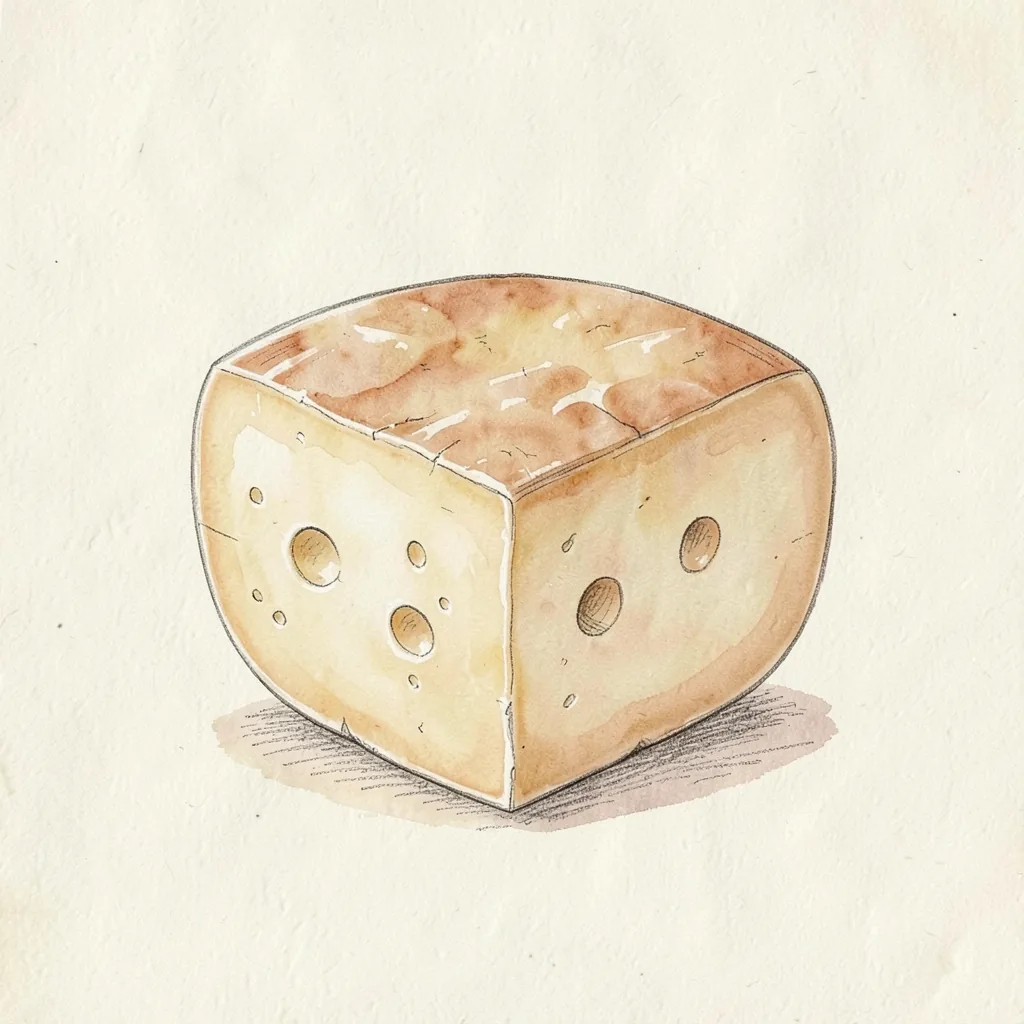
The paste is firm, pale gold, and a little crumbly, with small white crystals that crunch against the knife. The flavor sits between a mature cheddar and a sweet, nutty grating cheese. It is sold in wedges and blocks rather than as a fresh round. The brand name recalls Dublin, while the cheese itself comes from County Cork.
Pasteurized cow's milk and a long age give it a sweet start and a savory finish. Butter, toasted nuts, and a light caramel note are the usual description, with a cheddar-like sharpness that does not turn harsh. The crystals are a normal part of aged cheese, not a fault or added salt. The body melts, but it also grates cleanly when it is cold. Both uses suit the same wheel.
History
Dubliner is a modern brand, not a farmhouse name passed down in one valley. It was developed in County Cork as an Irish cheese that could be made with cheddar equipment and still taste distinct from cheddar. The goal was a sweet, granular cheese with enough age to stand on a board or in a cooked dish. Export sales then carried the brand well beyond Ireland. The recipe stayed a company product, so makers do not treat the name as a general style.
The cheese is named for Dublin, a city many buyers already know, even though the vats are in County Cork. County Cork remained the place of manufacture. That split surprises people who expect a creamery in the capital. International packs often stress the Irish origin and the sweet, aged character. As a brand, the cheese keeps a consistent recipe, which is the point of buying it by name.
How it is made
Pasteurized cow's milk is set with cultures and rennet, and the curd is cut and stirred until the grains firm up. The curds are salted and pressed into blocks or tall wheels, which gives a dense body rather than an open, soft paste. There is no bloomy mold and no washed rind to tend. The wheels then age for a long time in cool storage. That wait, more than any surface treatment, builds the sweet and savory taste.
During aging, moisture falls and the paste becomes harder, drier, and more granular. Natural crystals can appear as tiny white specks scattered through the interior. They are part of a well-aged cow's milk cheese and show that the flavor has concentrated. Makers do not smoke the cheese, wash it, or blend it with other varieties. What you buy under the brand is one recipe at a mature stage, cut and packed for retail.
Taste
The first bite is sweet and buttery, then nutty, with a savory edge that recalls mature cheddar. Caramel and browned butter show up if the piece is well aged. Salt is balanced, not fierce, and there is a pleasant tang rather than a bitter burn. The crystals add little bursts of crunch and a faint savory sparkle. Aroma is warm milk, nuts, and a clean aged-cheese smell.
Texture depends on how cold the wedge is, more than on any rind. Cold from the refrigerator, the paste breaks into firm crumbs and grates into dry flakes. After it loses that chill, it feels smoother and bends before it breaks. There should be no damp smear and no soapy note. If the wedge smells stale or tastes only of salt, it has dried out in poor storage.
In the kitchen
Use it where you want both salt and sweetness. Thin slices sit well on a board with apple, pear, or oatcakes, and the crystals stay noticeable when the cheese is not too cold. It grates easily over pasta, baked potatoes, or a bowl of soup. A little goes a long way because the flavor is concentrated. Keep a piece aside from the cooking pile so people can taste it plain.
The cheese melts in a grilled sandwich, a sauce, or a gratin, and it browns well on top of a dish. It is less stretchy than a mild block, so do not expect long strings. Pair it with mustard, bitter greens, or a dark ale if you want contrast for the sweetness. It is too hard and salty for a delicate salad in large chunks, but fine shavings can still scatter over leaves. A plane or a grater works better than a spoon.
Around the world
Outside Ireland, Dubliner is one of the Irish cheeses people are most likely to find by brand name. Shops in Britain, North America, and farther afield sell wedges next to cheddar. Buyers sometimes treat it as an Irish cheddar, which misses the sweeter, more granular side. Reading the brand name, not only the word Irish, avoids that mix-up. Where the brand is absent, a mature cheddar plus a nutty hard cheese can suggest the flavor, but neither one copies it fully.
In Irish cooking it moves easily between the board and the kitchen. A grating can finish a potato dish, a pie, or a bowl of soup, and cubes can go into a salad or a packed lunch. Visitors who know only mild cheddar are often surprised by the sweet finish. The cheese does not claim to replace Parmigiano Reggiano, even though both are hard, nutty, and useful on pasta. It is an Irish brand with its own balance, and that balance is why the name matters.