Cow
What it is
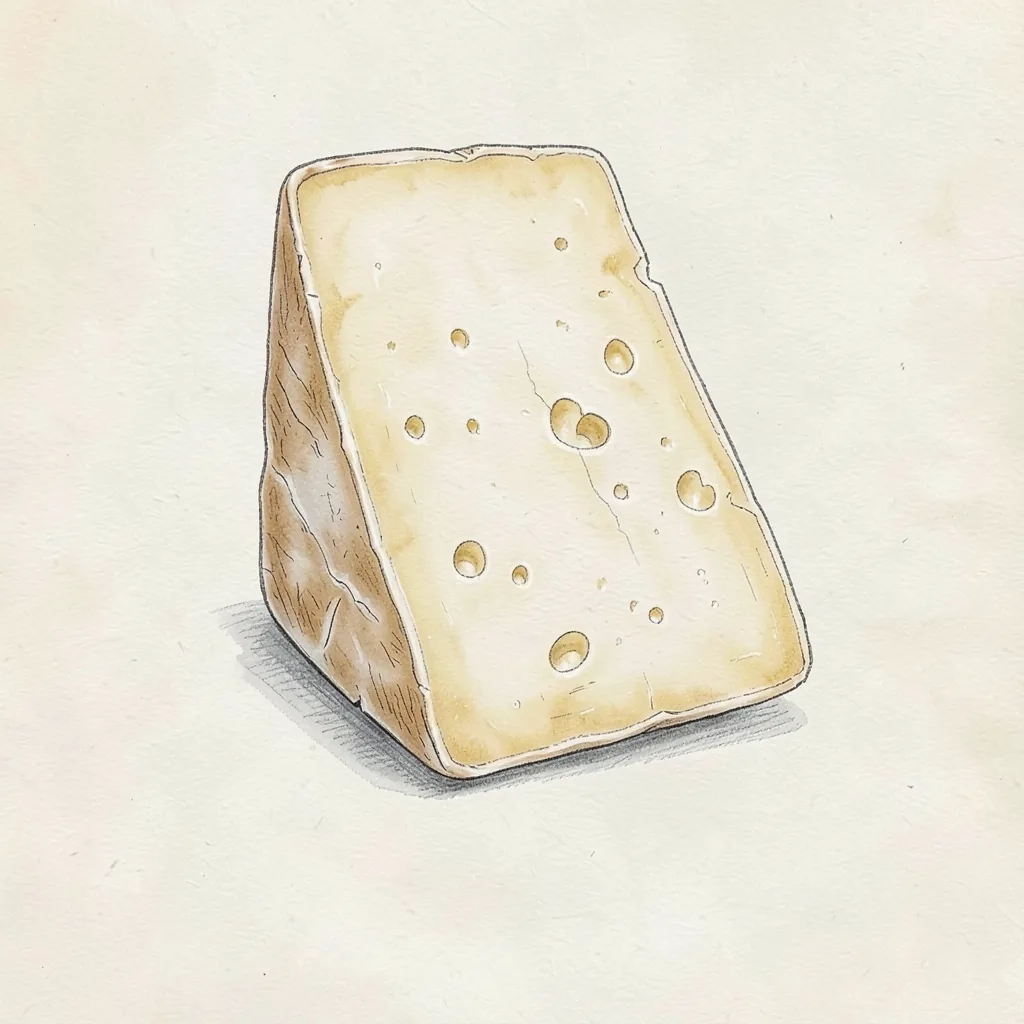
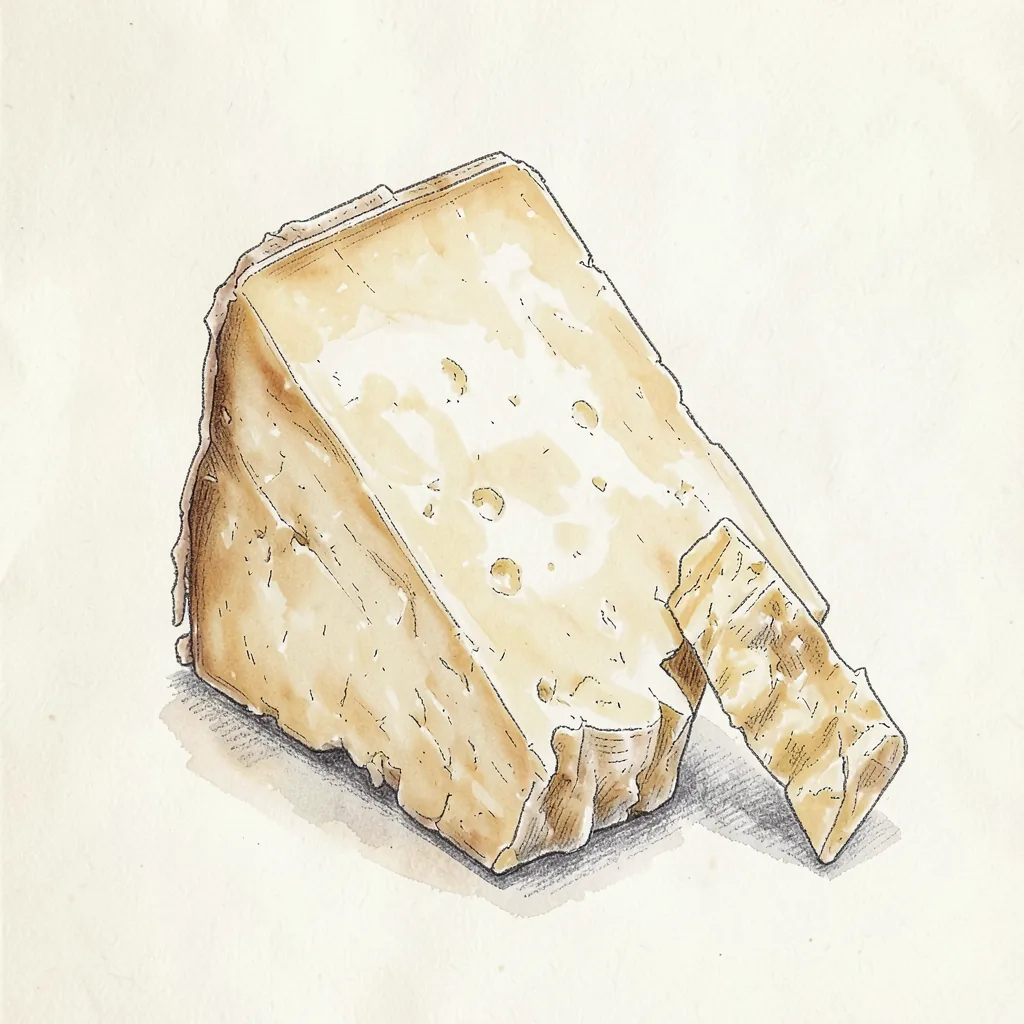
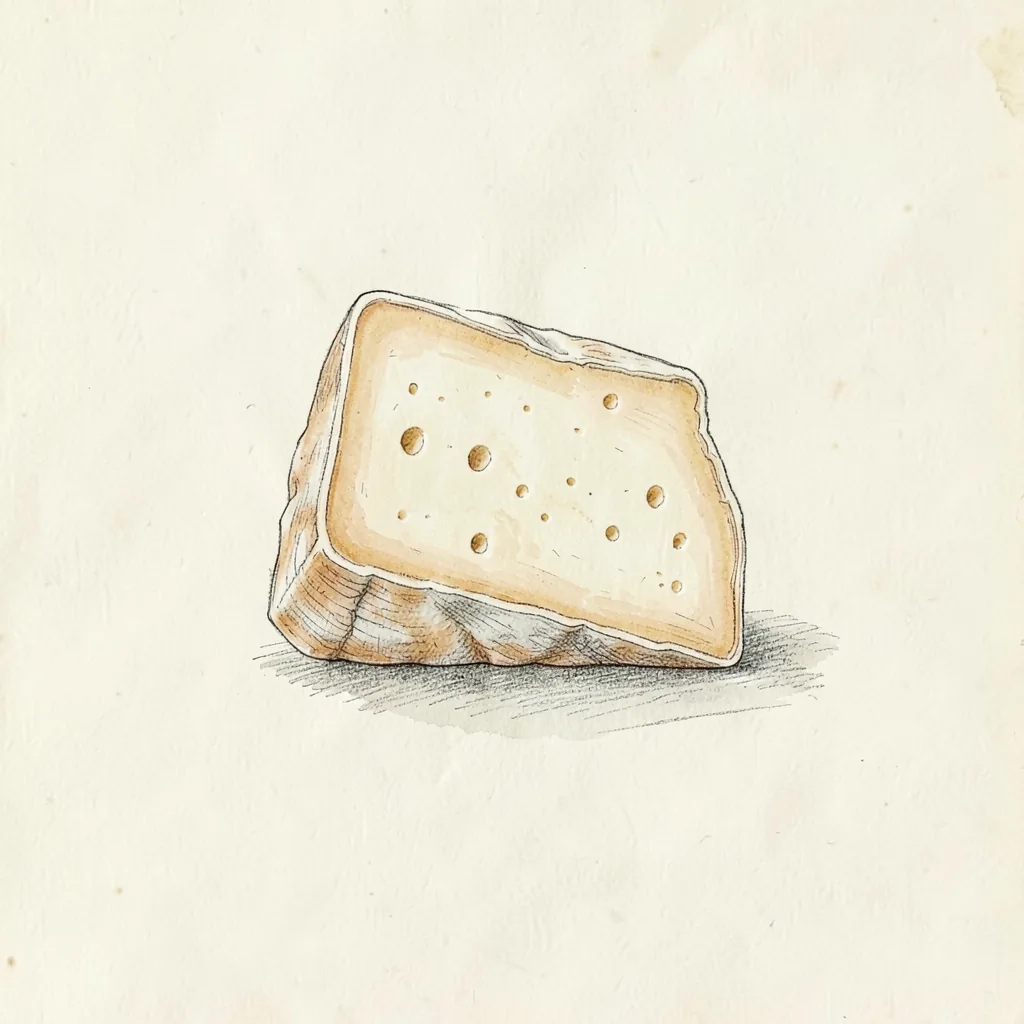
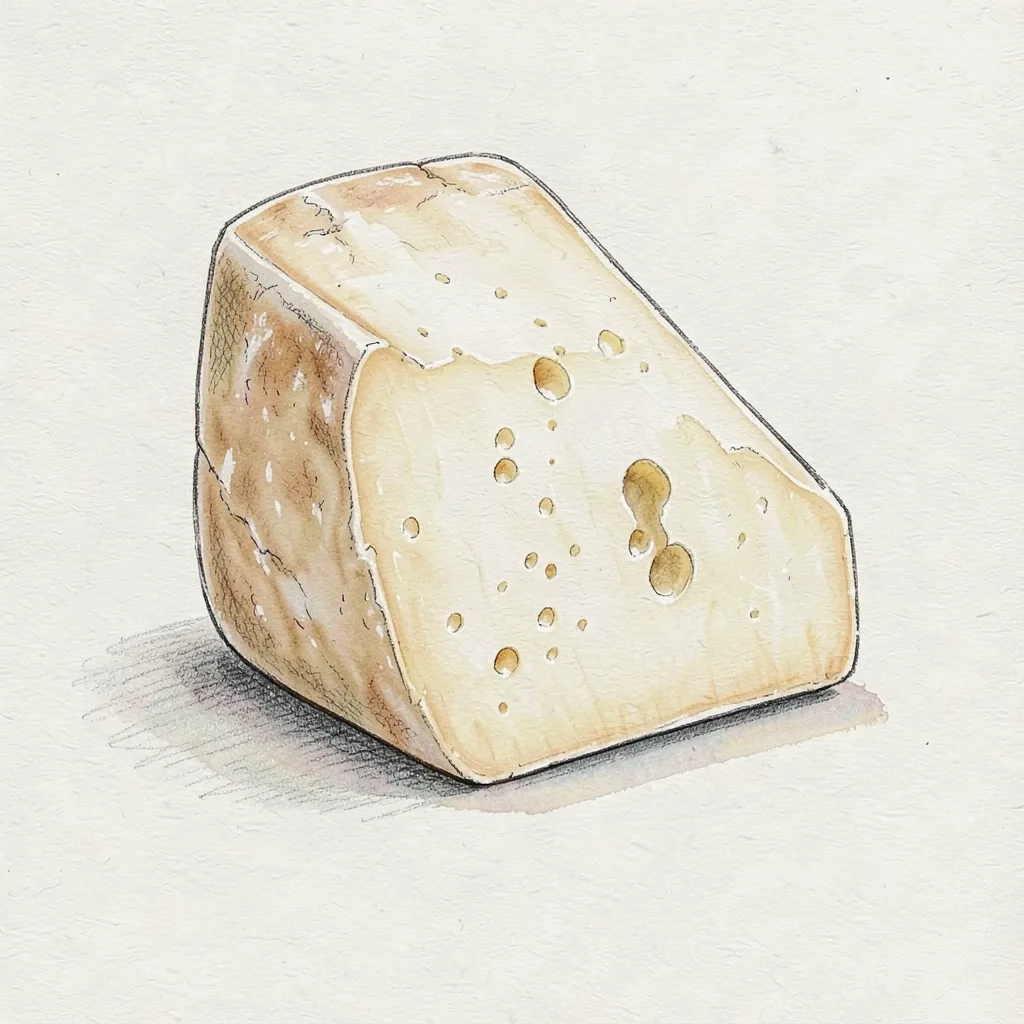
The milk is pasteurised, and vegetarian rennet is the usual set. Makers drain the curd in baskets without a heavy press, so the paste stays moist and a little open. The rind is natural and golden, with a basket-weave pattern, and the interior is pale yellow. The name refers to Ashdown Forest in England, not to a single ancient farmhouse recipe.
The flavor is mild, sweet, and nutty, with a fresh tang and a buttery side. A plain wheel and an oak-smoked wheel share the same cow's milk body. The smoked one adds a light wood note and a deeper color on the rind. Both are Ashdown Foresters, and both belong on a board or in a gentle melt. They are not blues, soft white rind cheeses, or fresh curds, and the open paste is part of the appeal.
History
Ashdown Foresters is a modern English cheese, named for Ashdown Forest and made as a hard, unpressed wheel. It grew up in the broad revival that brought many new British cheeses to shops, beside older territorial names. Cow's milk, vegetarian rennet, and a natural rind were choices from the start. The basket mould was part of the look, not a decoration added afterward. No monastery chronicle sits behind the name, and the cheese does not claim a medieval origin.
The plain cheese is the main version, and a smoked wheel offers the same style with a light coat of oak. Pasteurised cow's milk and vegetarian rennet stayed constant across both. A moderate rest is enough for the sweet, nutty flavor, and the cheese is not built for a very long, dry age. It remains a specialist cheese rather than a block in every chiller. The forest in the name marks an English place, while you judge the cheese by its moist paste and basket rind.
How it is made
Makers set pasteurised cow's milk with vegetarian rennet and cut the curd. They ladle it into baskets and let it drain without the heavy press used for a dense, dry wheel. The basket leaves a woven mark on the surface, and that mark becomes part of the natural rind. Salt is added in the usual way for a hard cheese, then the young wheels rest. They rest until the flavor settles and the paste turns from stark white toward a pale yellow.
Aging is moderate, and the paste stays moist, with small irregular openings rather than large round eyes. The rind colors toward gold and stays thin enough to eat. For the smoked cheese, wheels meet oak smoke so the wood note stays light and the cow's milk flavor remains. Nothing is waxed, washed in brine, or pierced for blue mould. The edible rind is part of the cheese, pattern and all, and it should not be so thick that it fights the mild paste.
Taste
Ashdown Foresters tastes mild, mellow, and nutty, with a fresh tang and a buttery finish. Sweetness is clearer than sharpness, and the salt does not dominate. The smell is clean and slightly grassy, in line with cow's milk from pasture and hay. The paste is moist and a little yielding for a hard cheese, not chalky and not soft like a white rind cheese. The basket rind adds a faint earthy edge if you eat it, and that edge stays gentle.
The smoked wheel keeps that mild base and lays a light oak note over it. The color of the rind deepens, while the interior stays pale and open. A cold slice tastes firmer and quieter than one that has lost the fridge chill. At a cool room temperature the sweetness and the nut flavor come forward. If the piece is sharp, dry, or bitter, it is not a typical example, because this cheese is meant to stay gentle.
In the kitchen
Set Ashdown Foresters on a board with bread, apple, and a plain chutney or some cured ham. It melts on toast and in a simple bake, and the moist paste softens without a heavy oil split if the heat stays gentle. Slices fit a sandwich, and a small grate works over vegetables. It is not a dry grating cheese, so do not treat it like a long aged mountain wheel. Choose the smoked wheel when a dish needs a light wood note and the same mild body.
Wrap the cut face so the open paste does not dry and crack. Let it warm slightly before a tasting, or the nutty sweetness stays hidden. The mild flavor loses a fight with very hot spice or with a salty brine cheese on the same plate. Use it where you want a gentle English hard cheese, not where a recipe demands a fierce, crumbly block. Cubes can go into a salad if the piece is still moist, and the basket rind can stay on the slice.
Around the world
Ashdown Foresters is sold mainly in Britain, with some wedges reaching specialist shops abroad. It is not a standard export block, and many grocers will not know the name. The basket pattern helps a buyer recognize a piece when the wedge still shows the rind. Plain and smoked labels should be read apart, because the oak changes the aroma. Outside England it often sits with other mild hard cheeses rather than with soft or blue ones.
Caerphilly is a fair English substitute when you need a moist, mild cow's milk cheese, though it is usually tangier. Cheshire can also stand in on a board or in a simple cook. Duddleswell may appear beside it in a British shop, but that cheese is made from sheep's milk and tastes richer. If you only have a very old hard cheese, use less, because this one is built to stay gentle. A smoked piece needs a smoked stand-in, or the oak note will vanish from the dish.