Sheep
What it is
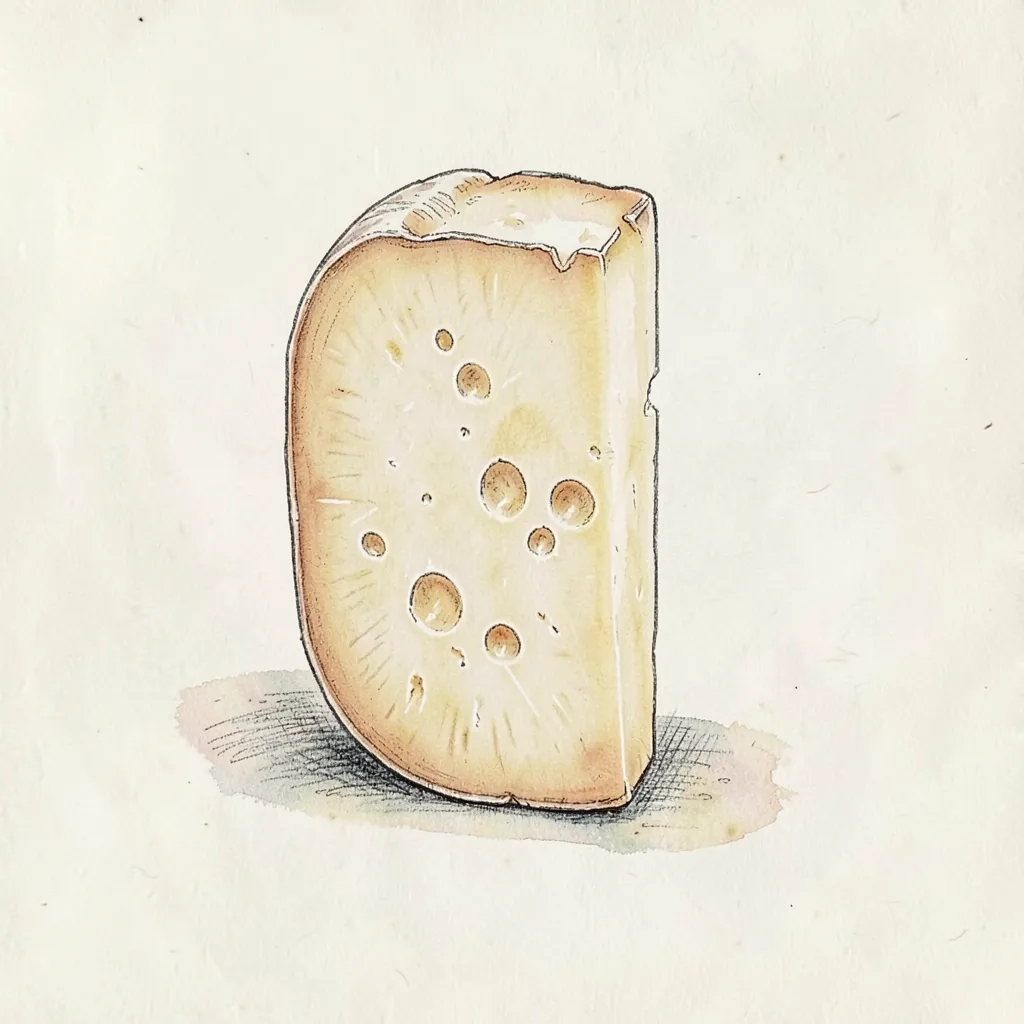
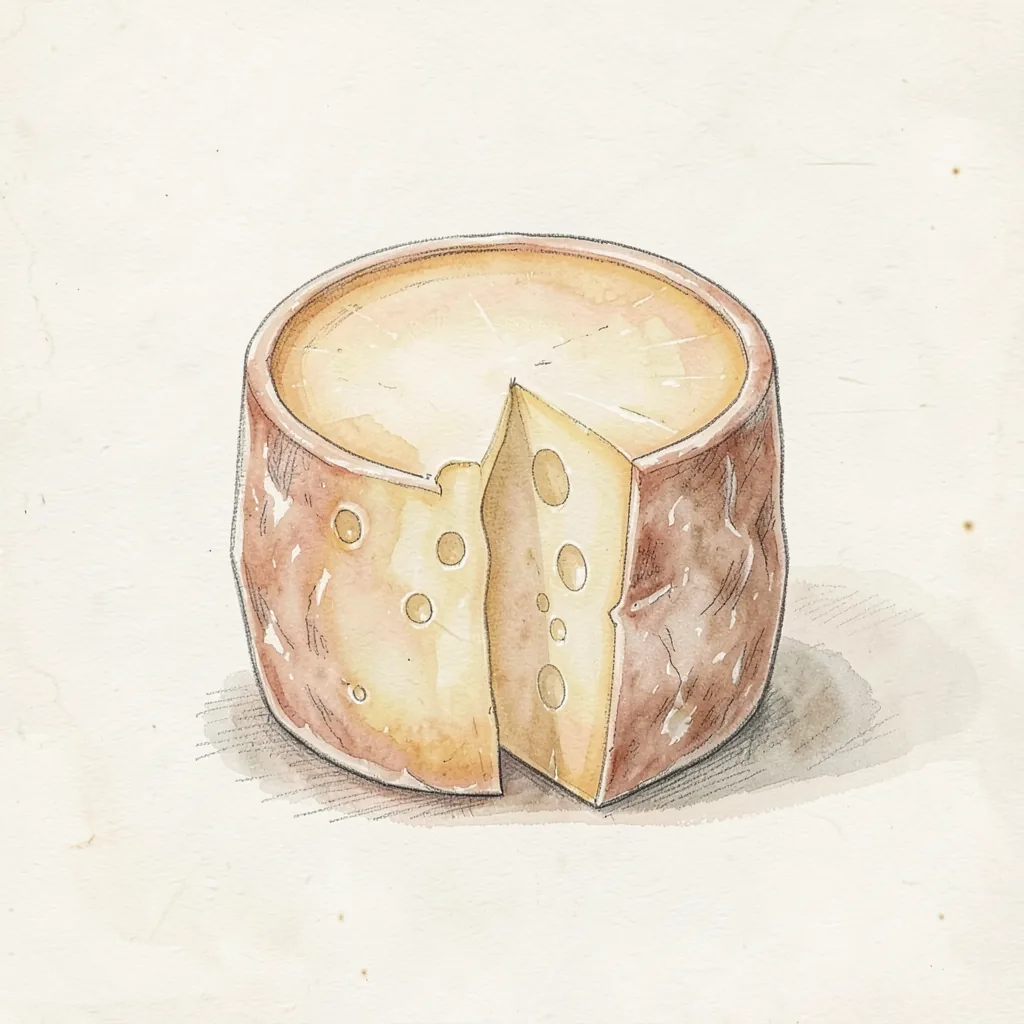
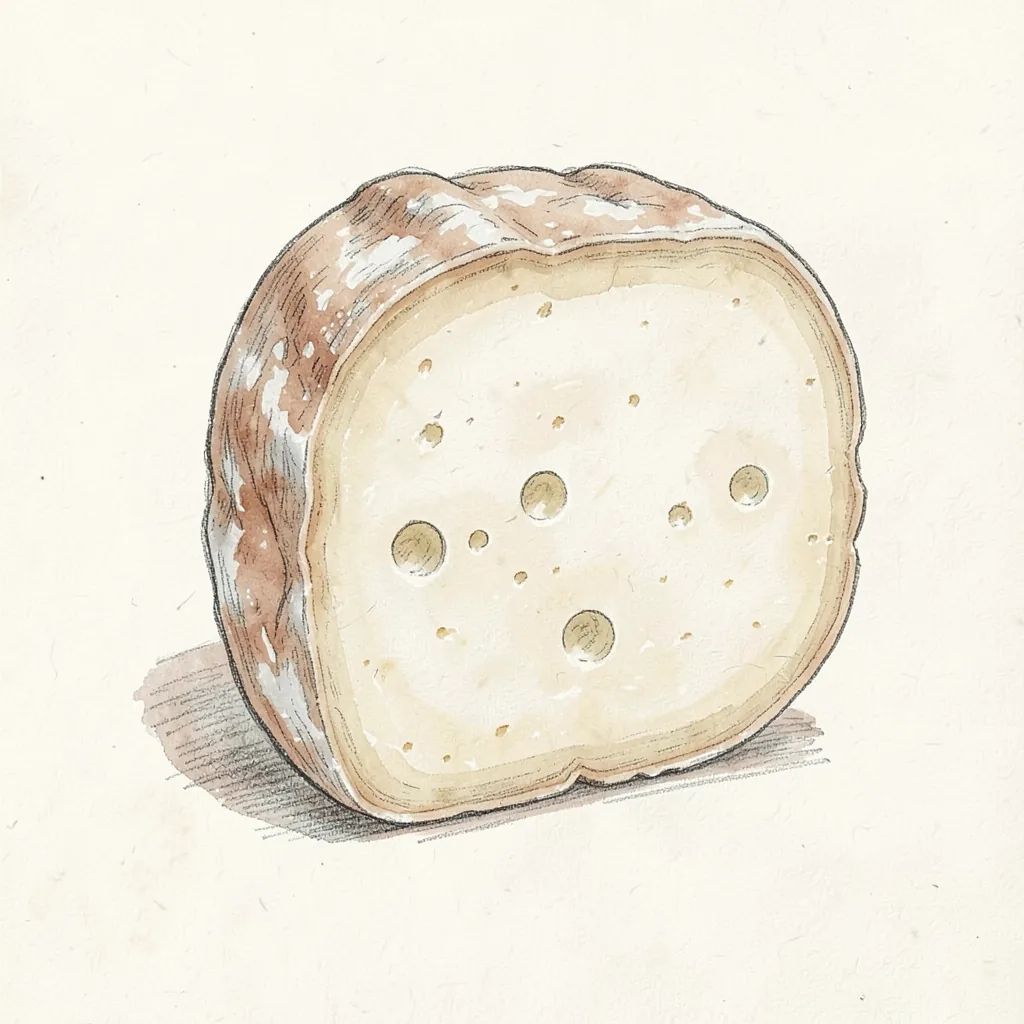
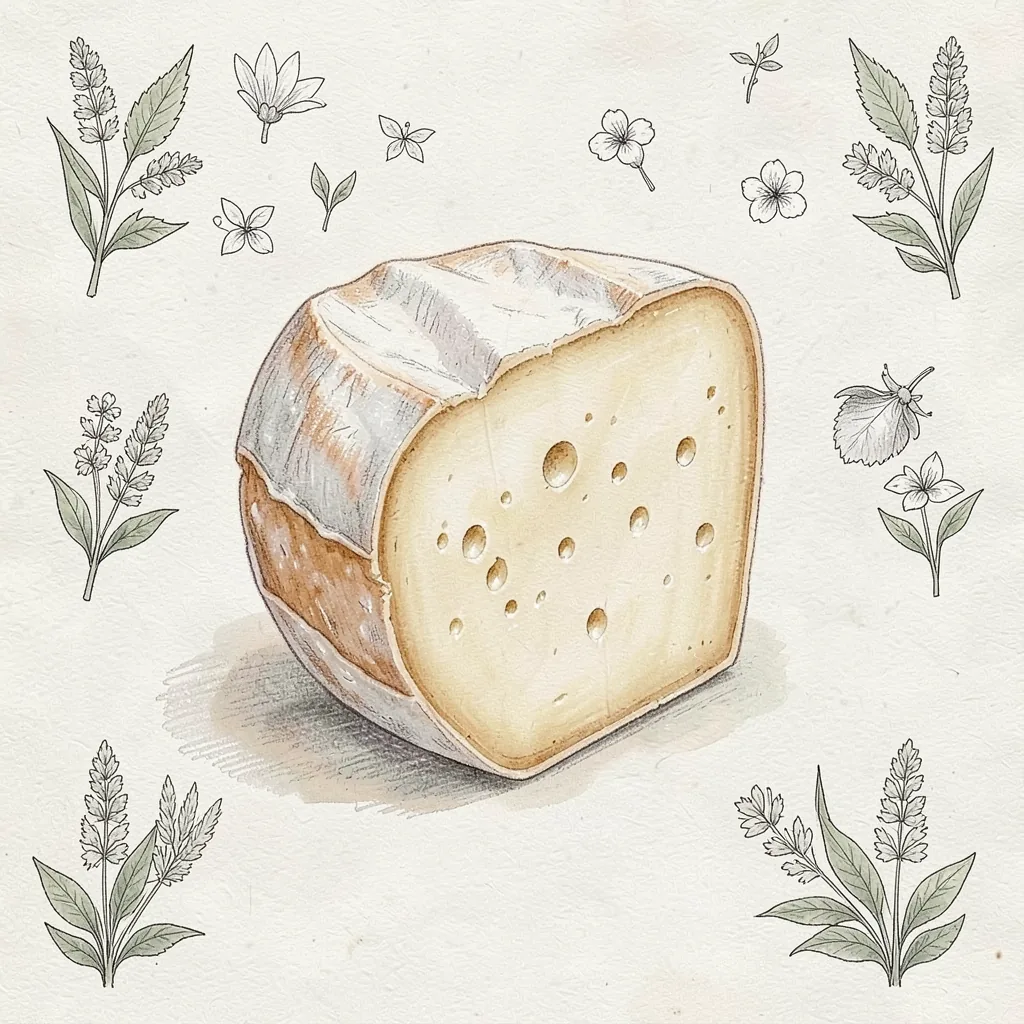
The milk is pasteurized, and the wheels stay modest in size, which makes them easy to cut for a board. The paste is smooth and medium firm, with a pale ivory color and a mild sheep aroma. A thin brown rind shows a basket-weave mark from the mould. It is a Basque-style cheese made for everyday eating rather than long cellar aging.
The flavor is gentle for a sheep cheese. Nutty, lightly sweet, and buttery notes come first, and the finish stays clean rather than sharp. Many people eat it with bread, fruit, or a little jam, and it also sits well beside cured ham. Black cherry preserves are a common French pairing, because the fruit lifts the mild paste. A wedge can also go into a salad when a salty hard cheese would be too strong.
History
Sheep cheese has a long place in the French Pyrenees, where flocks graze the mountain grass. P'tit Basque follows that habit in a smaller, pasteurized wheel aimed at a wide market. Makers press the curd in a patterned mould, and that step leaves the basket-weave rind buyers recognize. The style echoes older shepherd cheeses from the same mountains, but the cheese itself is a set recipe sold under one name. It is not a farmhouse wheel that changes with each valley and season.
The name means little Basque, and it points to the French side of the Basque country in the Pyrenees. The region on maps is broad, and this cheese is the small sheep wheel, not the larger Ossau-Iraty that shares the same mountains. Shops in France and abroad stock it beside other Pyrenees cheeses. The rind is often tinted a warm brown, then wrapped so it does not grow a thick mold coat. That neat finish is part of why the cheese travels well and keeps a mild taste.
How it is made
Producers start with sheep's milk and pasteurize it before the make. Cultures and rennet set the milk, and the curd is cut and pressed into a small round mould. The mould leaves a woven pattern on the outside, a mark often compared with the zig-zag rind of some Spanish sheep cheeses. Salt seasons the paste. After pressing, the surface is colored to a light brown and the wheel is wrapped.
The wheel then rests until the paste is smooth and the sheep aroma is clear but not harsh. Aging is long enough to firm the cheese and short enough to keep it mild. There is no washed smear and no blue vein. The result is a tidy semi-hard round with a thin rind that most people trim away. Because the milk is pasteurized and the make is steady, one wheel tastes much like the next.
Taste
The first taste is mild, nutty, and a little sweet. Butter and warm cream sit under a clear sheep note, and the salt is present without biting. The paste is supple, not crumbly, so a slice bends before it breaks. There is little of the lanolin sharpness that some aged sheep cheeses carry. A longer stay on the board lets the aroma open, but the flavor stays gentle.
The rind smells stronger than the paste and is usually cut off. Under it, the color is ivory to pale gold, with a smooth, dense look when the cheese is at room temperature. Fruit, especially cherry, makes the sweet side clearer. Pepper or a savory ham pushes the nutty side. Compared with a big mountain sheep cheese, P'tit Basque is the quieter wheel.
In the kitchen
Set P'tit Basque out of the fridge before serving so the paste softens. Cut thin slices for bread, or small cubes for a board with nuts, grapes, and a mild jam. It does not need a strong condiment. Cherry preserves, fresh pear, and a thin slice of cured ham are reliable matches. A dry red or a light white wine both work, because the cheese is not aggressive.
Heat treats it kindly. Cubes melt over warm potatoes or into a vegetable gratin, and thin slices can cover toast. It is too mild to stand in for a long-aged grating cheese on pasta. In a salad, pair it with bitter leaves, walnuts, and a simple dressing so the sheep note still shows. Leftover pieces keep their shape, so they are easy to tuck into a lunch with bread and fruit.
Around the world
P'tit Basque is sold well beyond the Pyrenees. Cheese counters in the United States and in other countries often carry the small wheel because the pasteurized milk and the wrapped rind travel cleanly. Shoppers who want a sheep cheese without a strong barn aroma tend to pick it. The basket-weave rind makes it easy to spot next to plainer rounds. Staff may file it with Basque cheeses or with other mild semi-hard wheels.
In France it remains a table cheese more than a cooking staple. Visitors meet it on restaurant boards in the southwest, often with ham and a fruit garnish. Abroad, it sits between mild cow cheeses and sharper sheep cheeses such as Idiazabal. It does not carry a special origin rule in the way some neighboring cheeses do, so the label matters. Read the wrapper for sheep's milk and for the Pyrenees origin if you want this wheel and not a lookalike.