What it is
The name means cheese of the pit, and the closed chamber is what sets it apart from other firm cheeses. Wheels are wrapped, stacked, and sealed in the rock until the paste turns irregular, moist, and strongly aromatic. The name is protected. Makers may use one milk or a blend, so two wheels from the same method can still taste different.
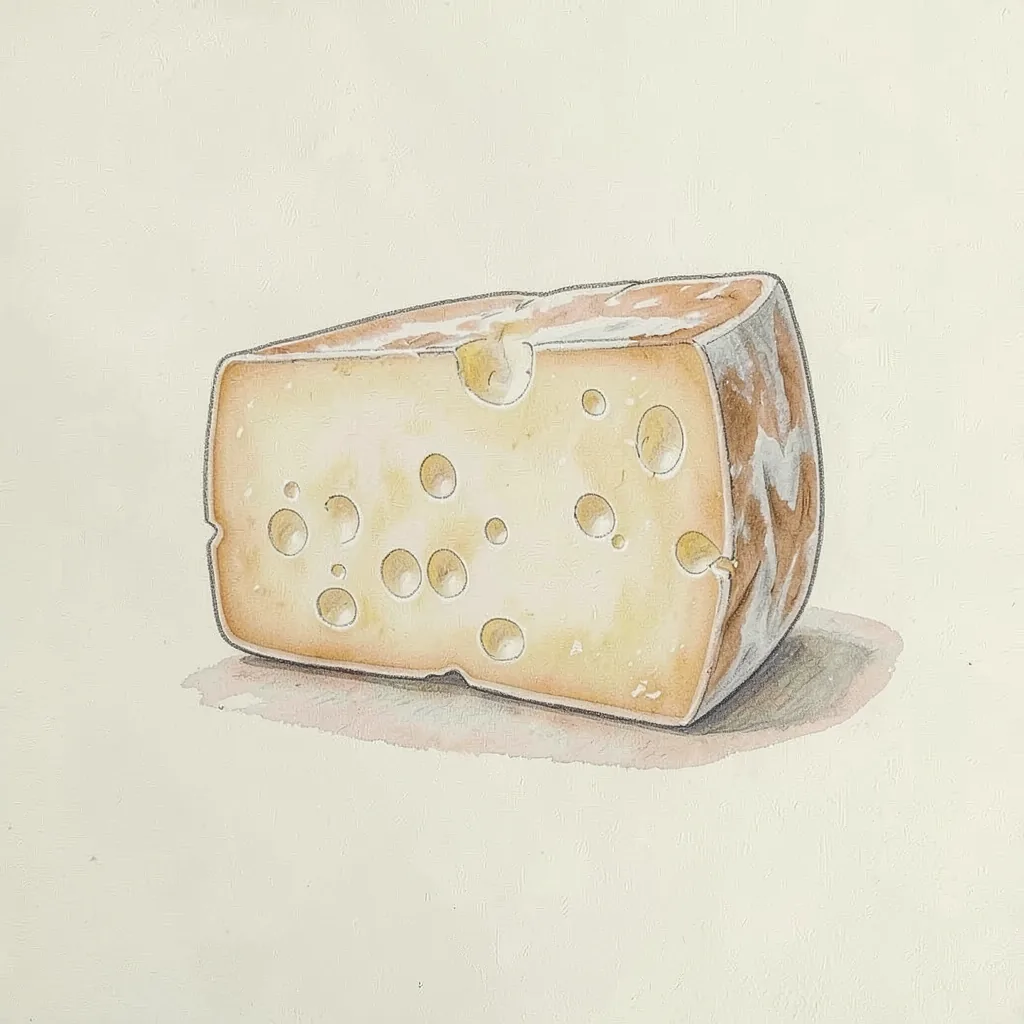
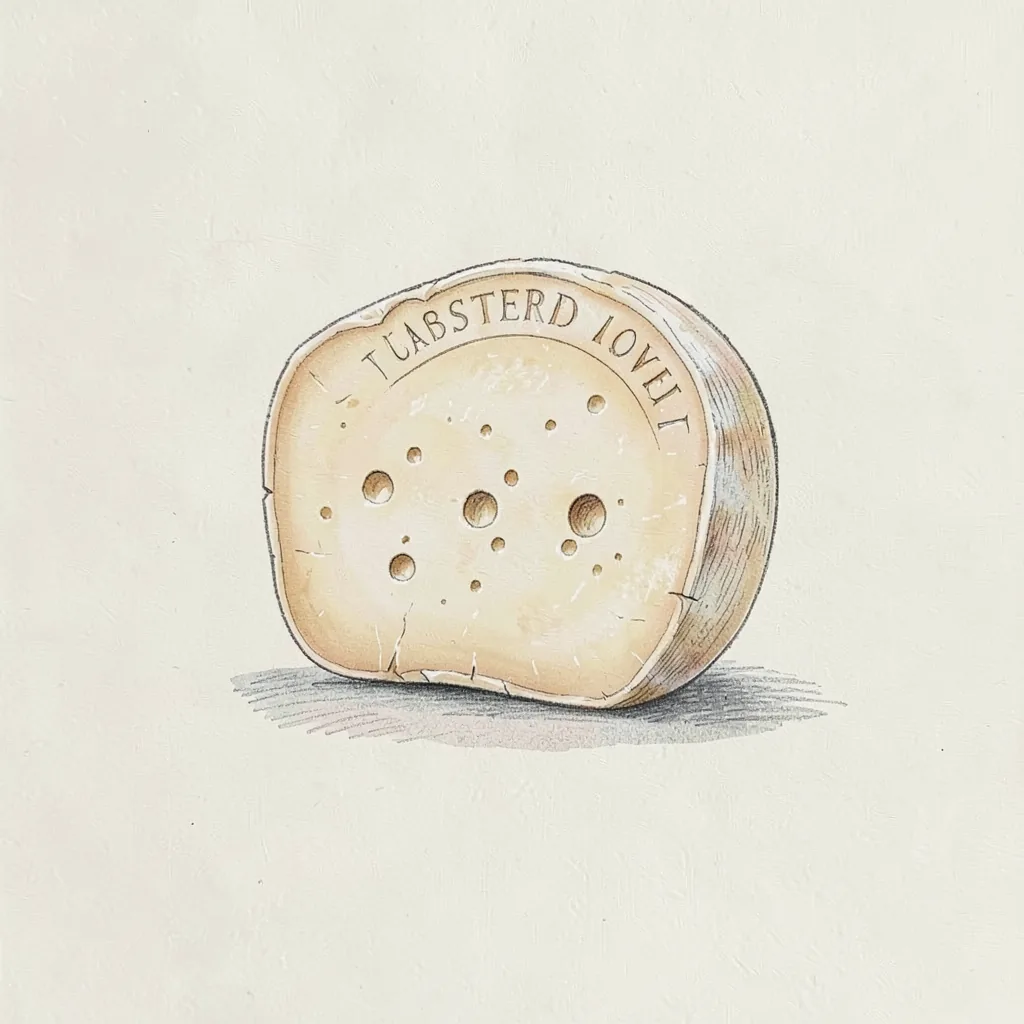
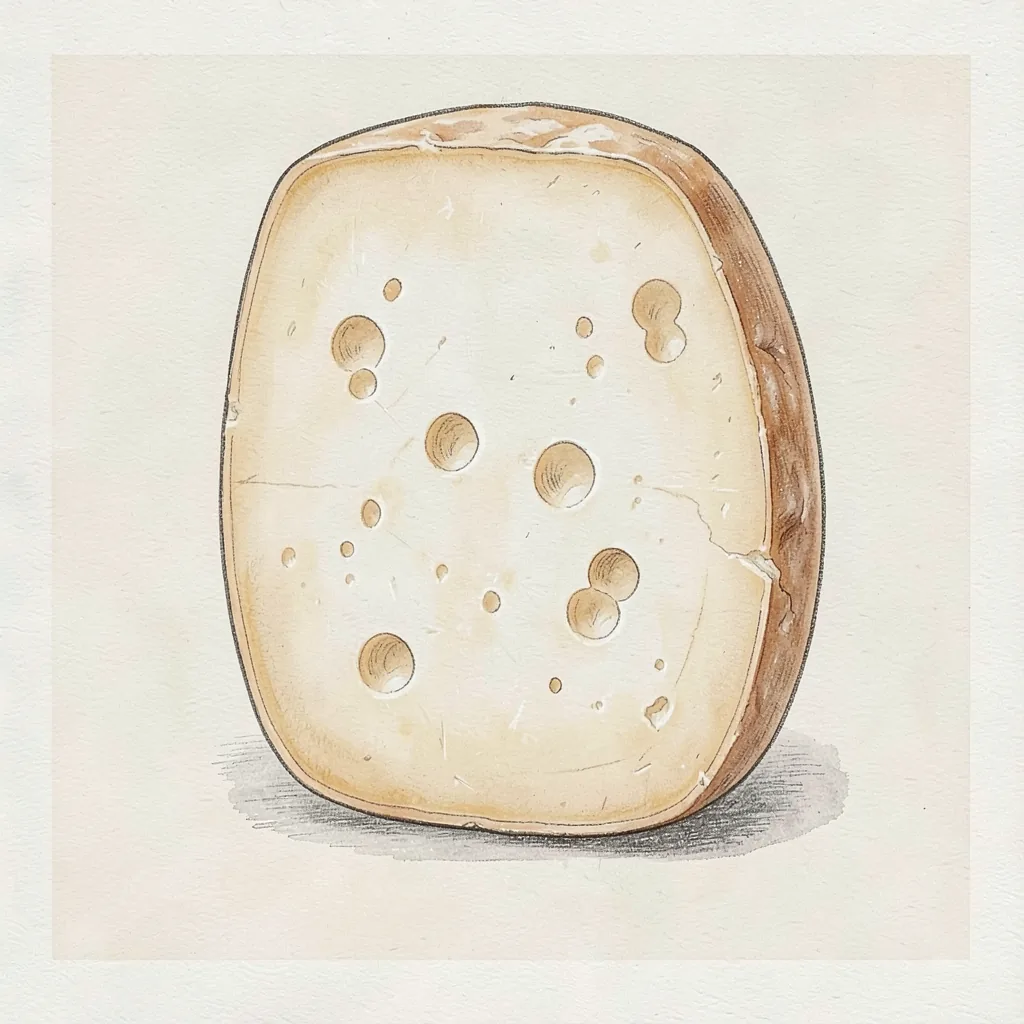
A finished wheel is rarely a neat cylinder. The pit presses the cheeses together, so the sides dent and the surface often looks greasy. The paste is compact and breaks into crumbs rather than bending in a clean slice. Color runs from ivory to a deep straw tone. Buyers use it more often as a grating cheese or a strong board cheese than as a mild everyday slice.
History
Pit aging is an old way to keep cheese in parts of Italy where the ground holds chambers cut into soft rock. Farmers lowered wrapped wheels into those pits, sealed the opening, and left the cheese in the dark. The closed space changes the cheese more than a normal cellar does. Air is limited, the cheeses press on one another, and the aroma grows deep and wild. The practice became a craft of its own, not only a way to store food.
The protected name covers cheese made in the traditional pit style in Italy. Wheels go into cloth bags before they enter the chamber, and the pits stay shut until the aging is finished. When the seal comes off, the cheeses are misshapen and smell much stronger than they did at the start. Some wheels carry local names, but they still belong to this pit family. A shop label should say fossa if the cheese really spent that time underground.
How it is made
Makers set the milk, cut the curd, and drain it into forms. Salt goes in by hand or in brine, and the young wheels rest until they are firm enough to move. They are then packed in cloth bags and stacked in a pit that has been cleaned and lined with straw. The mouth of the pit is sealed so the cheeses age without a fresh supply of air. The rock, the cloth, and the closed space do the rest of the work.
The stay in the pit is long enough to change the shape and the smell. Cheeses come out uneven, often with a damp, oily surface and small cracks. Fat can bead on the outside, and a light mold may appear that wipes away. There is no thick dry rind of the sort you see on a wheel kept in open air. After the pit is opened, the cheese is held a while longer so the aroma settles before it is sold.
Taste
The aroma is the first thing people notice, and it fills the room when the wrap comes off. It is strong, earthy, and often likened to woodland mushrooms or damp undergrowth. The taste runs from bitter to spicy, with a savory depth that lingers on the tongue. Salt is present, but it does not cover the pit character. A small bite can feel rich even when the paste looks dry and crumbly.
Not every wheel tastes the same. Milk from different herds, and a longer or shorter wait before the pit, both shift the balance of bitter and sweet. Some pieces are sharp and almost wild. Others are rounder, with a nutty note under the strong aroma. Let the cheese warm before you taste it, because a cold piece hides the smell that makes it worth buying.
In the kitchen
Grate Formaggio di Fossa over hot pasta, risotto, or a baked vegetable dish when you want a sharp finish. A little goes far, so start with a small amount and taste before you add more. It also works in filled pasta or a savory pie, where the pit aroma seasons the filling. On a board, pair it with plain bread, honey, or a firm pear. The cheese is salty and strong, so keep the other flavors simple.
The paste crumbles, so a grater or a coarse knife does better than a thin slicer. If the surface is oily, wipe it and use that richness in the dish rather than pouring it away. Do not expect a smooth melt like a young mild cheese. Heat softens it and spreads the aroma, but the pieces stay distinct. Wrap leftovers well, because the smell will move into other food in the same box.
Around the world
Outside Italy, Formaggio di Fossa is a specialty item, not a standard grocery cheese. Look for it at Italian importers, cheese counters, and shops that carry aged wheels with a clear origin. The label should mention the pit, because an ordinary firm Italian cheese is not the same thing. Once opened, the aroma is bold, so people who like mild cheese may want only a taste. People who like sharp grating cheeses often come back for another piece.
Pecorino Romano is the usual substitute when a shop has no pit cheese. It grates and salts a pasta dish, but it lacks the damp, mushroom-like aroma of a fossa wheel. Canestrato can also stand in if you want a firm Italian cheese with a basket-marked rind and a savory bite. Casu marzu is not a substitute. It is a different Sardinian cheese, and it is not sold in ordinary shops.