Sheep
What it is
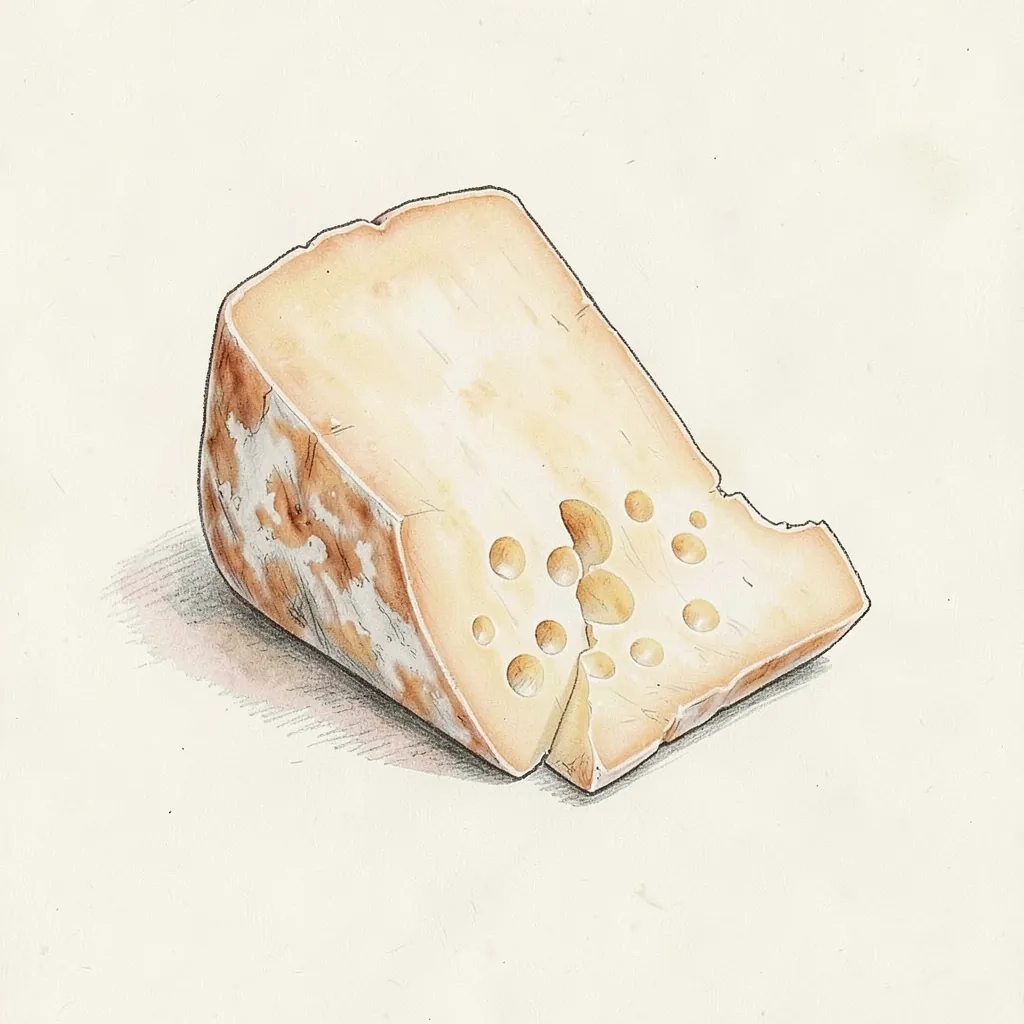
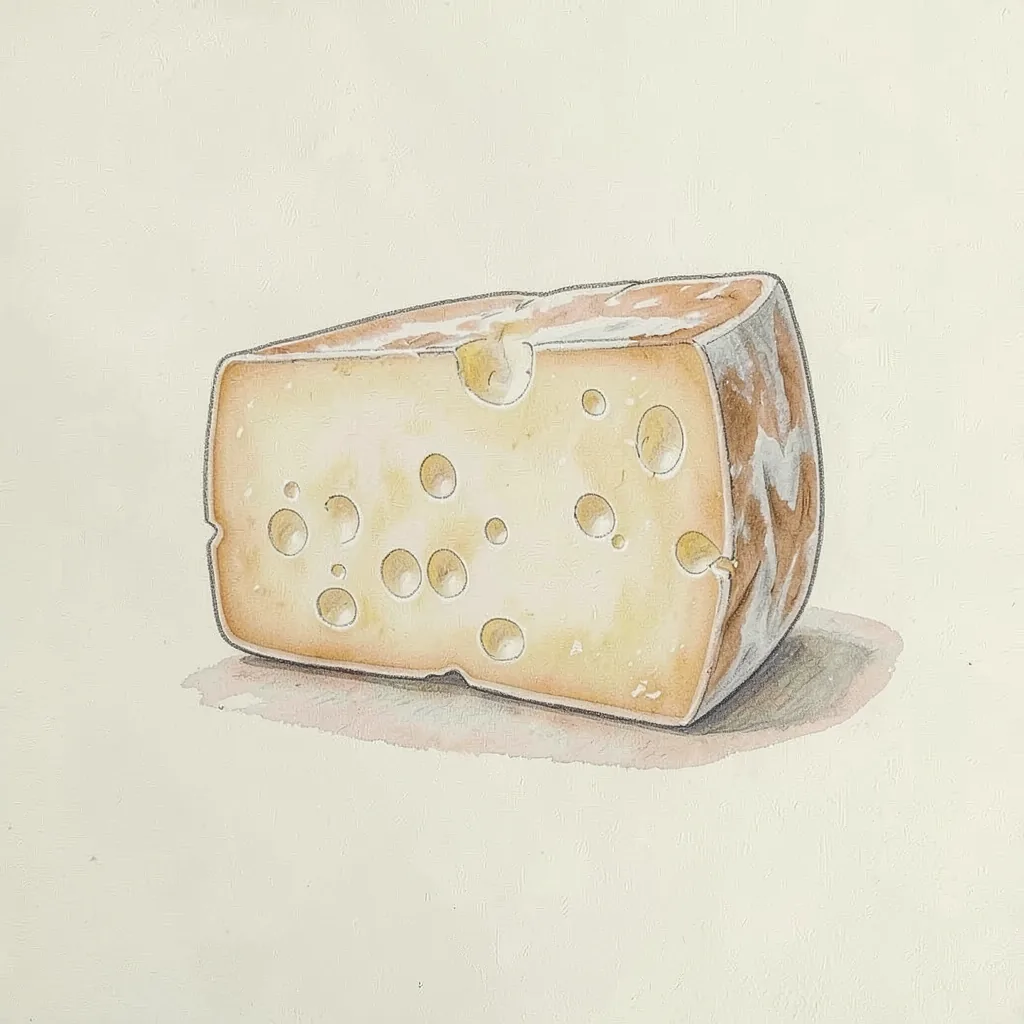
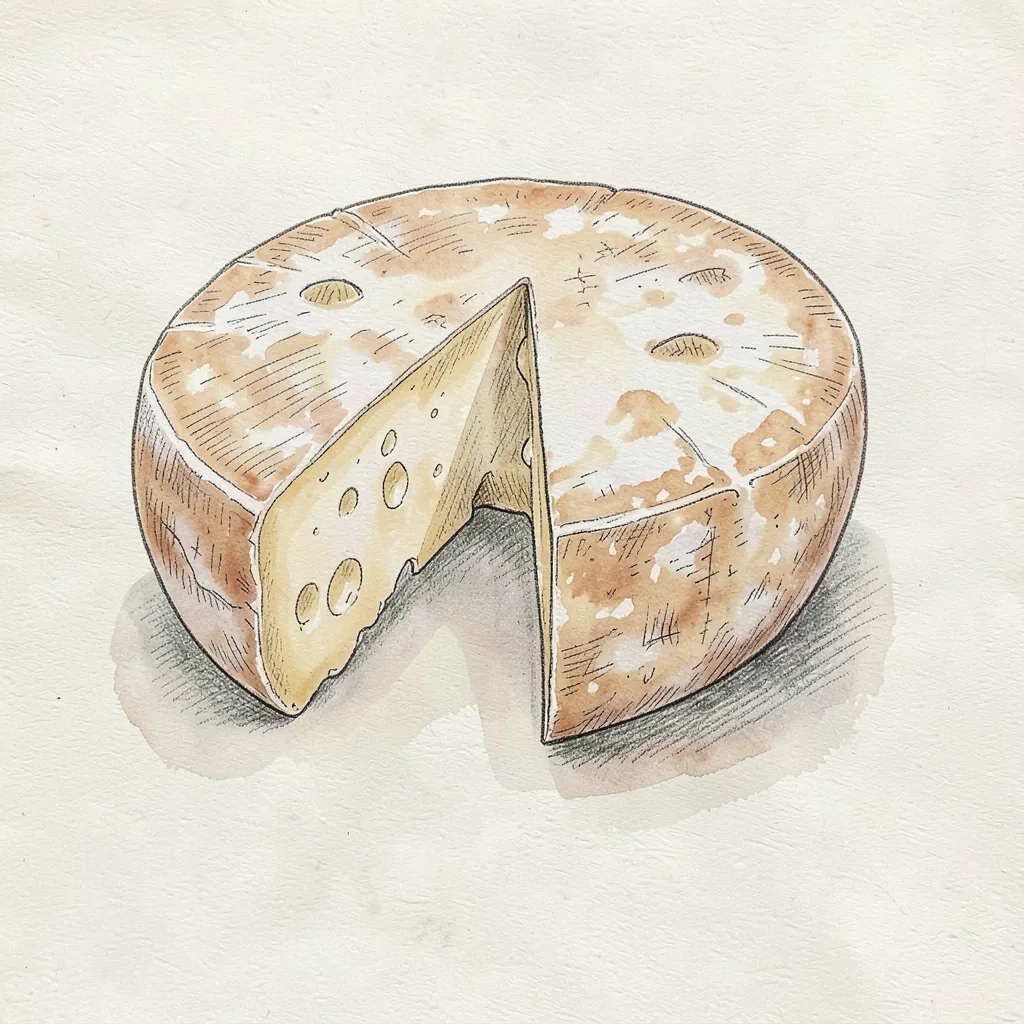
Makers start with a firm pecorino and leave the wheel where cheese flies can lay eggs in the paste. Larvae then break the cheese down until the center is very soft, sharp, and pungent. You will not find it in a supermarket case. Food rules do not treat it as a normal commercial cheese, and eating live larvae can be unsafe.
The Sardinian spelling casu martzu and the Italian name formaggio marcio both point to rotten cheese. A wheel that still holds active larvae is the traditional state. A wheel in which the larvae have died is regarded as too far gone, and it is more of a hazard than a food. Nothing about this custom belongs in a home experiment. If you want the sheep's milk character of Sardinia without that risk, buy a normal pecorino.
History
Shepherds in Sardinia have long made firm sheep's milk cheeses for storage, and casu marzu grew from that pastoral habit rather than from a factory recipe. Wheels kept where flies could reach them sometimes softened in this way. Over time, some eaters came to value the soft fermented result instead of calling it spoilage. The practice stayed on the island. It never became a regulated creamery style with stamps, grades, and a public recipe.
Writers describe it as a Sardinian specialty, and they are right to keep the story on the island rather than on one famous dairy. There is no single village you must visit to understand the cheese, and there is no brand behind the name. Attempts to bring it into legal commerce have not put it on a normal grocery shelf. Outside Sardinia, most people meet the name in articles. They do not meet the cheese in a shop.
How it is made
The starting cheese is a sheep's milk pecorino, pressed, firm, and fitted with a natural rind. In the traditional path, the wheel is opened enough for the cheese fly to reach the interior and lay eggs. Larvae hatch and feed in the paste, and their digestion softens the fats until the center can turn creamy or nearly liquid. That change is the whole identity of the product. It is not an acid set, a bloom, or a brine.
No public creamery schedule exists for shop use, because this is not a shop cheese. Traditional knowledge stays with people who already work inside that custom, and a written recipe would still be a bad idea. The larvae are part of the finished food in the traditional serving, which is why health advice stays cautious. Dead larvae are a sign to throw the wheel out, not a sign that it has become safe. Do not try to copy the process at home.
Taste
The paste is soft, oily, and very strong, with a sheep's milk sharpness that fermentation pushes far past a young pecorino. The aroma is pungent and can turn sharp enough to suggest ammonia, and the flavor is salty, spicy, and lingering. Active larvae keep the center creamy and almost runny. Once they die, the smell grows harsher, and the cheese is no longer in the state traditional eaters accept. Even fans treat that later stage as waste, not as a stronger delicacy.
Texture is the other half of the experience, and it surprises people who expect a clean slice. A cut wheel may slump, and the interior can look like a pale cream rather than a firm paste. The taste is not the sharpness of blue mold, and it is not the clean salt of a brined cheese. It is decomposition guided by larvae, so the flavor is unclean in a way most eaters will reject. If the smell already seems rotten in the ordinary sense, stop.
In the kitchen
Traditional servings put the soft paste on pane carasau, the thin Sardinian flatbread, sometimes with larvae still present and sometimes after they are removed. That custom is local, and it is not a recommendation for a home table. The cheese is not sold in ordinary shops, so it is a poor idea in a recipe for guests. Heat does not turn it into a normal cooking cheese. When a dish calls for Sardinian sheep's milk cheese, use a shop pecorino.
There is no useful grating role, no melting role, and no salad role that makes the risk worthwhile. A firm pecorino can be shaved onto vegetables, grated over pasta, or set on a board with bread and honey. Those are the kitchen jobs people sometimes imagine for a strong Sardinian sheep cheese on a normal table. Casu marzu does not do those jobs safely. Keep the name in the category of traditional curiosity, not weekly shopping.
Around the world
Casu marzu is a Sardinian name, and it does not travel as an export cheese in a legal grocery trade. Similar larval cheeses are reported from other parts of Italy, but they are local customs too, not brands you can order. None of them belong on a standard cheese counter abroad. Visitors who read about the cheese in English usually cannot buy it, and that limit is a good thing. Curiosity is not the same as safe access.
Food writers outside Italy sometimes group it with Milbenkase, the German cheese associated with mites, because both involve tiny animals on purpose. The comparison is only partial. Mite cheeses and larval cheeses are different products, from different countries, and neither one is a substitute you should improvise. In shops abroad, the honest stand-in is a Sardinian or Roman pecorino. Say what the cheese is, and do not treat the larvae as a garnish.