Cow
What it is
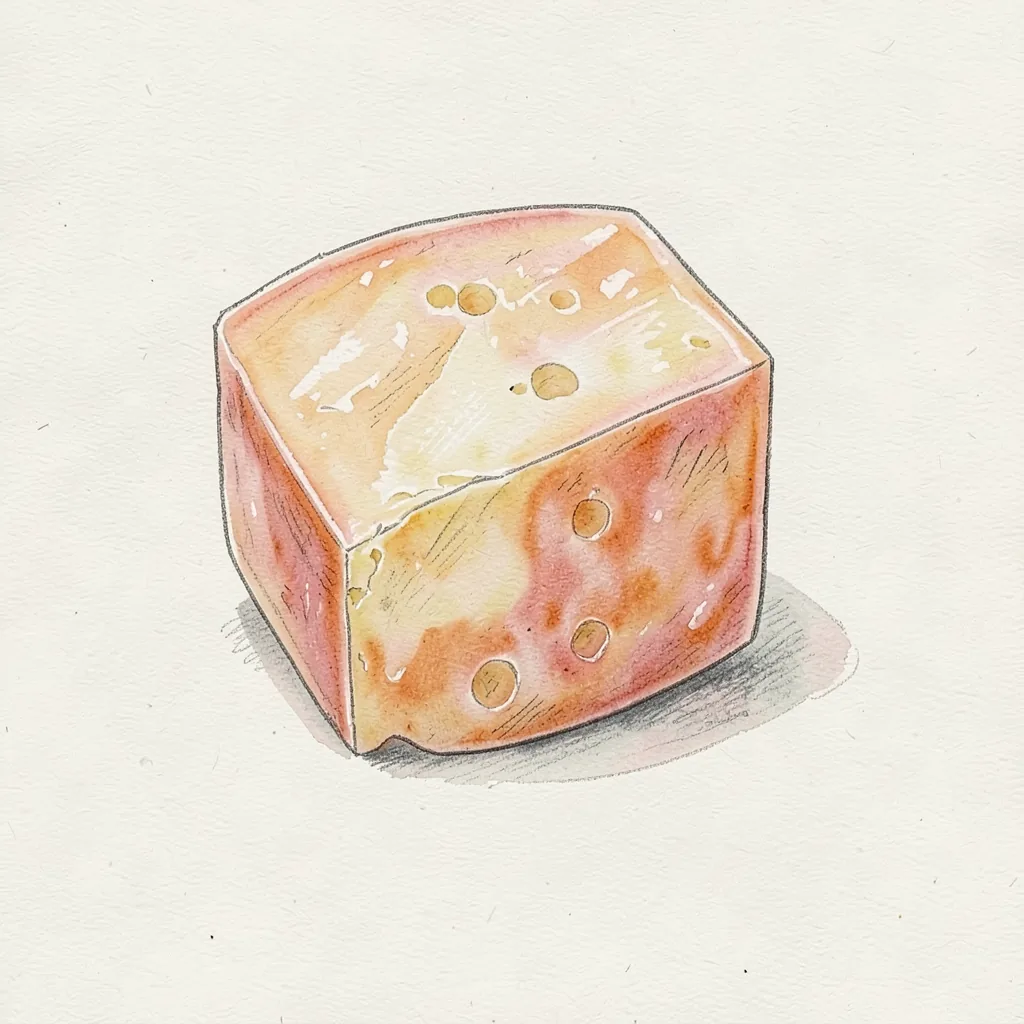
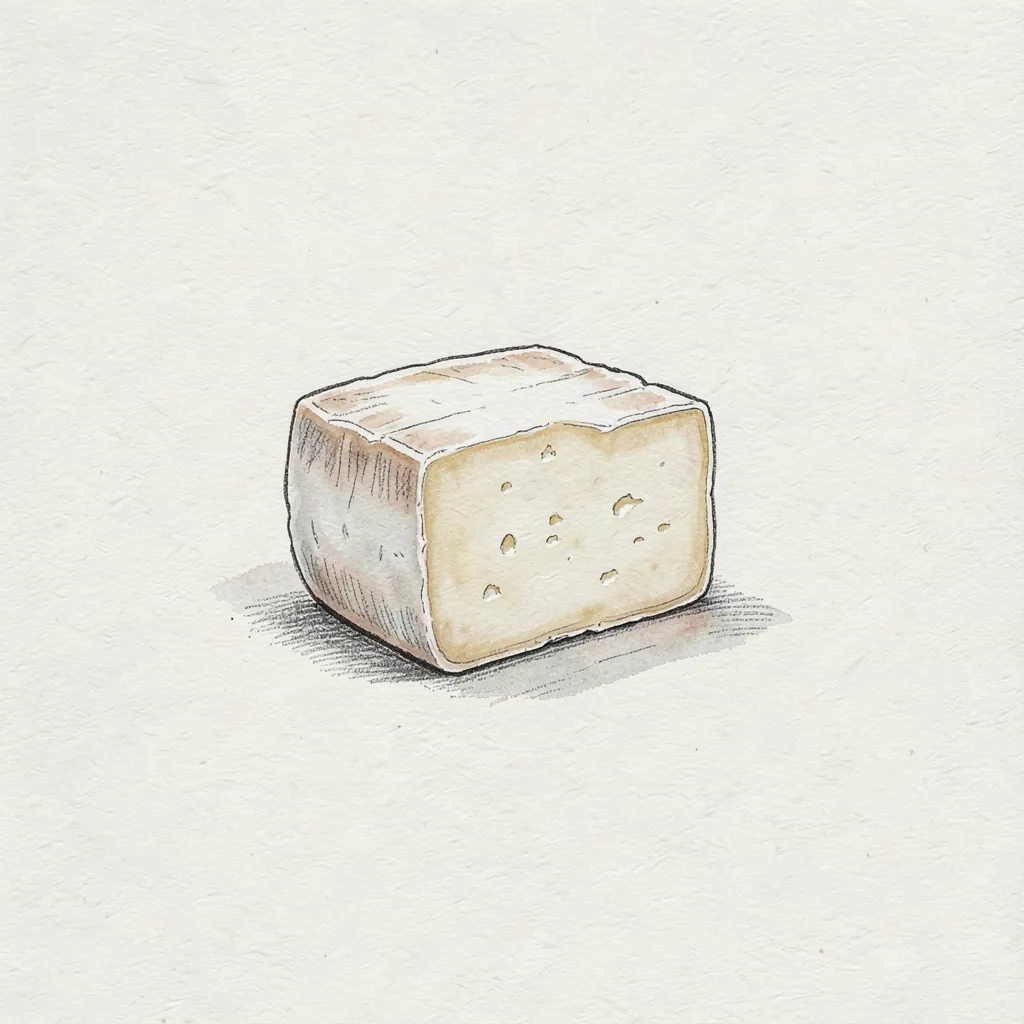
The name comes from Fyn, the Danish name of that island. Wheels are round and fairly flat, with a natural rind and a pale yellow paste. Small holes are scattered through the interior, and the texture is firm enough to slice yet still supple. The taste is mild, slightly sweet, and buttery, with a light tang rather than a strong aroma.
Fynbo sits in the family of Danish cheeses named for places, beside Danbo, Havarti, and other mild creamery wheels. It is usually firmer and less aromatic than Danbo, which is a softer loaf with a washed rind from the same island. Fynbo is a pressed cheese for bread, a board, and simple cooking. The flavor stays polite even when the wheel is mature. You will not find blue veins, a bloomy white coat, or a pungent orange smear on a typical piece.
History
Fynbo took its name from Funen when Danish dairies were building a set of recognizable cow's milk cheeses for everyday tables. Each name pointed to a place, and the cheeses shared a mild, sliceable character with small differences in shape and rind. Fynbo was the round cheese linked to that island. It was a creamery style, made to be regular, not a one-farm secret. The goal was a cheese people could put on bread without a strong smell filling the kitchen.
Funen remained the place in the name, even as dairies elsewhere in Denmark could make similar mild wheels. Fynbo did not become a rare showpiece, and it stayed an ordinary cheese for breakfast bread and packed lunches. Danbo, from the same island, drew more attention with its loaf shape and its light washed aroma. Fynbo kept the quieter role, round and firm and mild. Shoppers still use the place name to tell it apart from those neighbors.
How it is made
Fynbo is made from cow's milk in the pressed style common to mild Danish cheeses. Cultures and rennet set the milk, and the curd is cut fine enough to give a smooth, supple paste. The curd is stirred, drained, and pressed into round wheels, then salted in brine or in the curd. Small holes form as the cheese settles, and they stay modest rather than becoming large eyes. The rind is kept natural and dry, not washed to a sticky orange coat.
The wheels rest until the paste is sliceable and the flavor is mild and even. A longer rest can deepen the nutty note a little, but the cheese is not pushed until it turns sharp and brittle. There is no blue piercing and no bloomy white mold. A shop piece may wear a coat after ripening, while the cheese under it stays the same. What you cut is firm, pale, and lightly aromatic, from a creamery routine aimed at a steady everyday wheel.
Taste
Fynbo tastes mild, buttery, and slightly sweet, with a gentle acidic edge. The paste is smooth and elastic, and the small holes make a slice look open without turning it spongy. Salt is balanced, not biting. The aroma is light, closer to fresh butter and warm milk than to a cellar-washed rind. A mature wheel can show a soft nuttiness, still far from a sharp aged cheese, and people who want a strong bite will find it quiet.
Compared with Danbo, Fynbo is firmer in the hand and less aromatic on the board. Compared with Havarti, it is usually a bit drier and less creamy, though both are mild cow's milk cheeses from Denmark. The rind is plain on a young wheel, and many people trim it anyway. The interior should not taste sour or soapy. Let a cold slice warm a little before you judge it, because chill mutes the sweetness.
In the kitchen
Slice Fynbo for open sandwiches, the Danish way, with bread, butter, and a mild topping such as cucumber or tomato. It also cubes for a salad when you want cheese that will not overwhelm the leaves. The paste melts in a grilled sandwich, a sauce, or a vegetable bake if you keep the heat moderate. It will not brown into a fierce crust the way a very aged cheese does. Use it where a mild, buttery cow's milk cheese is the point.
Cut even slices rather than fine crumbs, because the cheese is for eating in pieces. On a board, pair it with apples, mild nuts, and simple crackers, and skip a heavy sweet glaze. For a sauce, shred it and stir it into warm milk off a hard boil. Leftover slices dry at the edges, so wrap them. If a recipe needs a pungent washed rind, Danbo or Esrom will speak louder than this quieter round.
Around the world
Fynbo is known first in Denmark, and outside the country it appears less often than Havarti or Danbo. Import shops and Scandinavian counters are the places to look, usually near other mild cow's milk wheels. The Funen name on the label is the clue, together with the round shape and the small holes. It is an everyday cheese, not a rare aged trophy. If a shop groups all mild Danish cheeses under one sign, ask which loaf or wheel you are getting.
Danbo is the main mix-up, because it also comes from Funen and uses cow's milk, but it is softer and more aromatic, often with a washed rind. Havarti is creamier and more open, and it melts in a similar gentle way. Tybo and Maribo are other Danish relatives with their own shapes. A young Gouda can stand in for sandwiches if no Danish cheese is on hand. Choose Fynbo when you want the firmer, milder round from Funen.