Cow
What it is
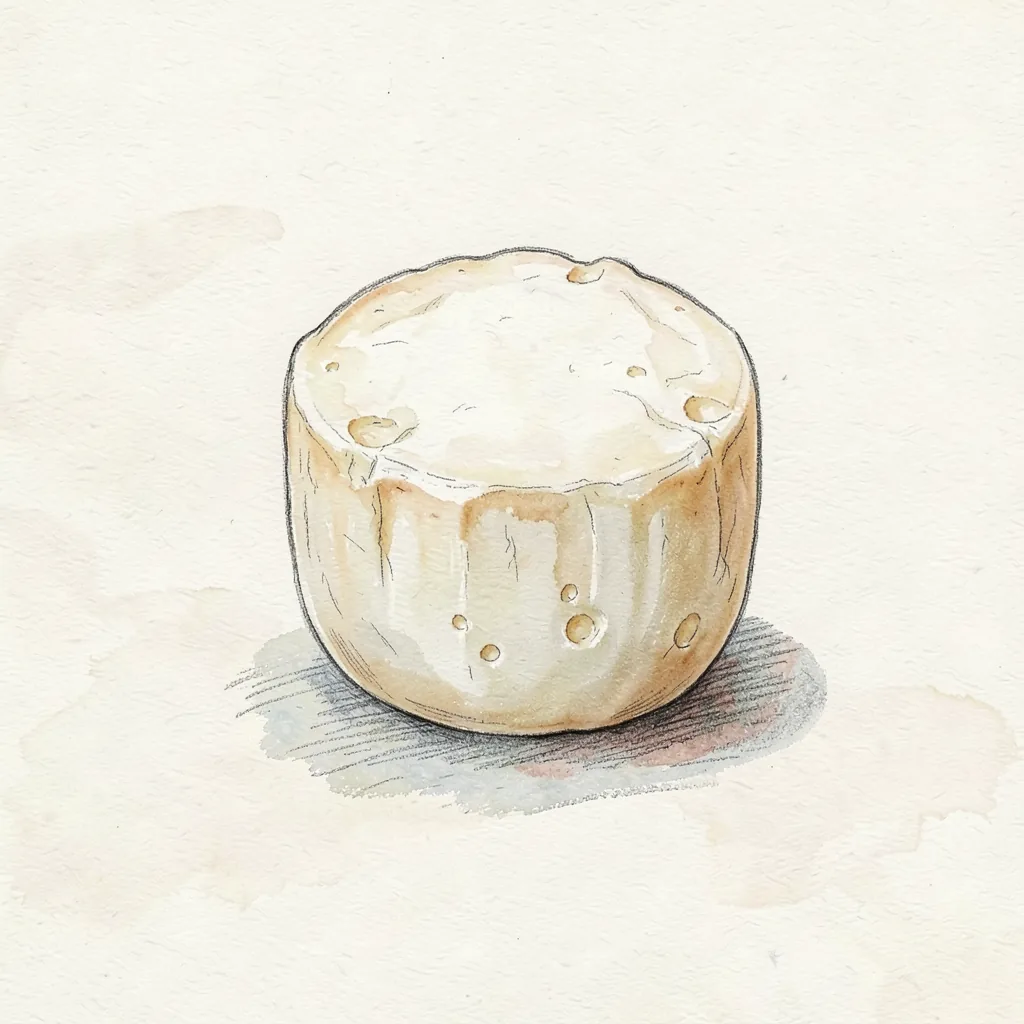
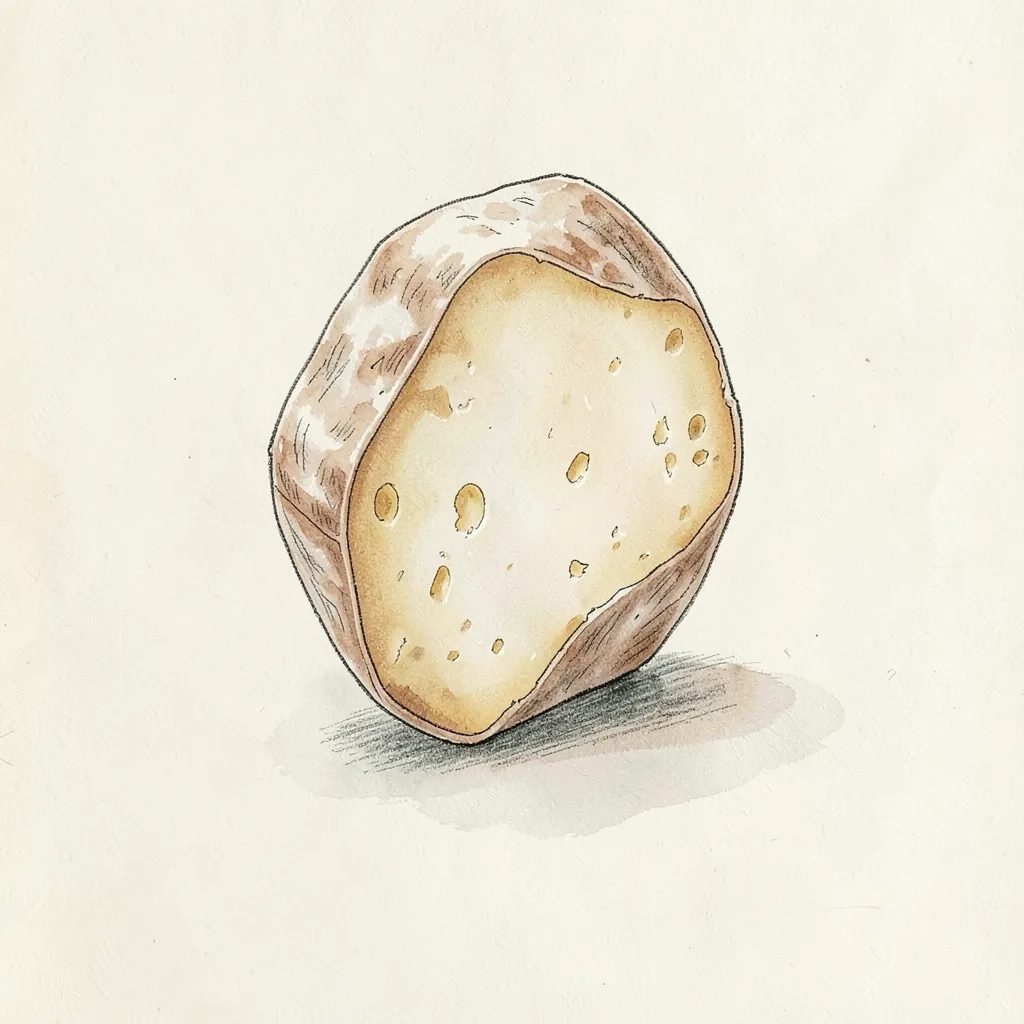
The name comes from a local word for buttermilk, the liquid left after butter was churned. Early batches used that buttermilk with fresh milk, which gave farm kitchens a way to use what butter making left behind. A white, fluffy coat covers the dome, and the paste inside runs from ivory to pale yellow. Peppercorns should be visible when the cheese is cut.
Young Gaperon tastes tart, and the garlic is already clear on the first bite. With more time the body turns softer and more buttery, while the pepper and garlic grow louder. The cheese is sold through the year, because the seasoning, not one season of milk, defines the style. It belongs on bread or a board more often than in a long-cooked dish. A dome is easy to spot beside plain soft cheeses that carry no spice.
History
Farmers in France made Gaperon as a practical cheese, not as a showpiece for a wealthy table. Buttermilk was plentiful where butter was churned, and mixing it with milk produced a curd that could take a strong flavor. Garlic and pepper were worked into that curd so a lean cheese still tasted lively. The domes were tied and hung so they could dry in the air of a kitchen or a store room. That hanging shape is still part of how the cheese is recognized.
The old link to buttermilk explains the name, even though many dairies now use fresh milk rather than buttermilk. The garlic and pepper stayed, because without them the cheese would be a plain soft dome. Makers still form the curd into that rounded shape and let a white coat develop on the surface. Some pieces are tied with a ribbon when they are given as a gift, a habit that recalls the hung cheeses. The style remains a French country cheese with bold seasoning.
How it is made
Cow's milk, sometimes together with buttermilk, is set and drained until the curd is thick enough to shape. Garlic and cracked pepper are mixed through the curd, not only rubbed on the outside at the end. Salt goes in, and a white mold culture helps the coat form while the cheese rests. The curd is then shaped by hand into a dome, which is the form shoppers expect. That dome is smaller than a brie wheel and easier to finish at one meal.
The domes rest while the coat turns white and velvety, and a few gray or blue spots can appear as they age. Young cheese is softer and more tart, with the garlic still bright. A longer rest firms the paste a little and deepens both the garlic and the pepper. The rind is thin and is usually eaten with the paste. Peppercorns should show in the cut face, and the garlic should smell fresh rather than stale or harsh.
Taste
Garlic hits first, then cracked pepper, and then the milky body underneath those two. A young dome is bright and a little sharp, with a lactic tang that keeps the fat from feeling heavy. The paste can feel springy, or slightly grainy, before it relaxes on the tongue. As it ripens, butter and a rounder dairy taste fill in around the spice. The pepper stays warm rather than fiery when the cheese is balanced.
Season and feed can shift the color of the paste from ivory toward pale yellow, and they do not remove the garlic. That spice is the point of the cheese, so a mild dome with no pepper is not the style. A piece that smells only of damp rind, with no garlic at all, is probably a different soft cheese. Let it warm a little so the fat softens and the seasoning opens. The coat adds a light mushroom note beside the pepper.
In the kitchen
Slice Gaperon onto country bread, or set a wedge on a board with radishes and a firm apple. Cubes can go into a green salad or onto potatoes while the potatoes are still warm. The garlic means you may not need more seasoning in a simple dish, and the pepper already gives heat. It can soften over vegetables, but it is not a stretchy cooking cheese like a firm melting block. Keep the heat gentle so the pepper does not turn bitter.
Because the dome is small, one cheese often serves a few people at the start of a meal. Cut from the center so each slice keeps rind, paste, and visible pepper. Wrap the cut face, since the garlic odor moves into other food in the same box. If the coat is very damp, pat it dry before you serve it. Pair it with plain bread and a simple drink, and skip sweet jam if you want the pepper to stay clear.
Around the world
Gaperon is a French specialty, and most of it is eaten in France. Cheese shops abroad sometimes carry a dome when they stock seasoned French cheeses rather than only plain bloomy wheels. The label should mention garlic and pepper, and the shape should be a dome rather than a flat disc or a log. Cow's milk is the usual base, and the coat should look white and soft. If a shop offers only a garlic spread in a tub, that is a different product.
Boursin is the cheese people reach for when they want garlic and herbs and cannot find a dome. It is softer and more uniform, and it lacks the rind of a cheese that once hung to dry. Belper Knolle is another peppery, garlicky cheese, but it is a small firm ball, not a French bloomy dome. Use either only when the dish needs the seasoning more than the exact texture. A plain bloomy cheese will not taste like Gaperon unless garlic is added.