Sheep
What it is
The name is a diminutive of the Maltese word for cheese, and English speakers often call the pieces cheeselets. Each piece is only a few bites, with a rounded shape that comes from a small basket mold. Makers sell it fresh, air-dried, or coated with black pepper. Sheep's milk defines it, and the taste changes with the way the piece is kept.
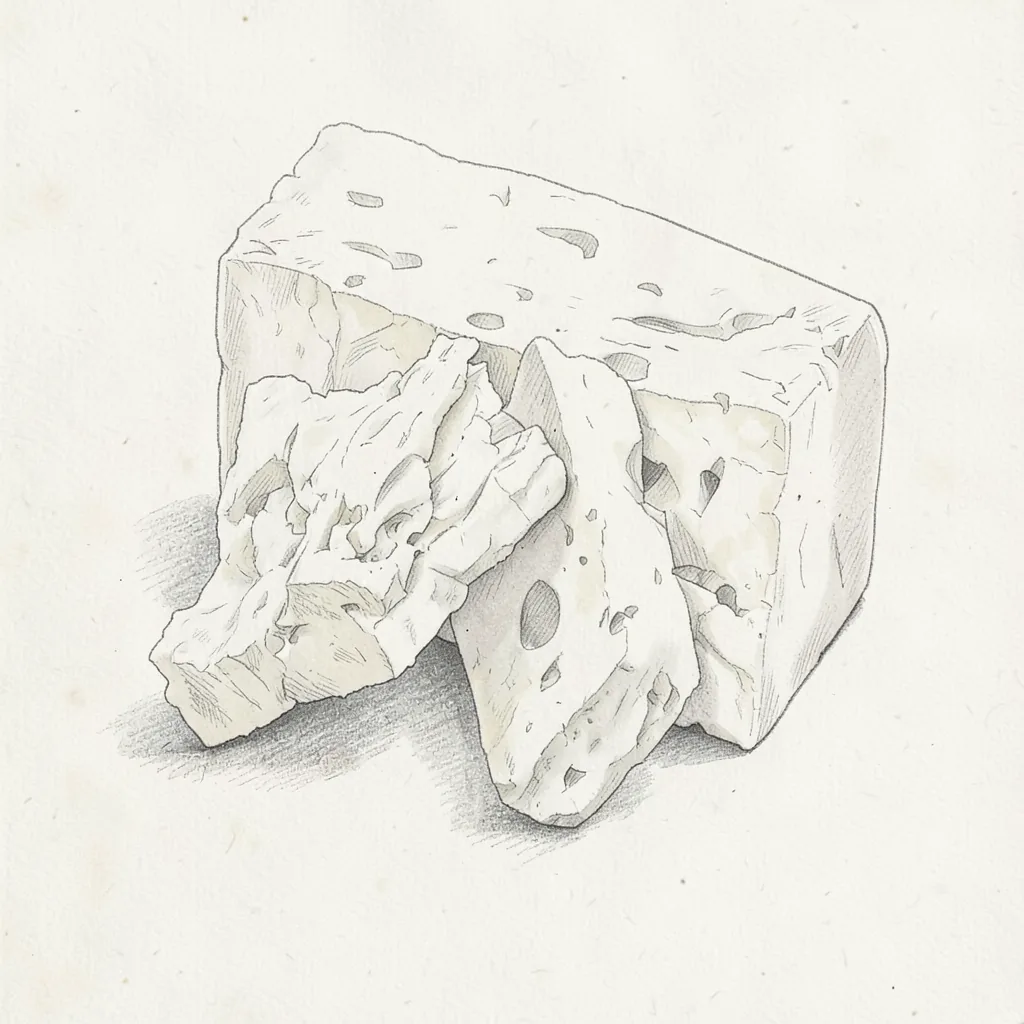
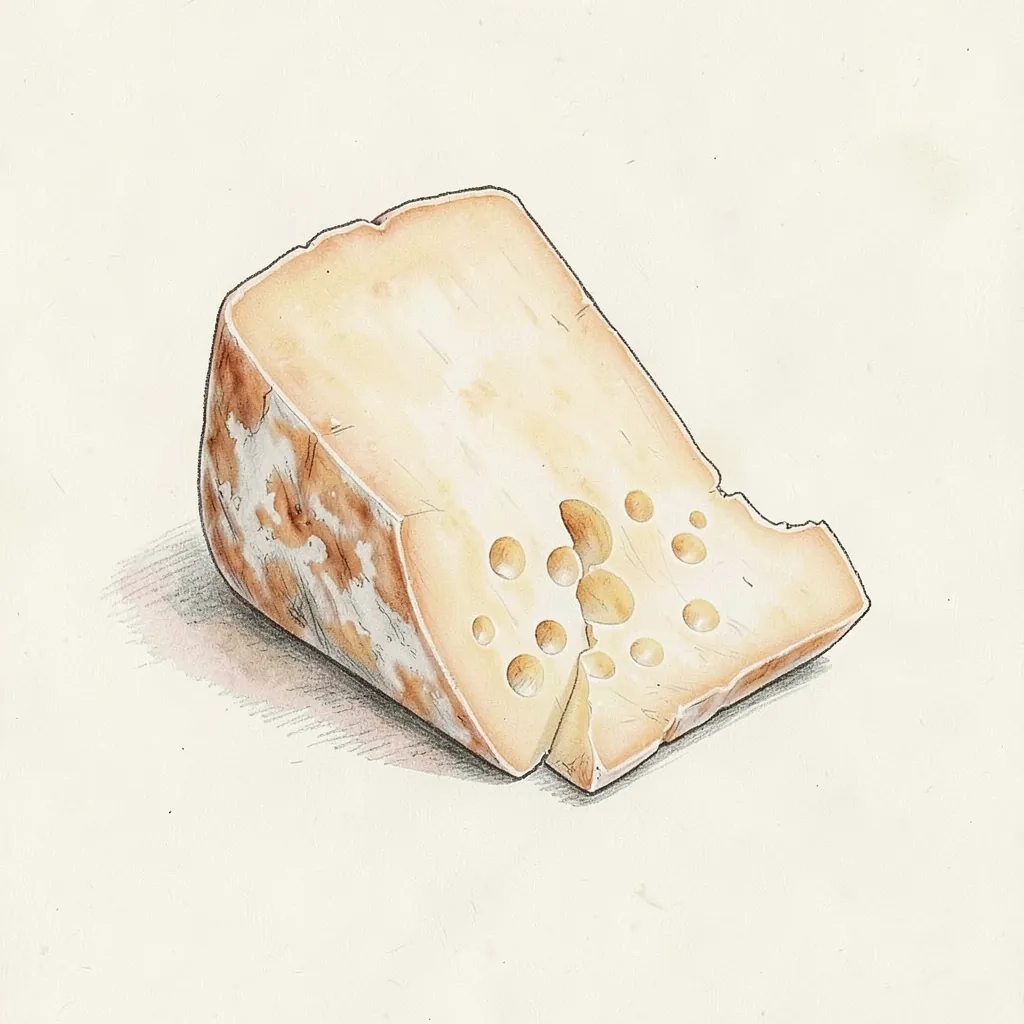
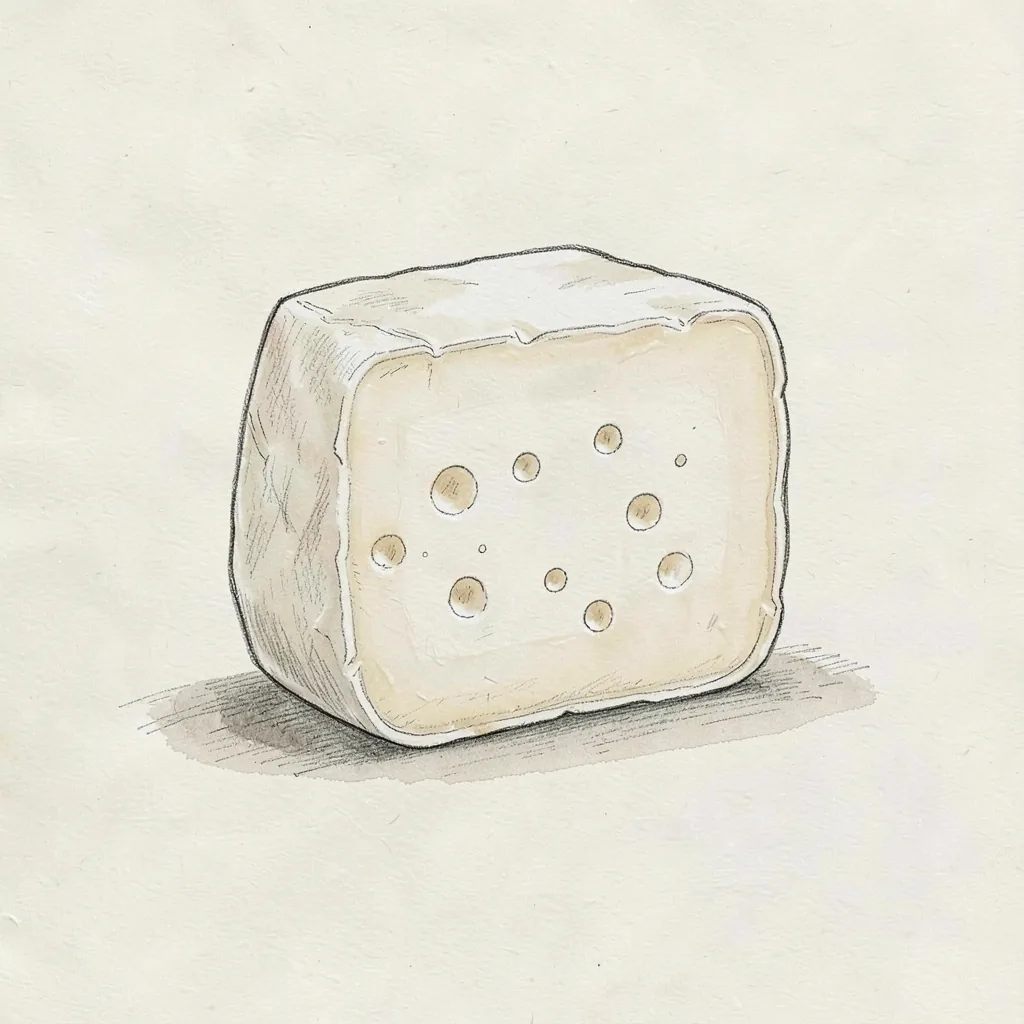
A fresh cheeselet is soft, white, and milky, sometimes sitting in a little whey. A dried cheeselet turns firmer, saltier, and easier to crumble or grate. The peppered form is dried cheese rolled in crushed black pepper, and it can be sharp enough for a small plate on its own. All three are everyday food in Malta, not one factory style. Choose the form that matches the dish, because they do not cook the same way.
History
Ġbejna grew up with sheep keeping in Malta, where a small cheese was a practical way to use milk from small flocks. Shepherds set the milk with rennet, drained it in little molds, and ate it fresh or dried it so it would keep in a warm climate. Pepper, and sometimes a vinegar bath, were further ways to hold the cheese for later. The habit stayed in home kitchens and on farms. It is still one of the foods people in Malta point to as their own.
The fresh, dried, and peppered forms are old answers to the same milk, not new inventions. Fresh cheese uses the milk at once, and drying concentrates it when there is more than a household can eat right away. Pepper and a pickling step stretch the supply further and add a spicy crust. Plastic molds are common now, though older molds were made of dried reeds. The cheese remains small, made from sheep's milk, and tied to Malta.
How it is made
Sheep's milk is warmed and coagulated, traditionally with lamb rennet, then the curd is placed in small basket molds. The molds give the cheeselet its shape and let the whey run off. Salt is part of the make, though a fresh piece is only lightly seasoned. After draining, the cheese can be eaten at once, often while it is still moist. That fresh form is soft, with no real rind to cut away.
For the dried form, the cheeselets are set in a ventilated space until the paste firms and the surface dries. Some are rubbed with more salt as they dry. Peppered cheeselets are dried, then rolled in crushed black pepper, and they may be kept in vinegar or oil so the flavor grows sharper. The pepper is a coating, not a mix through the paste. The keeper chooses fresh, dry, or peppered, and that choice finishes the cheese.
Taste
Fresh ġbejna tastes sweet and milky, with a light salt note and a clean sheep aroma that stays gentle. The texture is soft and moist, closer to a young fresh cheese than to a crumbly aged one. It should not be bitter. A dried cheeselet is nuttier, a little acidic, and more savory, and the paste breaks rather than spreads. The sheep character is easier to notice once water has left the cheese.
Peppered ġbejna adds heat from the black pepper and a sharper edge if it has sat in vinegar. The color moves from white in the fresh cheese toward ivory or straw as it dries. Aroma stays fairly quiet in the fresh piece and becomes spicier in the peppered one. None of the forms is a blue cheese or a washed rind cheese. Salt and pepper do the extra seasoning, so the milk still shows through.
In the kitchen
Fresh cheeselets go into Maltese soups, where the soft pieces warm in the bowl and stay in soft bites. They also sit on bread with tomato, oil, and olives. A light hand keeps the mild milk taste from getting lost under garlic or a heavy dressing. Dried cheese can be crumbled over pasta or a salad. It does not need to melt to be useful, and a small piece is enough to salt the plate.
Peppered ġbejna is strong enough for a small board serving with bread, and a little piece seasons a sandwich. Do not grill these cheeses, because the small soft forms slump or dry out. If you only have the fresh cheese, do not expect it to grate like the dried one. If you only have the peppered one, do not drop a large piece into a mild soup. Keep fresh cheese cold and eat it soon, and keep dried cheese wrapped and away from moisture.
Around the world
Outside Malta, ġbejna is still a specialty. Visitors usually meet it on the islands, in a sandwich, a soup, or a small plate of the peppered cheese. Maltese shops abroad and some Mediterranean grocers carry it when supply allows, often the dried or peppered form because it travels better than the fresh one. A package should say it is sheep's milk cheese from Malta. A generic cheeselet from another country is not the same food.
If you cannot find it, use a fresh sheep's milk cheese for the soft form and a firm, salty sheep's milk cheese for the dried form. Feta is saltier and wetter than a dried cheeselet, so use less and drain it. A young pecorino can stand in when you need something to crumble, though it is usually firmer and sharper. Tell guests which form the recipe expects. Fresh, dried, and peppered ġbejna share a name and still ask for different handling.