Sheep
What it is
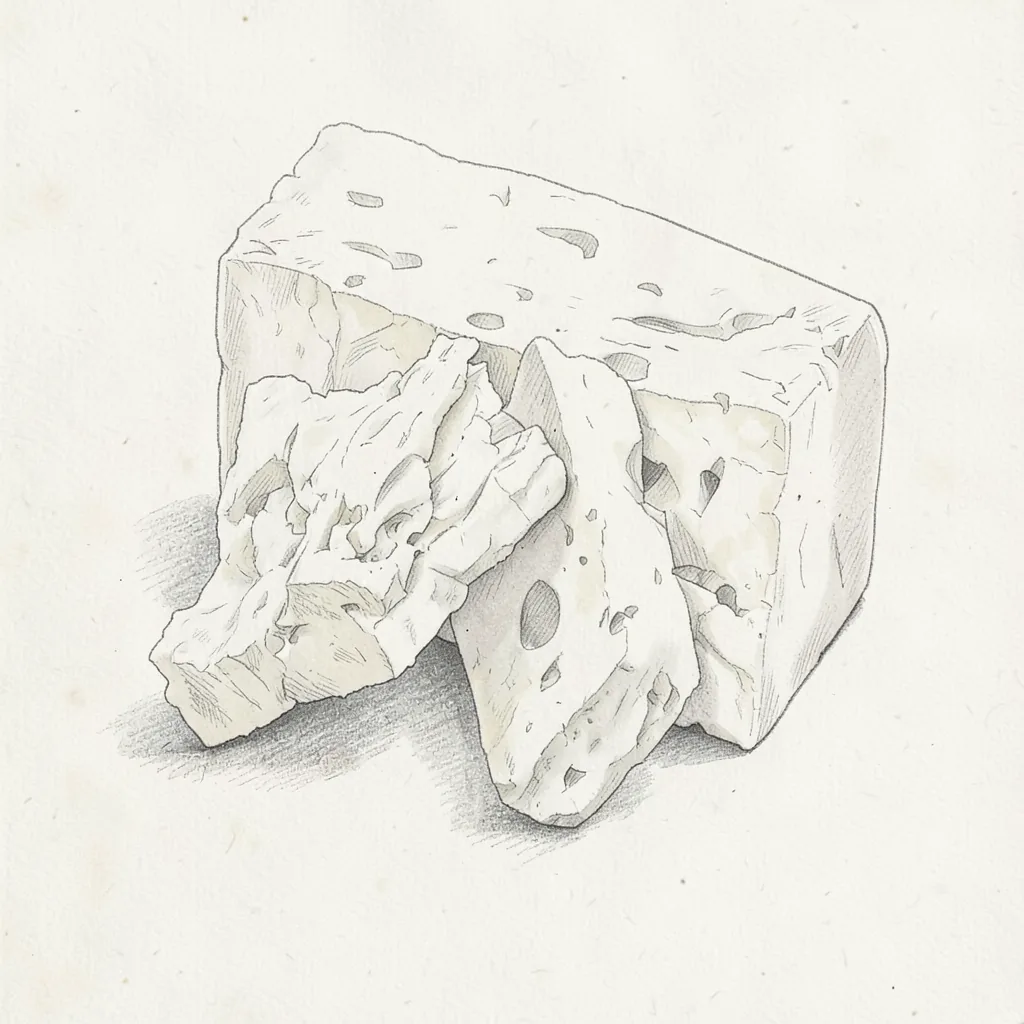
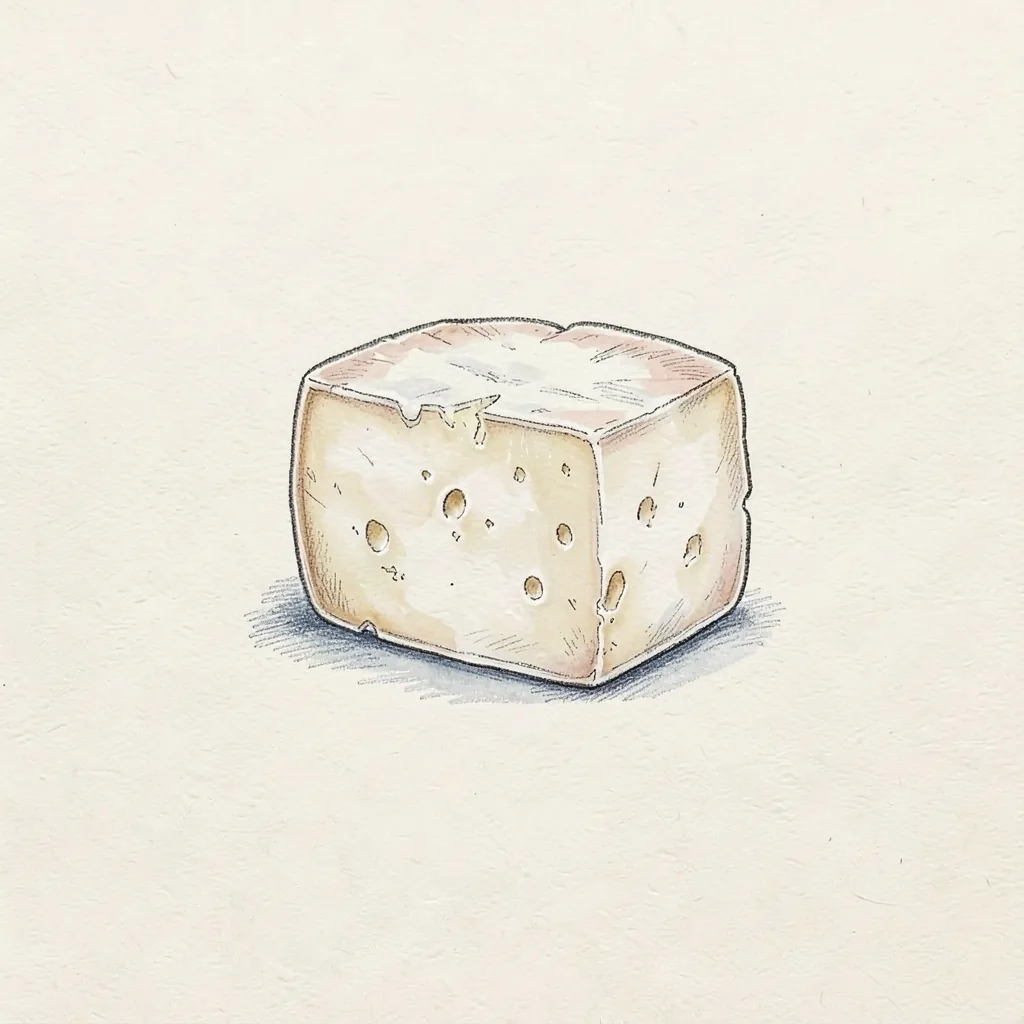
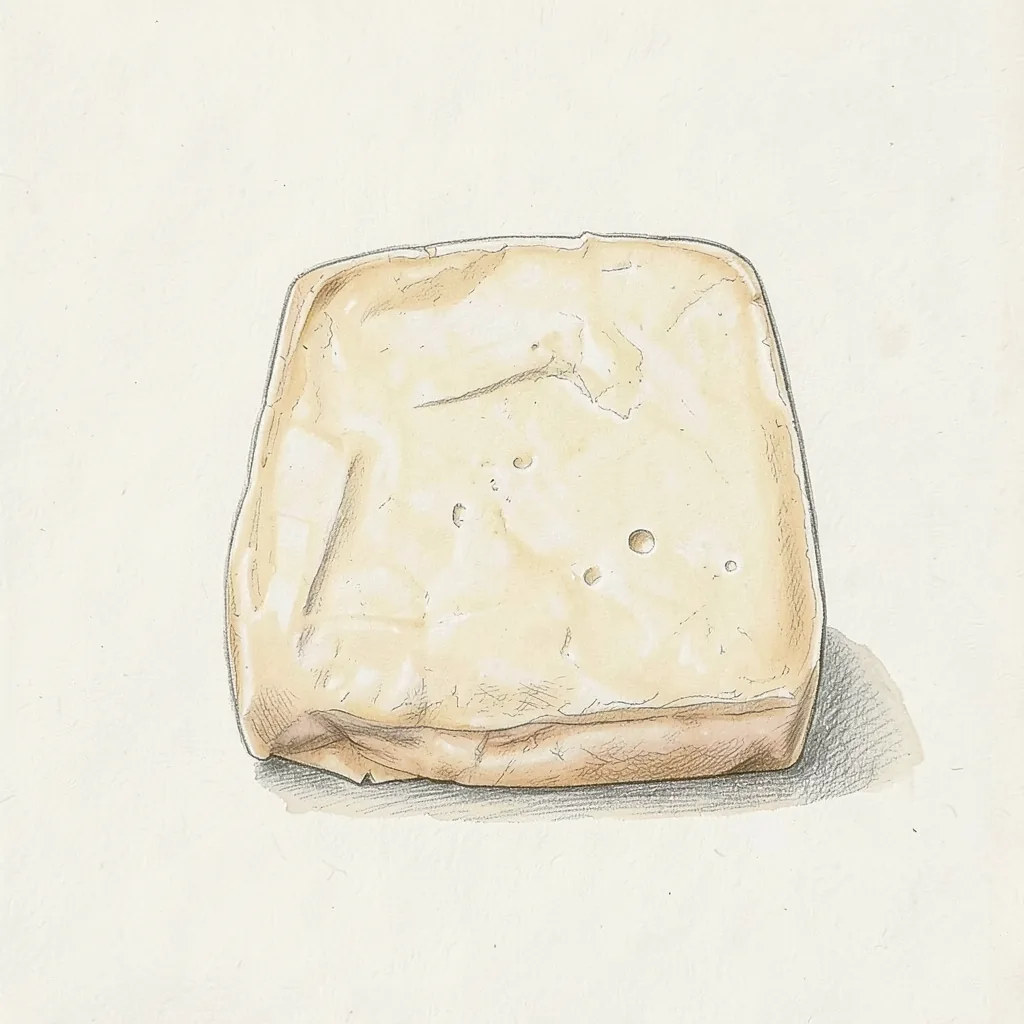
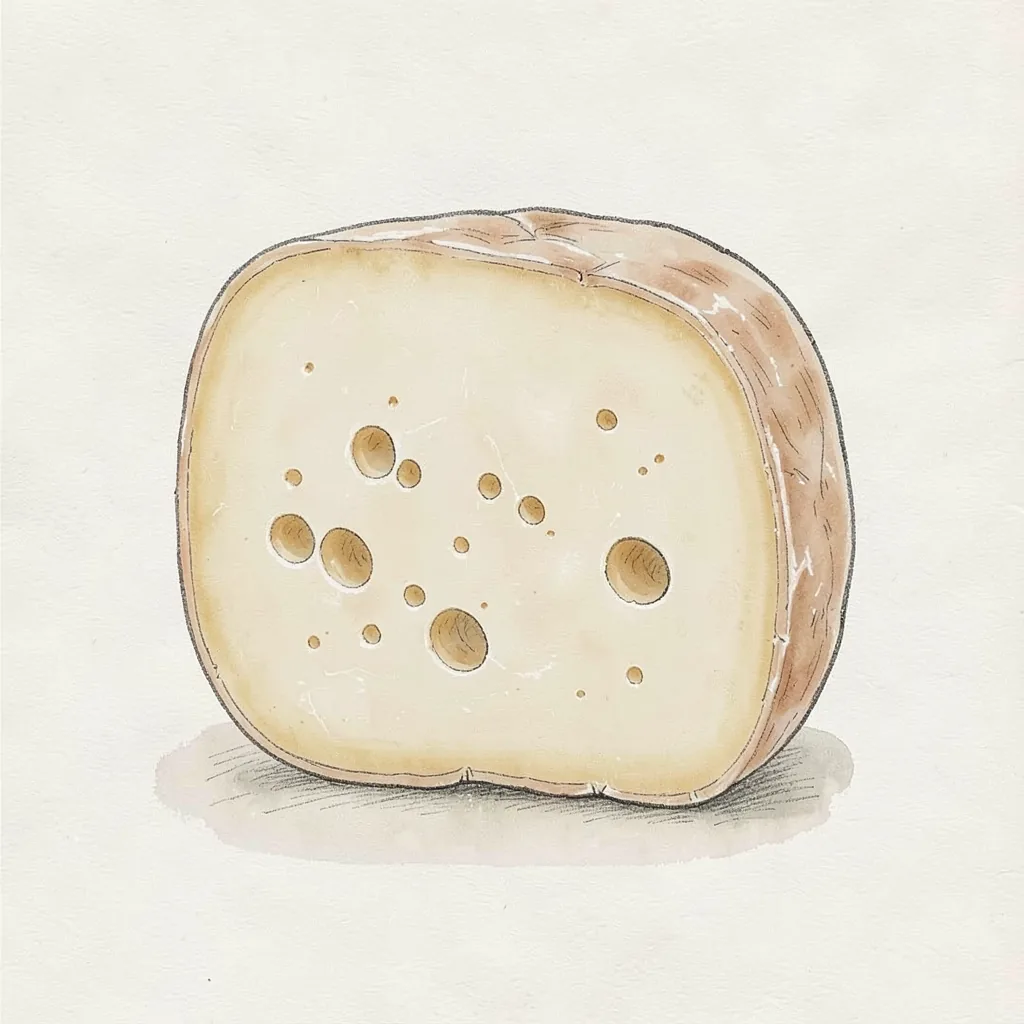
The paste is moist, pale, and free of any rind. A cold piece slices cleanly, and a softer piece crumbles under a fork. Salt from the brine is part of the flavor, together with a light tang. People eat it plain with bread, and they also tuck it into simple savory dishes.
It sits with the salty white cheeses of southeastern Europe, but the Romanian name and the sheep's milk tradition set it apart. It is not a hard grating wheel, and it is not a soft bloomy round. A piece from a fresh tub tastes milder than a piece that has rested longer in brine. Both are still Telemea. The change is extra salt and a slightly firmer break, not a new recipe.
History
Sheep's milk cheese kept in brine has long been everyday food in Romania. Households and small dairies salted fresh curd so it would last beyond the day it was made. Telemea is the name shoppers now expect for that white cheese. It shows up at breakfast, in a packed lunch, and on a plain plate with bread. No single town claims the style, because it belongs to the country as a whole.
The cheese stayed close to home cooking rather than to a formal show table. Recipes treat it as a salty staple, not as a rare wheel saved for guests. Makers still sell it wet, in blocks or in tubs of brine. That packing shows how to store it and how salty a batch may be. Neighboring countries have their own brined cheeses, and Romanian cooks still ask for this one by name.
How it is made
Makers warm sheep's milk and set the curd with rennet. They cut the mass, drain off the whey, and shape the curd into blocks. Salt is mixed through the curd or rubbed on the surface, and the blocks then rest in brine. The brine seasons the cheese all the way through, not only on the outside. There is no rind to grow and no mold to bloom across the face.
A shorter stay in brine leaves a milder and softer block. A longer stay pulls in more salt and firms the paste a little. The outside stays the same bright white as the inside. Some batches are drained more before packing, so one piece can feel wetter than another. The method stays plain, which is why the taste stays direct and easy to recognize.
Taste
The first taste is salty, milky, and lightly sour. Sheep's milk adds a faint grassy note that lingers after the salt fades. The paste feels moist, not creamy like a spoonable cheese, and not dry like a long-aged wheel. It breaks into small crumbs under a knife. Nothing smoky, herbed, or sweet belongs to the basic cheese, so the dairy flavor stays clear.
A younger piece is gentler and a bit more milky. A piece kept longer in brine tastes sharper and saltier, with a clean finish. Heat softens the crumbs and can brown the edges, but the cheese does not turn into a smooth melted sheet. The salty dairy flavor remains easy to name. If a bite tastes harsh, the brine was strong, and a brief rinse can calm it.
In the kitchen
Crumble it over tomatoes, cucumbers, and onions, or fold it into a pie with greens. It is good on bread with no other cheese beside it. In a hot dish, use it where you want salty pockets rather than a smooth cheese sauce. A short bake can brown the top of a casserole or a pastry. If a block tastes very salty, rinse it under cold water before it goes into the pan.
Keep the cheese in its brine until you need it, or the surface dries and the taste turns harsh. It is a poor choice for a grill, because it softens and can fall through the bars. Pair it with pickles, roasted peppers, or a plain green salad. It can replace other white brined cheeses when a recipe asks for a salty crumble. Go easy with extra salt in the same bowl or pan.
Around the world
Outside Romania, Telemea is less common than feta, but the idea of a salty white cheese is easy to grasp. Shops that carry Balkan foods are the usual place to find a real tub. In a mixed case it can look like any brined block on the shelf. The name on the label matters, because a cheese from a neighboring country is not the same product. Travelers meet it at breakfast and in home-style meals.
Cooks abroad buy it for Romanian recipes, and they reach for feta or sirene only when the real cheese is missing. It will not stretch on a pizza, and it will not grate like a hard aged wheel. A small piece on a board shows the moist crumble better than a picture does. If the label does not say Telemea, treat the block as a different brined cheese. Sheep's milk is the detail worth reading for on the pack.