Cow
What it is
The name means grass cheese. It is made from the first milk after cows leave winter housing and eat fresh spring pasture. That milk is rich from the new grass, and the cheese made from it is mild, creamy, and a little sweet. It is a seasonal Gouda-style cheese, sold young rather than aged into a hard, sharp wheel for grating.
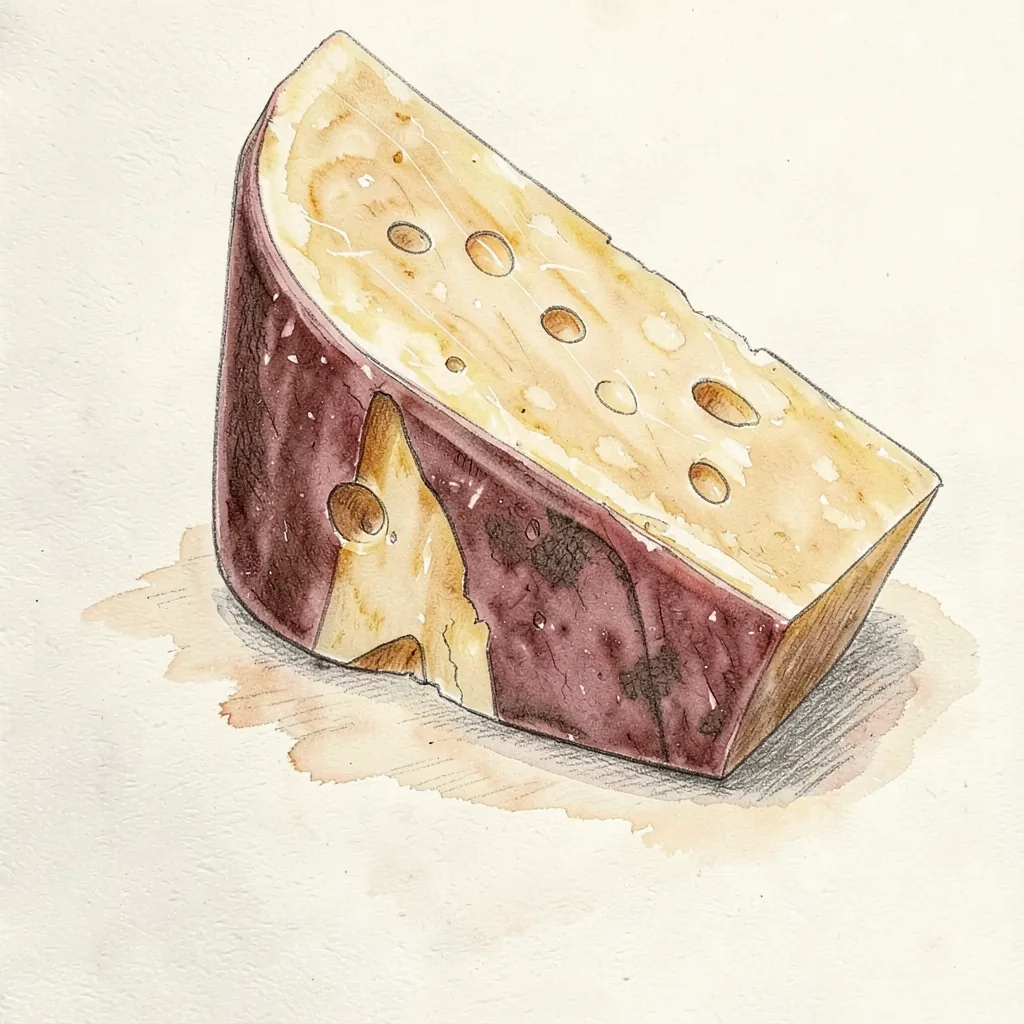
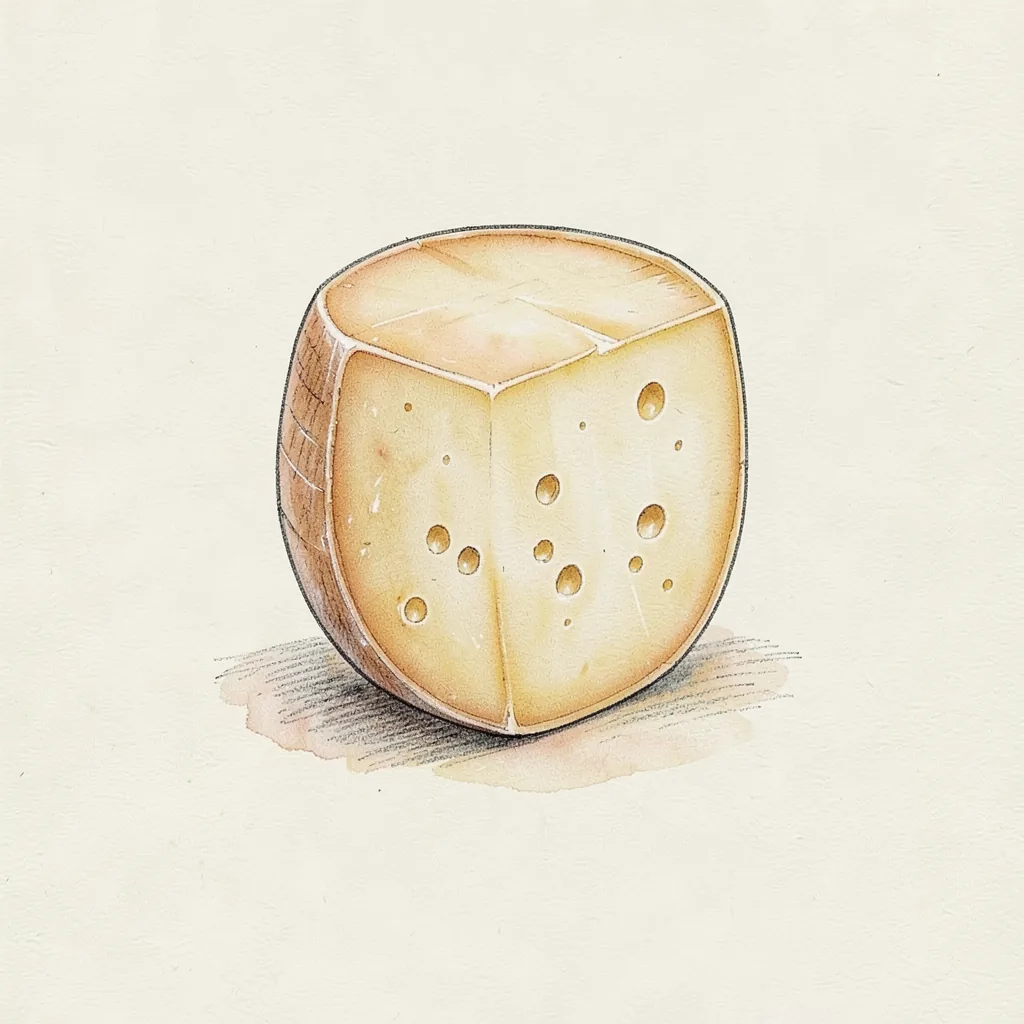
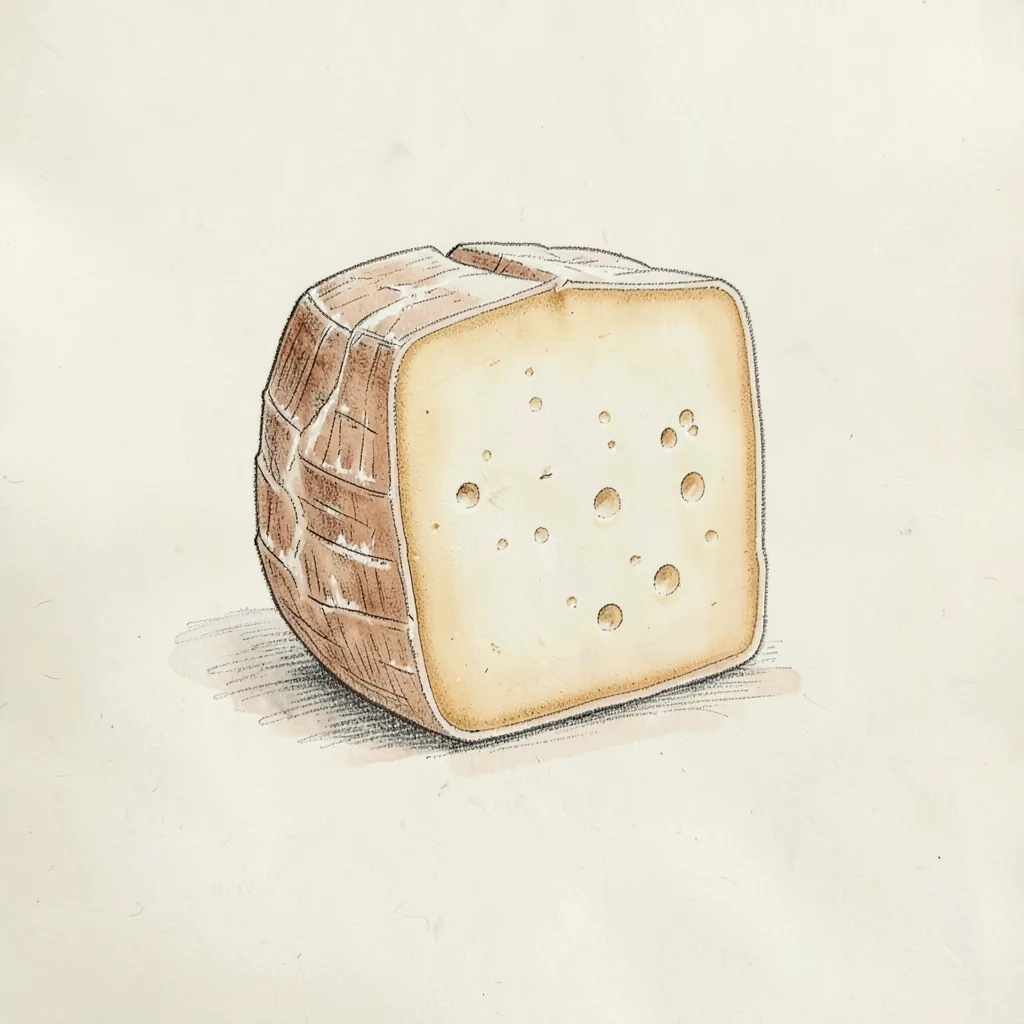
The paste is supple and springy, paler or a soft gold, and easier to slice than a long-aged Gouda. Eyes, if any, are small and do not dominate the slice. The flavor is fresh and buttery, with only a hint of the butterscotch that appears in older Dutch cheeses. There is little sharpness. People buy it in late spring and early summer, when the new grass milk is in the vats.
History
Dutch cheesemakers have long noticed that milk changes when cows go back to grass. Graskaas is the name for cheese from those first pasture milkings. Cheese from barn feeding has its own old name, hooikaas, or hay cheese. A related spring cheese, meikaas, is kept even less time. The distinction is the milk and the short rest, not a separate animal or a new recipe family.
The cheese was a market food tied to the season, not a brand. When spring came early, grass cheese could reach town markets sooner, and when spring came late, it waited. Dairies still treat it as a limited run. Some well-known Gouda makers sell a wheel under this name each year. The idea remains the same: young cheese, new grass, and a mild taste.
How it is made
Cows that spent the winter indoors go out to fresh pasture, and the first milk from that grass is set aside for this cheese. Makers follow the usual Gouda method. They curdle the milk, cut the curd, wash it, and press it into wheels. Salt is added in brine or by another usual Dutch method. The cheese is not held for the long aging that turns Gouda hard and sharp.
Because the milk is from new grass, the paste can look a little more golden and taste a little richer than a winter cheese of the same age. The wheels are sold while still supple. A short ripening keeps the flavor mild and the texture springy. There is no blue mold, no ash coat, and no smoked skin. Once the season of new grass ends, this particular milk is gone until the next spring.
Taste
Graskaas tastes mild, sweet, and creamy, with a fresh dairy note that comes from the new grass milk. Butter, a light tang, and a soft finish come before any sharp edge. A faint butterscotch or caramel hint may show, the start of the flavor that grows stronger in aged Gouda. Salt is moderate and does not dry the paste. Nothing in the taste is smoky, blue, or bitter, which is why it suits people who avoid strong cheese.
The texture matters as much as the flavor when you taste a slice. A good piece feels supple, moist, and a bit elastic, not crumbly and not chalky. If it tastes flat or muted, it may have been kept too cold. If it tastes sharp and full of crystals, it has left the young grass-cheese stage. Warm a slice briefly so the sweet milk note can open up.
In the kitchen
Eat Graskaas in slices on bread, or set it on a board with fruit and a few nuts. It also melts smoothly in a sandwich, a sauce, or a simple potato dish. Because the flavor is mild, it will not cover delicate foods. Use it when you want creaminess more than a sharp bite. Aged Gouda is the cheese to choose instead if you need a dry piece for grating.
Cut the wheel when it is cool, then let slices warm a little. The paste can feel springy, so a sharp knife helps. It browns gently in a pan but will not stretch like a pasta-filata cheese. Keep leftovers wrapped so the surface does not dry and crack. Finish the piece while it still tastes sweet, because this style is not meant to sit and turn sharp.
Around the world
Graskaas is a Dutch seasonal cheese, most common in the Netherlands and in shops that import young Gouda. Buyers outside the country often meet it as a spring special from a Dutch brand. It is easy to confuse with ordinary young Gouda, which is made through the year from milk that is not limited to the first grass. The label should say graskaas or grass cheese if that seasonal milk is the point. A plain young Gouda with no mention of grass is a different purchase.
Young Gouda is the right substitute for melting and for a mild board when grass cheese is out of season. Edam is a bit leaner and can fill a similar role on bread. Beemster is a well-known Dutch cheese in the same broad family, and some of its young wheels are grass cheese, but the brand name alone does not mean the piece is graskaas. Ask whether the milk was the first pasture milk of the season. If the answer is no, you are buying a different young cheese.