Cow
What it is
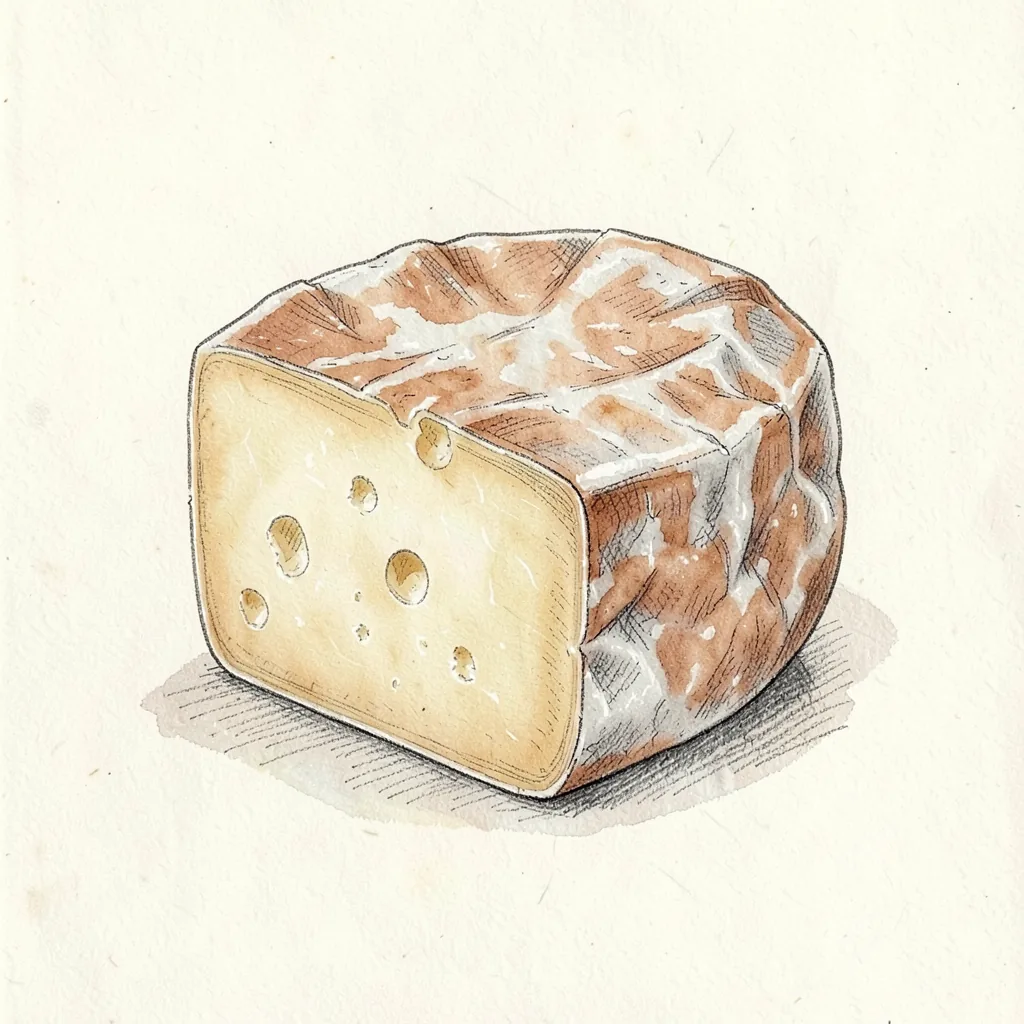
The paste is pale yellow, smooth, and flexible, and a waxed rind protects the wheel. The taste is mild, slightly sweet, and nutty, closer to a gentle alpine cheese than to a sharp aged one. It is a Swedish table cheese, not Emmentaler from Switzerland and not a Norwegian Jarlsberg, even though the open texture looks related. Swedes use it for both cold slices and cooking.
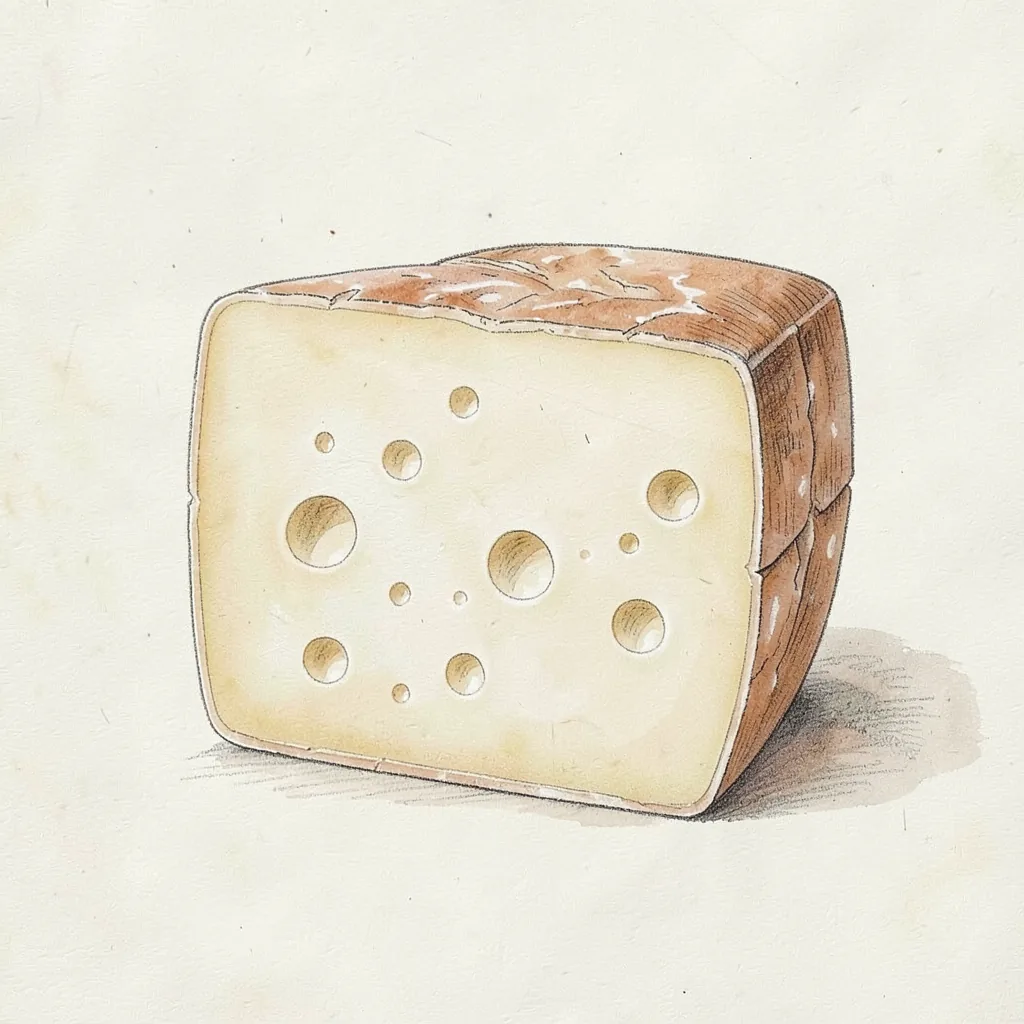
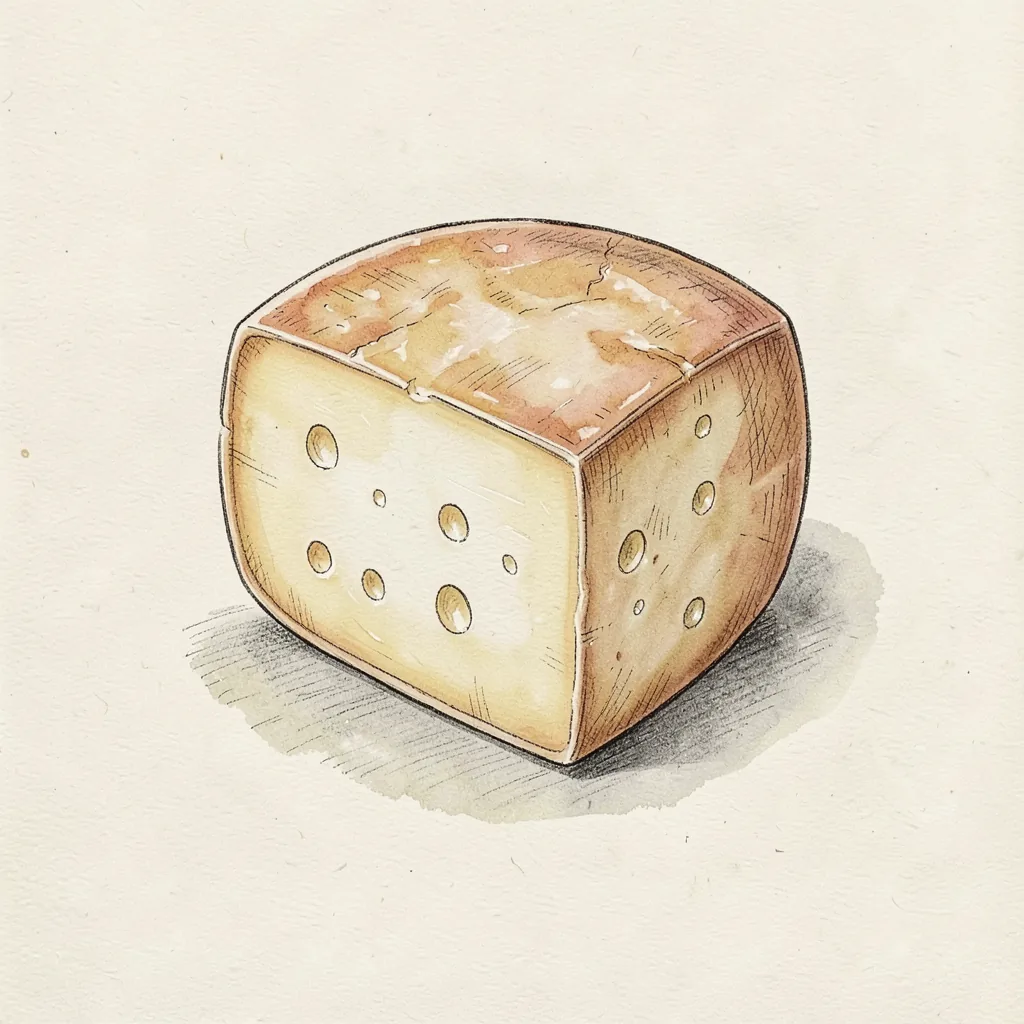
Grevé sounds like the Scandinavian word for a count, though the cheese name is not a title. The wheel itself is what matters: a pale, open paste with a sweet nut taste. Eyes form during ripening when gas gathers in round holes. A younger piece is milder and more elastic. More time deepens the nut flavor and firms the slice a little, while the cheese stays on the gentle side.
History
Grevé was developed in Sweden as a home-grown cheese in the open, nutty style that shoppers already knew from alpine wheels. Dairies wanted something mild enough for everyday bread and still interesting on a board. The large eyes and the sweet tone became the signature. Production stayed in Sweden, and the name came to mark that specific cheese rather than every Swedish wheel with holes. It now sits among the country's standard sliced cheeses.
Herrgård is the other familiar Swedish cheese with eyes, and the two are easy to confuse at a glance. Herrgård is usually milder and a little tighter in texture. Grevé aims at a sweeter, nuttier taste and at larger, rounder holes. Both belong to the same broad northern European family as Emmentaler and Jarlsberg, but each has its own balance. Knowing the name on the pack matters more than counting the holes.
How it is made
Dairies make Grevé from cow's milk, with a starter that includes the cultures used for eye formation. Rennet sets the milk, and the curd is cut, stirred, and warmed so it will press into a smooth body. The cheese is salted, formed into large rounds, and sealed, often under wax. During ripening, the cultures make carbon dioxide, and that gas opens the round eyes. The paste around those eyes stays closed and even.
Wax helps the wheel keep moisture while the eyes develop. Makers watch the ripening so the holes stay round and well spaced rather than split into cracks. Too fast a ferment can ruin the look, so the room is kept steady. When the cheese is ready, the interior is pale and flexible, and the sweet nut taste has had time to come forward. The wheel is then cut for retail slices or larger wedges.
Taste
Grevé tastes sweet before it tastes salty. The main notes are cooked milk, hazelnut, and a light butteriness, with a clean finish. Fruit-like sweetness sometimes shows, the same gentle sweetness people notice in other cheeses with large eyes, and it never turns sugary. There is little bitterness and little farmyard edge. The paste feels smooth and slightly springy, a slice bends before it breaks, and salt stays quietly behind the nut flavor.
A longer-ripened Grevé keeps the same character and turns it up. The nut note is clearer, the sweetness is deeper, and the paste is a shade firmer. Eyes may be larger, but size alone does not prove quality. A good piece smells warm and milky, not sour or soapy. If the flavor is flat or the holes are ragged cracks, the wheel was not finished well, so look for an even, glossy cut face.
In the kitchen
Grevé is a daily Swedish cheese for open sandwiches on rye or crisp bread. Thin slices go with cucumber, tomato, and cold cuts, and the sweet nut taste stays pleasant when the bread is hearty. It also melts well in a cheese toast, a sauce, or a potato gratin. The eyes collapse as it heats, and the paste turns smooth. Use moderate heat so the cheese softens instead of separating.
On a board, Grevé plays a mild role next to sharper cheeses and pickles. Pears, apples, and walnuts match the sweet side. It grates easily for a weeknight pasta or a vegetable bake, though it will not give the savory punch of a long-aged hard cheese. Cubes can go into a salad if the other ingredients are not too delicate. Because the flavor is friendly, it is a safe cheese for a mixed group.
Around the world
Outside Sweden, Grevé is less known than Jarlsberg or Emmentaler, and many grocers do not label it clearly. Scandinavian shops and some larger cheese counters are the likely places to find a wedge. People who see the holes may assume it is Swiss. It is not. The sweetness and the softer body give it away once you taste it, and the country on the label should say Sweden.
Jarlsberg is the easiest substitute, with a similar sweet, nutty, open paste. A mild Emmentaler or a Maasdam can also fill in for sandwiches and melts. Herrgård, if you can find it, is the Swedish neighbor, though it is usually gentler and less showy in the eye. None of these is a perfect copy. Choose the one that is mild and elastic, and avoid a very old, sharp wheel.