Cow
What it is
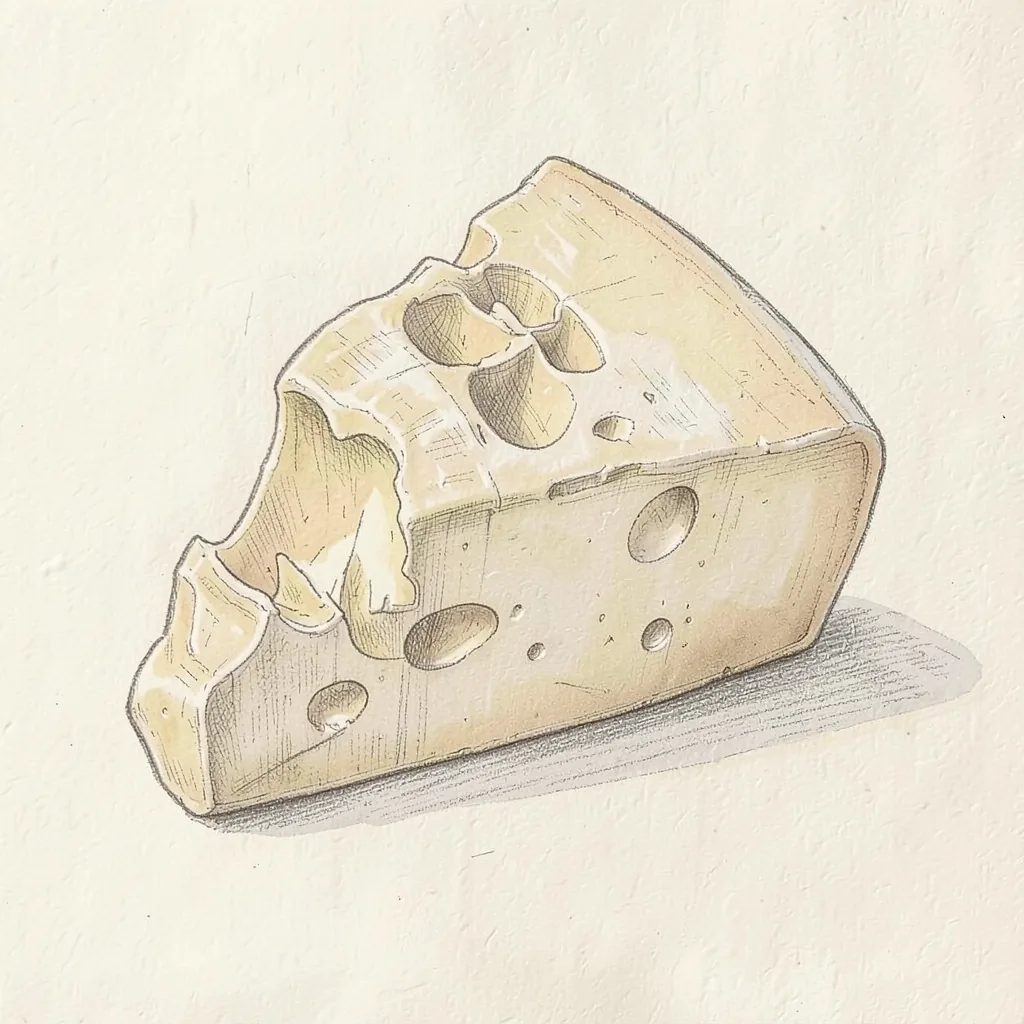
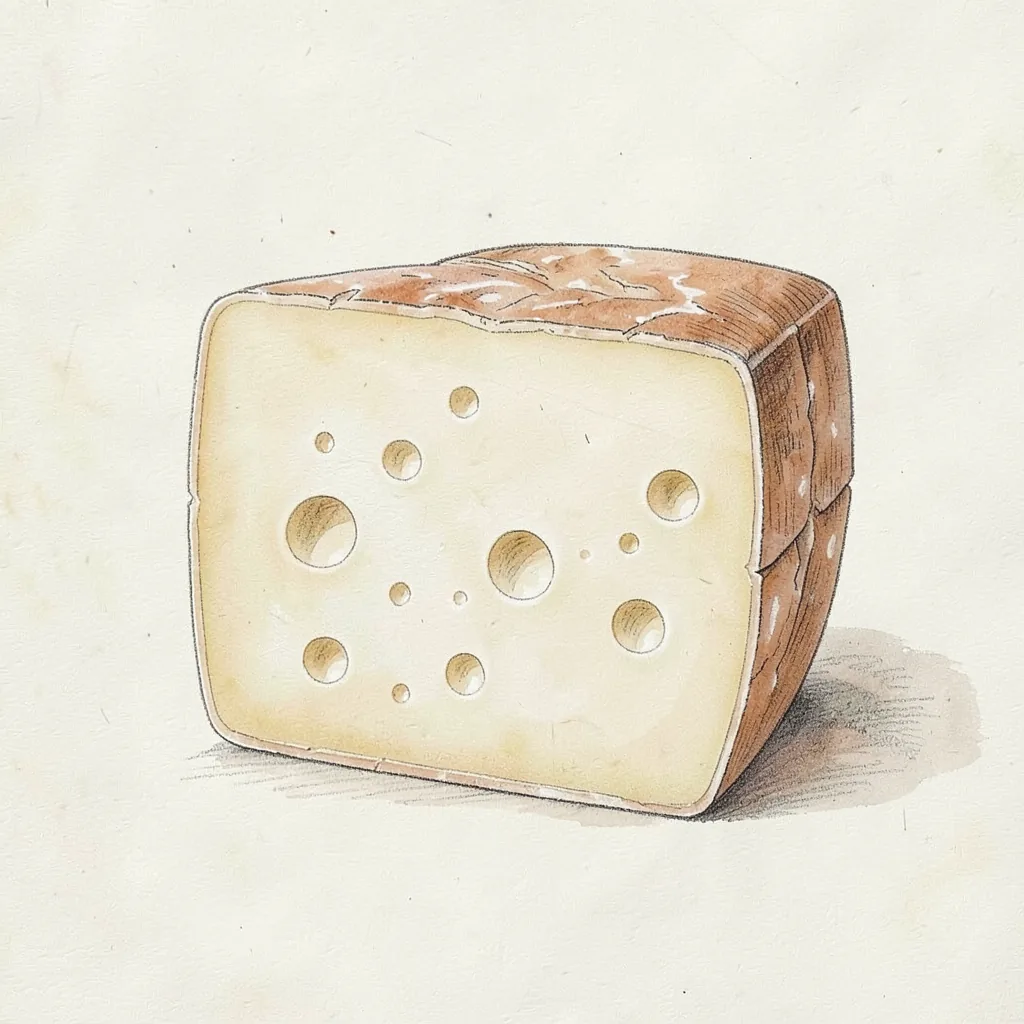
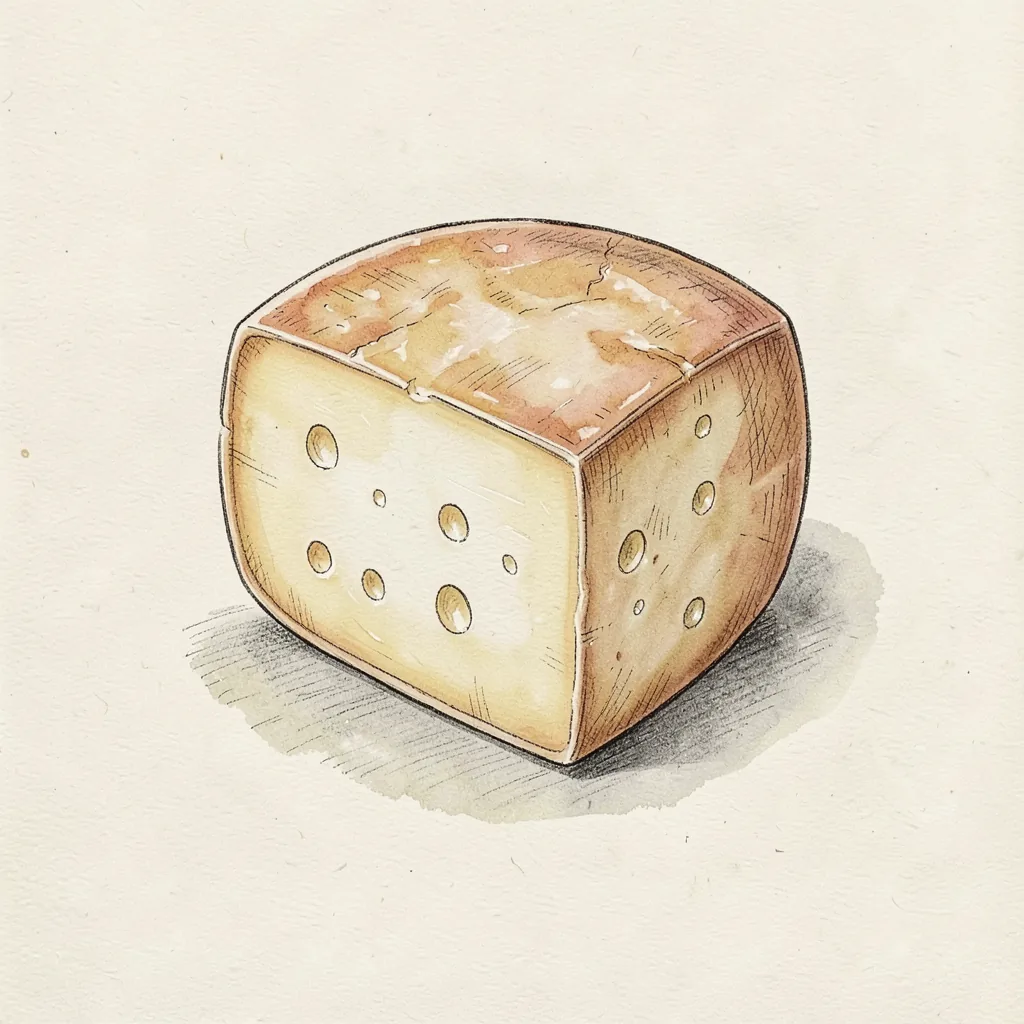
The name means manor house cheese, and the style grew up in the dairies of Swedish estates. The paste is smooth and supple, pale yellow, and marked by small round holes. A wax coat covers the outside of the wheel. The taste is mild, nutty, and slightly sweet, which makes it a daily table cheese in Sweden rather than a rare wheel kept for a feast.
Many wheels start from pasteurized milk with some of the cream removed, so the cheese feels creamy without turning very oily. Propionic cultures help form the eyes, in the same broad family as other Swiss-style cheeses, but the holes stay small and the flavor stays gentle. It slices for bread and also melts in a warm dish. A longer age makes the nuttiness clearer, while a younger piece is quieter and more milky. It is a familiar household cheese in Sweden, not a sharp grating block.
History
Swedish manor dairies wanted a cheese that could use local cow's milk and keep well, in a style inspired by eyed cheeses from the Alpine tradition. Herrgårdsost is the cheese that came from that aim. The manor name stuck because the early make was associated with estate dairies rather than with one mountain village. Over time it moved from those houses into larger Swedish dairies and a wider market. It became ordinary food, the sort of cheese people expect on a breakfast table or in a simple packed lunch.
The cheese is now a standard name in Sweden, sold in wedges and larger pieces with a waxed outside. A trade form of the name is used on labels, but the word still points back to the manor-house style. It is not a cheese of one town, and the country is the right scale for its origin. Grevé and other Swedish cheeses with eyes can sit beside it and look related. Herrgårdsost remains the milder everyday choice, though age and milk richness both change the wedge.
How it is made
Pasteurized cow's milk, often with some cream removed, is cultured with lactic bacteria and with propionic bacteria. Rennet sets the curd in the vat. The curd is cut and warmed gently, then drained and pressed into large wheels. Pressing closes the paste but still leaves room for the small eyes that form later in the cure. The wheels are salted in brine until the salt reaches a mild level through the body, not a sharp brine-heavy bite.
After salting, the wheels are coated in wax and aged until the flavor is ready. The propionic cultures produce gas, and that gas opens the small round holes people expect. A normal cure is long enough for a nutty taste, and some wheels stay longer until the flavor is deeper and a little firmer. The wax limits drying and gives the cheese its smooth outer face. There is no blue mold and no washed smear, and the finished paste should be even, supple, and full of those modest eyes.
Taste
Mildness is the first impression when you taste a plain slice. You get sweet milk, a light tang, and a nutty note that recalls hazelnut or fresh butter. Salt is noticeable but not high, so the cheese can be eaten in a thick piece. The holes do not change the flavor, yet they make the slice look like a gentle cousin of a Swiss eye cheese. The aroma is grassy and clean, and nothing in a standard piece should sting the tongue or taste bitter.
Longer aging turns the nut flavor up and can add a firmer, slightly more savory edge without losing the mild character. Younger cheese is softer in taste and better if you want a quiet slice on bread. The texture stays smooth in most pieces people buy for the table, rather than sandy with crystals. If the wedge is icy cold, the sweetness hides and the paste feels dull. Let it warm, then taste it plain before you add jam, mustard, or any other strong partner.
In the kitchen
Lay slices on bread, crispbread, or a breakfast board with butter, cucumber, or mild ham. Herrgårdsost melts in a sandwich, a sauce, or a vegetable gratin, and it browns without a sharp smell. Cubes can go into a salad when you want a mild salty bite that does not drown the greens. It grates, though it is softer than a very dry cheese, so a coarse grate is easier. Keep other flavors simple if you want the nut note to show.
Peel away the wax before cooking or putting a slice on a plate. The paste cuts cleanly with an ordinary knife and does not crumble into dry shards. For a sauce, add the cheese late and stir over moderate heat so the melt stays smooth. It will not give you the deep caramel of a long-aged Gouda or the punch of a blue. Wrap leftovers so the cut face stays moist, mainly to prevent drying, not because the smell is strong.
Around the world
In Sweden, Herrgårdsost is easy to find, a normal part of the dairy case rather than a specialty hunt. Abroad, it appears in shops that import Nordic food, sometimes under a simplified spelling. Visitors may walk past it toward Jarlsberg or Emmental because those names are better known and the holes look related. If the label says Sweden and shows a mild waxed cheese with small eyes, you are likely holding the right cheese. It is a table cheese first, and a cooking cheese second.
Grevé is the closest Swedish substitute, with a similar cow's milk body and eyes that can look a little bolder. Emmentaler or Jarlsberg can replace it in a sandwich or a melt if you accept a different sweetness and hole size. Västerbotten is Swedish too, but it is sharper and better for grating, so it will dominate a dish that Herrgårdsost would only support. Svecia is another Swedish semi-hard cheese and does not share this mild eyed style. Read the label before you swap them.