Cow
What it is
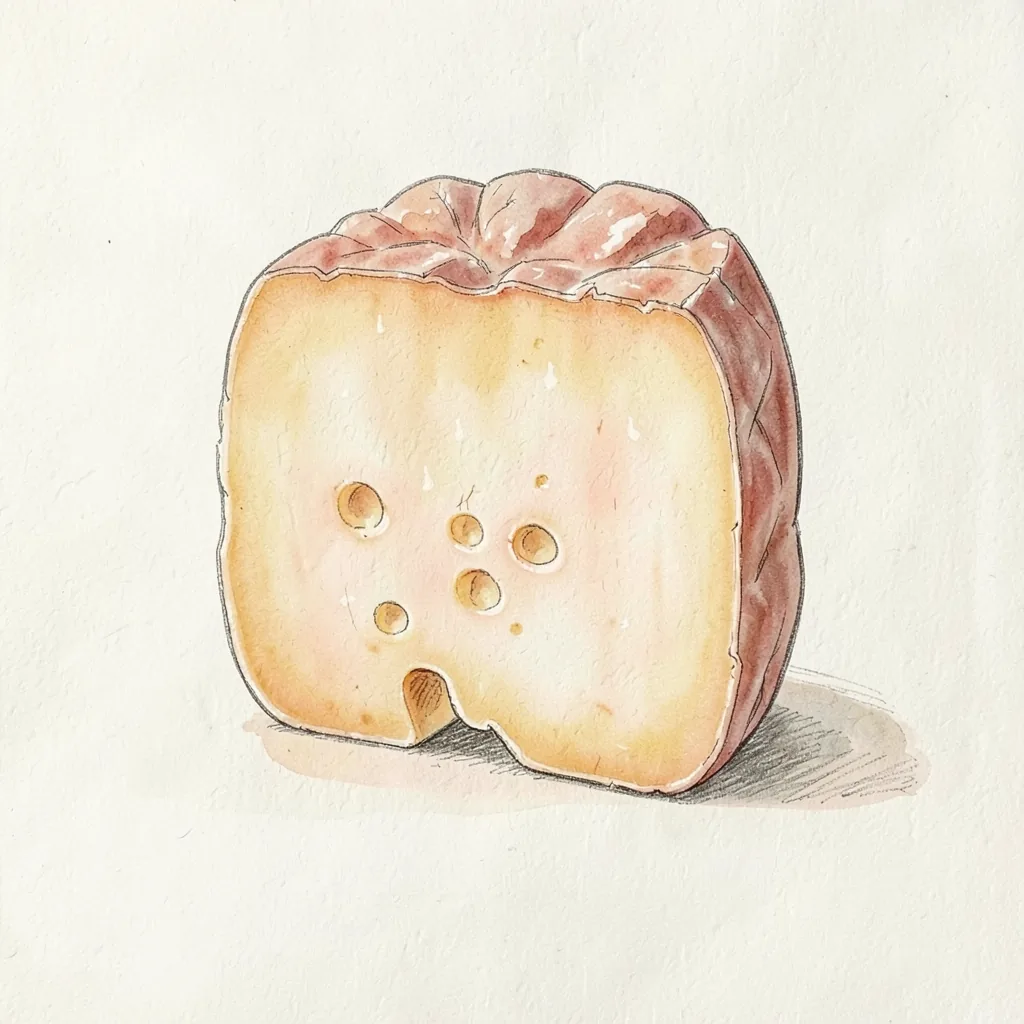
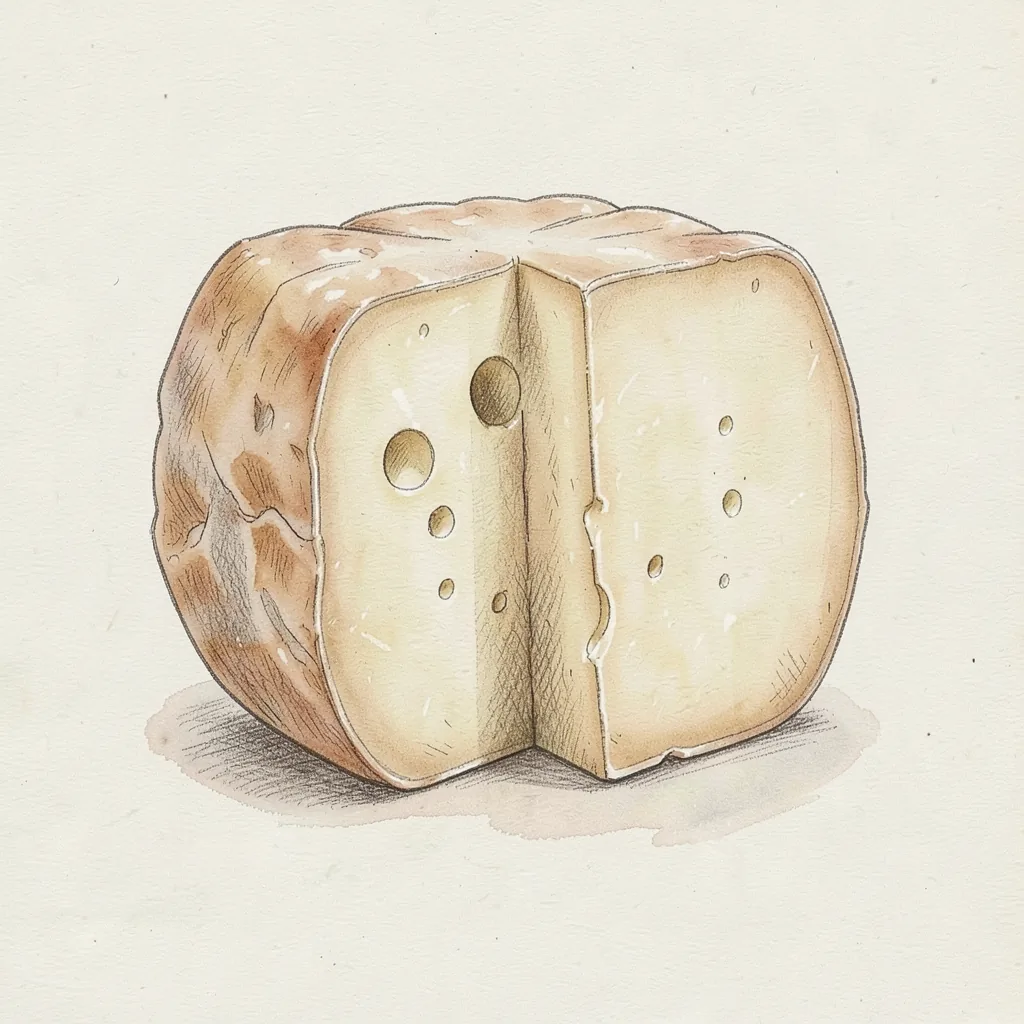
Makers start with skimmed sour curds, shape them into small rings, sticks, or loaves, and ripen them until the surface turns yellow to orange. The smell is famous, and it is much stronger than the modest size suggests. A ripe piece is soft enough to spread, while a younger piece is firmer and easier to slice. It is a regional Czech cheese, not a fresh pot of unripened curd.
The Czech name syrečky and the word tvargle point to the same strong curd cheese. Fat stays low because the milk is skimmed, so the flavor relies on salt, acid, and the ripe surface rather than on a buttery body. Bread, raw onion, and beer are the classic partners on a Czech table. The cheese can also be breaded and fried, which tames the aroma for people who find the raw smell too strong. Buy it when you want a bold regional cheese, not a mild slicing block.
History
Sour milk cheeses have a long place in Czech cooking, and this one took its name from the Olomouc Region. Small cheeses from skimmed cow's milk were practical foods after cream went to butter and other dairy uses. The strong ripened form became a recognized specialty of that region, sold in small rings, sticks, and loaves. No one house has to be named for the style to make sense, and the cheese is not a single modern brand. The shape and the powerful smell are what shoppers remember.
Over time, creameries made the curd, the salt, and the ripening more regular, so shops could keep a steady supply. The reputation for a powerful smell traveled with the name, and that smell still defines the cheese for visitors. Making remains tied to the Olomouc Region rather than to a scatter of unrelated countries. People may shorten the name in speech, but the full name keeps the place in view. The story is regional dairy practice, not the tale of one inventor.
How it is made
Skimmed cow's milk is soured until the protein sets, and the curd is drained and milled into a smooth firm mass. Salt is mixed through, and the paste is formed into rings, short sticks, or small loaves. Those pieces dry a little, then ripen so surface bacteria color the outside gold to orange. The aroma builds as the surface changes, while the center stays paler and denser. This is sour curd plus ripening, not a cooked pressed wheel.
Producers turn and tend the pieces so the surface develops evenly and the color stays attractive. A shorter ripening leaves a firmer, milder bite, and a longer one gives a softer, louder cheese. The schedule differs by dairy, so the label and the smell tell you more than a general note can. Rennet is not the point of the method, and there is no blue mold in the paste. The finished cheese is sold ready to eat, and it is not a project for a home cellar.
Taste
Expect a sharp, salty, and distinctly pungent flavor, with a sour milk tang under the ripe surface. The aroma can suggest a washed rind or a strong cellar, and some people smell the cheese before they taste it. Texture moves from matte and sliceable to soft and sticky as ripening advances. Because the milk is skimmed, the paste is savory rather than rich and creamy. The finish lingers, and a small bite with bread is the fair way to judge it.
A younger piece is tamer and more acidic, and a fully ripe piece is broader and more aromatic. The orange surface tastes stronger than the pale center. Salt should balance the sharp edge, not bury it. If the cheese is dry, cracked, and harsh, it may be stale rather than properly ripe. Fans want the smell to be clean and strong, and a mild everyday slicing cheese is the wrong standard for this pungent one.
In the kitchen
On a Czech table, slices sit with bread, onion, and beer, and the cheese is eaten as a bold snack rather than as a grating cheese. When the piece is very ripe, a knife can spread it. Frying is the other classic path. The cheese is breaded and cooked until the outside is crisp and the inside softens, and that hot version smells milder. Serve the fried pieces with potatoes or a simple salad, and keep the portion modest because the flavor is concentrated.
The cheese is a poor match for a sweet fruit board, and it will take over a mild sandwich. If you cook with it, keep the amount small and give it onion or pickles as a counterpoint. It does not need a heavy sauce to be interesting. Store it well wrapped, because the aroma moves through a refrigerator and into other foods. Bring a piece out of the cold only when you plan to eat or fry it soon.
Around the world
Outside the Czech Republic, Olomoucké tvarůžky is a specialty item in shops that import Central European foods. The name is difficult for many English speakers, so a tag may say curd cheese or use a shortened form. The smell announces the package once it is open. It has not become a general supermarket cheese in distant countries. Visitors often meet it in the Olomouc Region first, then look for the same pungent cow's milk cheese at home.
German Harzer and Handkäse are the closest cousins, both small sour milk cheeses with a strong aroma and a modest size. Quark is related only at the start, because quark is the fresh curd before this kind of ripening. A blue cheese will not give the same flavor, even if it is also pungent. If a shop has no Czech importer, a ripe Harzer is the practical substitute on the plate. Tell guests that the smell is normal, because this cheese is supposed to be loud.