Cow
What it is
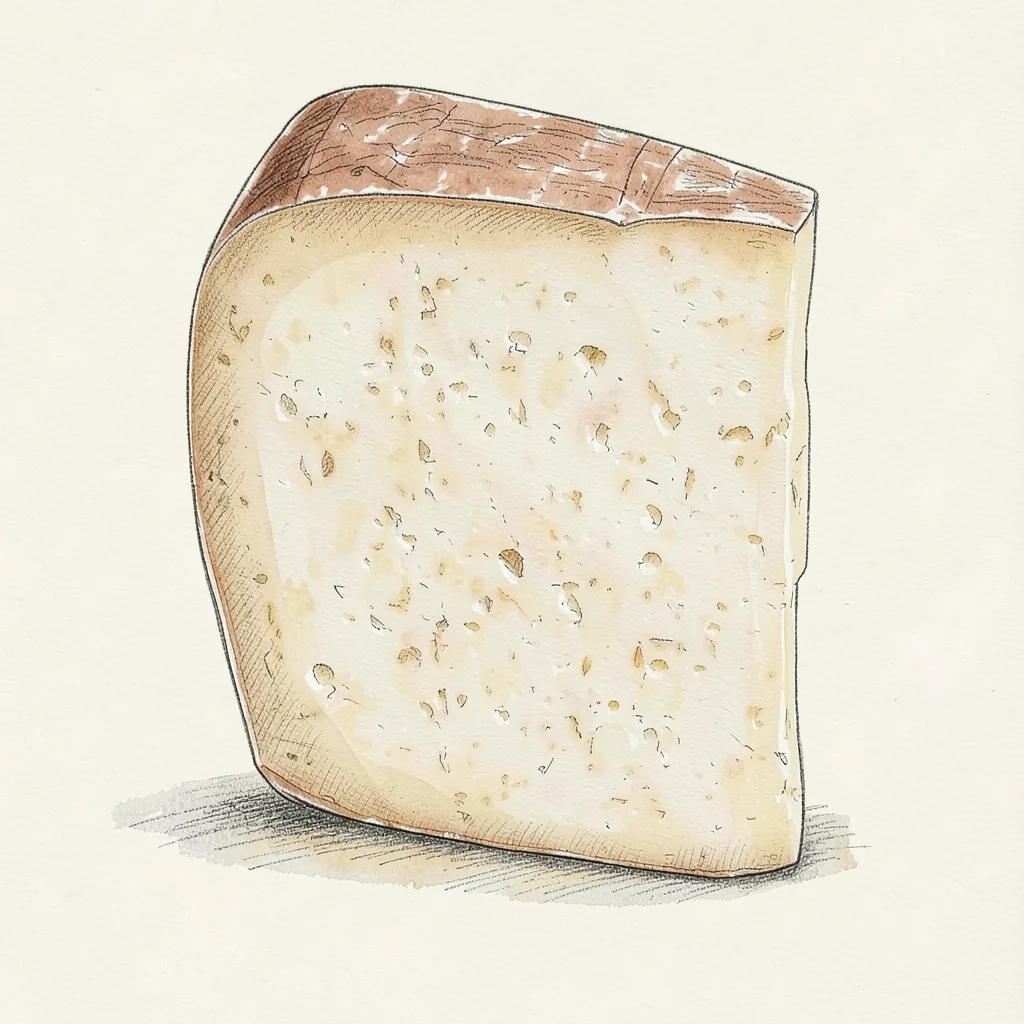
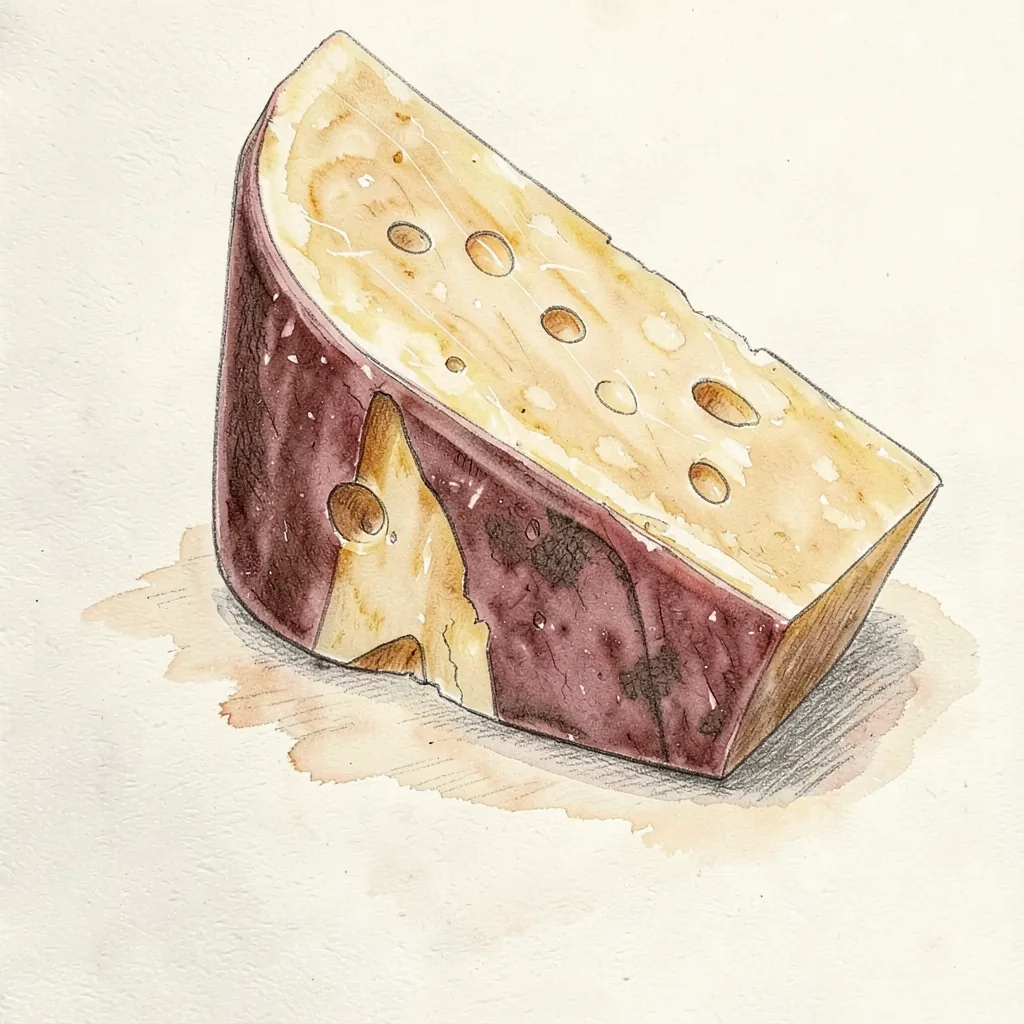
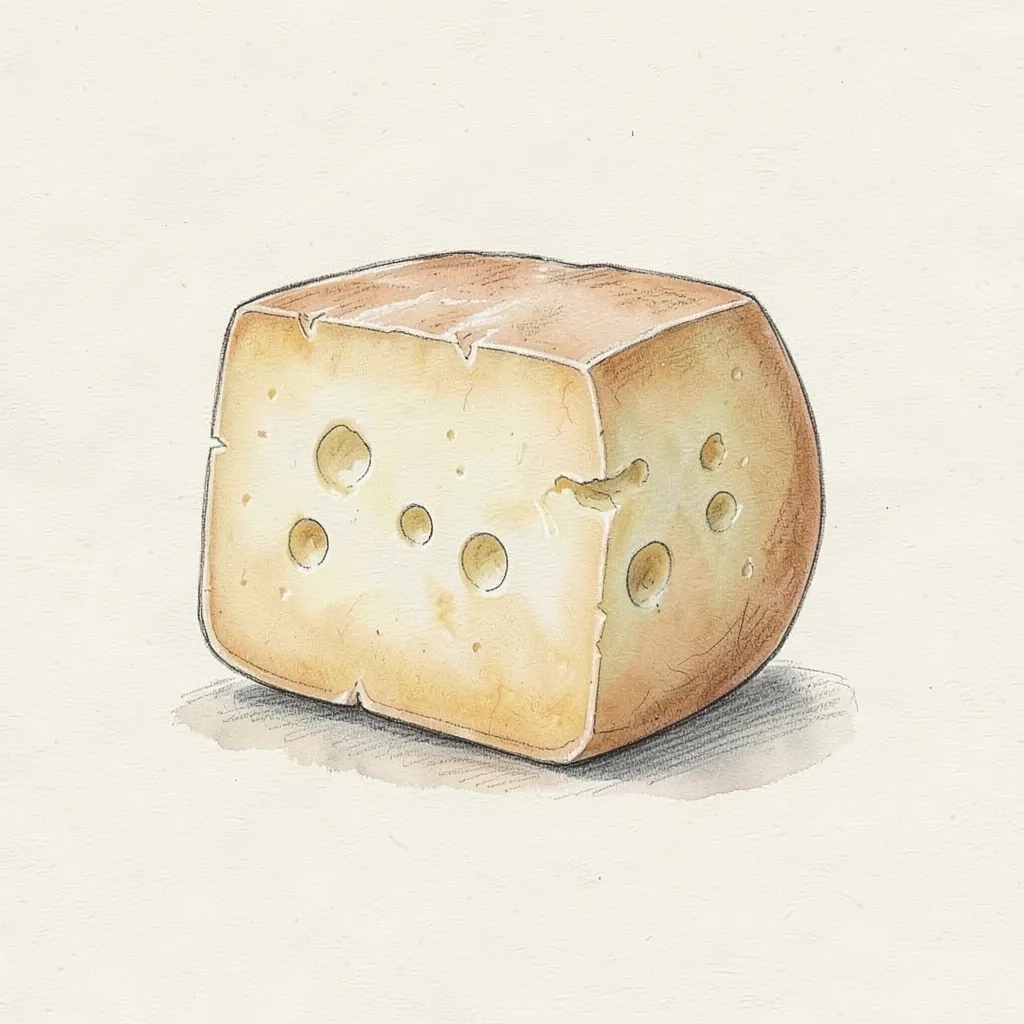
The name uses the Dutch word for an edge, because the wheel has a sharp corner where the side meets the base. The top of the wheel is more rounded. Plain cheese tastes savory and grows sharper as it ages. Two spiced relatives sit in the same family, one with cumin and one with cumin and cloves.
The paste is firm and dense enough to slice when the wheel is young and to grate when it is older. Color runs from ivory to a warm yellow. Cumin seeds or cloves, when they are used, are spread through the interior rather than stuck on the rind. The rind may stay natural or take a pale yellow or red coating, depending on the style. Kanterkaas belongs with other firm Dutch wheels, but the edge and the spice make a wedge easy to recognize.
History
Firm spiced cheese has a long place in Dutch dairy work, where cumin and cloves were mixed into cow's milk curd. Kanterkaas is the name for the wheel with that sharp lower edge. The plain cheese, the cumin cheese, and the clove cheese share one broad style. Shoppers may also see nagelkaas, a clove cheese that looks similar but is not always the same product. The shape of the wheel is the clue carried in the Kanter name.
Gouda and Edam became the Dutch names most people know abroad, while Kanterkaas stayed less famous. Makers still press cow's milk curd, salt it, and ripen the wheels until the paste firms. Spice, when it is used, goes into the curd so it cannot be rubbed off later. Older wheels are drier and stronger than young ones. The coating on the rind is a surface finish, not the main flavor of the cheese.
How it is made
Pasteurized cow's milk is set with rennet and dairy cultures. The curd is cut and washed, which keeps the flavor from turning harshly acidic. For the cumin version, seeds go into the curd. For the clove version, cloves go in along with a smaller share of cumin. The curd is salted, placed in molds, and pressed, and the mold gives the wheel its flat base and sharp edge.
Wheels ripen until the paste is firm and the flavor moves from mild toward tangy. A natural rind can form, or the surface can be coated in a colorless, yellow, or red finish. The cumin cheese is the style more often given a red coat. Cloves show as dark specks against a warm paste. The method is a pressed cow's milk cheese, plain or spiced, not a brine cheese and not a stretched curd.
Taste
Plain Kanterkaas tastes savory, with a tang that grows as the wheel ages. Young cheese is smoother, gentler, and pleasant in a thick slice on bread. Older cheese is drier, saltier, and better when you want a sharp bite. The smell is pleasant and milky, not pungent in the way of a washed rind. The paste has enough richness to keep a slice from tasting empty.
Cumin makes the cheese fragrant, warm, and lightly sweet as well as spicy. Cloves add a deeper, almost perfumed heat, so that version needs a smaller serving. The spices do not erase the cow's milk base. You still taste cheese first, then seed or clove. An aged spiced wheel can feel prickly on the tongue, and it opens up if you let the slice lose its chill.
In the kitchen
Slice young Kanterkaas for bread and a simple board with fruit or cured meat. Grate older cheese over potatoes, soup, or a gratin, where a firm Dutch cheese browns at the edges. The cumin version is useful in salads, because the seed already seasons the plate. The clove version is stronger, so cut it thin. Plain bread is an easy partner when the spice is bold.
Kanterkaas softens with heat, but it does not stretch like a pulled curd cheese. Shred it if you want it to melt across toast or into a sauce. Do not add more cumin or clove until you have tasted the dish, or the spice may turn harsh. A plain wheel can take the place of Gouda in a sandwich. A spiced wheel is closer to Leyden and should be treated as a flavored cheese, not as a neutral melt.
Around the world
Dutch cheese cases abroad usually lead with Gouda and Edam, and Kanterkaas is less common beside them. Cheese counters sometimes keep the cumin wheel or the clove wheel for buyers who like seeded cheese. Look at the shape and at the specks inside, not only at the word Dutch on the label. Leyden is the cheese most often confused with the cumin version, because both are firm and carry seed. A Norwegian cheese such as nokkelost also uses cumin and clove, and it is not the same wheel.
If you need a substitute, Leyden covers the cumin path and Gouda covers the plain path. Edam is milder, so it works only when the dish can stay gentle. None of those cheeses copy the sharp lower edge of a Kanter wheel. Buy a piece you can see, and check whether cloves are present before you cook. Wrap the cut cheese well, because the spice smell travels to other food nearby.