Cow
What it is
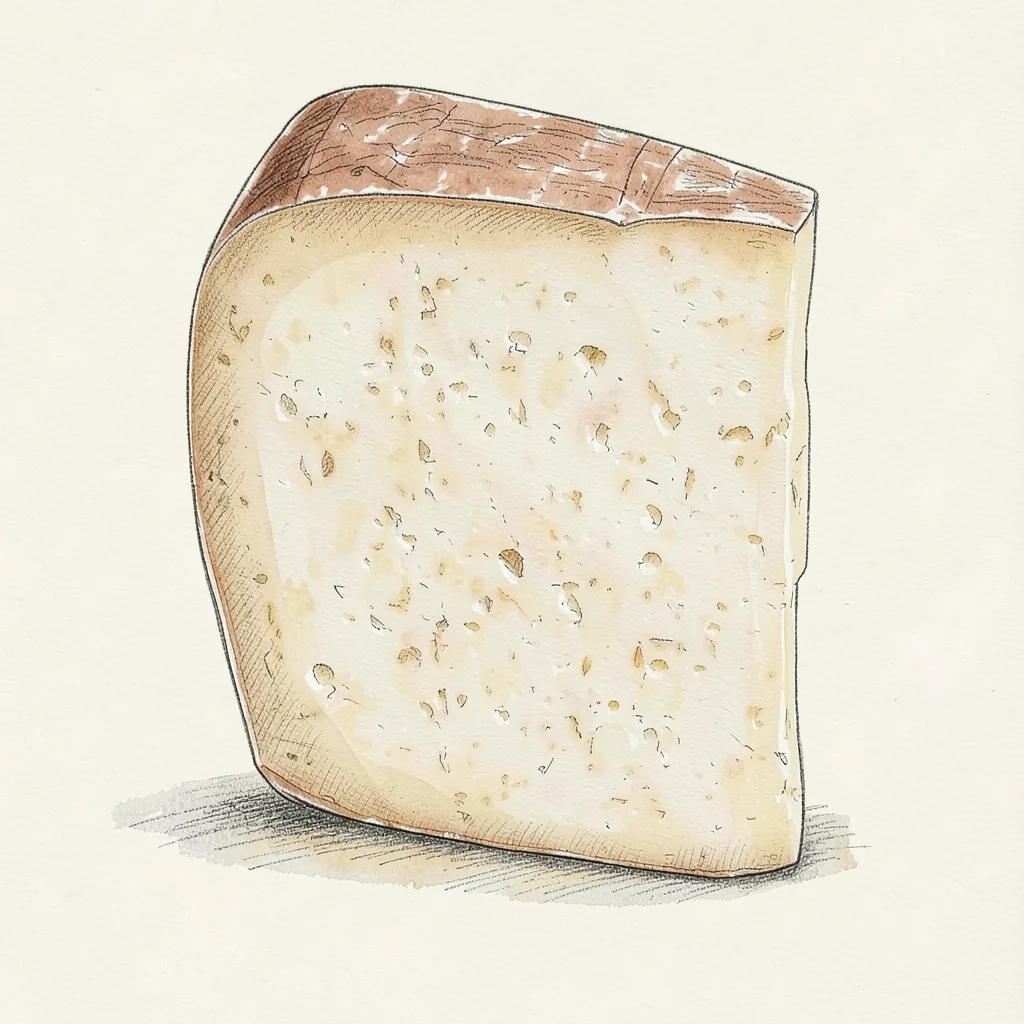
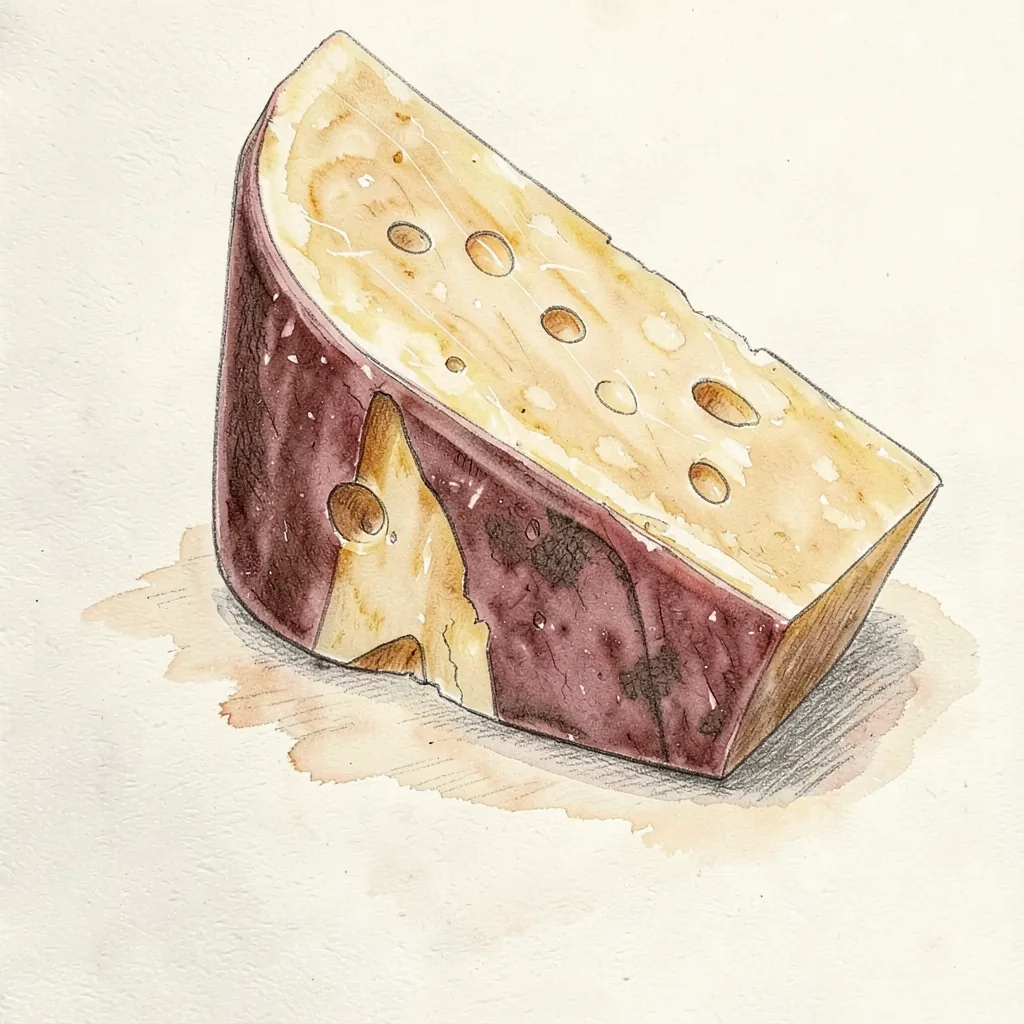
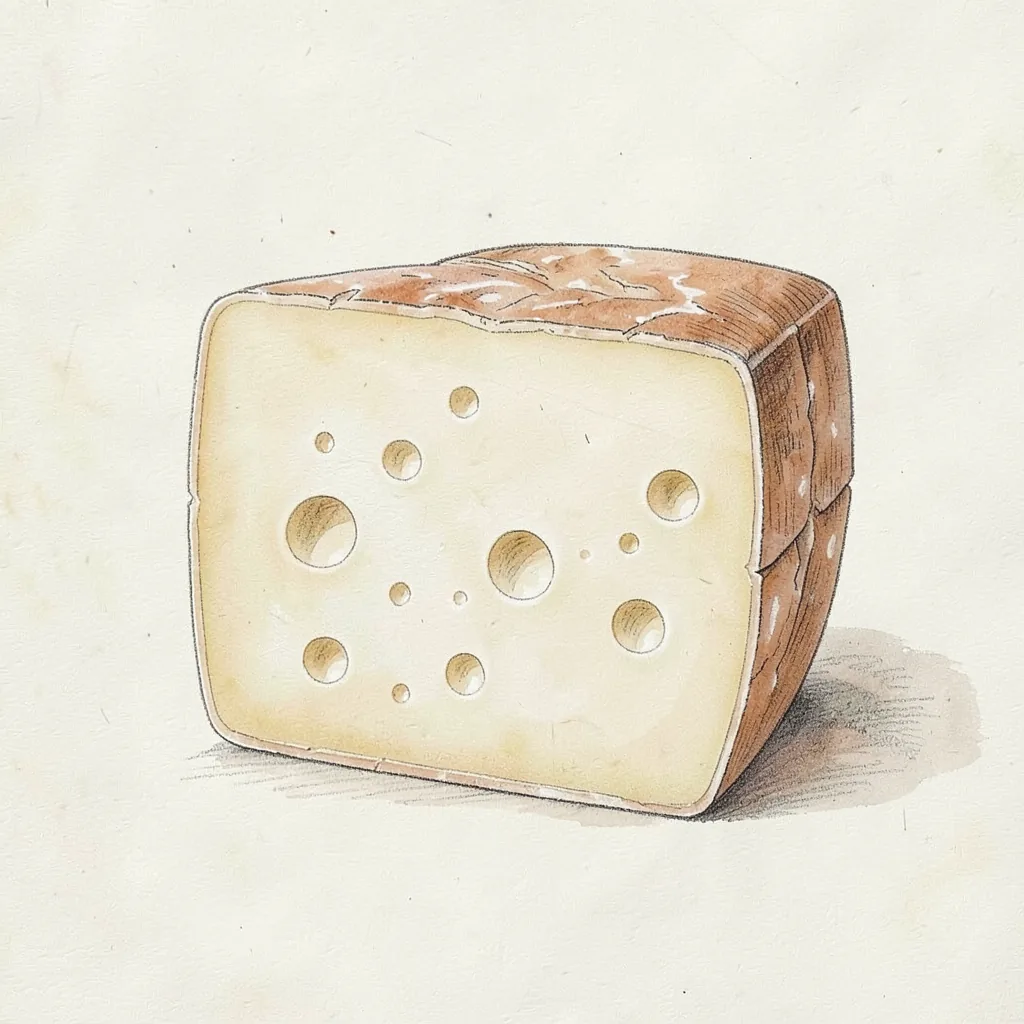
The name means key cheese, and the same cheese is also called kuminost. Cumin and cloves are mixed through the curd, so dark flecks show in a pale yellow paste. Small round eyes are a normal part of the cut face. It is an everyday spiced cheese, closer to a Dutch loaf than to a sweet brown whey cheese.
The paste is smooth and a little elastic, with a nutty dairy base under the spice. Clove gives a warm edge, and cumin adds an earthy aroma you notice before the milk. A younger piece is milder and moister. A piece that has aged longer is drier, tangier, and louder. Both are sliced or melted, and neither is a cheese you turn into a dry powder on pasta.
History
Nøkkelost follows a Dutch model. Leiden cheese is spiced in a similar way, and Norwegian dairies took up that idea for their own cow's milk cheese. The Norwegian name means key cheese because the Leiden coat of arms shows crossed keys, and that mark stood for the Dutch cheese. The spice loaf that developed in Norway is now its own everyday food. People buy it for bread and for hot dishes, not as a rare festival cheese.
The usual shop piece is a rindless block that is ready after a moderate rest. Some dairies still make wheels with a thin rind and a longer aging, and those wheels taste a bit deeper. The spice mix stayed the point of the recipe in both forms. Nøkkelost is not brunost, the sweet brown whey cheese, and it is not a plain nutty cheese with large holes. Look for the flecks if you are unsure which pale block you have.
How it is made
Pasteurized cow's milk is set with lactic cultures and rennet. The curd is cut, and part of the whey is replaced with warm water so the grains firm, in the manner of other Dutch-style cheeses. Cumin and cloves go into the curd before it is pressed, so the flavor runs through every slice. Salt is mixed in as well. Small eyes form as the cheese settles, and the paste stays closed enough to slice cleanly.
Blocks are wrapped close and kept until the taste is mildly tangy and the spices are clear. Wheels may age under a natural rind until the same flavors go a step further. Neither version is washed in brine, and neither grows a white bloomy coat or blue veins. The color stays pale yellow, with the spice flecks easy to see on the cut face. A good piece smells of warm clove and cumin as soon as the wrap comes off.
Taste
Expect nutty dairy first, then a clear hit of spice. Cumin tastes earthy and slightly bitter, and clove adds a sweet warmth that lingers on the tongue. Salt is present, but it should not burn. The texture is supple when the cheese is young and a little shorter when it has aged. Eyes stay small and round, not the large holes of a Swiss-style loaf.
Balance matters more than raw strength. Too much clove makes the slice taste like a spice jar, and too little leaves a plain semi-hard cheese with a few dark dots. A well-made piece keeps the milk flavor easy to find under the seeds. Take it out of the cold before you serve it, because a chilled slice hides the aroma. If the paste smells sharply sour, or the spices taste stale, the piece has been kept too long.
In the kitchen
Slice Nøkkelost for open sandwiches on buttered bread, with egg or tomato if you want more on the plate. It melts over potatoes, sausages, or a simple meat sauce, and the clove scents the dish. Cubes can go into a cheese sauce when you want more flavor than a mild melter gives. On a board, pair it with apple, rye bread, or a few pickled vegetables. The spice already does a lot of work, so skip a strong chutney.
Thin slices show the cheese better than a pile of shreds, though a coarse grate is fine in a sauce. Heat softens the paste quickly and can make the clove taste stronger, so use a moderate amount. It is not a stretchy pizza cheese. Wrap leftovers tightly, because the aroma will move into other food nearby. Trim a dry rind from a wheel if you have one, and cook with the paste.
Around the world
Nøkkelost is easy to find in Norway and in Scandinavian shops abroad. In other countries it has been sold under labels that stress the spice, sometimes as kuminost. Buyers who do not read Norwegian can miss it among pale blocks. Look for the flecks and for the name on the pack. A plain Gouda or Jarlsberg will not give you the clove note, even when the color looks similar.
Leyden is the closest cousin and the best substitute on a shopping list. It is a Dutch cow's milk cheese with cumin in the paste, so the flavor on bread comes very near. Gouda can stand in when you only need a smooth semi-hard melt, and you can add a pinch of cumin yourself. Do not swap in brunost. That Norwegian cheese is brown, sweet, and made from whey, and it belongs on a different slice of bread.