Cow
What it is
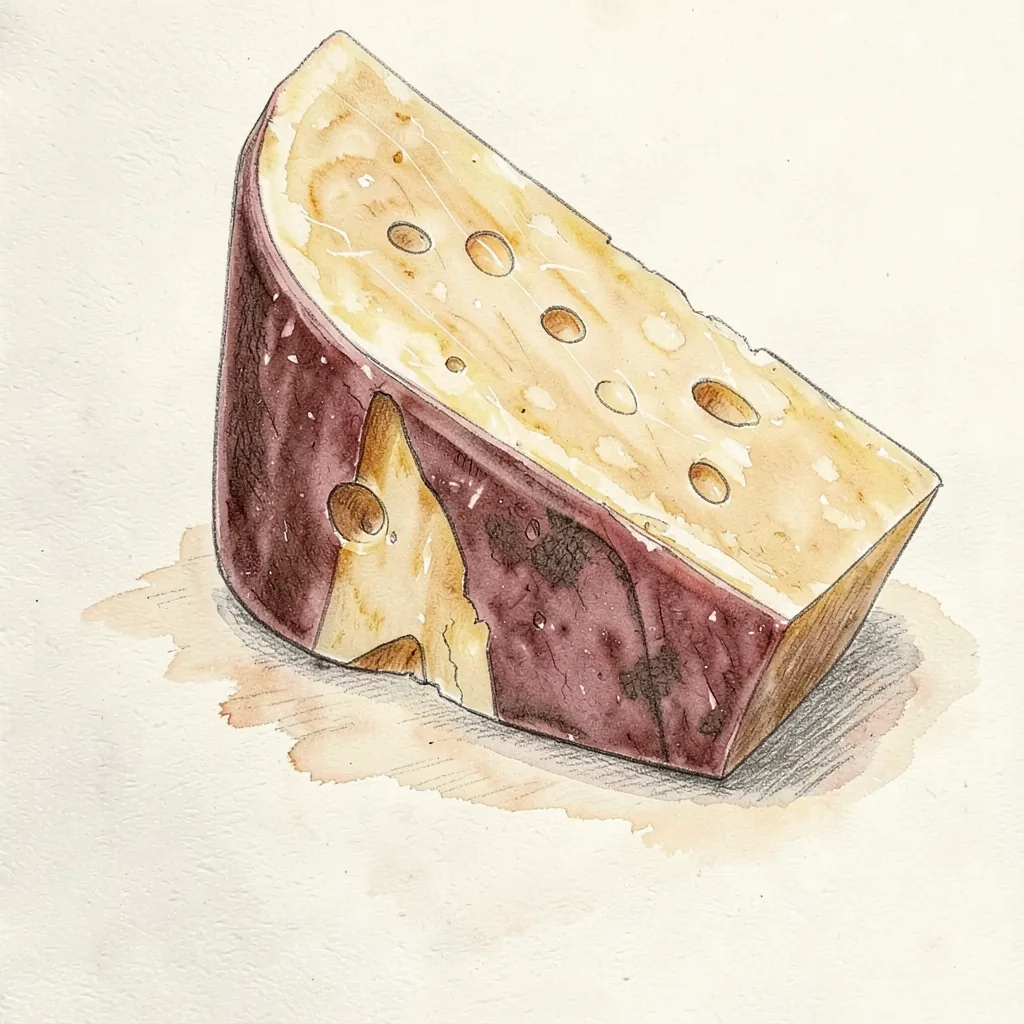
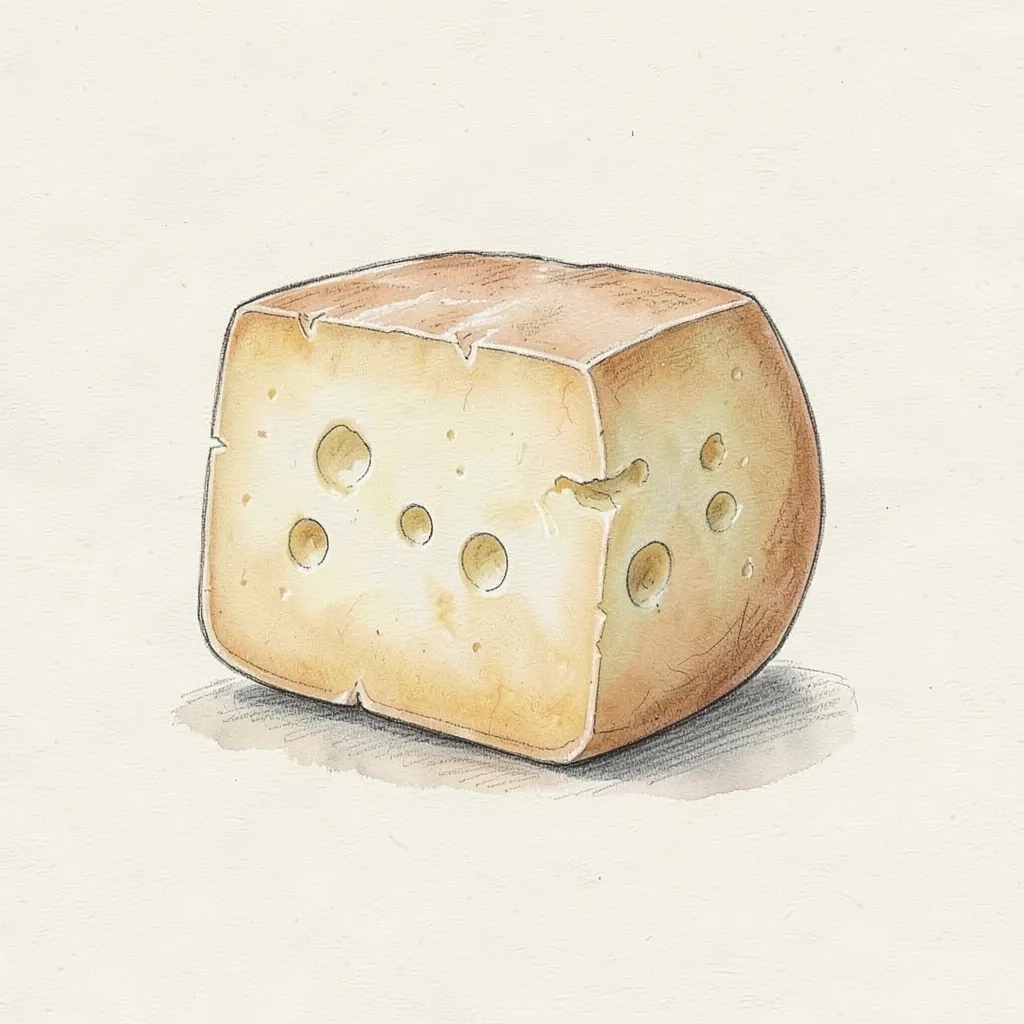
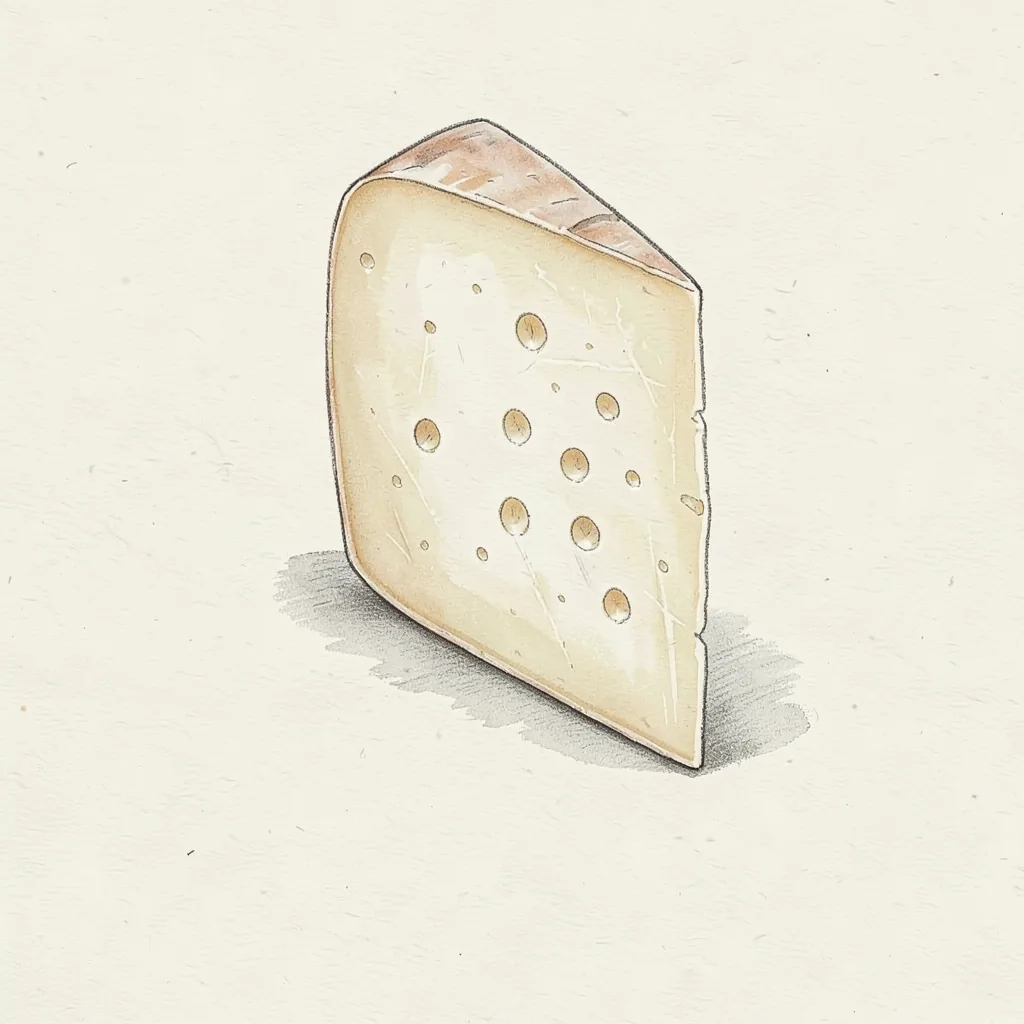
The spices show as dark specks in a pale, supple paste, and the taste is savory rather than sweet. A natural rind covers the wheel, which slices cleanly for bread or a board. It is a Dutch spice cheese, not a plain Gouda with seeds on the side. The Dutch name Leidse kaas and the word komijnekaas both point to the same style.
Cumin gives a warm, slightly earthy aroma, and caraway adds a softer anise-like echo when it is used. The base cheese is mild and buttery, so the seeds lead the flavor. Young wheels are gentler, and older wheels taste fuller without becoming a dry grating block. Some traditional wheels carry a mark of two crossed keys. That mark is a sign of the old farmhouse style, not a different recipe.
History
Spice cheeses became part of Dutch making when cumin and related seeds were folded into cow's milk curd. Leyden grew into the best known cumin cheese of the Netherlands, sold as a wheel rather than as a fresh tub. Farmhouse versions and creamery versions both exist, and the seeds are what unite them. The crossed keys mark traditional farm wheels and help shoppers tell those wheels apart. The story is national, not the tale of one founder or one hidden village.
Trade in spices made cumin familiar in Dutch kitchens, and cheesemakers used it as flavor inside the paste, not only as a garnish. The cheese kept its semi-hard body, so it could travel with other Dutch wheels. Over time, plain Gouda became the export star, and Leyden stayed the spiced alternative. You still find it in the Netherlands as an ordinary shop cheese, not as a rare relic. Labels that mention cumin, or the Dutch word komijn, are the historical thread you can still read.
How it is made
Makers set a curd from cow's milk, then mix cumin through it, often with caraway as a second seed. The curd is pressed into a round wheel so the paste knits and the spices stay evenly scattered. Salting and drying follow, and a natural rind forms on the outside. The interior stays closed or nearly closed, with the dark seeds easy to see when you cut. No mold is added, and the cheese is not washed in brine for a sticky rind.
Aging is enough to make the wheel sliceable and aromatic, without pushing it into a brittle grating cheese. A shorter rest keeps the cumin softer against a mild paste. A longer rest makes the base more savory, so the seeds taste deeper. Creamery wheels and farm wheels can differ in moisture, but both should show spice inside, not only on the rind. If a wheel has no seeds in the paste, it is not Leyden.
Taste
The first aroma is cumin, warm and a little earthy, before you notice the mild cow's milk base. On the tongue the cheese is savory, lightly salty, and buttery, with the seeds giving small crunchy bursts. Caraway, when present, softens the spice with a gentler note. The paste is supple and moist enough to slice, not dry and crumbly. It should taste clean, not bitter or moldy.
Balance is the point of a good wheel. Too little seed and it tastes like a plain Dutch cheese. Too much, and the cumin covers the milk. A successful Leyden lets you taste both, with the spice leading and the paste supporting. Age shifts that balance toward a fuller, nuttier base, and most people trim the rind rather than eat it.
In the kitchen
Leyden is a bread cheese first. Thick slices sit well with butter, apple, or a plain cracker, and the cumin makes a ham sandwich more interesting. It also melts into potatoes, onion soup, or a toast top without losing the spice. Use it where a savory aroma is welcome. Keep it away from a delicate sweet dessert, because the seeds will dominate.
Grate a little over roasted vegetables or eggs if you want cumin without measuring seeds. The cheese can go into a sauce, but add it late so it melts smoothly and does not turn grainy. Pair it with beef, potato, or cabbage, which can stand up to the spice. A board needs only bread and something crisp and sweet, such as apple. If you only have Gouda, add a pinch of cumin, and you will be near the idea, not at the real wheel.
Around the world
Leyden is easy to find in the Netherlands and shows up abroad wherever Dutch cheeses are sold with care. Many supermarkets that carry only Gouda and Edam will not have it. Nøkkelost, the Scandinavian spiced cheese, and kanterkaas, another Dutch spice cheese, are the names people mix up with Leyden. All three are savory and seeded, but the spice mix is not the same. Cumin in the paste is the clue that you are close to Leyden.
Cooks outside the Netherlands can treat Leyden as a flavored cheese for bread, potatoes, and simple hot dishes. It is not a substitute for a blue cheese, and it is not a fresh white cheese for salad in the way feta is. If the shop has no Leyden, a plain Gouda plus cumin is the honest kitchen fix. A wedge of nøkkelost is the closer ready-made swap when you want seeds already in the paste. Either way, tell guests the cheese is spiced so the aroma is no surprise.