Cow
What it is
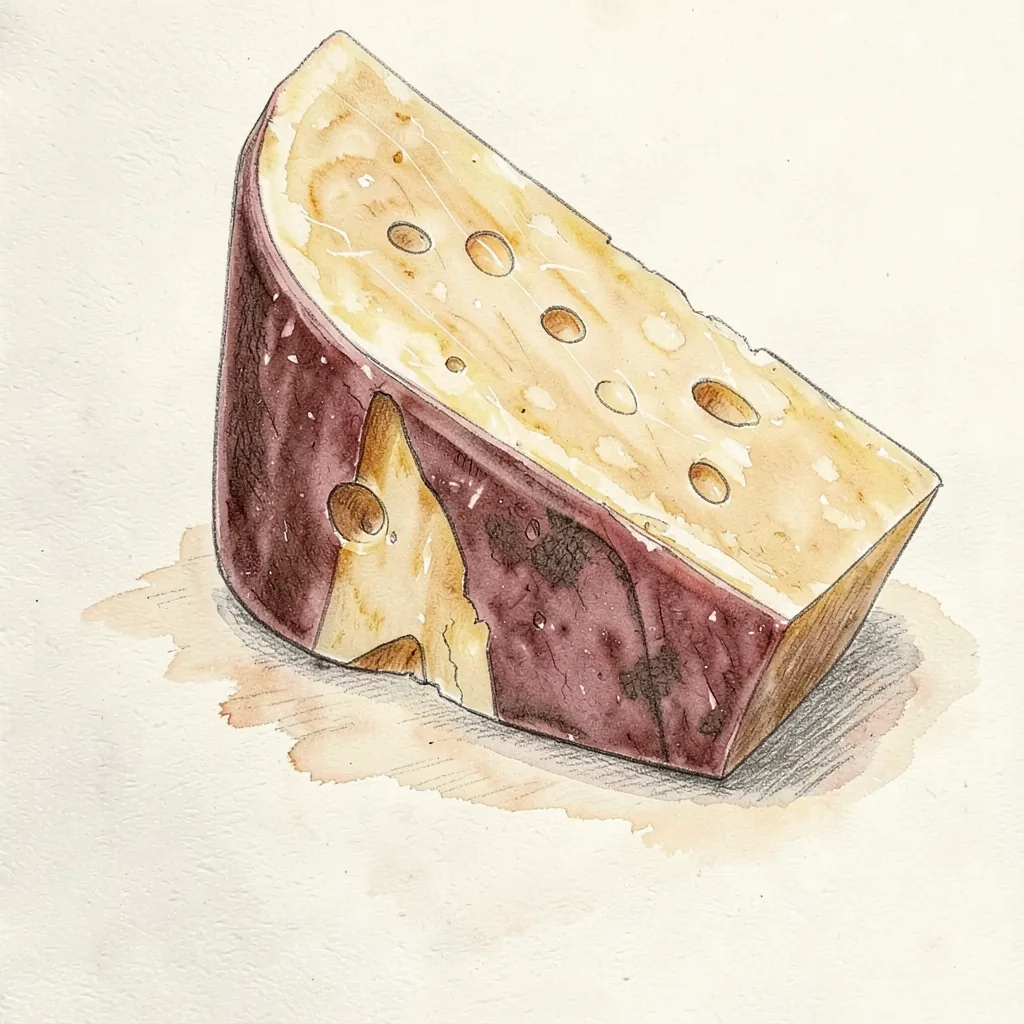
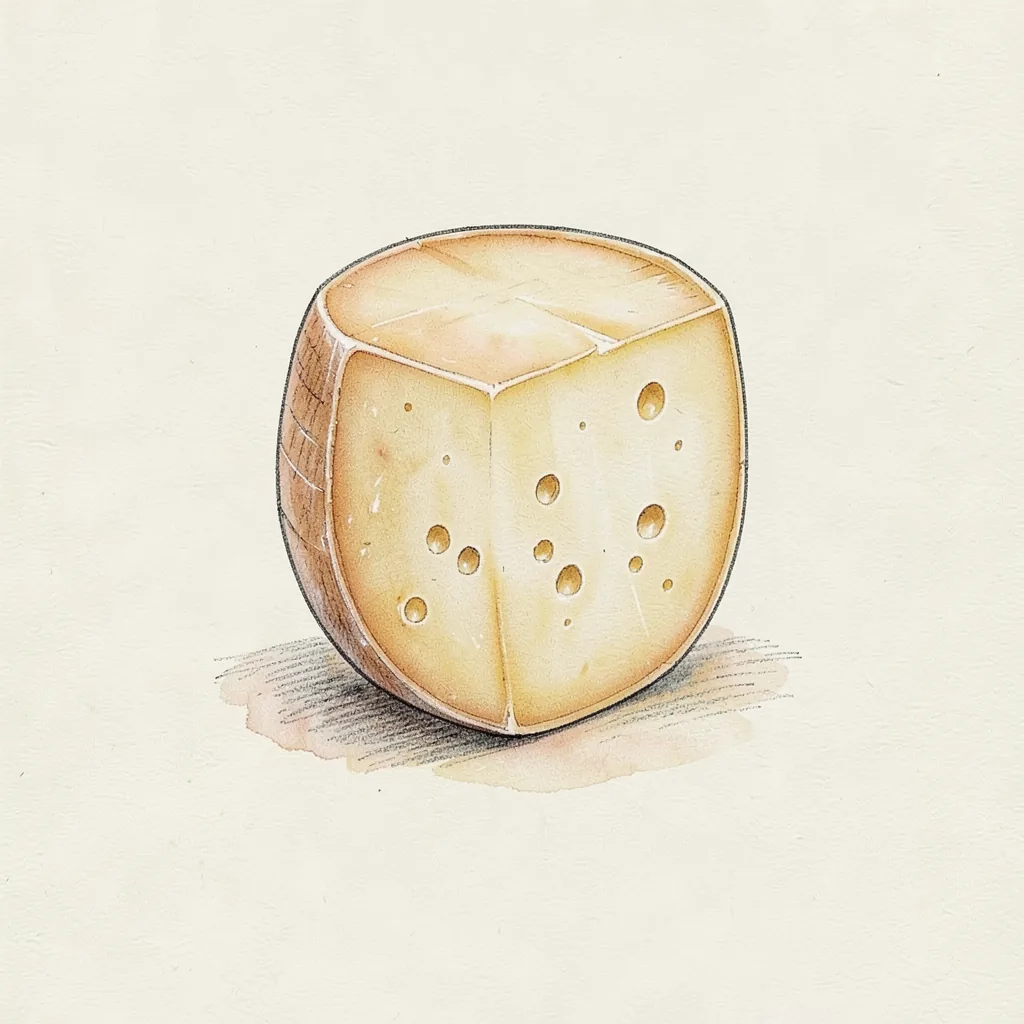
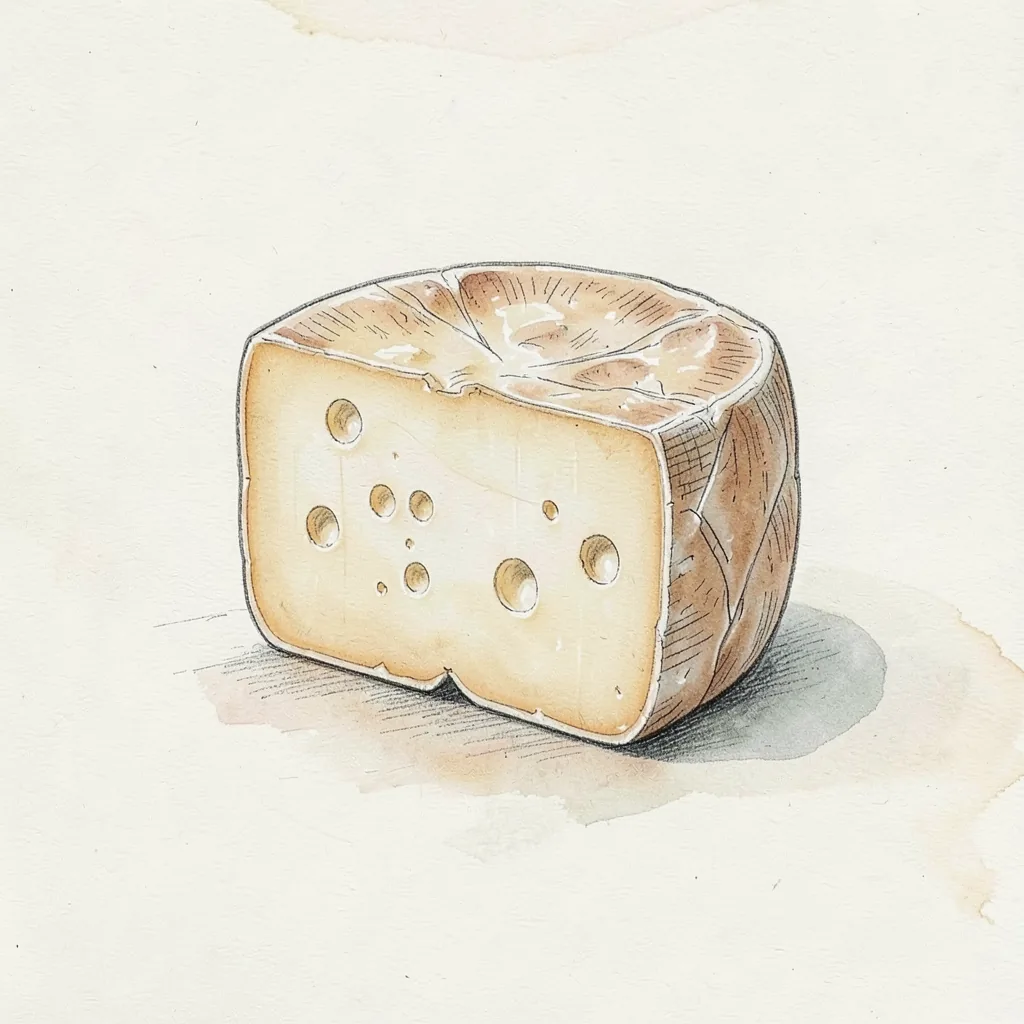
It is also called Swojski, a word that means homemade, and that name fits a farm cheese made with milk, rennet, and salt. The form is a flattened ball, with a thin yellow rind and a pale body full of small holes. Young cheese is mild, moist, and elastic under the knife. With age it grows saltier, nuttier, and a little drier toward the outside.
The milk is raw and whole, so the flavor follows the herd and the feed of the season. Some makers fold in herbs, garlic, or other seasonings, but the plain cheese is the base everyone should taste first. It slices when young and still bends rather than shattering into dry crumbs. People eat it with bread, and they also warm it lightly because the paste softens without turning to oil at once. It is a regional everyday cheese, not a hard wheel meant for the grater.
History
Koryciński is regarded as an old farm cheese of Poland, made in the east long before it carried a shop label. The name is local to the Podlaskie Voivodeship, where households turned fresh cow's milk into a salted round that could keep for a while. Rennet once came from dried calf stomach in the old farm method, along with salt and nothing much else. The cheese stayed a home and small dairy food. Strainers give it the flattened ball that people still use to recognize a true round.
Cooks in the region still treat it as a staple, and flavored rounds with garlic, pepper, or herbs sit beside the plain one. Those additions are optional, and the cheese itself does not need them to be complete. The word Swojski on a label points back to the homemade style, with raw milk and a short list of ingredients. A mild round from another part of Poland may look similar at a glance. It is not Koryciński unless it comes from this making tradition in the Podlaskie Voivodeship.
How it is made
Whole raw cow's milk is warmed, and rennet and salt are stirred in. The milk sets into a curd that is cut and allowed to firm before the whey is drawn off. The curd is then gathered into cloth lined forms, often round strainers, and left to drain under its own weight. No high cook step hardens the paste, and no heavy press is required to close it. The cheese is turned so the shape stays even and the last whey can leave.
After the form is set, more salt may be rubbed on the outside to season the rind. The cheese then ripens in a cool place while the flavor moves from fresh milk toward nuts. A young round stays moist, elastic, and full of small even holes. With time the rind becomes a delicate yellow, sometimes with a light bloom, and the paste loses a little moisture. Herbs or garlic, if used, go into the curd so the flavor runs through the whole round.
Taste
A young Koryciński tastes mild and creamy, with a fresh butter smell that is easy to like. Bite it and it can feel slightly squeaky, which is a sign of the elastic curd rather than a fault. Salt is light at this stage and does not dry the tongue. The holes make the slice look open, but the paste is not crumbly or sandy. The flavor is gentle enough for breakfast bread with butter or with nothing else at all.
As it ages, the outside turns saltier and a little drier, and a nutty note comes forward. The center stays milder than the edge near the rind, so a thick slice can hold both tastes. Herbed versions add garlic, dill, or pepper on top of that base, so read the label if you want the plain cheese. The smell should stay clean and buttery, not sharp like a washed rind. Serve it cool rather than icy, so the elastic texture remains pleasant to chew.
In the kitchen
Slice Koryciński for bread, a breakfast plate, or a simple board with radishes and cucumber. Cubes can go into a salad if the cheese is still moist and not yet dry at the edge. Because it softens with gentle heat, it works on a warm sandwich or over boiled potatoes. In the Podlaskie kitchen it is an everyday cheese, so it does not need a sweet garnish to make sense. A garlic round is better in a savory dish than next to fruit or honey.
It is not a grating cheese, and it will not stretch like a pasta filata cheese when it is heated. Light heat melts the edges and keeps the center soft and a little elastic. A long boil makes it tough or greasy, so add it late in the cooking and take the pan off soon. If you have a young piece and a riper one, slice the young and cook with the riper. Wrap the cut face, because the moist paste dries quickly in the air.
Around the world
Outside Poland, Koryciński shows up in Polish grocers and at markets that carry food from the Podlaskie Voivodeship. It is not a standard cheese in other countries, so a vague name on a menu can mean a local copy. Look for cow's milk, a flattened round, and the word Swojski if you want the traditional style. Herbed versions are easy to spot by the flecks of green or red in the paste. Keep the cheese cold, and let a slice warm only a little before you eat it.
Gouda is a fair substitute when you need a mild cow's milk slice for bread or a sandwich. Edam can do the same job for a young, gentle piece that should not overpower the meal. Neither has the open holes or the raw milk farm taste of Koryciński. Oscypek is another famous Polish cheese, but it is a smoked sheep's milk cheese and should not take this place. If a shop offers only a herbed Koryciński, that still gives the right texture, with extra garlic or greens.