Mixed milk
What it is
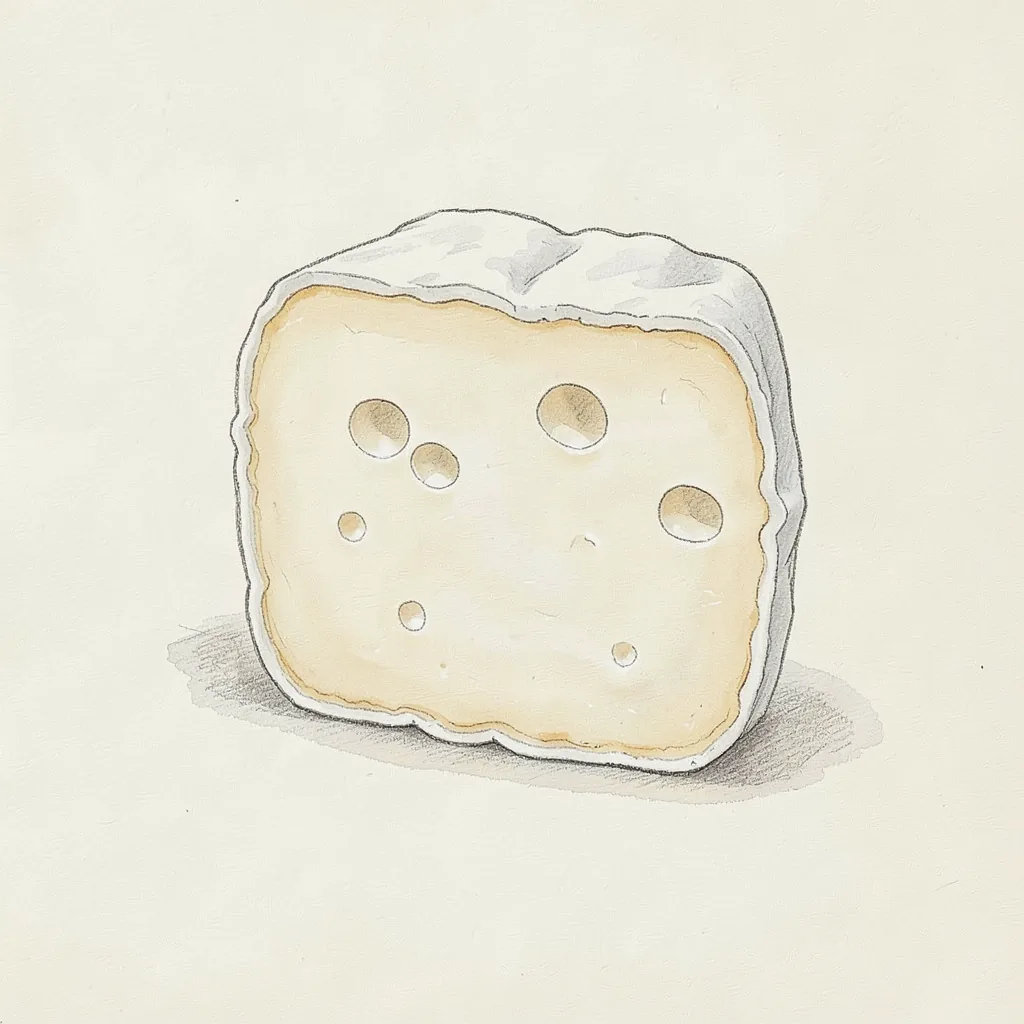
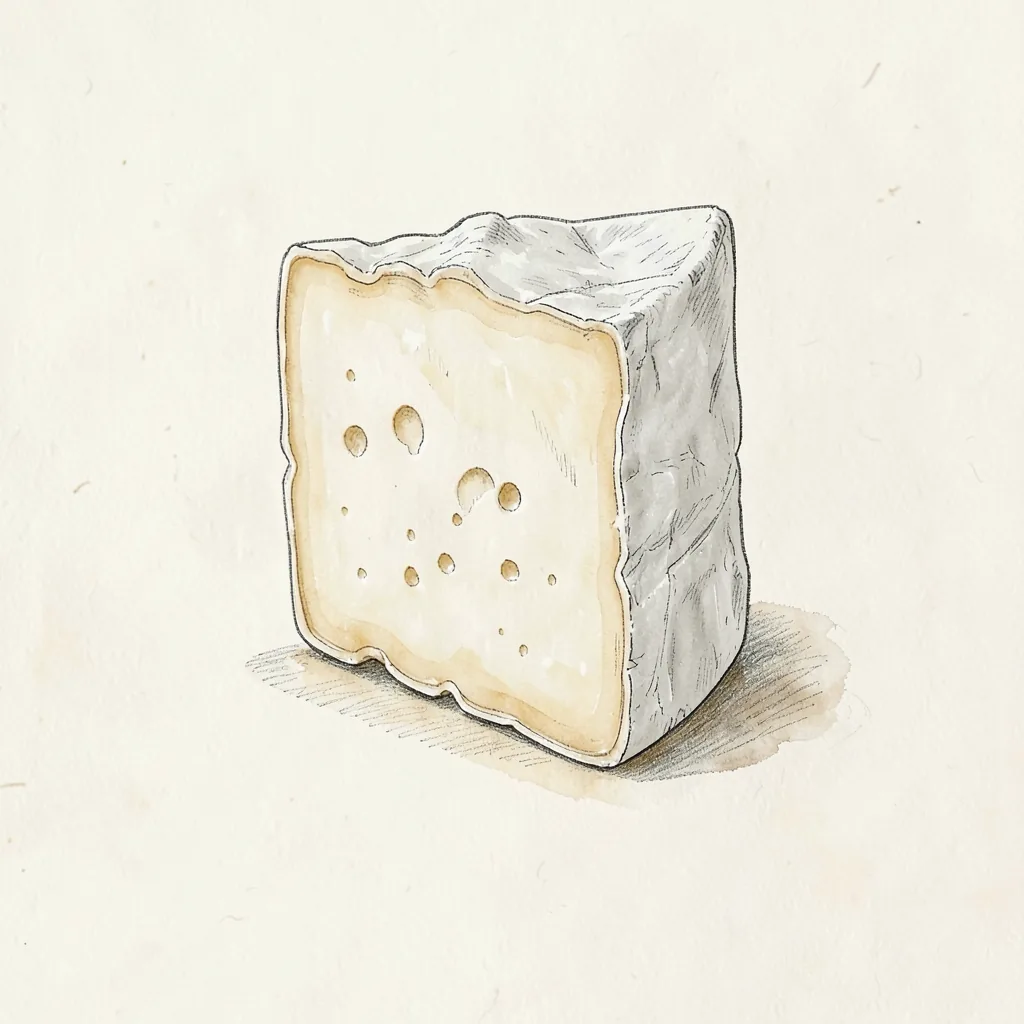
It is a soft mixed-milk cheese, built from goat's milk and enriched with cow's cream, then ripened under a white bloomy rind. The paste is pale, dense, and rich in the manner of a triple-cream cheese, with a gentler goat note than fresh chèvre. Wheels and wedges show up on specialty boards rather than in the sliced cheese case. People ask for the brand, not for a generic American goat cheese.
A younger wheel is mild, tight, and clean, with the cream still in front of the goat flavor. A riper wheel softens under the rind, picks up mushroom, and shows a clearer tang at the finish. Both are Kunik cheese, and they are not the same texture on a knife. Serve the riper piece cool but not icy, so the paste slumps without turning oily. If the rind smells of ammonia in a harsh way, the wheel has gone past its best and should be set aside.
History
Kunik cheese took shape in the modern American specialty trade, not under an old European rule for a named valley. The brand was built around a mixed-milk idea, with goat's milk for tang and cow's cream for a lush triple-cream body. That mix is the point, and the cheese does not taste like plain chèvre or like cow's-milk Brie. It became known through cheese counters rather than through a village market. The United States is the home of the brand.
Bloomy-rind cheeses were already familiar to American buyers, so the white coat was an easy signal on a counter. What was less common was a triple-cream paste that still carried goat's milk. The brand leaned into that difference and kept the wheels small enough for a household board. It is sold as a finished specialty, not as a farm recipe tied to one village. The label and the mix of goat's milk and cow's cream are what identify a real package of Kunik cheese.
How it is made
Pasteurized goat's milk is blended with cow's cream before the vat is set. Cultures for a bloomy rind, including the white mold used on soft French-style cheeses, go in with rennet. The curd is ladled into small molds and drains gently, without the heavy press used for a firm wheel. Salt is added, and the cheeses rest until a white coat blooms and the paste turns supple. Extra cream is what makes the interior dense and glossy rather than chalky like a young goat cheese.
Because the wheels are small, ripening can move evenly from the rind toward the center. A young cheese stays firmer and tastes more of sweet cream and fresh milk. With time the paste loosens under the white coat and a mushroom note grows. Makers sell it while the texture is still lush, before the wheel collapses or smells harshly of ammonia. A sound piece has a white coat that looks dry to the touch, not wet, slimy, or deeply cracked.
Taste
Expect sweet cream, mushroom, and a mild goat tang, usually in that order on a typical piece. Some batches add a light citrus brightness, while others taste more like a salted custard. The rind is thin and edible, but a thick strip of it can turn slightly bitter. It is richer than a fresh goat cheese and far less pungent than a washed-rind cheese of similar age. A cold piece tastes muted, and a piece that has lost its chill tastes rounder and fuller on the tongue.
The goat note should stay as a finish, not as a harsh barn flavor that covers the cream. If a wheel tastes only of plain butter and never of goat's milk, it may be a different triple-cream cheese. The paste is dense, moist, and able to hold a slice that still yields. Near the rind it is softest, and the center of a younger wheel is a little tighter and more lactic. Eat both zones, since the rind and the paste are meant to go together.
In the kitchen
Spread Kunik cheese on bread, crackers, or a slice of ripe pear, where the cream can meet a little sweetness. It belongs on a board with pickles, toasted nuts, and a few slices of cured meat. Heat is a poor match for this style. The high cream can split in a hot pan, and the bloomy rind can turn bitter if it bakes for long. Use it as a thick slice or a spread, not as a grating cheese and not as the base of a baked dish.
A spoon of the paste on warm roasted beets or a baked potato is enough to make a side dish feel rich. Do not stir a whole wheel into a sauce, because the fat will oil off and the goat note can vanish. Leftovers keep best when the cut face is covered, so the rind does not dry. It is a cheese for small portions at the start or the end of a meal. People who dislike goat's milk should skip it, because that milk is central to the brand.
Around the world
Kunik cheese is an American brand, and most of it is sold in the United States. Counters abroad sometimes carry it when they stock American bloomy cheeses. Buyers compare it with French triple-cream cheeses, but the goat's milk changes the flavor in a clear way. It is not an old European cheese with a geographic name, and it does not pretend to be one. Ask for the brand if a case only says mixed-milk triple cream, because several soft cheeses can look alike under a white rind.
Brillat-Savarin is the usual substitute when you want a lush bloomy paste and Kunik cheese is not in the shop. It is made from cow's milk and cream, so the goat finish will be missing from the bite. Saint-André can also stand in as a rich cheese for spreading on bread or crackers. People confuse these wheels because they are all pale, soft, and very high in cream. Goat's milk plus cow's cream, sold under this brand name, is the piece to look for.