Cow
What it is
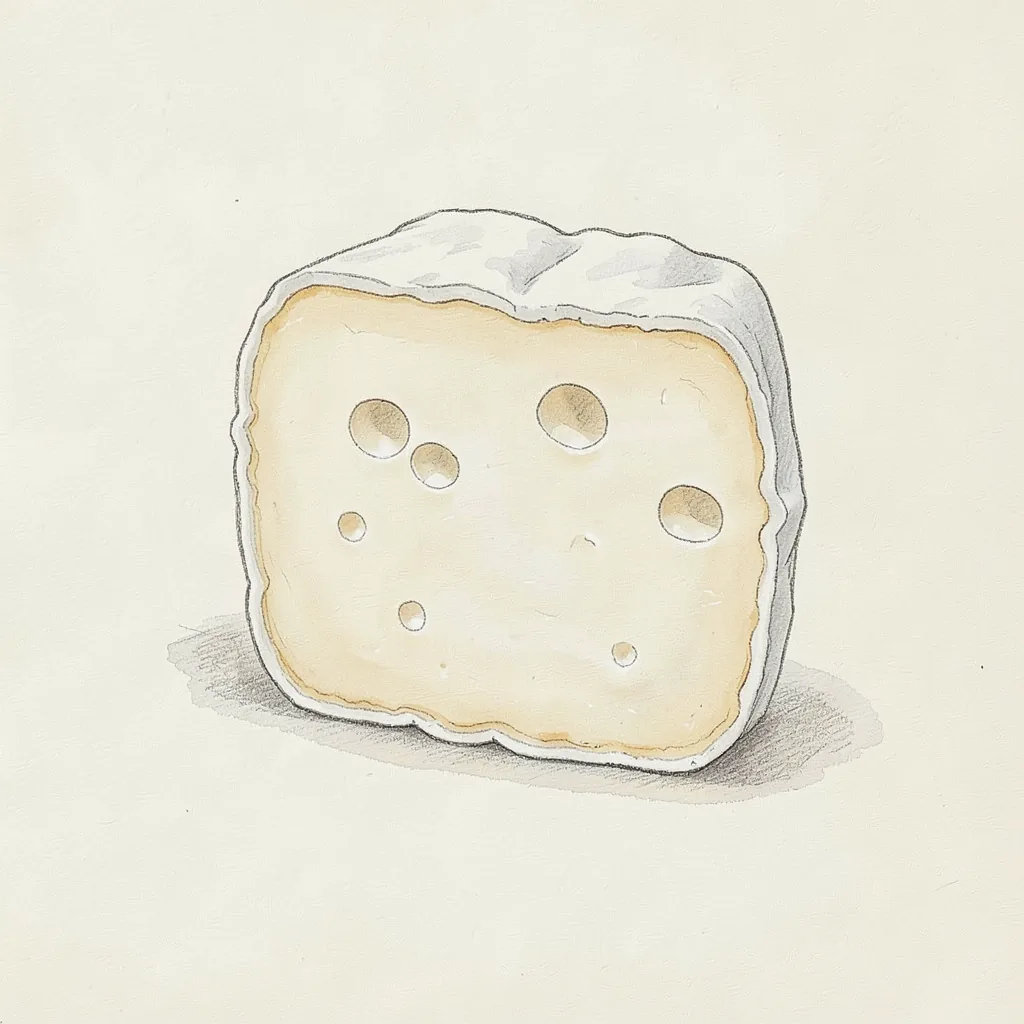
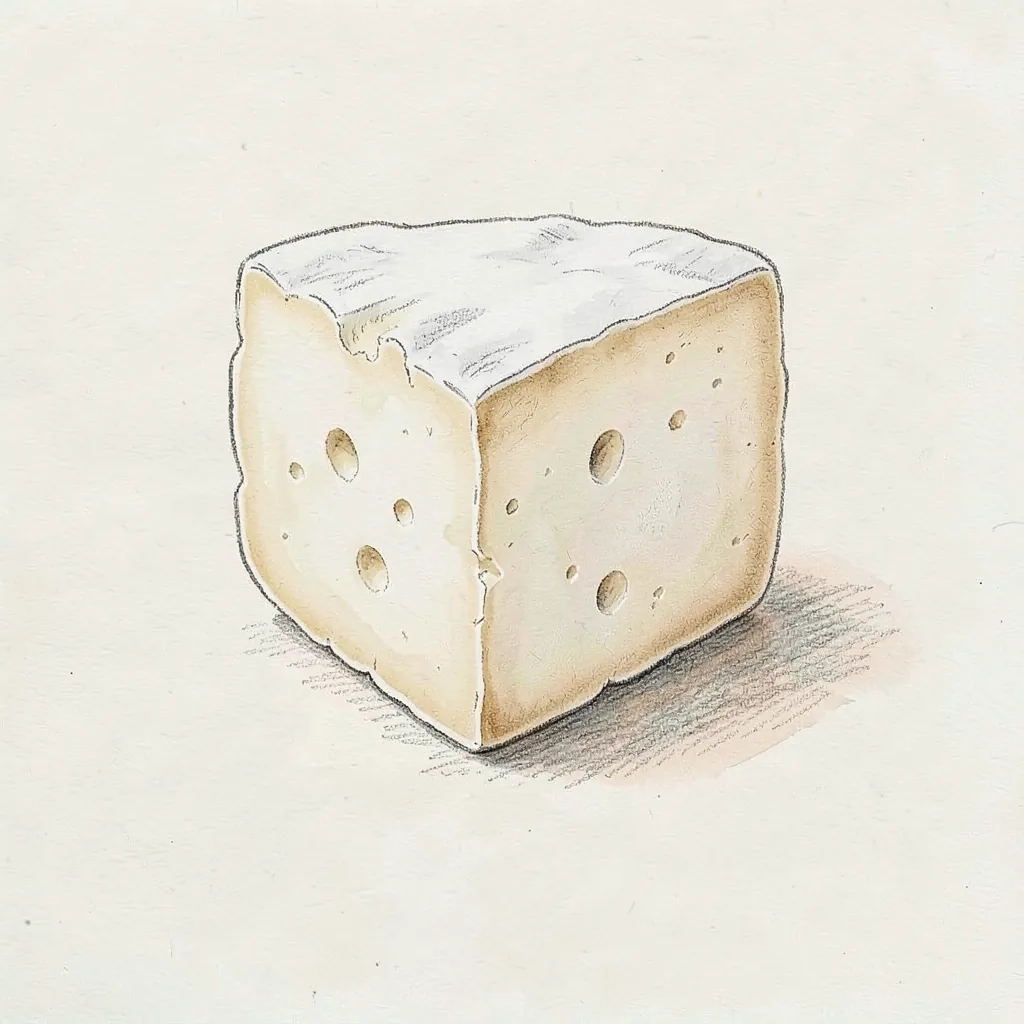
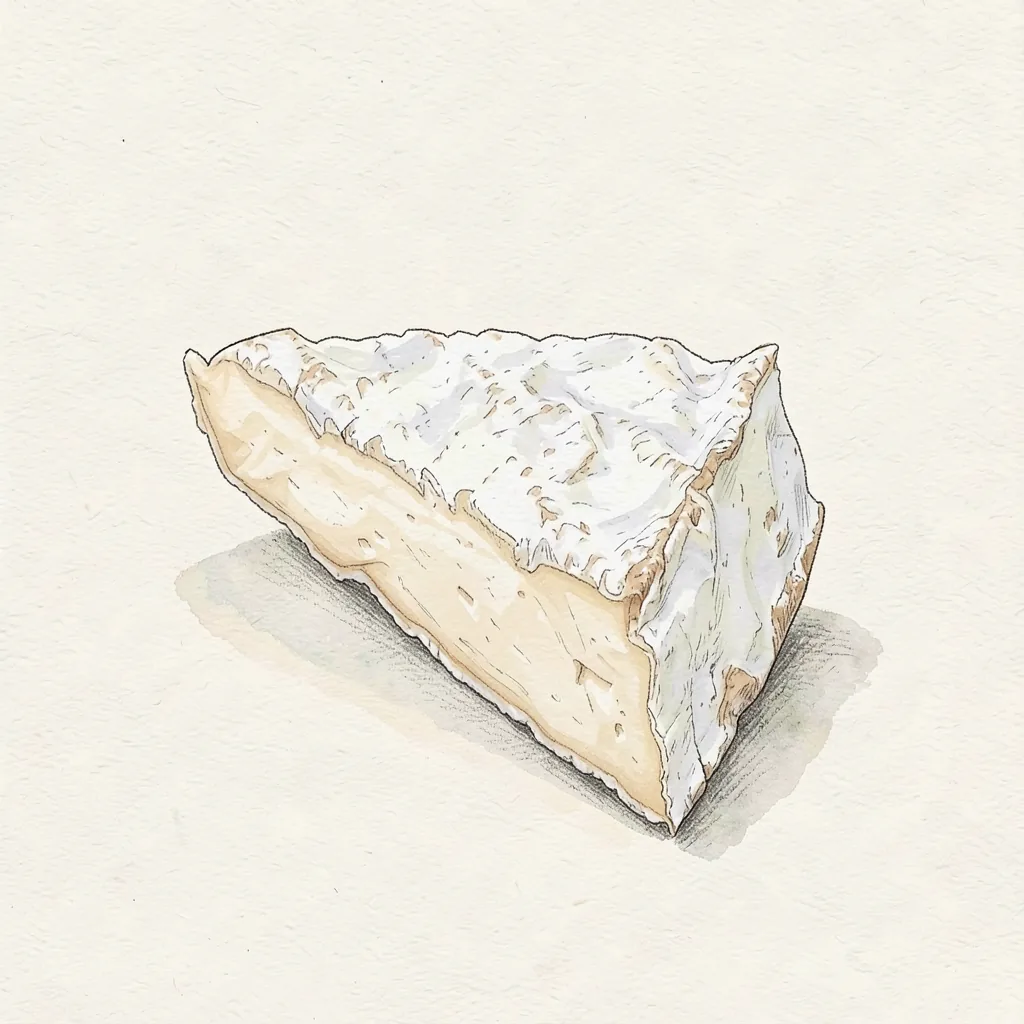
It belongs to the triple cream group, which means extra cream is mixed into the milk before the curd is set. The small wheel has a white bloomy rind and a pale, rich interior. France is the home of the brand, and the cheese is made for the table rather than for a long keep. A ripe piece feels lush and buttery, closer to thick cream than to a firm slicing cheese.
Shoppers usually meet it as a whole small cylinder or as a cut wedge in the soft cheese case. The rind is edible and lightly tangy, while the center is milder and sweeter. It is not a farmhouse wheel with a place name on the label, and it is not a hard cheese for grating. Serve it when you want a rich spread or a soft piece on a board. A little is enough, because the cream makes each bite heavy.
History
Saint-André is a modern French brand, not a farmhouse cheese tied to one old village recipe. Cream was added to cow's milk so the finished cheese would be richer than a standard soft cheese with a white rind. The name sits on a commercial label, and the recipe is made in a dairy rather than on many small farms. That path let the same style reach shops across France. The brand is still known for one small format and one very rich paste.
The style sits beside other French triple cream cheeses that also use extra cream and a bloomy rind. It was built to taste like a fuller, softer relative of Brie, with more butter and less of the earthy bite some aged soft cheeses develop. Because it is a brand, the label matters more than a dot on a map. Buyers should not expect a raw milk farmhouse variation under the same name. What they get is a steady, cream-heavy cheese meant to be eaten while the center is soft.
How it is made
Cow's milk is enriched with cream, then warmed and set with cultures and rennet. The curd stays soft and is handled gently so it keeps plenty of moisture. It is filled into small molds, and the whey drains until the cheese holds a short cylinder. Salt seasons the paste. A white mold is encouraged on the surface, and that mold becomes the bloomy rind that buyers recognize.
During ripening the rind knits into a soft white coat, and the interior turns from chalky to supple and creamy. The cheese is finished while the center is still moist and the flavor is fresh, not sharp. Makers do not press it into a hard wheel, and they do not age it into a grating cheese. The piece is wrapped for sale whole or as a cut wedge. The make aims at a careful, fairly short ripening so the cream stays sweet.
Taste
A ripe Saint-André tastes of sweet butter, thick cream, and a light tang from the rind. The paste is dense but soft, and it can slump a little when warm. Near the rind there is a mild mushroom note, and the center stays milder and sweeter. Salt is present but not the main flavor. The cheese should taste clean, and a bitter or harsh edge means it has gone too far.
Compared with a young Brie, the flavor is heavier and more buttery, with less of the quiet milky note of a simple soft cheese. The texture can show a slight grain under the creaminess, especially if the piece is very cold. At room temperature the paste spreads with a knife. The rind is edible and adds a gentle savory contrast. If the center is still chalky, the cheese is less ripe and the cream flavor is quieter.
In the kitchen
Saint-André is a board and bread cheese. Set it out of the cold so the paste softens, then serve it with plain bread, a ripe pear, or a few nuts. It can be spread on toast in a thin layer, because a thick slab is very rich. A little goes with salad leaves if the dressing is light. Strong pickles and very bitter greens can fight the butter taste, so keep the plate simple.
It is a poor choice for grating, and it is not the cheese to brown on a grill. In a warm dish, stir a small piece into a sauce at the end, off a hard boil, so the cream enriches the pan. Do not bake a whole wheel and expect it to hold a neat shape. After opening, wrap the cut face and keep it cold, then finish it soon. Leftover pieces turn soft and strong faster than a firmer cheese.
Around the world
Cheese shops outside France often stock Saint-André next to Brie and Camembert, because shoppers already know a white rind cheese. The difference is the extra cream, which makes this one richer and softer. It travels as a packaged brand, so the name on the label should match, rather than a generic soft cheese from another dairy. In export markets it is a specialty item, not a daily staple. Ask for it in the soft cheese case, and check that the rind is white and the paste still looks moist.
Brillat-Savarin and Explorateur are the closest French neighbors, and both are also triple cream cheeses with bloomy rinds. Use one of them if Saint-André is missing and you want the same lush texture. Brie is easier to find, but it is leaner and often firmer, so the board will taste less buttery. None of these names is a copy of the others. Read the label, because soft French cheeses can look alike and still behave differently at the table.