Cow
What it is
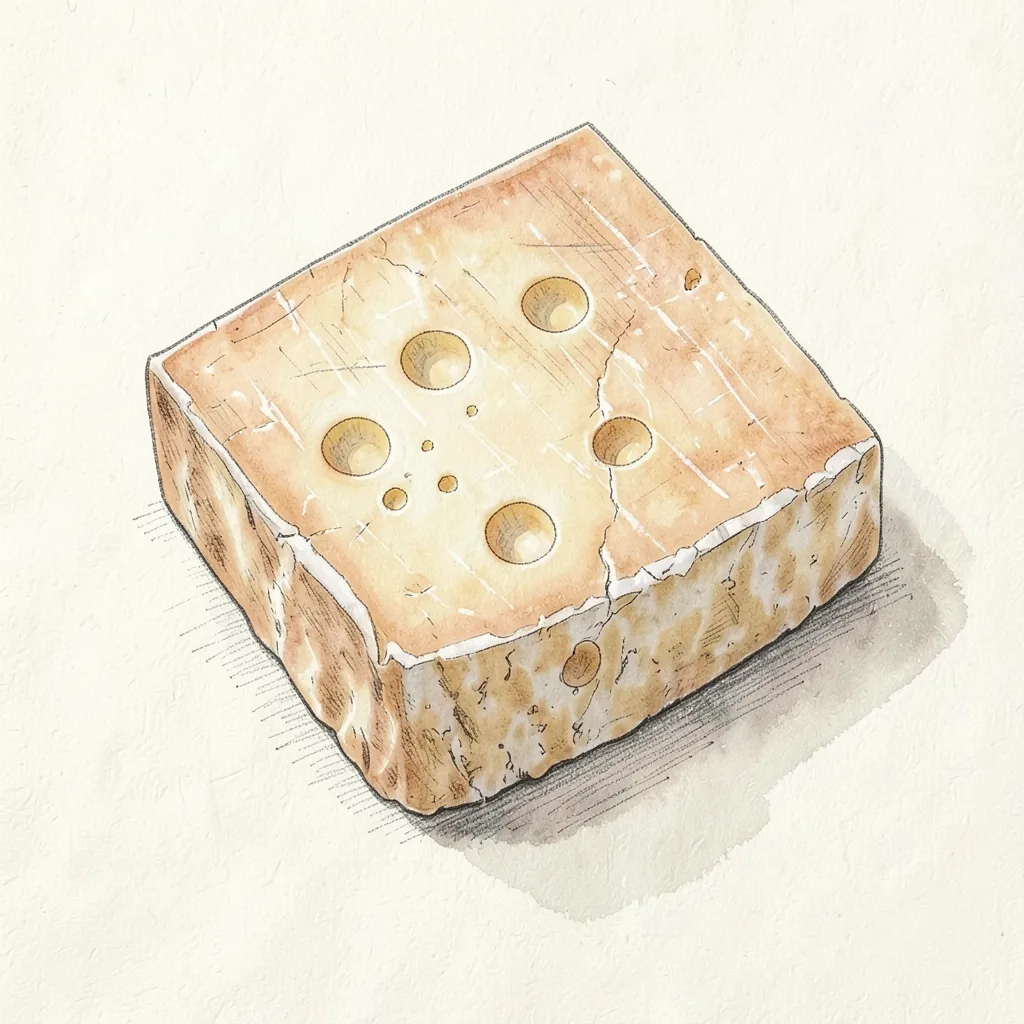
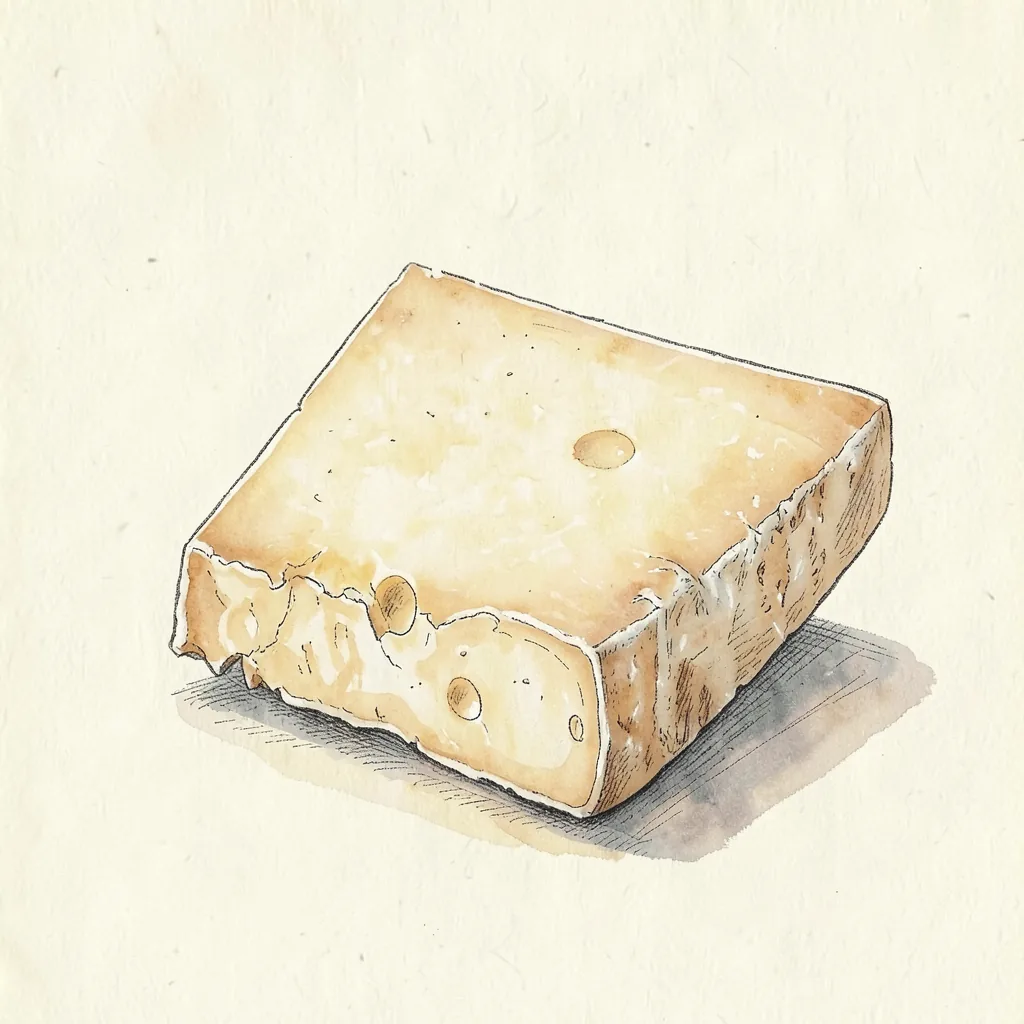
The wheels are large cylinders with a dry natural rind that moves from pale gray toward amber as they rest. Inside, the paste is ivory to straw colored, supple, and firm. The flavor is milky at first, then nutty, with a clean hay note from upland grazing. It is a serious table cheese, not a fresh soft one.
This style of cheese belongs with the great uncooked pressed cheeses of central France. Makers use whole milk and a long, careful pressing, so the paste stays rich but not rubbery. A younger wheel tastes gentler and more milky. More time in the cellar brings dried fruit, hazelnut, and a light savory edge. The rind is not washed into a strong smell, and the cheese should taste clean rather than sharp.
History
Laguiole comes from the high pastures of Auvergne, where cow herds graze open ground in the growing season. Mountain dairies turned that milk into large wheels that could be kept and carried. The method fits a place with rich grass and cool cellars. Raw milk, slow pressing, and a dry rind stayed at the center of the recipe. The cheese still tastes of that upland pattern rather than of a factory shortcut.
People sometimes mix the cheese up with the famous knife that shares its name. They are not the same thing, and only the wheel belongs in the kitchen. The cheese is a food from Auvergne herds, while the knife is a separate craft object. On a menu or a cheesemonger's slate, Laguiole means the pressed wheel unless the shop is clearly selling cutlery. Its reputation rests on pasture milk and a long cellar rest, not on the blade.
How it is made
Makers start with raw whole cow's milk and set it with rennet. They cut the curd, drain it, and press it in more than one stage so the texture can knit. Salt is added before the curd goes into tall cylindrical molds. A long pressing drives out whey and gives the wheel its dense, supple body. The work is slow and physical, which suits a large cheese.
After molding, each wheel rests in a cool, humid cellar, and the rind stays dry and natural. Makers turn and brush the surface so it can dry evenly and take on color. Time in the cellar moves the flavor from fresh milk toward hay and hazelnut. The paste should remain smooth and sliceable, not chalky. A well-finished wheel feels substantial and smells clean.
Taste
Laguiole tastes milky and balanced before it tastes strong. Early on the tongue you get sweet cream, fresh grass, and a light salt, and then a hazelnut note arrives. Some wheels add a hint of dried hay or brown butter as they rest. The finish is long but not harsh, and any bitterness stays faint. There is no blue mold and no washed-rind funk in a typical wheel.
Texture is part of the pleasure. The paste is firm enough to cut in clean slices, yet it yields and feels moist. It is not crumbly like a very old hard cheese, and it is not runny. Against the tongue it seems rich without being oily. A thinner slice, served cool rather than icy, shows the nut and hay notes more clearly than a thick chunk.
In the kitchen
Laguiole belongs on a cheese board with bread, butter, and a simple fruit. Walnuts, firm pears, and cured ham all suit the nutty paste. It also melts into potato dishes from the same part of France, where cheese and potato are mashed together until smooth and stretchy. Slices can top a gratin or slip under a roast. Do not drown it in strong spices, because the hay and hazelnut notes are the point.
For cooking, choose a piece that is supple, not dried out, and grate or thinly slice it so it melts evenly. A younger wheel is milder and stretches more in a hot potato dish. An older wheel tastes nuttier and works better in small amounts beside bread. Many cooks trim the rind before melting, though some people eat that firmer edge. Keep the cut face wrapped so it does not dry in the refrigerator.
Around the world
Outside France, Laguiole is less common than Brie or a standard Gruyère, and many shops never stock the large wheels. Specialists and French importers are the usual source. Because the wheels are big, buyers often see a cut wedge rather than a whole cheese. The name can confuse people who have only met the knife. Ask for the cheese from Auvergne if a label is unclear.
Cantal and Salers are the closest stand-ins, since both are pressed cow's milk cheeses from the same French uplands. A young Cantal will be milder, and a mature Salers may taste wilder. Gruyère can fill a melt if you want a nutty slice, but it is a different, cooked-curd style. None of these copies the exact hay note of Laguiole. Use them when the real wheel is out of reach, and keep the seasoning simple.