Cow
What it is
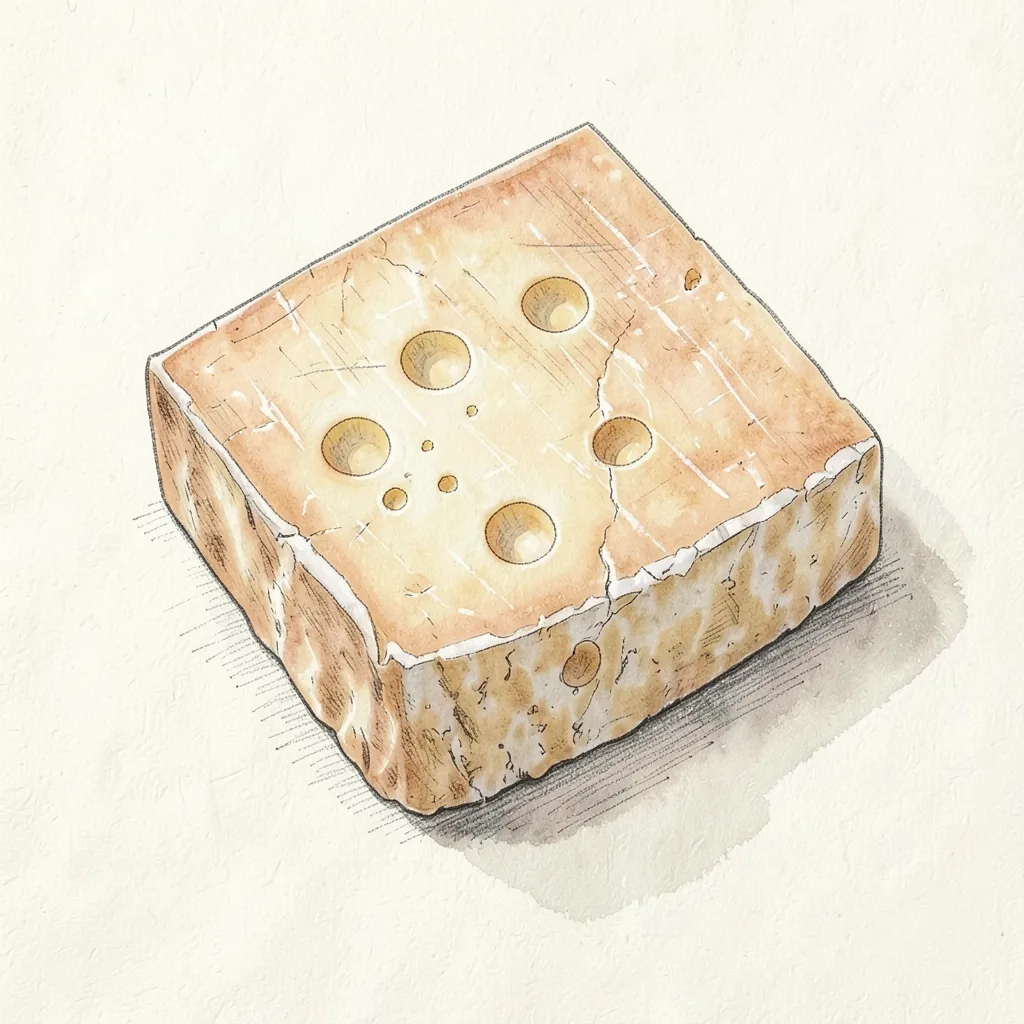
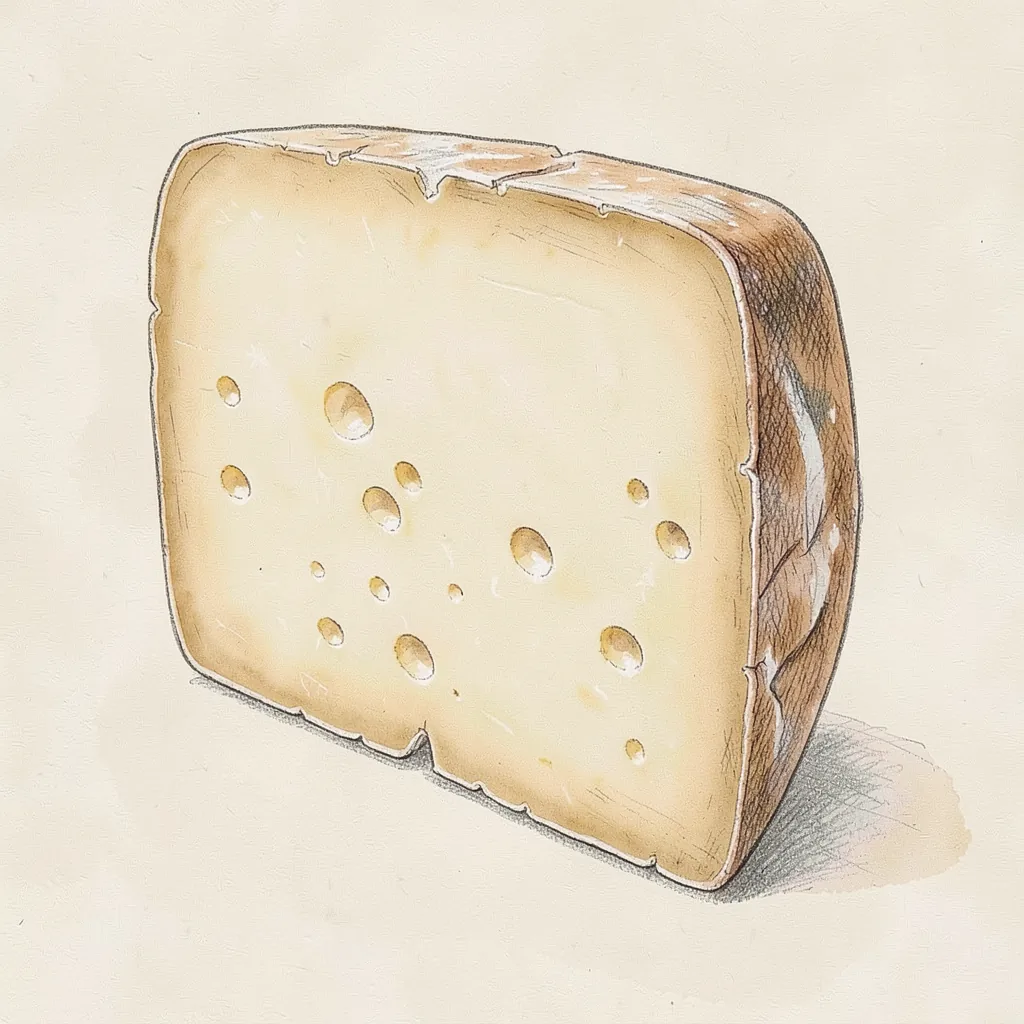
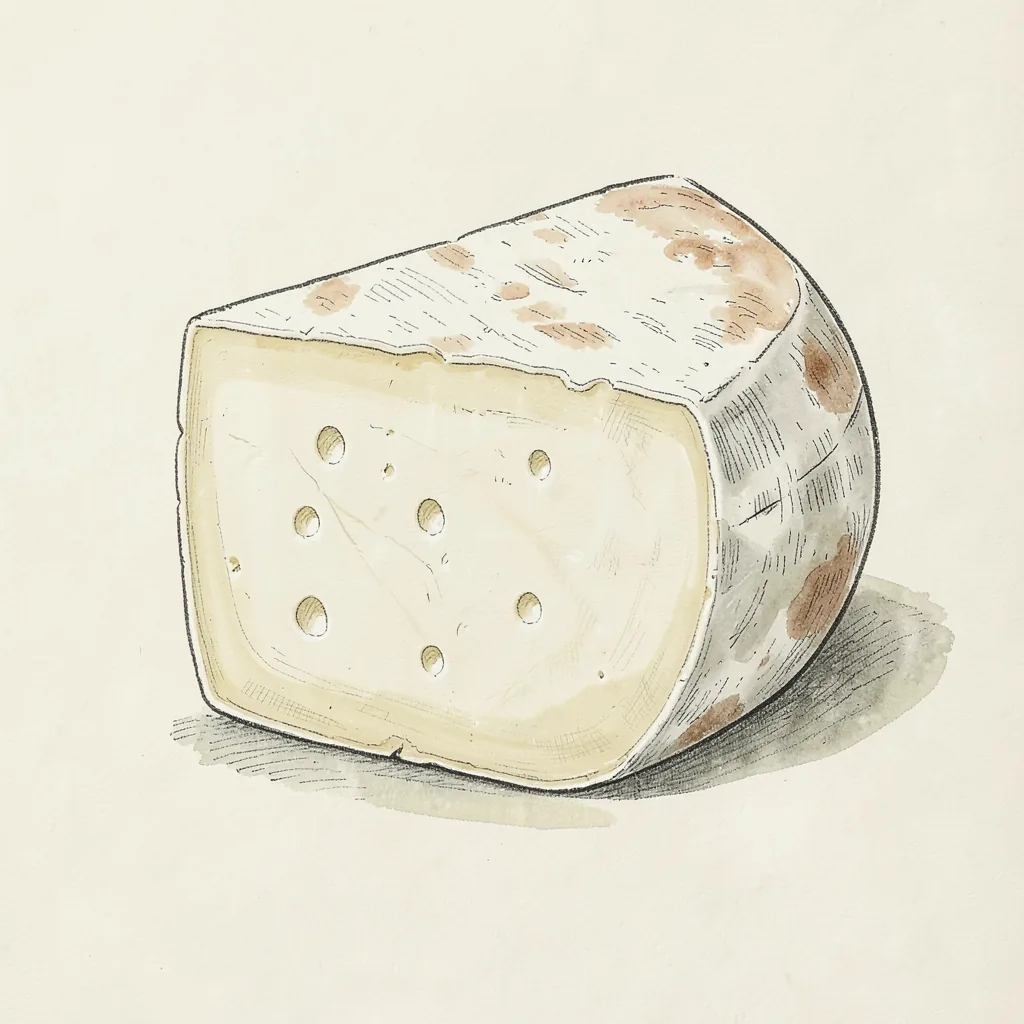
It is made only on farms, and only while the cows are out on pasture. The milk is raw and whole, and it is worked soon after milking. The cheese shares its name with the Salers breed, though not every wheel comes from that breed alone. A thick, dry rind covers a firm golden paste.
The flavor is rustic and strong, with fruit, hazelnut, grass, and a clean tang that grows with age. Young cheese can taste buttery and floral. Older cheese turns spicier and more persistent. The paste is firm, then melts on the tongue rather than crumbling to dust. It is a board cheese and a cooking cheese, closer to Cantal than to a soft washed rind from the same region.
History
Salers is counted among the old cheeses of Auvergne. Herders made large pressed wheels from the milk of cows grazing volcanic highland pasture. The work was tied to the season when the animals were outside, not to a winter barn diet. The name is shared with a local cattle breed known for its dark red coat, and that link is still the story buyers hear first.
A wheel labeled Tradition Salers comes only from the Salers breed. Other Salers may use milk from different cows, as long as the farm rules of the style are met. In either case the cheese is a farmhouse cheese, not a factory block. Makers once worked in simple stone huts in the summer pastures, and most wheels are now made on the farm, still only in the grazing season.
How it is made
Milk goes into the make while it is still warm from the cow. It is not cooled and then reheated. Rennet sets the curd in a vat, and the traditional vessel is a wooden gerle whose surface carries useful microbes from earlier batches. The curd is cut, gathered, and pressed to drain. After a rest, it is milled, salted, and packed into a cloth-lined mold.
The cheese is pressed again until it knits into a large wheel. Aging takes long enough for a thick natural rind to form, dry and rough, in shades of gold, gray, and sometimes rust. The interior stays a deep yellow and fairly tight, with a few small openings. Nothing is cooked in the curd, so the paste is not the glassy type of a long-cooked alpine cheese. Each farm's cellar and pasture leave a mark on the finished wheel.
Taste
Salers smells of pasture, warm milk, and sometimes a light animal or cellar note that should stay clean. On the tongue it is firm, then rich and melting. Butter, hazelnut, fruit, and a peppery edge are common, and no two farms taste identical. Young cheese is broader and gentler. Older cheese is drier at the rind and more forceful in the center.
The rind is thick and not the part you eat in any quantity. Under it, the paste should not be chalky or sour in a spoiled way. A bitter or soapy slice is a fault, not a sign of age. Salt is present, but the cheese is not a brine cheese. At cool room temperature the fruit and nut notes are easier to catch than when the slice is cold from the refrigerator.
In the kitchen
Put Salers on a board with rye or a country loaf, butter, and a firm fruit such as apple or grape. Walnuts and a not too sweet jam work if the cheese is not already very strong. Shave or grate an older piece over vegetables, potatoes, or a gratin. It softens in heat and adds a savory, slightly sharp layer. It will not stretch like a pasta cheese.
Because the flavor is bold, use it where you want the cheese to be noticed. A little goes into a sauce or a stuffed vegetable without disappearing. Pair young cheese with lighter dishes and older cheese with roast meats or a bitter green. Trim the thick rind before you cook. Wrap the cut wheel well, since the paste can dry once the rind is broken.
Around the world
Outside Auvergne, Salers is a specialty cheese rather than a common block in every shop. French cheese shops are the usual source. Ask for the farmhouse wheel, and ask whether it is Tradition Salers if the breed matters to you. A thick rugged rind and a deep yellow paste are what you should see. A mild uniform block with no rind is not this cheese.
Cantal is the cheese most often confused with Salers. Both are pressed, uncooked cow's milk cheeses from Auvergne, in large wheels. Cantal is more widely made, including in dairies, and it is often milder. Laguiole can substitute on a board when you need a firm, nutty French cheese. Saint-Nectaire comes from the same region, but it is softer, with a washed rind, so it will not behave the same way.