Cow
What it is
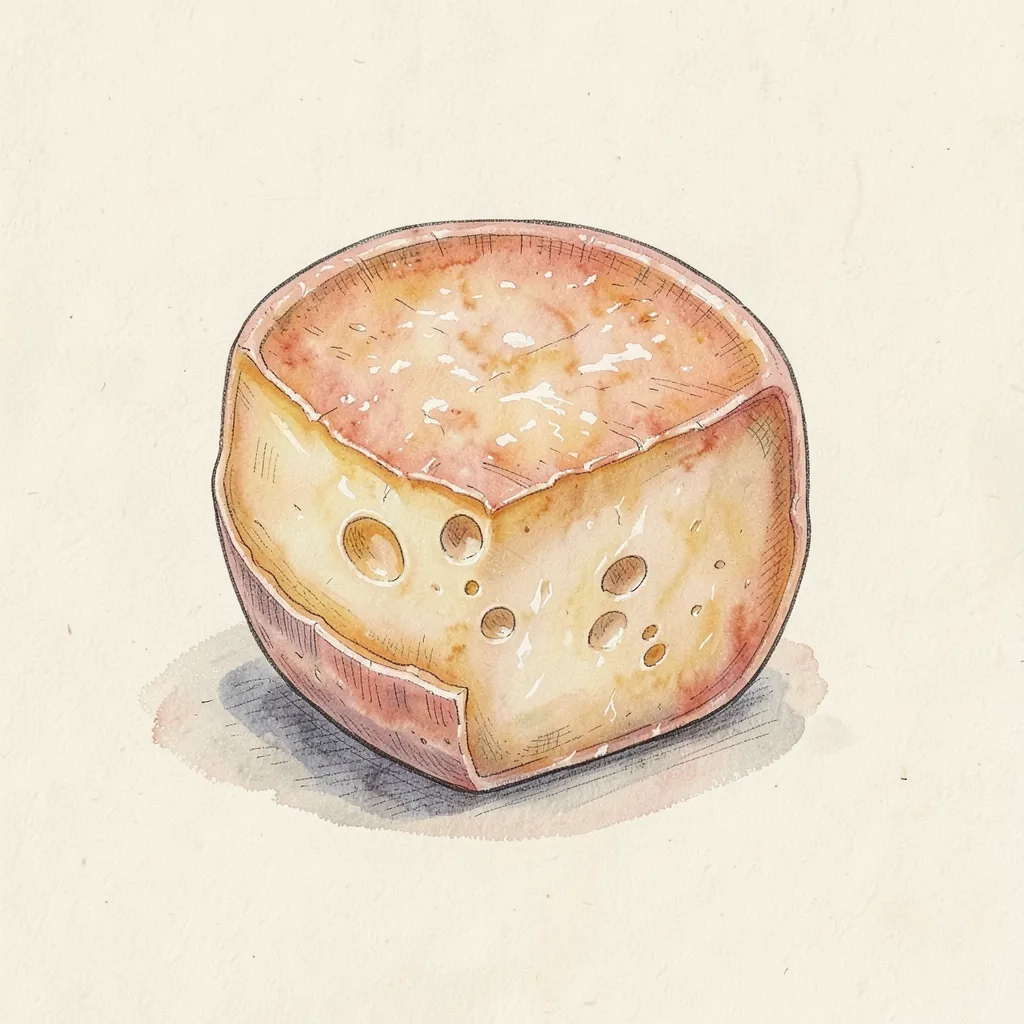
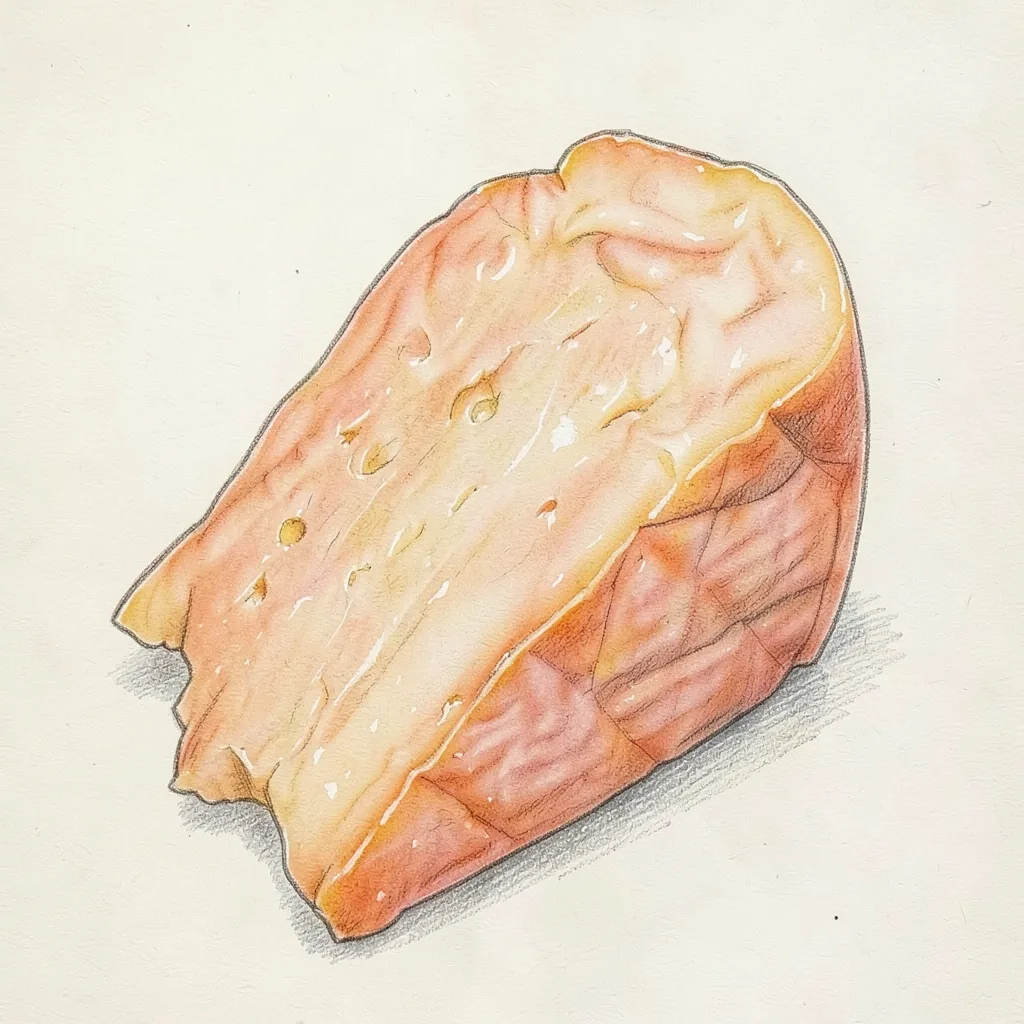
It is a washed-rind cheese with a wrinkled orange surface and a pale, creamy interior. The top sinks into a shallow hollow as it ripens, because the rounds are not turned during aging. The smell is strong and savory. The taste is salty and rich, and it is usually gentler than the aroma first suggests.
A whole round is small enough for a few people, and the hollow in the top is part of how some people serve it. A spoon of Champagne or marc can go into that dip and seep into the paste. The cheese is still itself if you skip the wine. It is not a bloomy white round, and it is not a hard alpine wheel. The sticky rind and the soft center are the marks to look for on the counter.
History
Washed-rind cheeses have a long place in Champagne-Ardenne, where farms and dairies turned cow's milk into small soft rounds. Langres took its identity from that practice and from the sunken top the make produces. The hollow is not a crack and not a fault in the paste. It forms because the cheese rests upright and is not flipped while the rind develops. People in the region came to treat that dip as a place for a splash of local wine or spirit.
The cheese stayed tied to Champagne-Ardenne even as counters elsewhere in France learned the name. It was never a huge wheel built for long storage in a cellar. The small format suited one table and one meal. Makers kept washing the rind so the orange surface and the strong smell would develop together. That routine, more than any one dairy house, is what buyers still expect, and the region named on a true label is still Champagne-Ardenne.
How it is made
Makers set cow's milk, cut the curd, and ladle it into open cylindrical molds. The curd drains without a heavy press, so the paste stays moist and soft. Salt and repeated washes of brine help a sticky rind grow on the surface. The surface life of a washed rind turns the coat orange and aromatic. The rounds stay upright through this time, and the top slowly settles into a shallow hollow.
Ripening continues until the center softens and the rind smells distinctly savory. A younger round is firmer and milder under the knife. A riper round slumps a little and tastes fuller from rind to center. The cheesemaker does not add a blue vein and does not leave the coat bare and dry. Washing is the surface treatment that defines the cheese, and the paste is ready for the table when it yields near the rind.
Taste
The rind smells of salt, cellar damp, and a meaty savor that can surprise a first-time buyer. The paste tastes milder than that smell, with cream, salt, and a gentle tang. A bite that includes a little rind is stronger than a bite from the middle. It should taste clean, not soapy, and not bitter. At room temperature the edges turn soft, and a ripe piece is nearly spoonable.
A splash of Champagne or marc in the hollow adds a wine note, but it does not erase the dairy flavor. Without that splash, the cheese is still salty and rich. The finish lingers, then fades back toward cream. A very ripe piece can taste more forceful, and the smell can cross a table. That power is normal for a washed rind at full maturity, and you can trim the rind if you want the gentler center on its own.
In the kitchen
Serve a whole round on a board and let people cut from the soft center outward. Spoon the paste onto bread, or lay a wedge beside potatoes or a green salad. It melts into a baked dish if you want a strong savory cheese rather than a mild one. Use a light hand, because a little covers a lot of bread or potato. Do not try to grate it, because the texture is far too soft for a grater.
If you pour wine or marc into the hollow, give it a short rest so the liquid moves into the paste. Skip that step when you want a plainer plate. Pair the cheese with crusty bread, boiled potatoes, or a simple bitter green. Very sweet fruit can clash with the salty rind, so keep fruit for a different cheese on the board. Wrap leftovers well, because the smell will fill a closed fridge, and finish an open round soon.
Around the world
Outside France, Langres appears in shops that carry washed-rind cheeses, often near Epoisses. The sunken top is the easiest way to tell it apart on a crowded counter. A flat orange round with a similar smell may be a cousin, not this cheese. Read the label for the name and for Champagne-Ardenne. A ripe piece should give a little when you press it, without dumping whey all over the paper wrap.
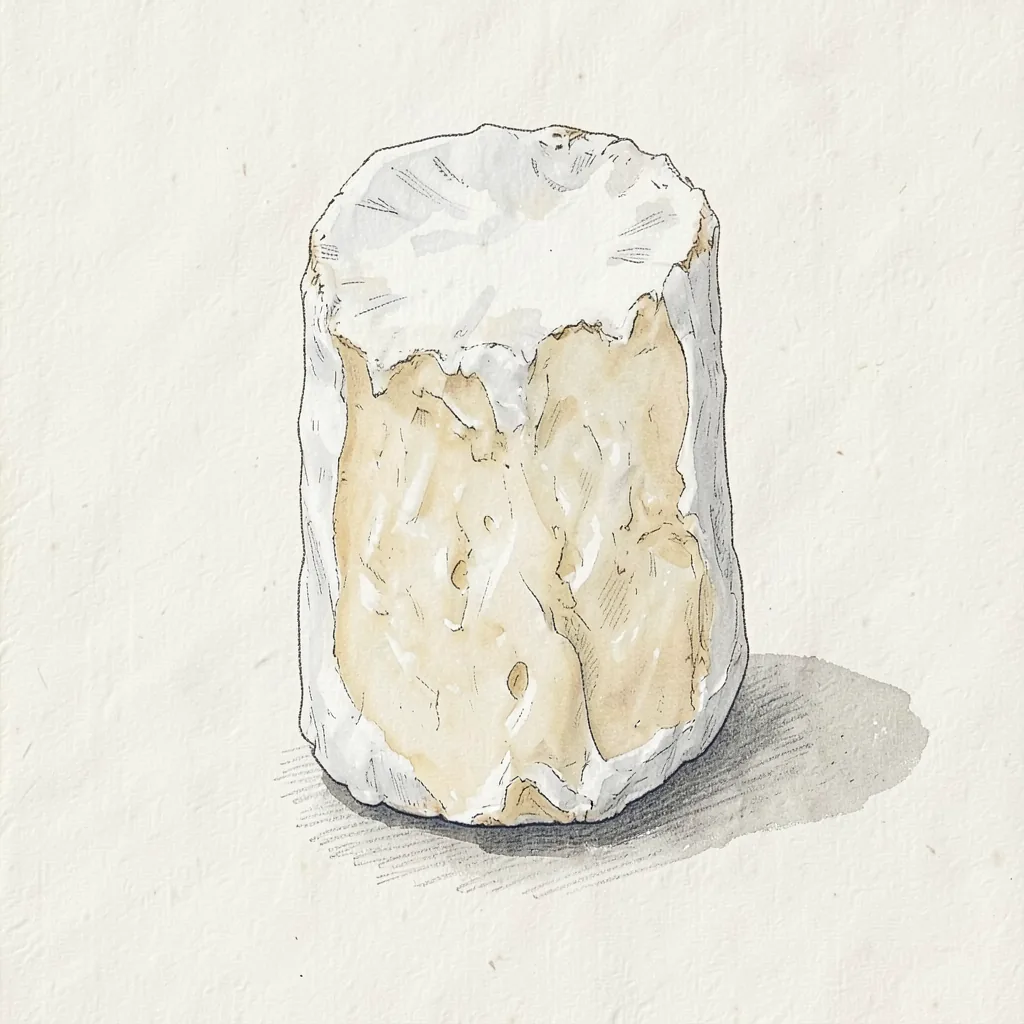
Epoisses is the usual substitute, and Munster can also stand in when you need a salty washed-rind cow's milk cheese. Neither one has the same hollow top, so the splash of Champagne is not part of those cheeses. Chaource comes from a nearby French tradition, but it wears a white bloomy rind and tastes milder. Do not swap them and expect the same plate. Ask for Langres when the hollow and the strong rind are the point of the meal.