Cow
What it is
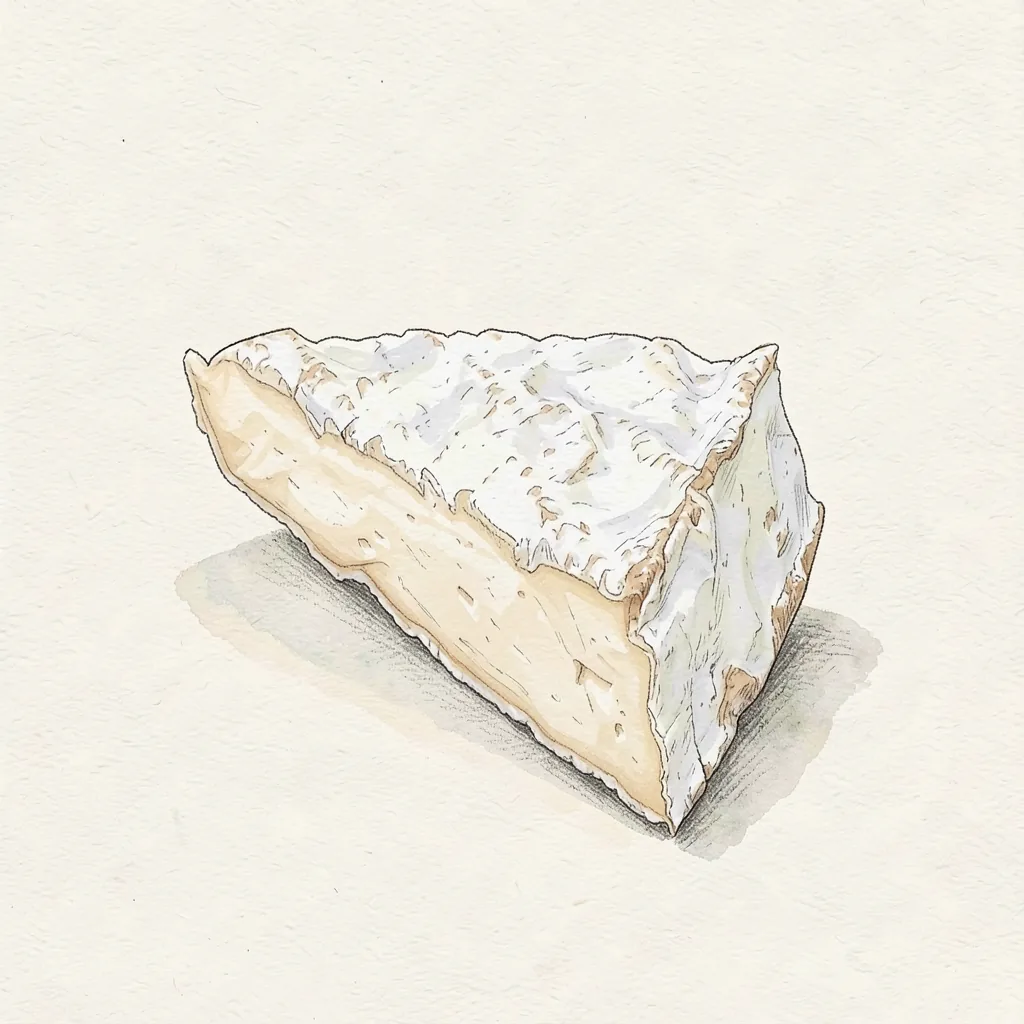
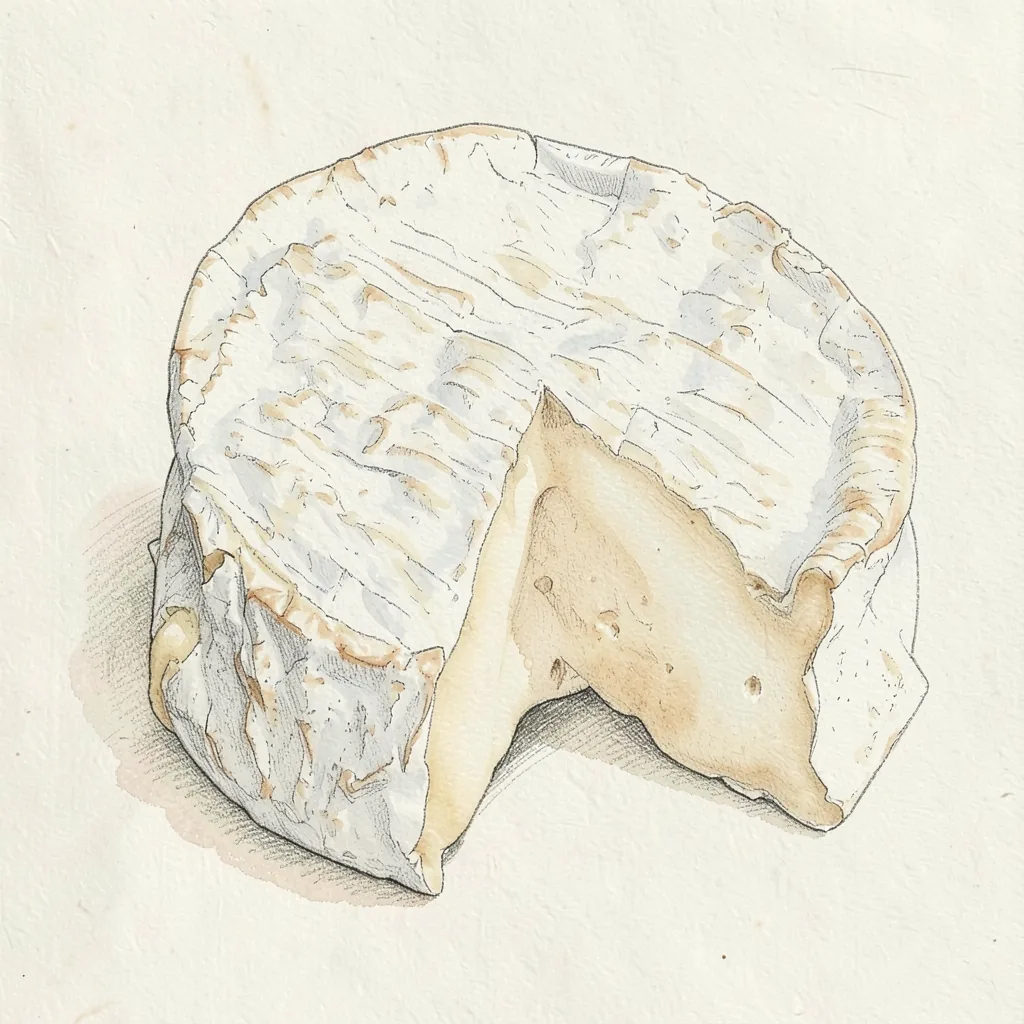
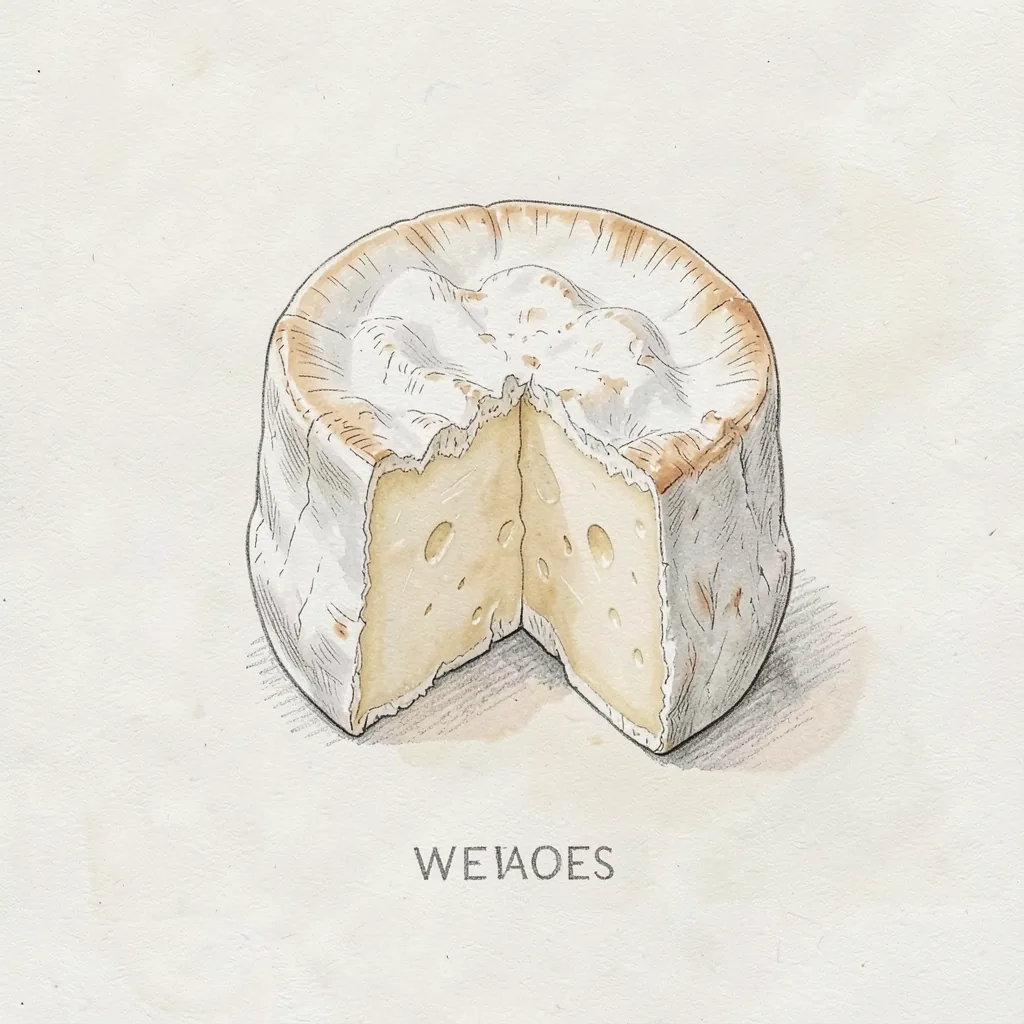
It is a bloomy-rind cheese, with a white coat and a tall drum shape that stands higher than a flat Brie. A young wheel keeps a chalky line through the center and a creamier layer under the rind. As it ripens, more of the paste softens and the flavor fills out. The style sits closer to Camembert than to a washed-rind cheese with an orange coat.
The taste is mild, milky, and a little nutty, with mushroom from the rind and a clean tang. It is less forceful than a fully ripe Camembert and less buttery than a very rich bloomy cheese. You can slice a young wheel or spread a riper one on bread. The rind is thin and pleasant to eat when it looks fresh and white. Chaource belongs on a board first, though it can also melt on a simple dish.
History
Chaource took shape as a farmhouse cheese in Champagne-Ardenne, where cow's milk became small bloomy drums for local tables. The tall format and the soft white rind made it easy to tell from flatter Brie-style cheeses made nearby. Households ate it young, when the center was still chalky, or waited until the cream line moved inward. The cheese stayed tied to that region even as dairies steadied the make. It remains a regional French soft cheese, not a blue and not a pressed alpine wheel.
Makers learned to sell two clear moments of ripeness side by side. A younger cheese shows a firm core against a soft edge under the rind. A riper cheese is creamier through the middle and has a fuller mushroom aroma, and both ages are still Chaource. The words Champagne-Ardenne on a label point back to that French region. Shoppers should not confuse the white rind with the orange washed rind of Chaumes, despite the similar opening letters.
How it is made
Cow's milk is cultured and set with rennet, and the curd is then ladled into tall cylindrical molds. Little or no heavy press is used, so the paste stays moist and can ripen from the outside inward. Whey drains slowly through the open molds. The cheeses are salted and moved into a cool, humid room. A white bloomy mold is encouraged on the surface, and that coat builds the rind and softens the paste under it.
Because the drum is tall, the center stays firm longer than the outside, and that contrast is a normal stage, not a flaw. Affineurs turn the cheeses and watch the rind until it is white and fairly dry. Some wheels are sold while the core is still chalky and mild. Others stay until the creaminess reaches the middle of the paste. Brine washing, spice coats, and blue cultures are not part of the standard make.
Taste
Young Chaource tastes fresh, milky, and lightly salty, with a bright tang and a firm, moist core. The softened edge under the rind is creamier and a bit like mushroom. As the wheel ripens, nutty notes and mushroom notes both grow, and the center loses its chalk. It should taste clean, not soapy, and not harshly bitter. A hint of hazelnut and warm butter is a good sign in a riper piece.
The rind carries more mushroom and cellar flavor than the pale paste inside. Eat the rind if it is white and pleasant, or trim it if the taste is too strong for you. An overripe wheel can smell of ammonia and turn sharp on the tongue. That smell is a storage problem, not the character of a cheese in good condition. At the right point, Chaource stays gentle enough for people who find ripe Camembert too strong.
In the kitchen
Serve Chaource with a baguette, pears, or grapes, and let a cold wheel warm first so the creamy edge can soften. A young slice holds its shape on a plate or a piece of bread. A riper piece can be spread instead of sliced. It melts over potatoes, chicken, or toast if you add it late and keep the heat moderate. The mild flavor will not hide a heavily spiced sauce, so let the cheese stay the soft note.
A chalky young wheel is pleasant in a salad or with raw vegetables, where you want a milky bite rather than a running paste. Wait for a riper wheel if you plan to spoon it onto warm bread. A light white wine or a dry sparkling wine fits it well, and very sweet condiments should stay small. Wrap any cut cheese and use it soon, because the cut face dries and the aroma climbs. Do not freeze it if you still want a creamy texture afterward.
Around the world
Chaource is exported, but it is less common in ordinary supermarkets than Brie or Camembert. Cheese shops are the reliable source, and the tall drum is the easiest visual clue. A label that names Champagne-Ardenne matches the home region of this cheese. If the rind is orange and sticky, you are likely holding a washed cheese with a similar name, not Chaource. Choose a wheel that yields softly at the edge and smells clean, not sharp.
Brie and Coulommiers are the closest common substitutes, and both are cow's milk cheeses with white bloomy rinds. Camembert will work in a cooked dish, but it brings a stronger aroma. Fromager d'Affinois is creamier and milder if you want richness without a chalky core. Chaumes looks different once you see the orange rind, so do not buy it as a match. Ask for a mild bloomy drum, and say if you want the cheese chalky and young or creamy and ripe.