Cow
What it is
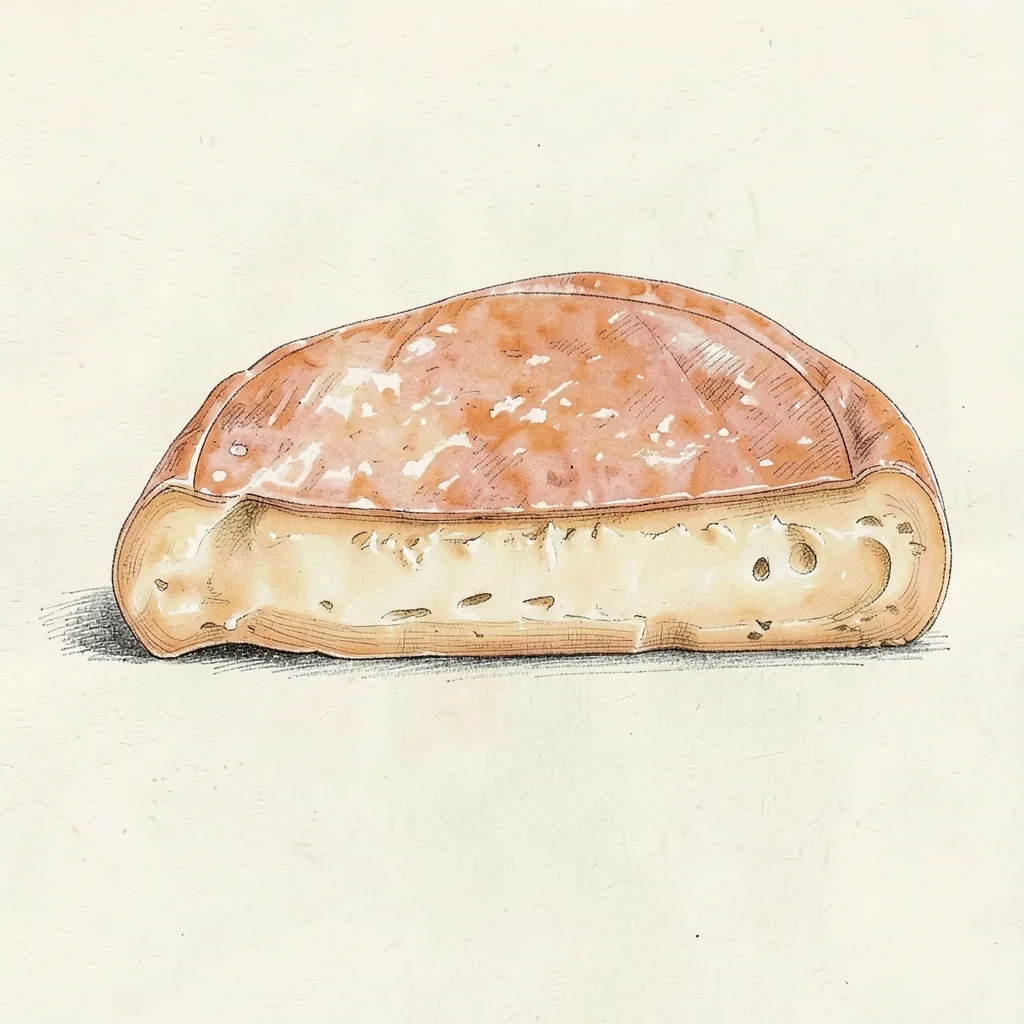
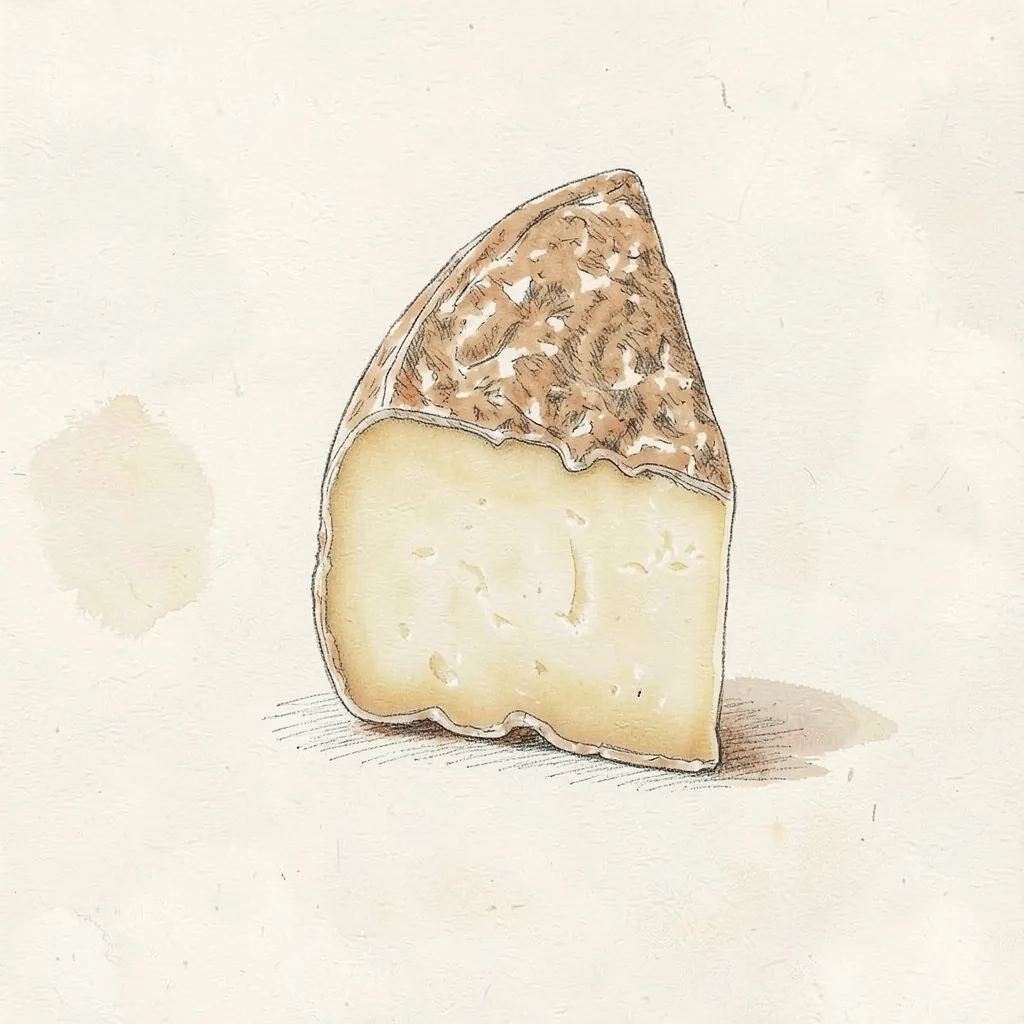
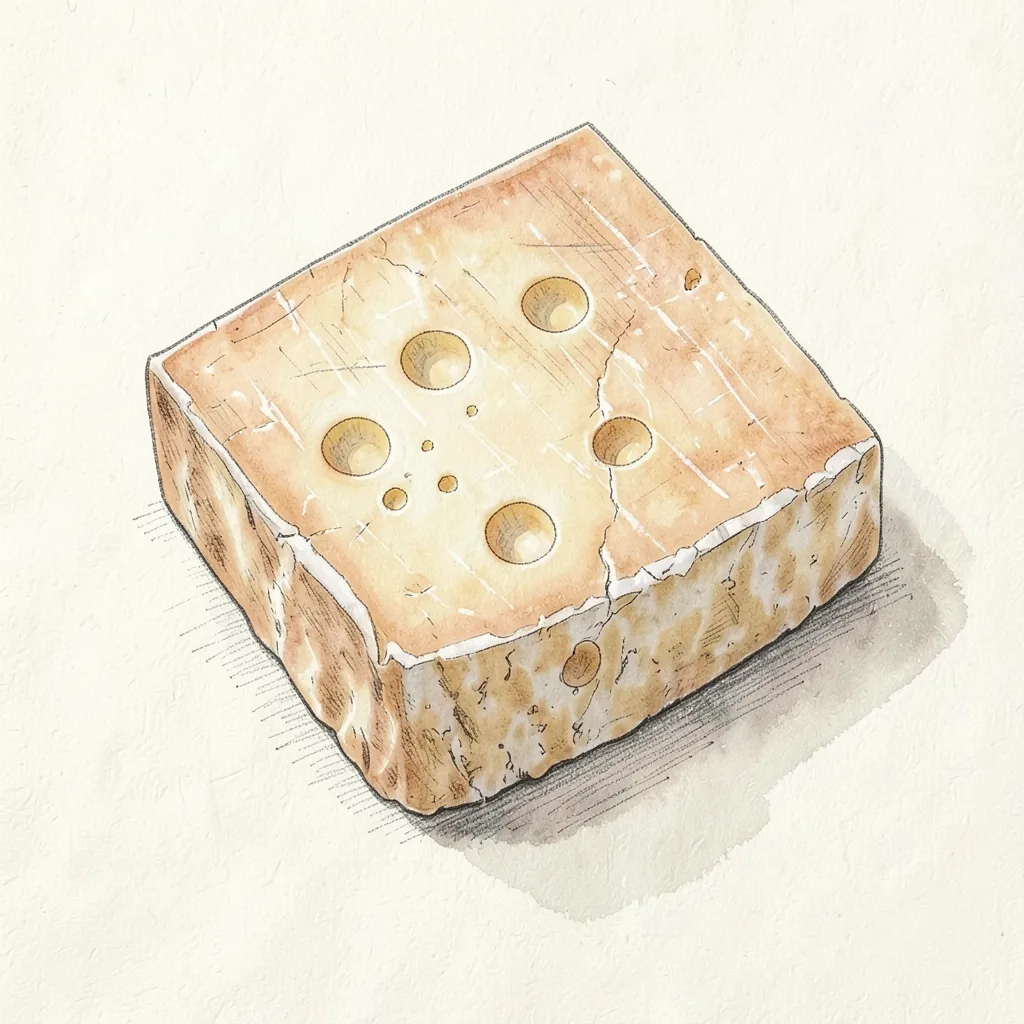
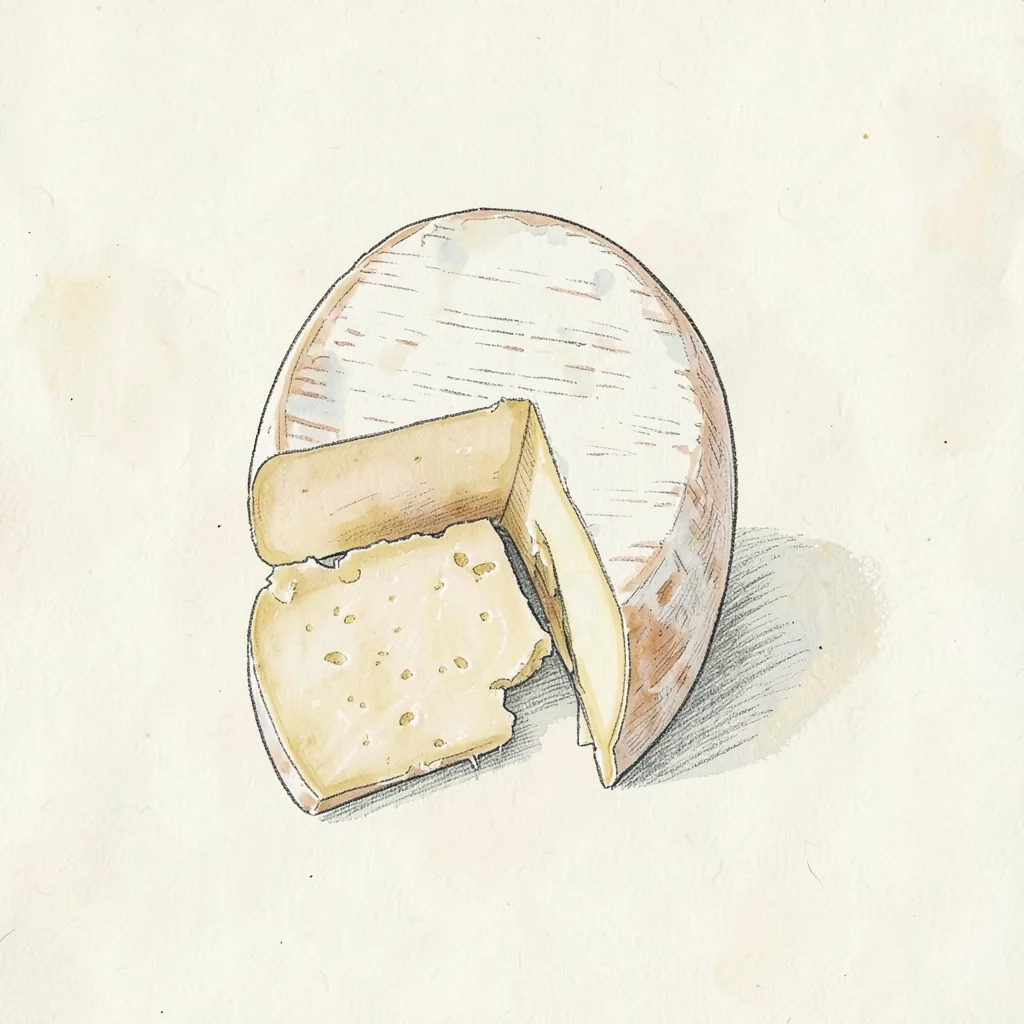
It is pressed, not cooked, and formed into a flat round with a gray, mottled rind. The paste is supple, ivory to pale gold, and usually has a few small holes. The smell of the rind suggests damp earth, straw, and a cellar, while the inside stays milky. Farmhouse and dairy versions both exist, and the label tells them apart.
A ripe piece tastes of butter, cream, hazelnut, and a light salty tang. The rind is edible, though some people trim the driest spots. Texture should yield to a finger without collapsing into a liquid. This is a table cheese for bread and also a cooking cheese for potatoes and gratins. Auvergne pastures give the milk its reputation, but the flavor people notice is nutty and gentle rather than sharp.
History
Saint-Nectaire grew up as a cheese of the Auvergne highlands, where herds and cellars were part of ordinary farm work. The flat round was practical to press, turn, and store. Its name is the name of its home area, and the cheese has long been one of the region's best-known rounds, along with harder cheeses from the same mountains. Dairy plants later made a more uniform version from collected milk. Farm production continued beside that trade.
The useful distinction today is between farmhouse cheese and dairy cheese. Farmhouse wheels are made on the farm from the raw milk of that farm, often in smaller batches. Dairy wheels may use pasteurized milk collected from several farms, and they tend to taste milder and more even. A small green plaque on many farmhouse rounds helps buyers spot them. Aging still happens in humid cellars, where the gray rind develops its mixed coat.
How it is made
Cow's milk is warmed gently and set with rennet until it forms a smooth curd. The curd is cut into grains, stirred, and placed in round molds. It is pressed, but it is not cooked the way a very hard mountain cheese is cooked, so moisture remains. Salt is added by rubbing or with brine, and the rounds are turned. At this stage the cheese is pale, firm, and almost without aroma.
Ripening does the rest. The rounds sit in cool, damp cellars and are turned and rubbed so the rind stays sound and grows a coat of white, gray, and sometimes orange molds. That coat is the source of the cellar and straw aromas. Time in the cellar moves the flavor from simple milk toward hazelnut and butter. A young round is mild, while a longer-aged round has more earth and a fuller finish without turning harsh.
Taste
Expect a gentle cheese, not a pungent one. The paste tastes of fresh milk, cream, and butter, with hazelnut and a hint of straw as it ripens. Salt is moderate, and acidity stays low, so the finish is clean. The rind smells more strongly of damp earth, mushrooms, and a cellar floor. Eaten together, the slice balances that earthy edge with a sweet, milky center.
The paste is smooth, supple, and slightly elastic, with a moist shine when it is ready. A few small eyes are normal and do not mean poor texture. The rind is thin, velvety or a little rough, and gray with cream, brown, or rusty patches. It should not be cracked and dry all over, or slimy and bitter. If the paste smells only of ammonia, the round has gone too far.
In the kitchen
Serve it with country bread, walnuts, and a not-too-sweet fruit, and let the cheese warm so the paste softens. The rind can stay on for people who want the earthy aroma. It is excellent melted over boiled potatoes, in a tart, or through a simple gratin. Slices also go into a ham sandwich and soften without flooding the bread. Do not grate it like a hard cheese, because the body is too supple for dry shreds.
Heat should be moderate so the cheese melts and browns lightly instead of separating into oil. It can replace other supple mountain cheeses in potato dishes when you want a nutty, savory sauce. On a board, one round or a large wedge is easier to share than many tiny pieces, because the center and the rind taste different. Pair it with cured ham or a green salad if the plate needs something fresh. It is not a spreading cheese in the way a ripe Brie is.
Around the world
Outside Auvergne, Saint-Nectaire is less famous than Brie or Camembert, but cheese shops that carry French pressed cheeses usually know it. Buyers sometimes confuse it with a Tomme because both have a gray rustic rind and a supple cow's milk paste. Saint-Nectaire is usually flatter, nuttier, and more buttery. Cantal, from the same region, is larger and harder, and it grates more readily. Knowing those neighbors prevents a wrong purchase.
In French homes it is a dependable cheese for potatoes, picnic bread, and a weeknight gratin. Restaurants abroad use it when they want a melted cheese with a cellar aroma that is milder than a washed-rind round. A Reblochon or a Tomme de Savoie can stand in for cooking, though neither copies the hazelnut note exactly. If only a bland factory cheese is available, the dish will lose the earthy rind. It is worth buying a real round when the recipe depends on that smell.