Cow
What it is
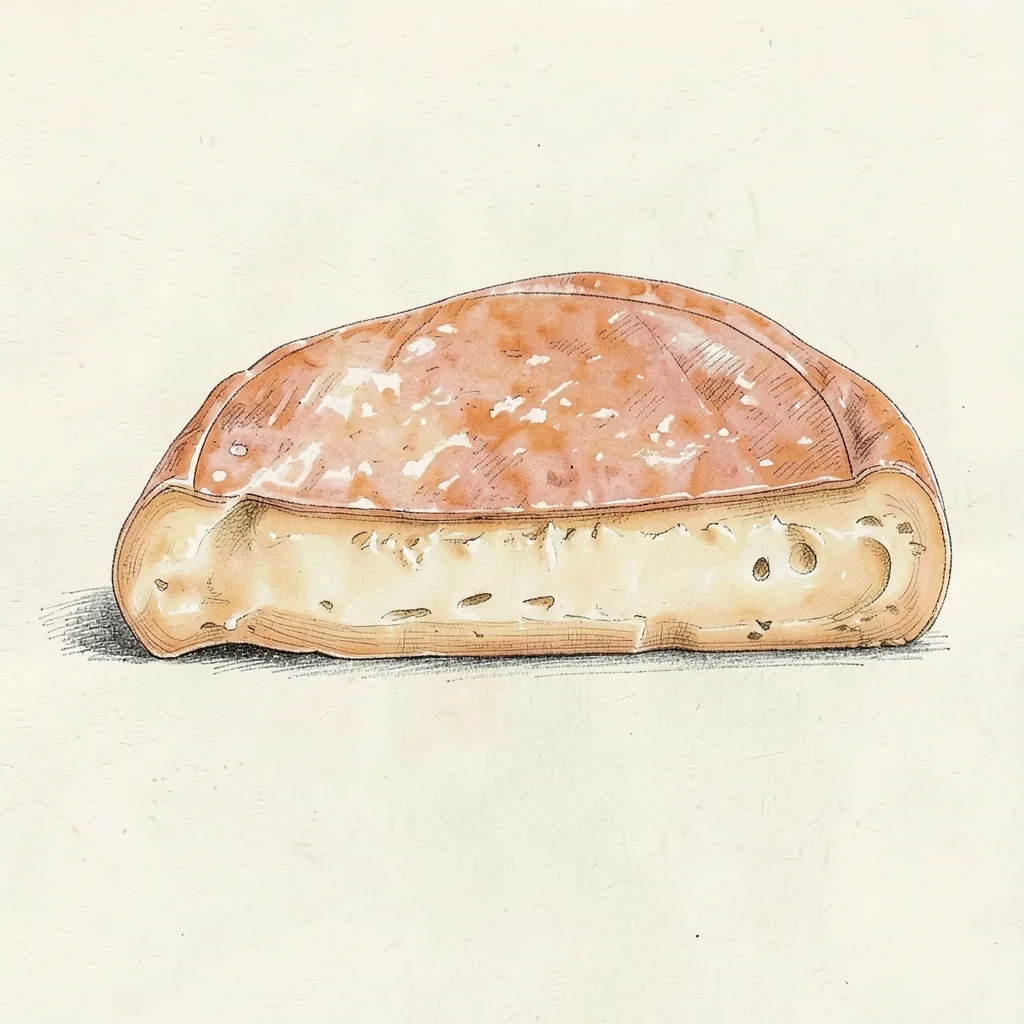
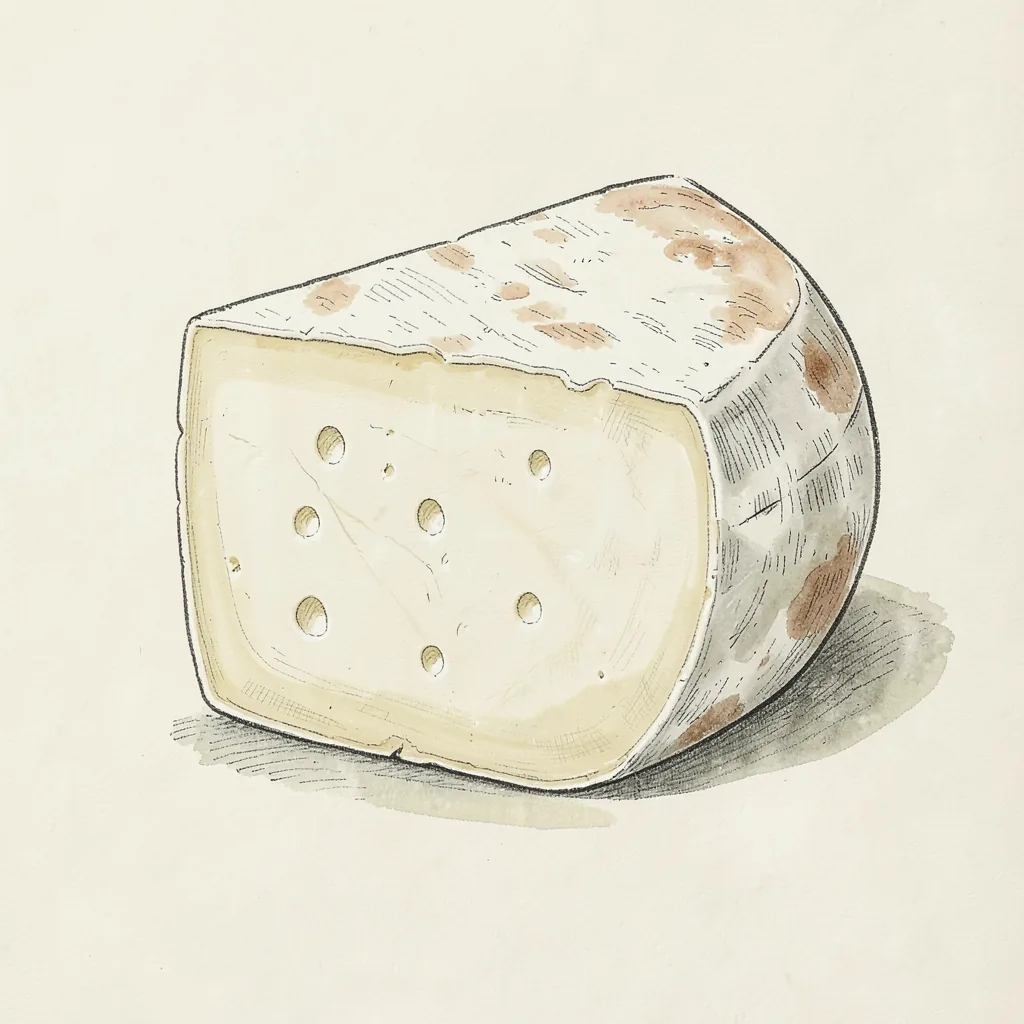
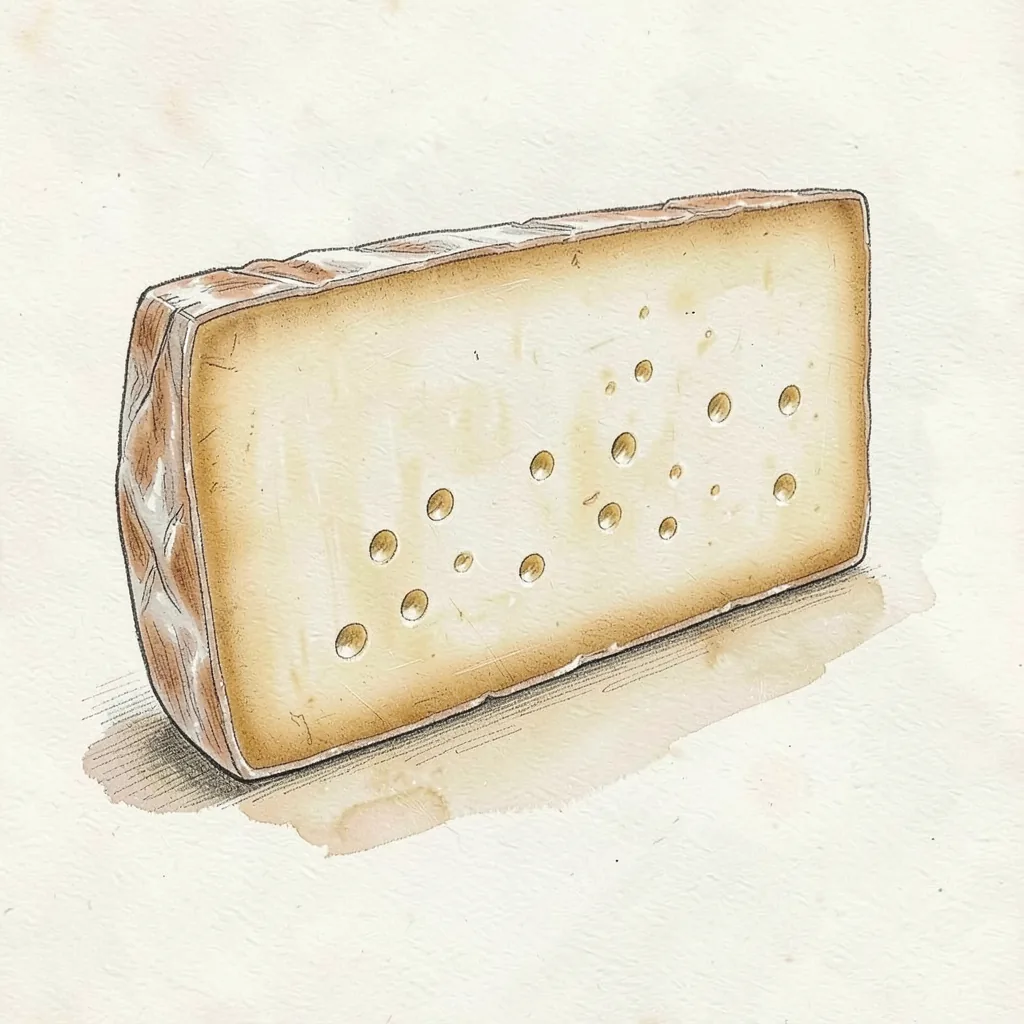
A thin dark line of ash runs through the middle of the wheel, and that line is the mark people look for. The paste is ivory to pale yellow, smooth, and supple. The rind is smooth and light brown to orange, and it is brushed during ripening. The cheese is mild when young and fuller after more time in the cellar.
Wheels are flat cylinders, and the ash stripe is visible as soon as a wedge is cut. The line is edible vegetable ash in modern cheese, and it is not a layer of mold. The paste yields under a knife and softens at room temperature. It is sold in ordinary cheese shops in France and abroad. A piece with a cracked, dry rind or a harsh smell has been kept too long or too warm.
History
Morbier took shape in the mountain dairies of Franche-Comté, where one milking did not always fill a large cheese. Makers set a first curd, covered it, and added a second curd from a later milking. Ash from the hearth or the kettle was spread on the first layer so it would stay clean while it waited. The dark line stayed as the sign of that two-step make. The cheese was a farmhouse answer to a shortage of milk, not a flavored novelty.
Later dairies kept the line even when they had enough milk for a single curd. The ash became a tradition and a way to recognize the cheese, and edible vegetable ash replaced soot. Comté comes from the same broad region and uses cow's milk, but it is a large cooked, firm cheese without a black stripe. Morbier stayed smaller, moister, and semi-soft. The line is now expected, and a wheel without it would not look like Morbier to most buyers.
How it is made
Cow's milk is set with rennet, and the curd is cut and stirred without a full cook. The curd is placed in molds in a way that leaves a horizontal layer, and vegetable ash is dusted on that layer before more curd goes on top. The wheel is pressed so the two parts join and whey drains. Salt is added, often with brine on the surface during care. The black line should stay narrow and even.
During ripening the wheels are turned and the rind is brushed or rubbed with brine. That care gives a smooth, lightly colored rind and a mild surface smell, and the paste stays supple rather than hard. Many wheels are made from raw milk, which keeps a clear dairy aroma. The ash itself adds little flavor. It marks the join between the two curds, and the taste comes from the milk and the ripening.
Taste
Young Morbier tastes of fresh milk, butter, and a light hay or grass note. The paste is creamy and not very salty, and it melts in the mouth. A faint yeast or cellar aroma can come from the rind. The center is sweeter than the rind edge. The ash line does not taste like charcoal if the cheese is well made.
With more ripening the flavor broadens toward nuts, cooked milk, or a gentle fruit note, and it can turn slightly pungent near the rind. It should stay balanced rather than sharp in an unpleasant way. Texture remains yielding, with a smooth cut and no grit. A very cold wedge tastes dull, so let it warm a little before you judge it. If the rind smell is strong, trim it and taste the paste on its own.
In the kitchen
Morbier is eaten in slices with bread, and it also melts into a soft sheet for potatoes, tarts, and toasted sandwiches. The supple paste makes it useful where a recipe wants a creamy melt without a sharp bite. It can cover a vegetable gratin or sit inside a folded bread. Cut across the ash line so each slice shows the stripe. That look is part of serving it, and the line does not need to be removed.
On a board it pairs with mild fruit, nuts, and cured meat, and it should not be buried under a very sweet relish. Heat it gently so the fat does not separate. Raclette and Reblochon are melting cousins from nearby mountain traditions, and they are stronger or smellier in different ways. Comté grates and keeps its shape, so it is a poor match when you need a soft melt. Use Morbier when the dish should stay creamy and mild.
Around the world
Morbier is easy to find in France and fairly common in cheese shops elsewhere in Europe and North America. The ash line lets buyers identify it without reading every label. Some packed wedges show the stripe on the cut face. It is not a rare or unsafe cheese, and it needs only ordinary refrigeration. If the only clue is a black line, check that the cheese is the French cow's milk wheel and not a different ash-ripened cheese.
Cooks outside France melt it on potatoes, in omelets, and on bread, much as they use other semi-soft mountain cheeses. Reblochon is the closest kitchen substitute when a soft, aromatic melt is wanted. Saint-Nectaire is another semi-soft cow's milk cheese, and it lacks the ash stripe. Humboldt Fog is a goat's milk cheese with an ash line, and the milks and textures do not match. Read the milk and the country before you treat a striped cheese as Morbier.