Cow
What it is
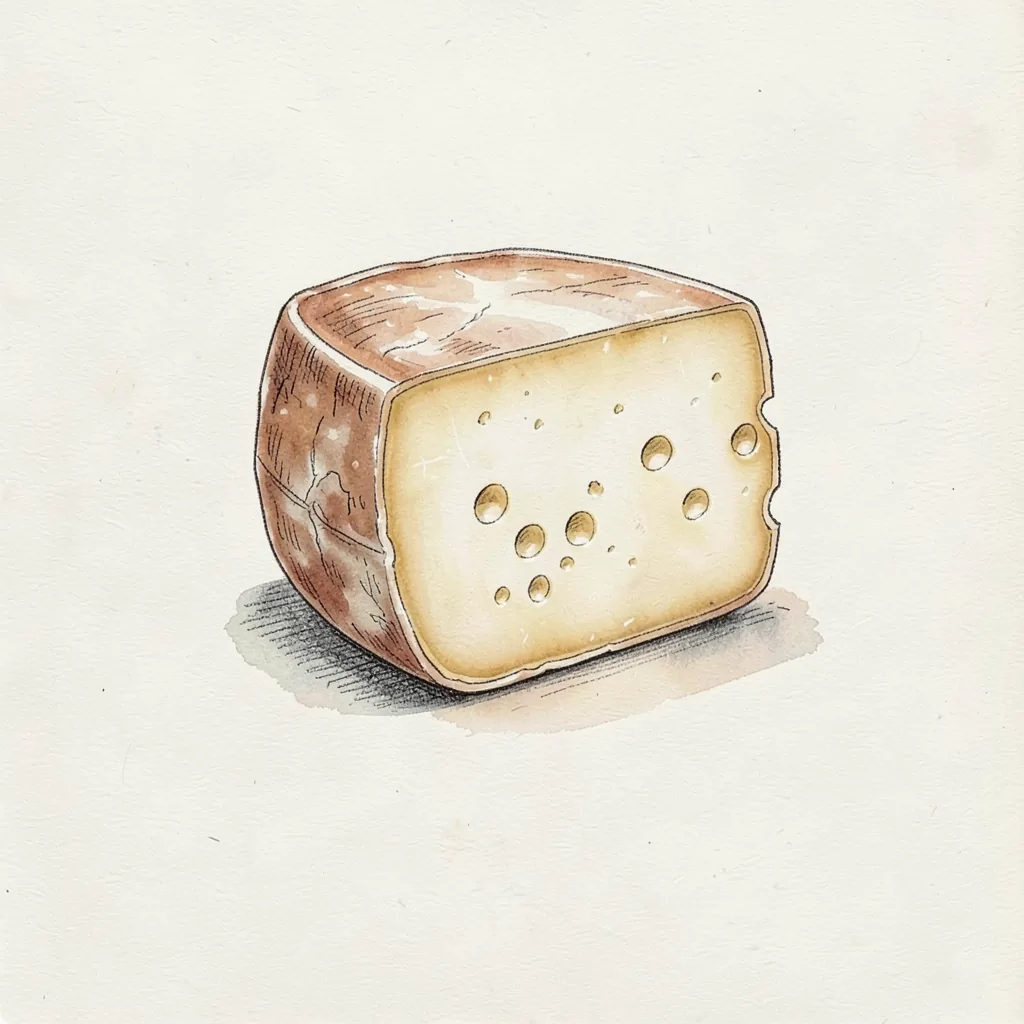
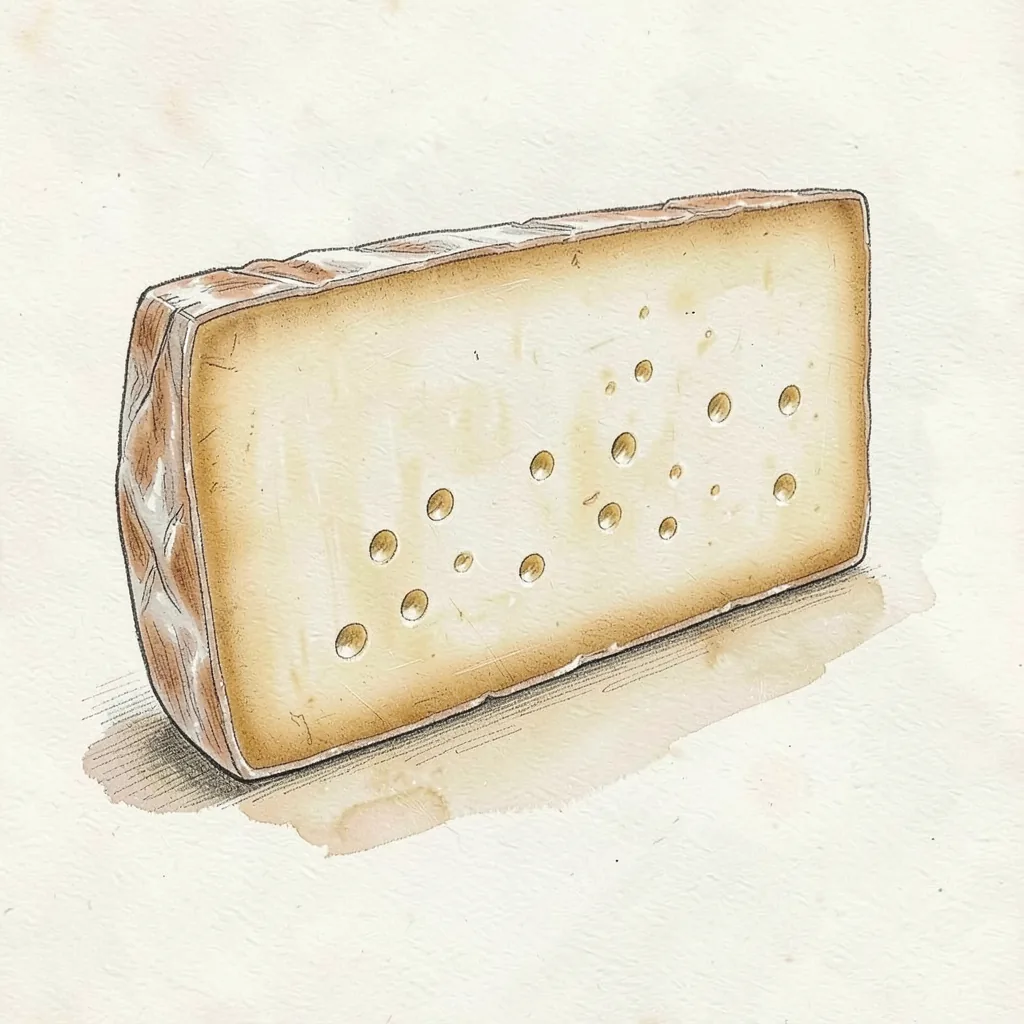
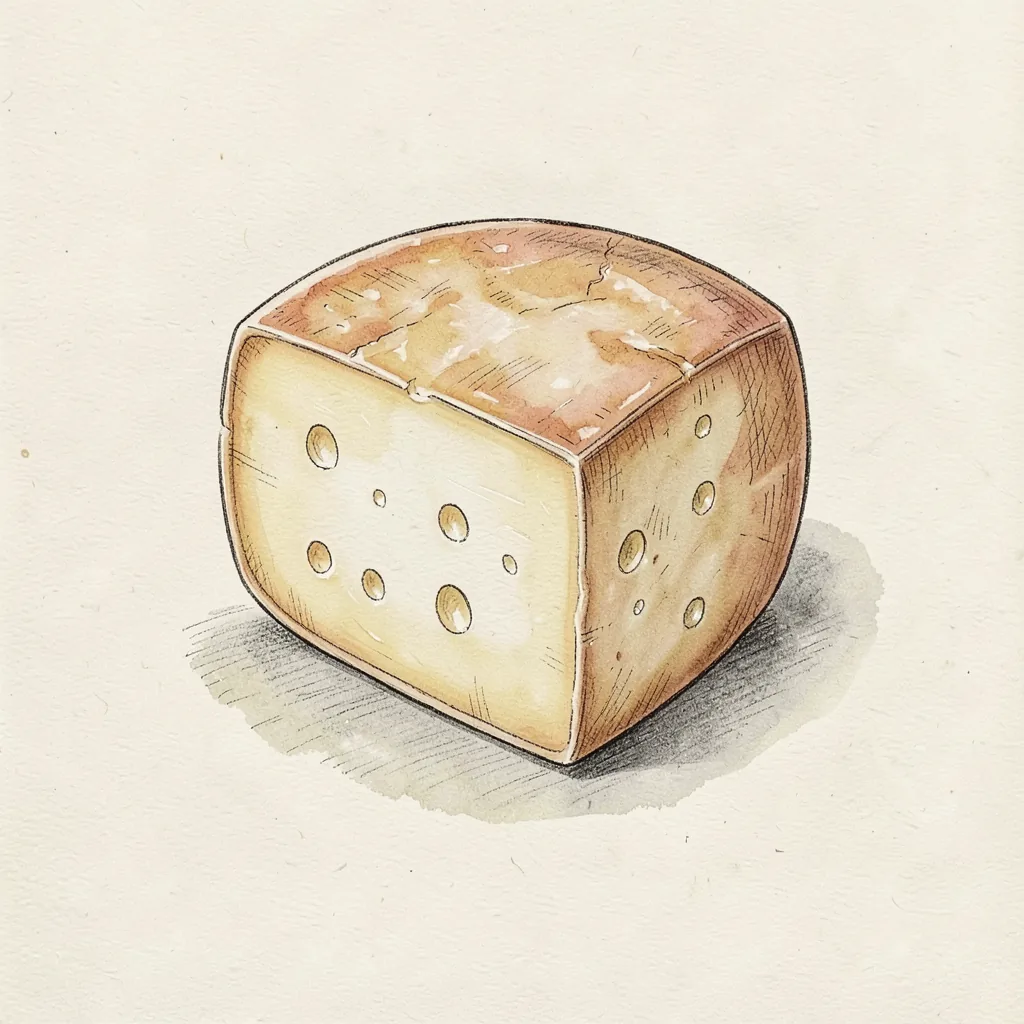
The wheels are large, with a natural rind and a dense pale paste that melts and grates well. The flavor is nutty, fruity, and savory, often a little fuller than a mild alpine cheese because of the way the milk is heated. It is a cooking cheese and a board cheese. It is not a fresh cheese, and it is not a blue.
Production is tied to alpine dairies and to milk from the warm season, when herds are on high pasture. Copper vats and wood fires are part of the traditional make, and that fire can leave a faint toasted note in the cheese. The paste may show a few small openings, but it is not an open, hole-filled style like Emmental. Age makes it firmer, saltier, and more aromatic. A young piece is smoother and gentler on a slice of bread.
History
Alpine communities in Switzerland have long turned summer milk into large hard wheels that could keep through colder weather. L'Etivaz belongs to that practice, as a cow's milk cheese made in mountain dairies rather than as a factory block with big eyes. The style grew up beside Gruyere, and eaters still compare the two. What people remember is the wood-fired copper kettle, the use of unpasteurized milk, and the careful aging of heavy wheels. The cheese carries an alpine name, and it did not become a soft washed rind.
The cheese stayed a seasonal alpine product even as other Swiss cheeses moved into creameries that work through the whole year. Makers heat the milk over a wood fire, slower and more aromatic than steam, and form wheels meant to age. Dairies kept the method recognizable, so a wheel labeled L'Etivaz points to that alpine copper-kettle style. It did not become a mild sandwich slice with large holes. Buyers who know Gruyere will see the family at once, and then notice the extra toasted depth.
How it is made
Fresh cow's milk from alpine herds is poured into copper kettles and heated over a wood fire. Starter cultures and rennet set the milk, and the curd is cut fine so it can become a hard cheese. Makers stir and cook the curds until they are firm, then gather them into molds for pressing. The wheels are pressed to drive off whey and to knit a dense paste. Salt comes next, often in brine, so the rind can begin to form and the flavor can settle.
Aging takes a long rest in a cool cellar, where the wheels are turned and the rinds are wiped or brushed. The natural rind thickens and darkens a little, while the interior stays smooth and pale gold. A shorter age gives a milder, more flexible cheese for slicing and melting. A longer age brings a firmer body, a saltier edge, and sometimes small crunchy crystals. There is no blue mold and no pungent orange wash, and the opening wood fire is what marks the method.
Taste
The taste is rich and nutty, with fruit, browned butter, and a light savory broth note in the finish. Salt is clear but balanced, and a faint toasted edge can recall the wood fire without tasting like smoked meat. The paste is dense and smooth, not crumbly like a blue and not elastic like a mild holey cheese. On the tongue it feels creamy if the wheel is not extremely old, then finishes dry and long. The rind is rougher and saltier than the center.
Young L'Etivaz is gentler, sweeter, and easier to eat in a thick slice with bread. Older wheels taste stronger, more savory, and a bit spicy at the back of the throat, still in the alpine hard-cheese family rather than among washed rinds. Small crystals, if they appear, add a pleasant crunch and a concentrated savory pop. A good piece smells of nuts, milk, and cellar, not of ammonia. If the only notes are harsh salt and bitterness, the piece is past its best and will not show the fruit.
In the kitchen
L'Etivaz melts smoothly, so it suits gratins, toasted sandwiches, and sauces that need a nutty alpine cheese. Grate an older piece over vegetables, eggs, or soup when you want a savory finish. A younger piece can sit on a board with bread, dried fruit, or a firm pear. Because the flavor is full, you often need less than you would of a very mild melting cheese. Do not boil a sauce after the cheese goes in, or the texture can turn grainy and the fat can separate.
On a board, serve it in thin shards or small wedges so the salt and the toasted note stay pleasant. Pair it with simple accompaniments, since the cheese already has fruit and nut flavors of its own. Wrap the cut face against drying, and bring the piece out of the cold before you slice it. For cooking, grate it cold for neat shreds, then warm the dish gently. It will not behave like a fresh stretching cheese, and it will not crumble like a blue.
Around the world
L'Etivaz is less widely stocked than Gruyere, Emmental, or other familiar Swiss names, but cheese shops that carry alpine wheels often know it. Cooks abroad use it wherever a recipe calls for a nutty hard cheese that melts and grates. It should not be swapped blindly with American Swiss, which is a milder eye-forming style and a different cheese. The label should say L'Etivaz and show Switzerland. A wheel with large round holes is probably a different family, even if it is also sold as a Swiss-type cheese.
Gruyere is the closest everyday substitute, with a similar dense paste, natural rind, and nutty melt. Comte is another large wheel that grates and melts in the same kind of dish. Beaufort is a French mountain cheese in the same broad family and can help when the Swiss wheel is missing. None of them is made in the same wood-fired alpine way. If a recipe depends on that toasted note, the substitute will be close in texture and a step away in aroma.