Cow
What it is
The name comes from the bricks once used to press the curds, and from the rectangular loaf that pressing made. A young loaf is mild, sweet, and easy to slice. An aged loaf turns tangy, nutty, and frankly pungent, with a washed rind that smells stronger than the paste. Both are brick cheese, and they are not the same cheese at the table.
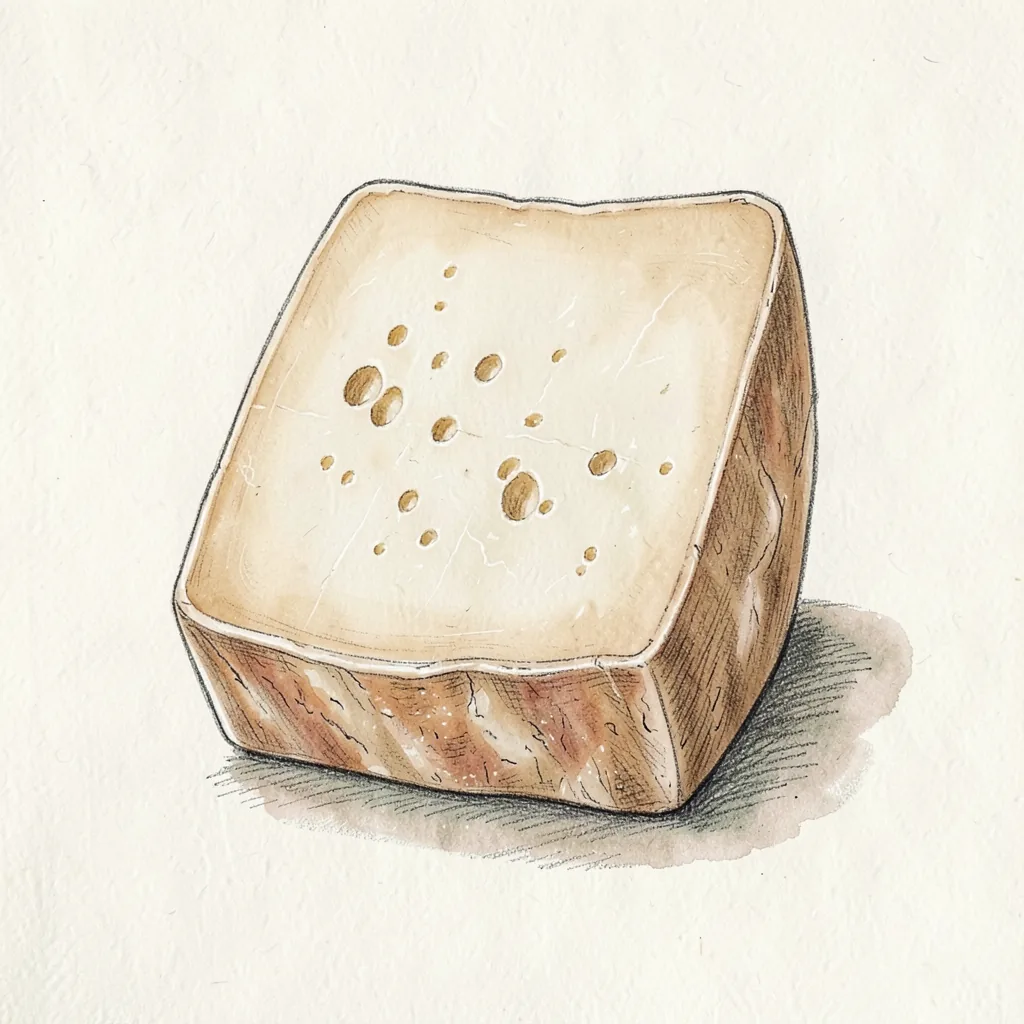
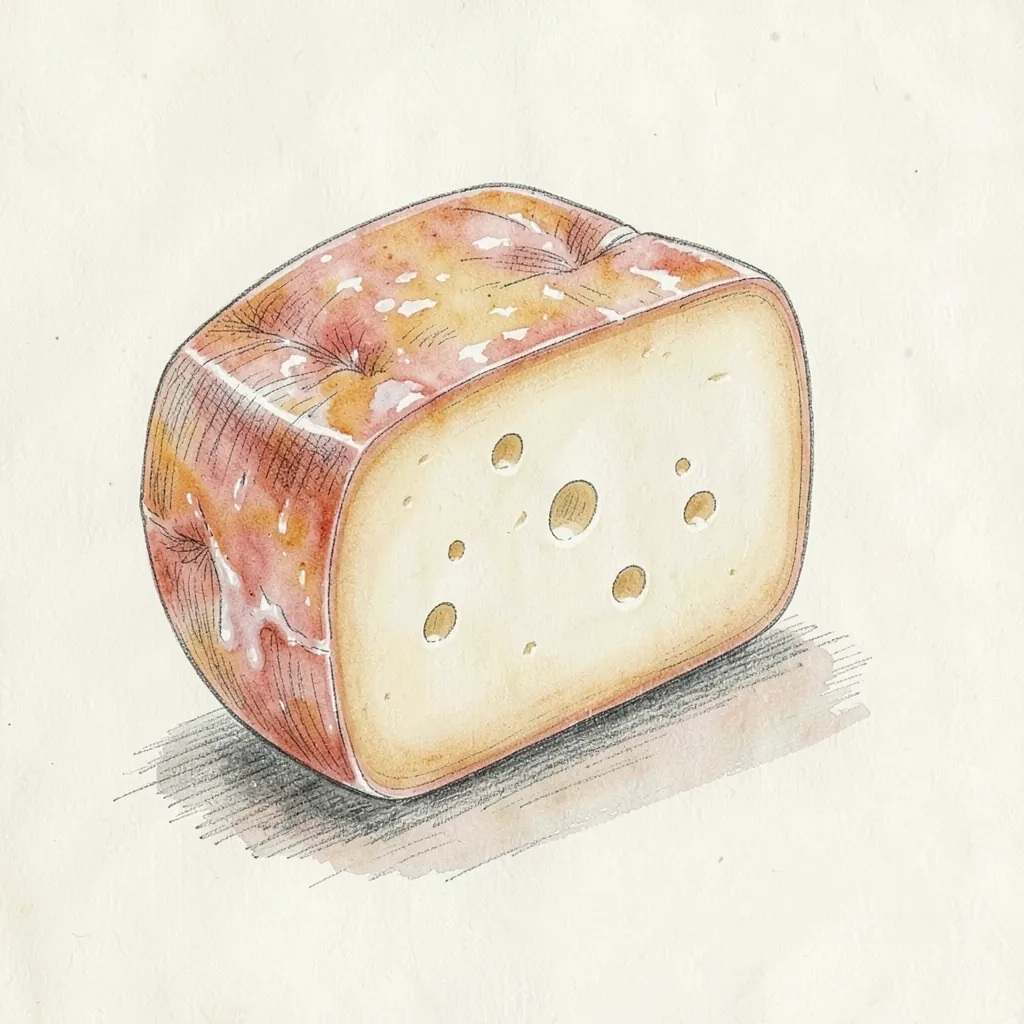
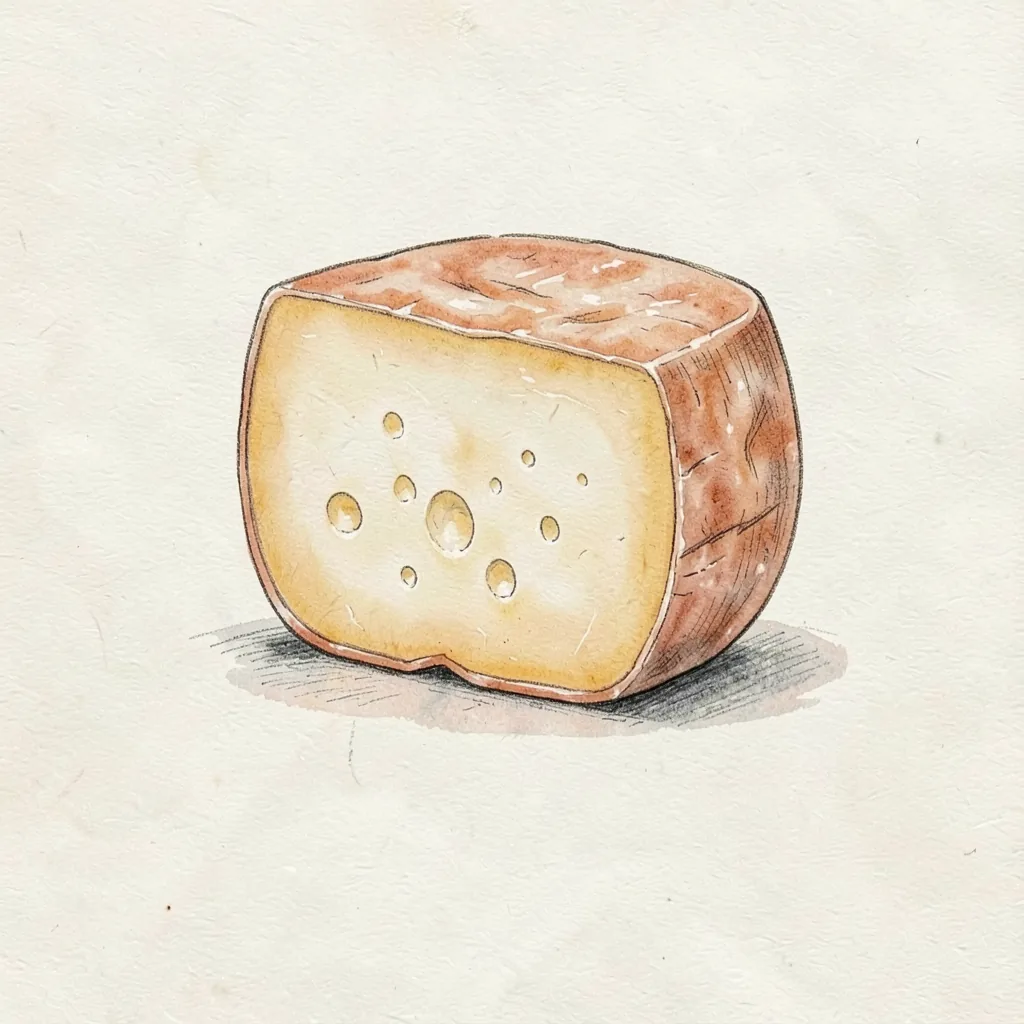
The paste is pale and smooth, with small openings, and it is softer than a firm aged block. Traditional brick is smear-ripened, so the surface can be tacky and orange-tan when the washing has done its work. Many grocery loaves are the mild young style, made for sandwiches and melting. The aged style reminds some people of Limburger, though it is usually a step less aggressive. Wisconsin is still the home of the cheese, and the state belongs on the label.
History
Brick cheese is an American washed-rind style that took shape in Wisconsin. Makers there wanted a cheese in the broad family of European smear-ripened loaves, with a body and a flavor of its own. Pressing the curd with bricks gave the cheese both a shape and a name. The method stayed in the state. Brick became one of the cheese styles that began in the United States, rather than arriving only as a copy under an old European name.
As dairying in Wisconsin grew, brick remained a regional specialty more than a national staple. A few makers still wash and turn the loaves in the older way, and some still weight the forms with bricks. Milder factory versions carried the name into ordinary deli cases. Those mild loaves kept the shape and the cow's milk base, and they lost much of the pungent rind character. When a recipe says brick, it helps to know which of the two you have.
How it is made
Cow's milk is cultured and set, and the curd is cooked, drained, and placed in rectangular forms. Weights, traditionally actual bricks, press whey out until the loaf holds together. The cheese then goes into brine, which salts the loaf and starts the surface ripening. After that, a warm humid room encourages the rind cultures that define a washed cheese. The loaves are washed and turned so the surface stays even, and that surface work is the heart of traditional brick.
Age decides the personality of the loaf. A short rest leaves a mild, sliceable cheese with only a light rind aroma, while more time lets the surface deepen and the paste grow savory, tangy, and aromatic. The body stays semi-soft rather than hard. Some makers also sell the loaf with seeds or peppers, but the plain cheese is the reference. A mild deli brick may skip the full traditional wash, and the label plus the smell show which path the loaf took.
Taste
Young brick tastes sweet, milky, and lightly nutty, with a soft salt and almost no sting. The paste is smooth and moist, it slices without crumbling, and the aroma on a young loaf is clean and faint. Aged brick keeps a nutty base and adds a tangy, savory, slightly meaty note. The rind smells stronger than the interior, sometimes in the same broad family as Limburger, but the paste is usually milder than the smell. Color inside stays pale.
The contrast between rind and center is the main surprise. A bite with the rind is earthier and more pungent, and a bite without the rind tastes gentler. Neither version is sharp like a long-aged firm cheese, and neither is blue. A very mild grocery brick can taste almost like a plain deli slicer, with little washed-rind character. If you want the Wisconsin original, look for a loaf that still smells like a washed cheese, because the quiet loaf is a different tool.
In the kitchen
Brick melts well, which is why cooks use it on sandwiches, burgers, and hot vegetable dishes. Young brick is the easy melter, mild enough for a grilled cheese or a potato bake. Aged brick brings a stronger aroma, so a little goes further on dark bread with mustard and onion. Both can top a pizza if you want a tangy melt instead of a bland one. The cheese softens and can stretch a bit, but it does not grate into a dry powder.
On a board, young brick is the mild slice beside fruit and cured meat. Aged brick is better in small wedges for people who like a washed rind. Heat tames some of the smell, but it does not erase a very ripe loaf. If a Wisconsin recipe says brick and you only have the mild deli kind, the dish will taste gentler than expected. Notice which brick you used, because the name alone hides the split between mild and pungent.
Around the world
Brick cheese is little known outside the United States, and even there it is most at home in Wisconsin and in shops that stock American originals. European washed cheeses such as Limburger are easier to find in many countries. They share the smear-ripened idea, but they are not brick. A buyer looking for this loaf should ask in the American part of a cheese counter. A random semi-soft cheese that happens to be rectangular may share only the shape, not the flavor.
Where brick is absent, a mild American Muenster can stand in for young brick in a sandwich. Limburger can stand in for aged brick if you want the pungent washed character, though it is usually stronger. Havarti gives the melt without that aroma. None of those replacements is Wisconsin brick. Use them as kitchen substitutes and keep the name brick for the American loaf, since the state on the label is part of what the cheese is.