Cow
What it is
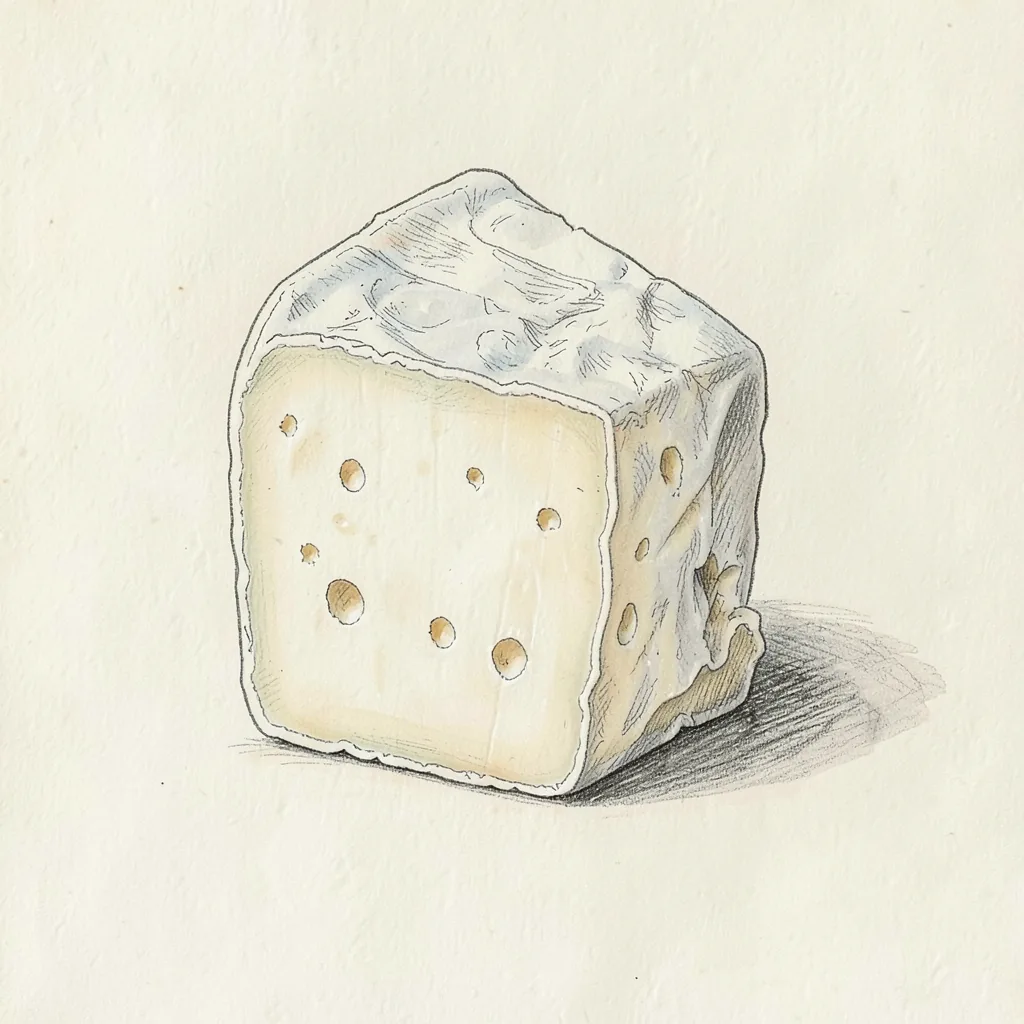
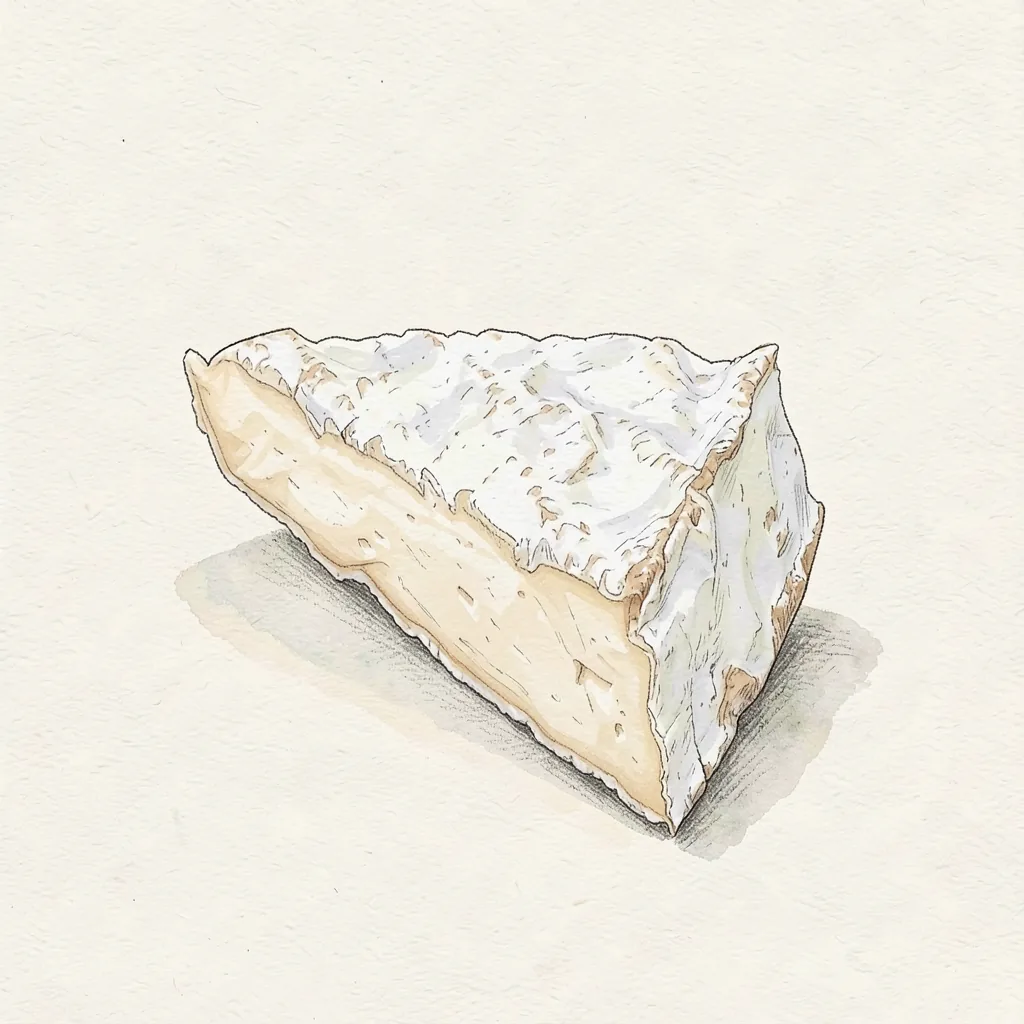
It had a white edible rind, like a Brie, and a creamy interior with blue veins. The taste was mild rather than sharp, so it was aimed at people who found traditional blue cheeses too strong. The name sounds like an old place, but it was chosen for the market and does not mark a cheesemaking village. Shops do not sell it now, because production stopped and it never returned as a regular cheese.
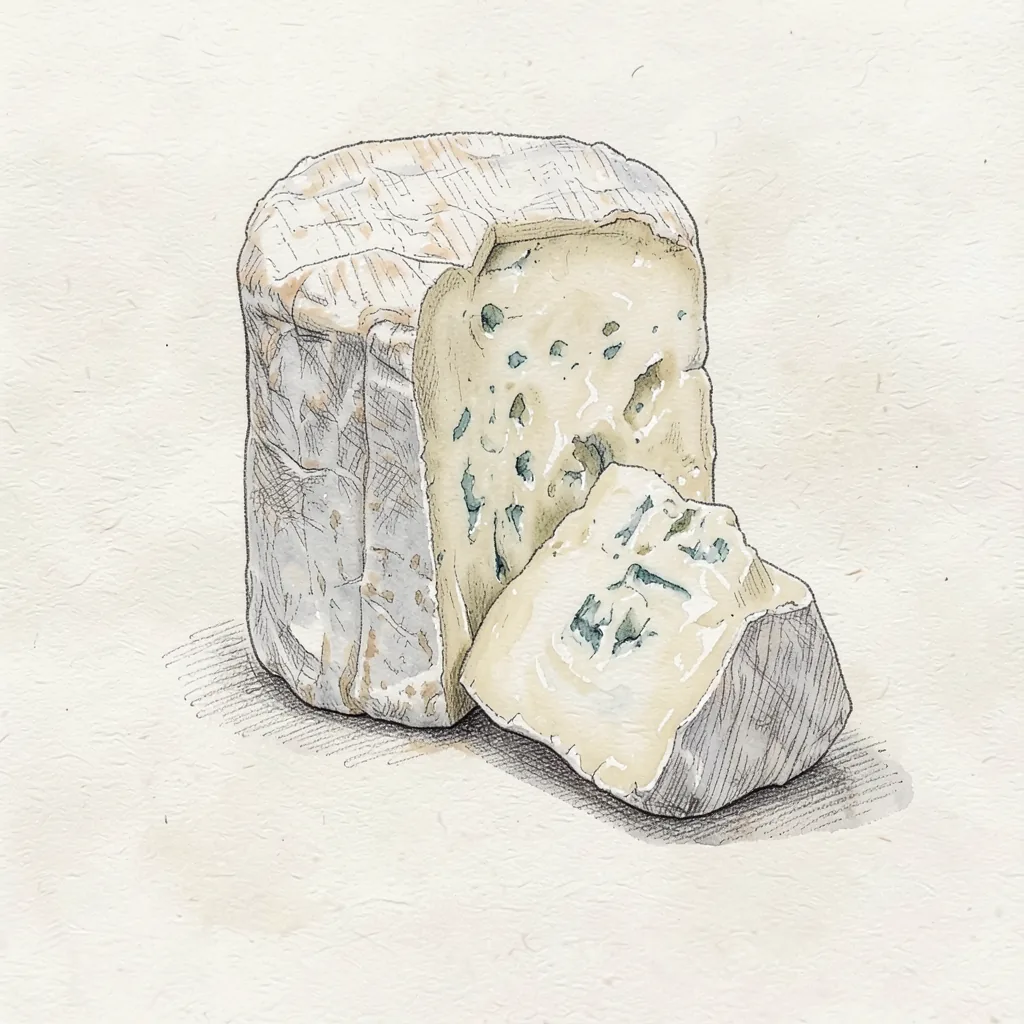
When it was available, the cheese came as a small soft round that could be spread or set on a board. The rind was meant to be eaten, and the blue was scattered through the paste rather than packed in dense veins. Some export labels used the name Westminster Blue, because the English name was hard for some buyers to say. That second name was the same cheese. Today you will see the style in other soft blues, but not the original Lymeswold.
History
Lymeswold belongs to a short chapter in English cheese making, when a national dairy business tried to launch a new soft cheese for a wide market. The model was French. A white rind, a rich paste, and a gentle blue mold were meant to feel familiar to buyers who already knew Brie and also to those who wanted a milder blue. The name came from a public naming exercise, not from a farm or a valley. Early demand was strong, and the cheese was talked about far beyond specialist shops.
Success did not last. Supplies were pushed out before the cheese had time to ripen properly, and many buyers met a soft, underdeveloped cheese on their first try. The reputation suffered, and later sales did not match the first rush. Competition from other mild white-rind blues made the market harder still. Production ended, and Lymeswold became a memory rather than a cheese you can order from a shop.
How it is made
The cheese was made from pasteurized cow's milk. Curds were set, drained, and formed in small rounds, then salted. Blue mold was introduced so veins could grow inside the paste, and a white surface mold was encouraged so a bloomy rind could form. The two molds were meant to work together, one inside and one outside. Aging was short, as it is for other soft cheeses, and the rounds were packed while still creamy.
Because the cheese was soft and high in moisture, timing mattered. A round that left the dairy too soon tasted flat and could feel slimy rather than ripe. A round held longer grew a fuller mushroom note and a softer paste under the white coat. The factories that made it treated it as a fresh retail product, not as a cheese to store for a long season. Once production stopped, no dairy kept the original method in regular use.
Taste
At its best, Lymeswold tasted creamy, mildly salty, and lightly mushroomy, with a gentle blue tang rather than a harsh one. The white rind added a soft, earthy note similar to a young bloomy cheese. The blue was present but not dominant, which was the whole point of the style. Butter and milk fat carried the flavor more than sharpness did. A poor, underripe piece tasted bland or wet, and that fault is part of why people still argue about it.
The paste was soft enough to spread when ripe, and pale, with blue-green pockets rather than long cracks of mold. It did not crumble like a dry, aged blue. Near the rind the texture was a little firmer, and the center was richer. Aroma was moderate, more mushroom and cream than a strong cellar smell. If you remember a bitter or empty taste, you may have met cheese that was sold before it was ready.
In the kitchen
When Lymeswold was in the shops, it was a board cheese and a spreading cheese more than a cooking cheese. Ripe wedges went on bread, crackers, or a salad of pears, walnuts, and green leaves. Heat was not its strength. The soft paste could melt into a sauce, but it was easy to overdo, and the mild blue flavor disappeared. Most people ate it cool, with the rind left on.
There is no current supply to cook with, so a recipe that names Lymeswold needs a substitute. Choose another soft blue with a white rind if you want the same mild, creamy effect. A firm, salty blue will taste sharper and will not spread the same way. Use the substitute on a board or stirred into a cool dressing, not in a long hot bake. That keeps the mushroom and cream notes that the original was meant to give.
Around the world
Lymeswold was an English product, sold at home and sent abroad under the Westminster Blue name. It was never a farmhouse cheese tied to one county. Foreign buyers met it as a mild alternative to stronger blues and as a British answer to soft French cheeses. When production ended, the export supply disappeared with the home supply. You should not expect to find a fresh wheel in a shop in Britain or anywhere else.
The style it chased is easy to find now. Cambozola and Bleu de Bresse are living soft blues with white rinds, and many shops sell a cheese simply called blue brie. Those cheeses are not Lymeswold, but they show the taste the English cheese was built to offer. Collectors sometimes talk about old advertisements, not about cellars full of wheels. If a seller offers Lymeswold today, treat the claim with care, because regular production ended years ago.