Goat
What it is
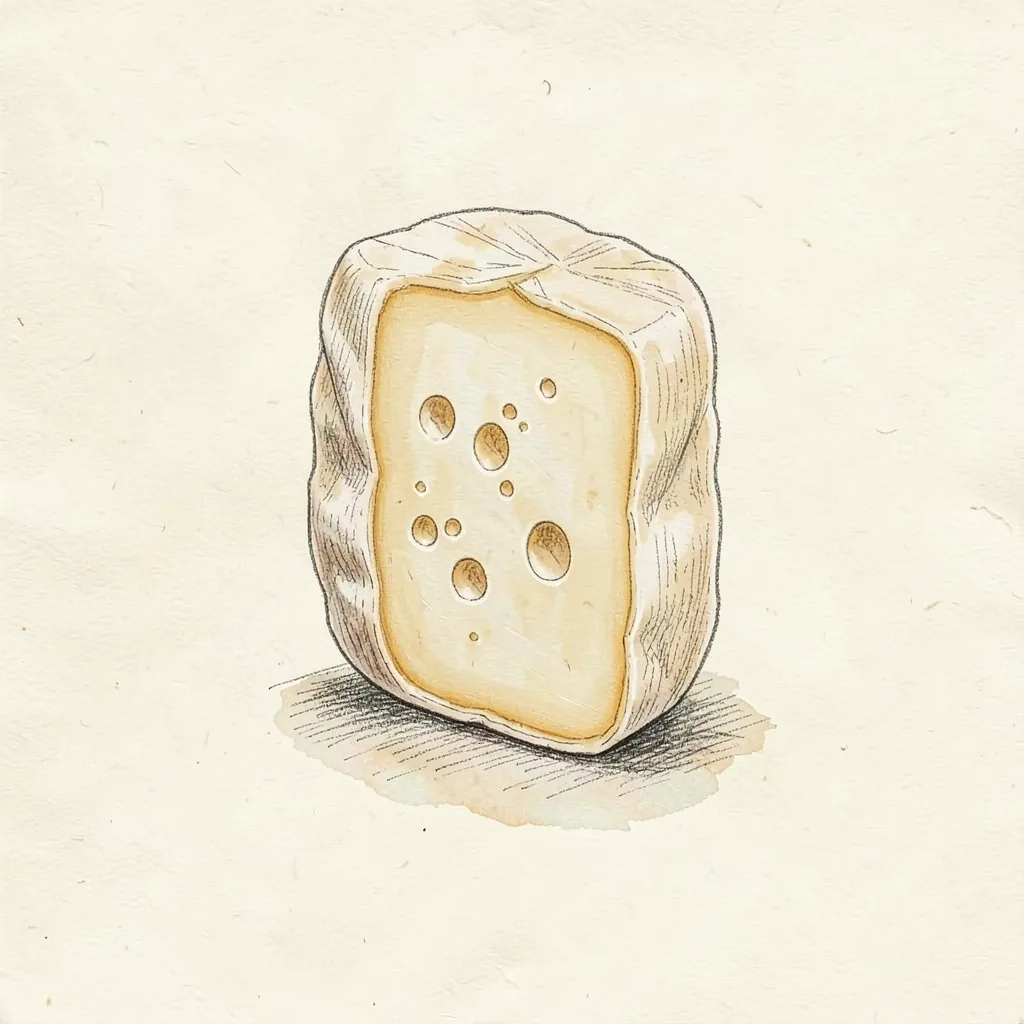
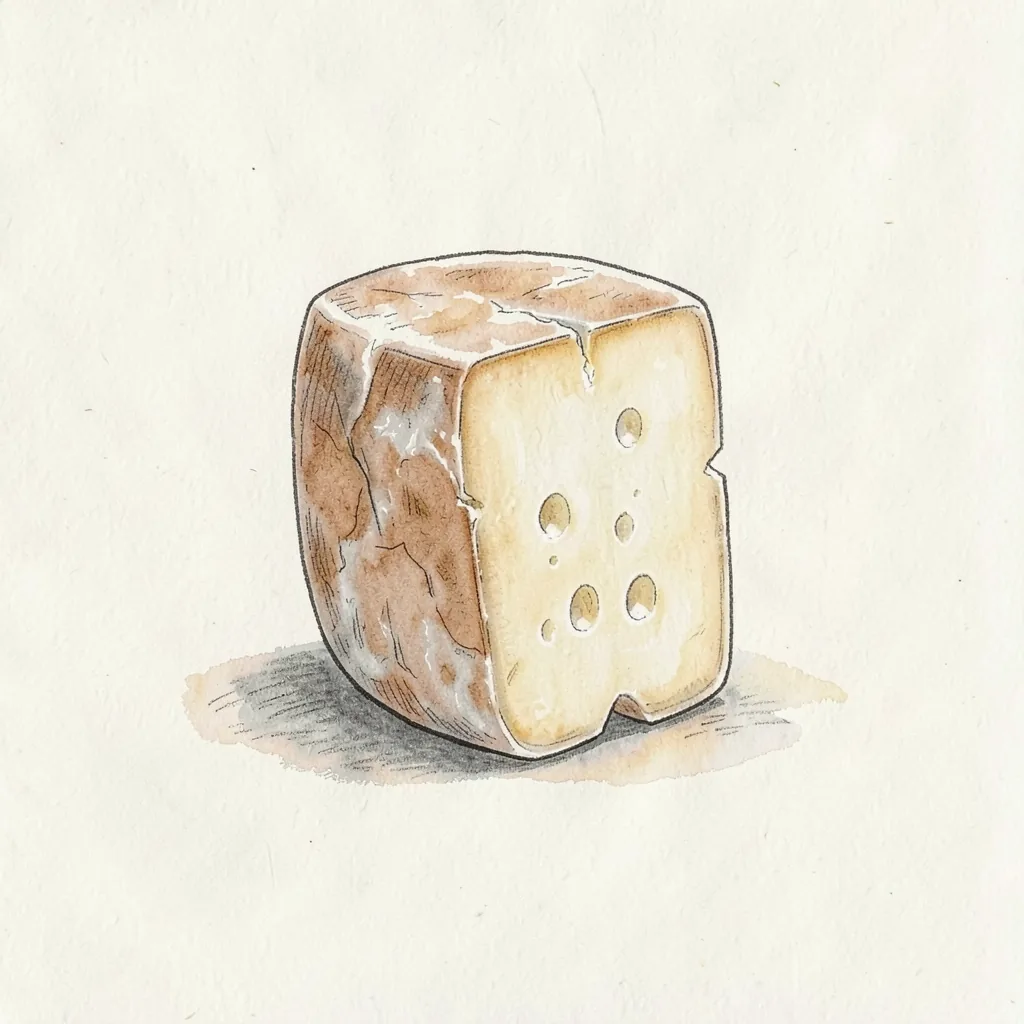
It is shaped as a little truncated cone, with a thin natural rind and a white, dense paste. The cheese is lactic and goaty, mild when young and stronger as the rind dries and takes on bluish spots. Goats in this part of Burgundy were long kept beside vines, and the cheese belongs to that farm pattern. It is a short-aged goat cheese, not a large pressed wheel.
A young piece is softer, moister, and gently sour, with a clean white center. With time the paste dries, the texture turns crumbly, and the goat flavor grows. Bluish marks on the rind add a light cellar and mushroom note, and they are a normal part of ripening, not a blue cheese. Both stages are Mâconnais. The format stays small, so one cheese is a snack rather than a wheel you cut for a crowd.
History
In southern Burgundy, households often kept a few goats on grass between vines. The goats gave milk for the family, and their manure returned to the vineyard soil. Small cheeses were the way to use that milk before it spoiled. Mâconnais is the cheese that carries this farm habit, a little cone of goat's milk rather than a cow's milk wheel from the same region. The link to wine country is practical, not a slogan.
The shape comes from the mold and from leaving the cheese unturned while it drains and ripens, which makes the cone. A short ripening was enough for a small lactic cheese, and makers did not press it like a large tomme. The little goat cheese kept its name and its size as trade grew. It still sits beside other Burgundy goat cheeses, some larger and some with a different rind. The shared point is goat's milk and a taste that fits the local table.
How it is made
Makers set goat's milk with a light dose of rennet so the curd stays lactic and delicate. They ladle it into small molds and let it drain without turning, which fixes the truncated cone. Salt goes on the cheese, and the rind stays natural. Ripening is short, long enough for the paste to set and for the surface to dry. Later, bluish spots may appear on that rind as the cheese continues to mature.
The paste of a young cheese is bright white, smooth, and dense. As water leaves, it becomes drier and more likely to crumble under the knife. The rind is thin, ivory to beige, and it is not a thick bloomy coat like a large soft cheese. Whole goat's milk gives a full flavor even in such a small piece. Because each cheese is tiny, one mold's worth is the whole portion, and there is no large wheel to cut down.
Taste
Young Mâconnais tastes mild, lactic, and a little sour, with a soft goat note and a moist center. The rind is quiet at that stage. As it dries, the flavor becomes saltier, more goaty, and more persistent. Bluish spots bring a mushroom and cellar smell that stays light if the cheese is well kept. The paste should taste clean, not bitter, and not so sharp that it burns.
Texture is the other half of the taste. A young cone feels fine and slightly creamy, then it turns dense, dry, and crumbly. That dryness concentrates the goat flavor, which is why a small piece can taste bold. If the rind is ammoniated or the paste is chalky and hollow, the cheese went too far. A good piece finishes savory and goaty, with the rind note in balance and the center still pleasant.
In the kitchen
Eat Mâconnais as it is, with bread, next to a Burgundy white or a light red from the same area. A young cheese can be spread or broken into a salad. A drier cheese is better in small crumbles over greens, warm lentils, or roasted beets. Heat will harden it further, so it is not a melting cheese for a sauce. One or two cones are enough for a plate, because the goat flavor carries.
Take the cheese out of the cold a while before serving so the paste is not tight. If the rind is very strong, eat more of the center, or choose a younger cone. Honey, pear, and plain walnuts match the salt, and they do not cover the goat note. Do not bread and fry it as if it were a firm brined cheese, because it will fall apart or dry out. Wrap what you do not finish, since the cut face dries quickly.
Around the world
Outside France, Mâconnais shows up in shops that carry small French goat cheeses. Buyers may confuse it with Crottin de Chavignol, which is also a little goat cheese that dries and grows stronger. Charolais is another Burgundy goat cheese, usually larger, so the cone size is a clue. A generic fresh goat cheese is milder and has no real rind. Look for the small cone, the goat's milk, and the natural rind if you want this one.
Crottin de Chavignol is the closest substitute when you need a small goat cheese that can be young and creamy or older and dry. Charolais can stand in for a Burgundy goat flavor, though you will cut a larger cheese. Neither one is shaped and ripened in exactly the same way. Picodon is another French goat option with a stronger, sometimes spicier finish. If the recipe only needs fresh goat tang, a plain soft goat cheese will do, and you can skip the rind.