Goat
What it is
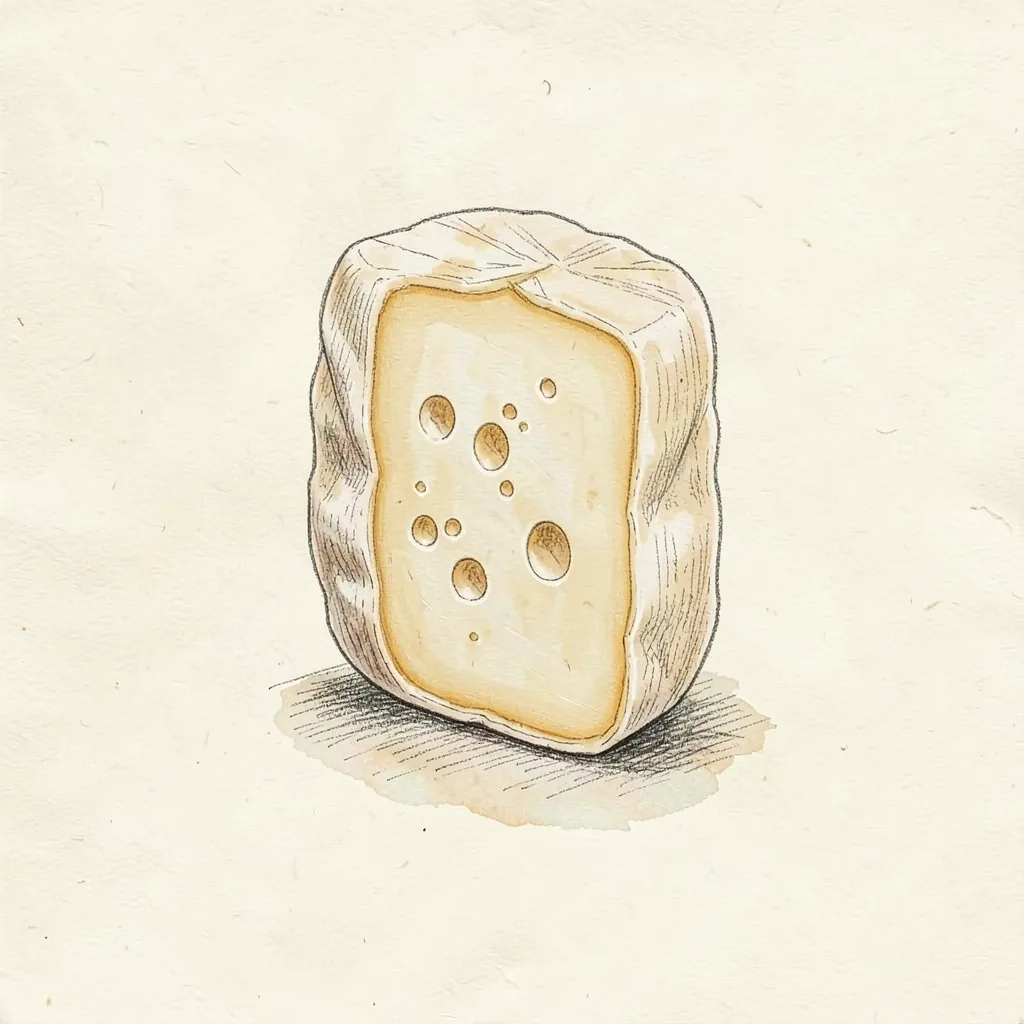
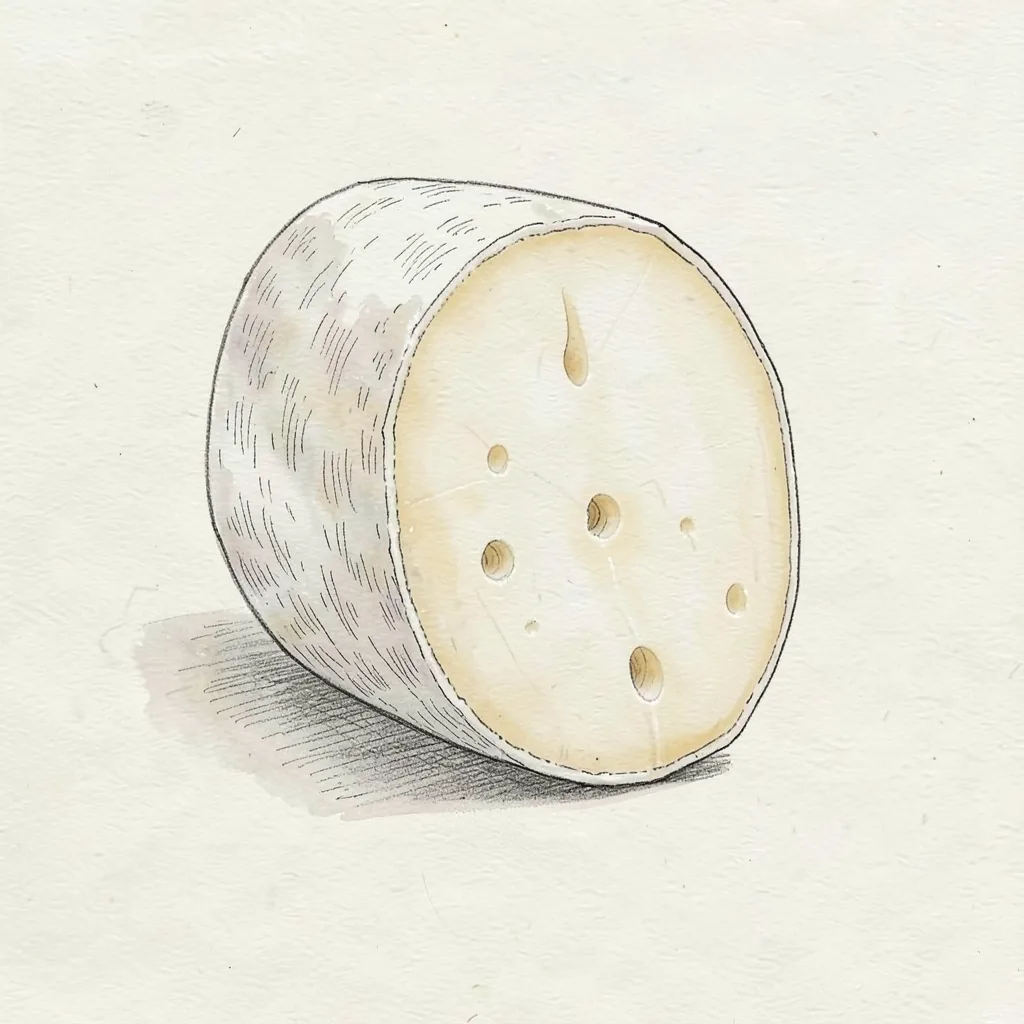
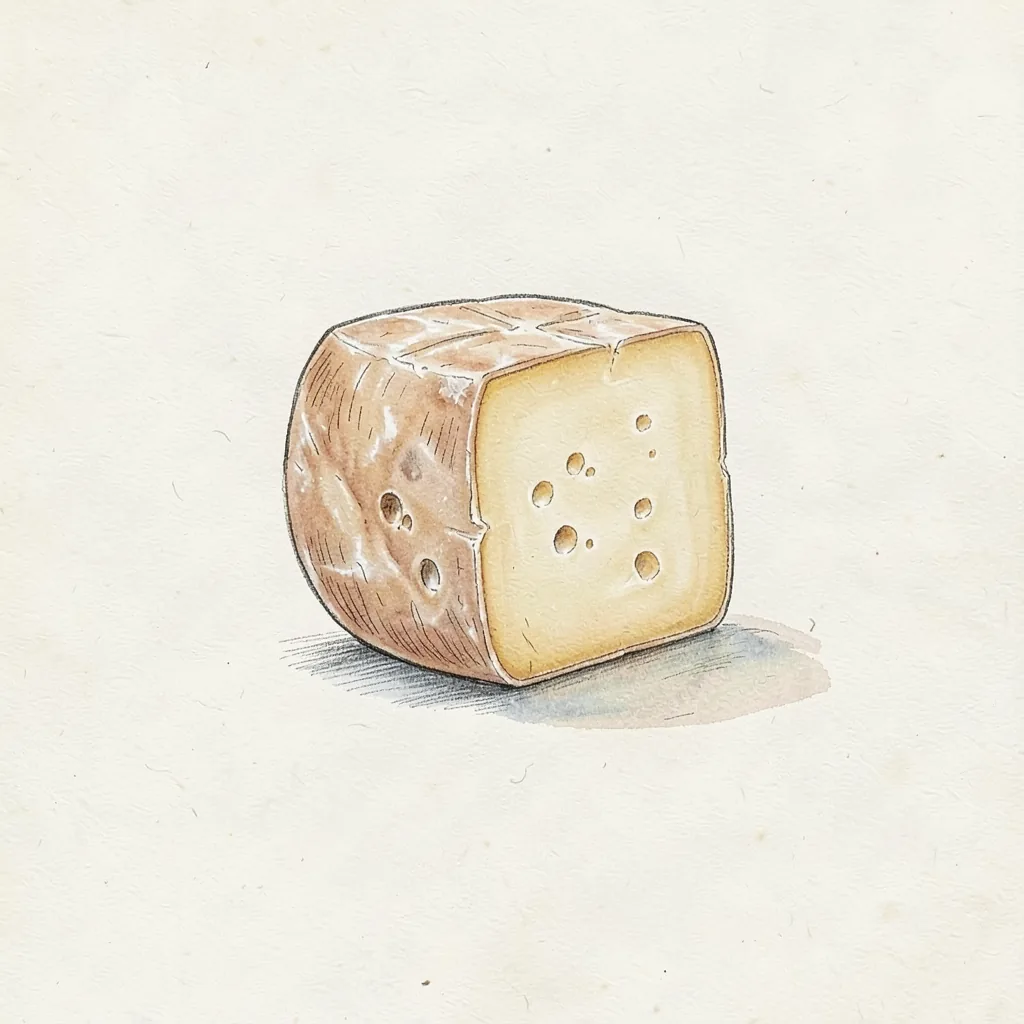
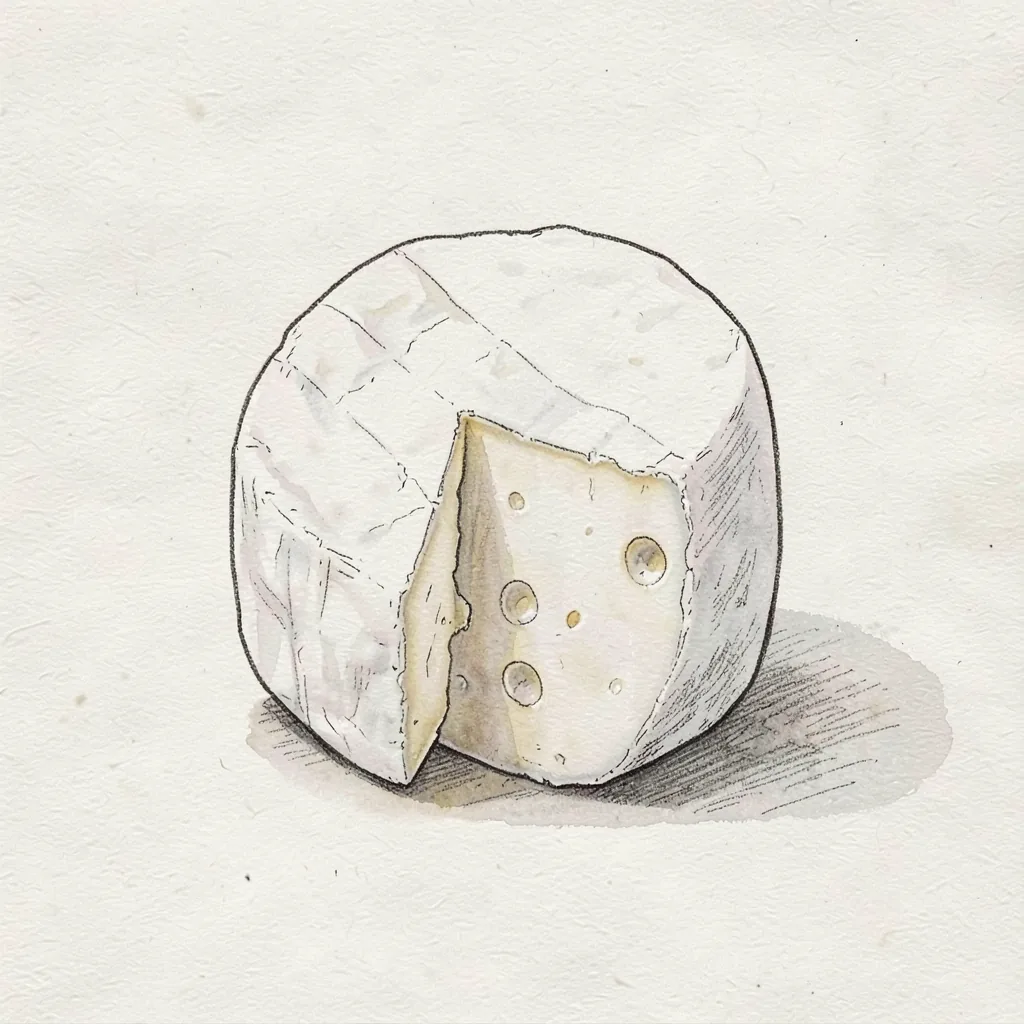
It is formed as a tall drum, larger than many small goat cheeses, with a natural rind and a pale, tender interior. The rind may look beige at first and later show gray-blue mottling as surface molds develop. The paste tastes mildly goaty, nutty, and a little salty, with a clean lactic tang. It is a cheese for the board and the table, not a block for grating.
Young wheels are firmer and milder, and riper wheels soften and gain a cellar note near the rind. The sides are often slightly concave, which helps you recognize the drum on a counter. There is no ash coat and no washed orange rind. You can eat the rind if you like the stronger savory edge, or trim it if you want only the gentle center. Cheese shops in France sell it as a regular goat cheese, and specialty shops abroad carry it when they keep a serious French selection.
History
Goat keeping has long been part of farm life in Charolais, and this cheese grew from that milk rather than from one famous dairy. The tall drum became the local form, easy to tell from a small crottin or a pyramid. Makers sold it young or after the rind had developed, so eaters learned more than one age. The same regional name is also used for cattle, which can send a shopper looking for beef instead of cheese. On a cheese counter, Charolais means this goat's milk drum.
The make stayed a soft, slow-drained goat cheese with a natural rind, not a heavy pressed wheel and not a uniform factory round. Farms and small dairies both produce it, and the drum shape is the shared signal. The name belongs to the Charolais country in France, which is the place a careful label should indicate. It is a pastoral cheese. Goats, a tall mold, salt, and a rind that develops in a cool room are the history that matters, without a monastery tale attached.
How it is made
Traditional wheels use raw goat's milk, coagulated gently so the curd stays delicate. The curd is ladled into tall molds, and the whey drains slowly, which keeps the paste fine and moist rather than tough. The young cheeses are salted and turned so the drum holds an even shape, often with a slight waist. After unmolding, they ripen on racks while a natural rind forms. The interior stays soft, and the curd is not cooked, stretched, or pressed under a heavy weight.
The rind is a living surface. Early on it may show a pale haze, and later gray-blue spots are normal and do not mean the cheese is a blue. Those molds stay on the outside and do not vein the paste. A shorter rest keeps the center mild and cakey, while a longer rest dries the drum a little and deepens the nutty, cellar flavor. No herb or spice coat is added, so goat's milk, salt, and the rind are the whole flavor path.
Taste
A young Charolais tastes fresh, lightly sour, and delicately goaty, with a hint of hazelnut or almond and very little bitterness. The paste is smooth and tender when the whey was drained with patience. Salt is balanced rather than sharp. As the rind develops, a mushroom and cellar note appears at the edge while the center stays milder, and you can taste both in one slice. A well kept wheel should not burn the nose or taste of ammonia.
Riper drums are more assertive. The goat character grows, the finish lasts longer, and the rind can taste damp and savory, which some people want and others trim away. The texture softens and may turn slightly creamy near the surface, while the very center still holds. It is not as rich as a triple-cream cheese, and pear, honey, or plain bread shows the flavor clearly. If the paste is hard and the rind is thick and bitter, the drum is past the pleasant stage.
In the kitchen
Serve Charolais at room temperature, with bread and something sweet or acidic to frame the goat flavor. A young drum can be cut into neat rounds, and a riper one can be spread. Both ages work in a salad if you slice or crumble them over greens and fruit. Leave the rind on for a fuller taste, or pare it off for a milder one. Do not grate this cheese, and do not expect a slice to grill like a firm piece.
Warm preparations should stay gentle. A few slices on toast, briefly heated, are enough, and a small portion can be baked until the center softens. High heat will toughen the paste and can make the rind bitter, so it is a poor choice for a sauce that needs a smooth melt. Pear, beet, and honey are kinder partners than heavy smoked meat. If a recipe calls for a soft French goat cheese with a rind, this drum fits, while a small dry crottin will be sharper.
Around the world
Charolais is a French regional goat cheese, and outside France it shows up where shops keep more than a single goat log. The tall drum is the shape to look for, not a pyramid and not a thin disk. Some shoppers hear the name and think only of cattle, then walk past the cheese case. Others group it with every soft French goat cheese, including Maconnais and fresh chevre, though those differ in shape, rind, and age. The label and the drum settle the question.
On a board outside France, Charolais fills the place of a soft goat cheese, between a fresh spread and a hard aged cheese. Ash-coated goat cheeses are cousins rather than copies, because the shape and coat differ. Crottin de Chavignol can stand in on toast, though it is smaller and sharper when dry. Sainte-Maure de Touraine is another soft goat cheese with a natural rind, formed as a log. Do not swap them in silence if this drum, and its goat flavor, is what the plate needs.