Cow
What it is
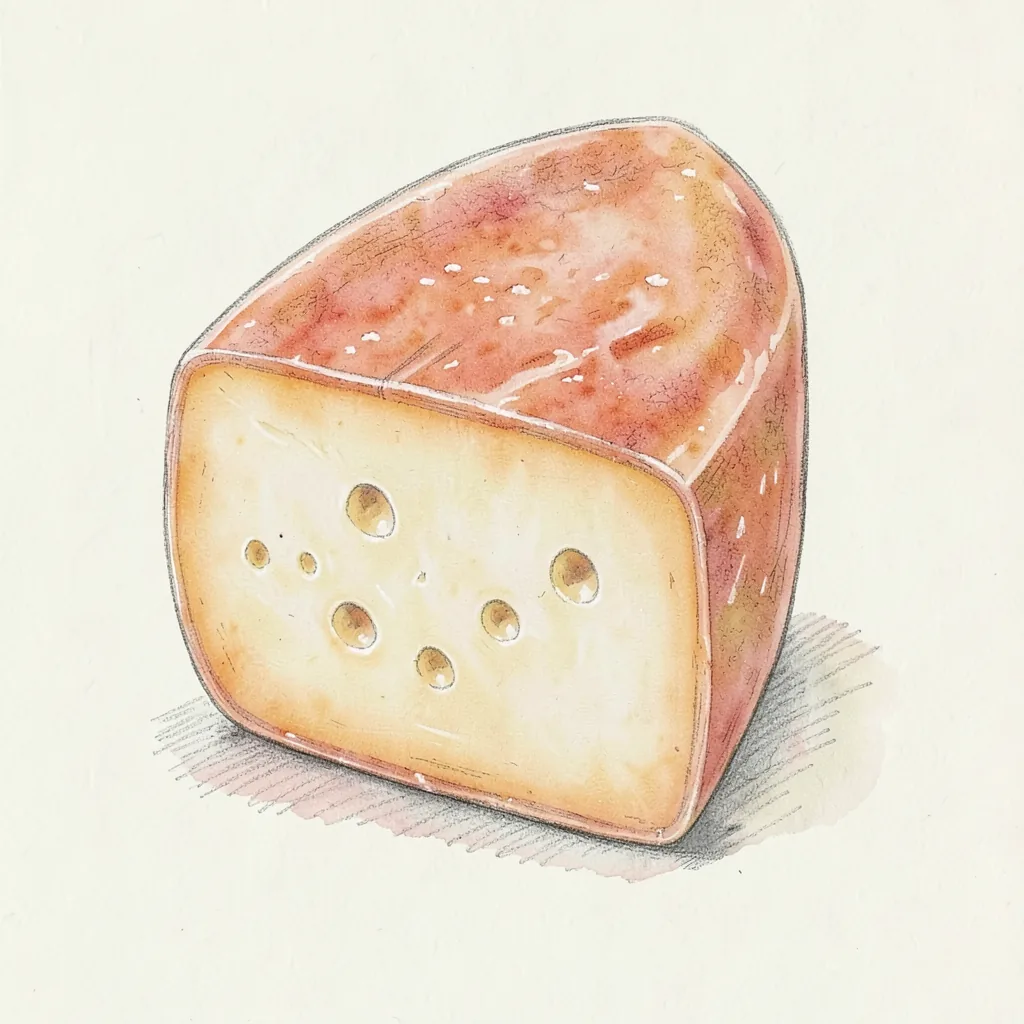
The shape is a block or a small loaf rather than a tall wheel, and the rind is orange from washing. The paste is pale, smooth, and supple enough to slice. The name is linked to an abbey in Belgium, and the cheese is sold as a commercial dairy product under that name. It is a table cheese with a mild body and a more aromatic coat.
The loaf cuts into even slices that hold their shape at room temperature. The interior is milder than the rind, which can smell pungent in the way of washed cheeses. Some products under the same name are sold as slices, blocks, or a spread, so the label matters. The classic piece is the washed loaf. It is stocked as an ordinary cheese, not as a rare item that appears only in one season.
History
The cheese takes its name from an abbey in Belgium. That link explains the place name on a loaf that is now made as a commercial dairy product. The recognizable signs are the loaf shape and the washed orange rind. Cow's milk and a light press define the paste. The cheese is sold well beyond the place it is named for, in ordinary shops in Belgium and abroad.
Washed rind loaves have a wider European history, and this one sits in that group. It is not a copy of a French washed cheese, and it is not a Dutch style such as Gouda. Belgian buyers know it beside other local semi-hard cheeses with a milder slice. The abbey name still appears on the packet, even when a dairy company makes the cheese for the market. Read the variety on the label, because the range includes more than one texture.
How it is made
Makers warm pasteurized cow's milk and set it with cultures and rennet. The curd is cut, stirred, and drained, then lightly pressed in loaf molds. The young cheeses go into brine, which seasons them and starts the rind. After that, the loaves are washed during aging so the surface turns orange and the aroma grows. The wash is a cellar step, not a flavor painted on at the end.
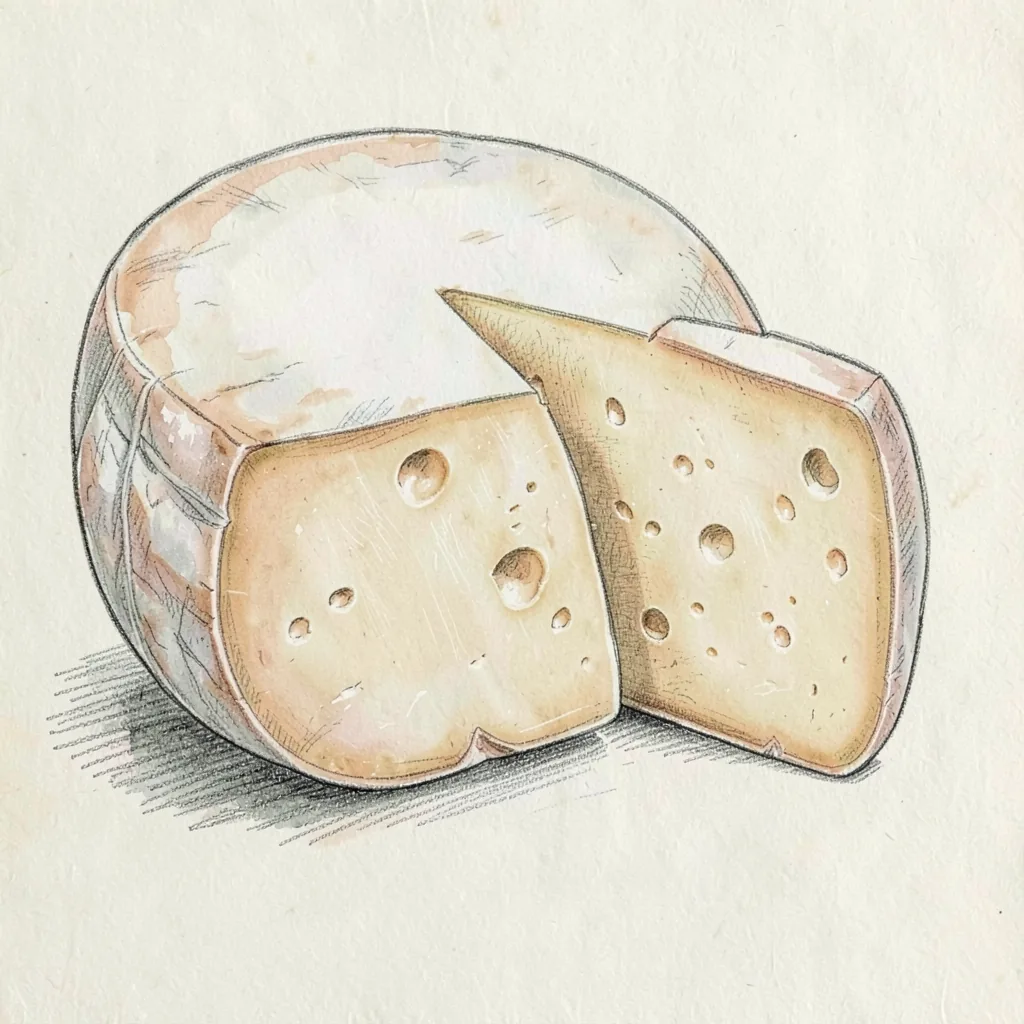
The paste stays closed and smooth, without large eyes and without blue veins. A finished loaf has a firm orange coat and a pale interior that slices cleanly. Aging lasts long enough for the rind smell to develop, and the center stays mild. The spread sold under the same name is a different product, made to be soft in a tub. For the loaf, look for a whole piece or slices with the orange edge still visible.
Taste
The interior tastes mild, creamy, and slightly nutty, with a gentle tang. Salt is present but not harsh. The orange rind smells stronger than the paste and can be pungent, earthy, or a little like broth. Many people trim it if they want only the mild center. Eaten together, rind and paste give a fuller, more savory bite than the center alone.
A cold slice hides the aroma, so let it warm a little before a tasting. Younger pieces are the mildest, and a longer-aged piece tastes rounder and more pronounced when the label offers one. The cheese should smell clean, not sour and not of ammonia. If the paste is dry and cracked, it has been kept too long in open air. At its best the finish is smooth and lightly savory, with the rind note staying in balance.
In the kitchen
Slice Maredsous for sandwiches and for a simple board with bread and fruit. It melts on potatoes, in a grilled sandwich, or over vegetables. The loaf holds a slice, so it also works in a burger where you want a mild cow's milk cheese that softens with heat. Cubes can go into a warm salad if you add them at the end. The rind is edible, but remove it when you want a quieter dish.
Because the paste is supple, it grates poorly compared with a hard cheese. Use slices or torn pieces instead. The spreadable version under the same label is for bread, not for a recipe that expects a loaf to melt in sheets. Do not salt the dish heavily before you taste, since the brine already seasons the cheese. Wrap cut pieces so the washed rind smell stays in the packet and does not fill the fridge.
Around the world
Maredsous is a Belgian cheese, and it is easiest to find in Belgium and in nearby European markets. Shops elsewhere may stock the loaf or the pre-cut slices in the specialty case. The abbey name on the label is the guide, not a promise that every piece was shaped by hand in a small cellar. If you only see a tub, that is the spread, and it will not cook like the loaf. Ask for the semi-hard piece when you want slices that hold a shape.
Saint-Paulin is a mild loaf that can stand in when you need a similar slice and melt. Passendale is another Belgian cheese with a supple paste, though its character is not the same. Chaumes has a washed rind and a stronger aroma, so it is closer in smell than in mildness. None of those is Maredsous, even when the use in a sandwich looks alike. They are useful swaps for cooking, not the same loaf under another name.