Cow
What it is
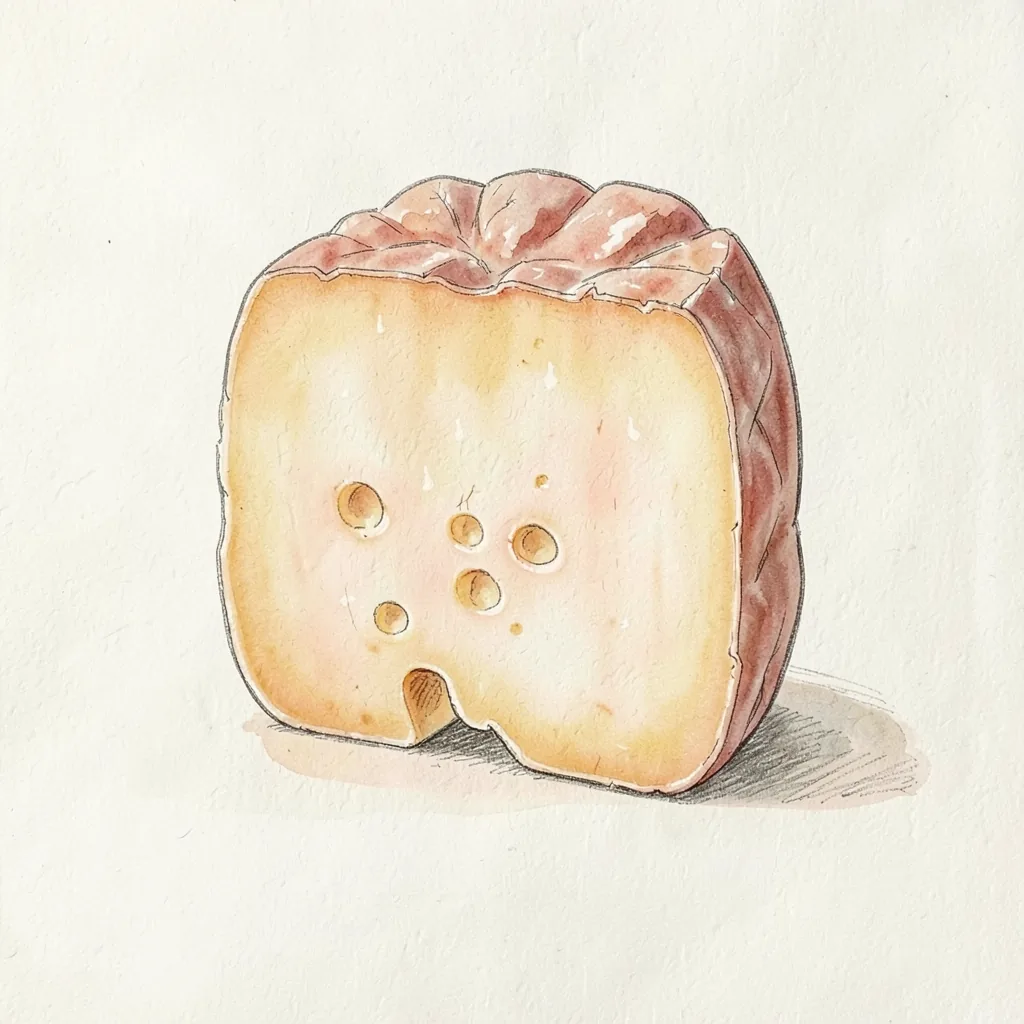
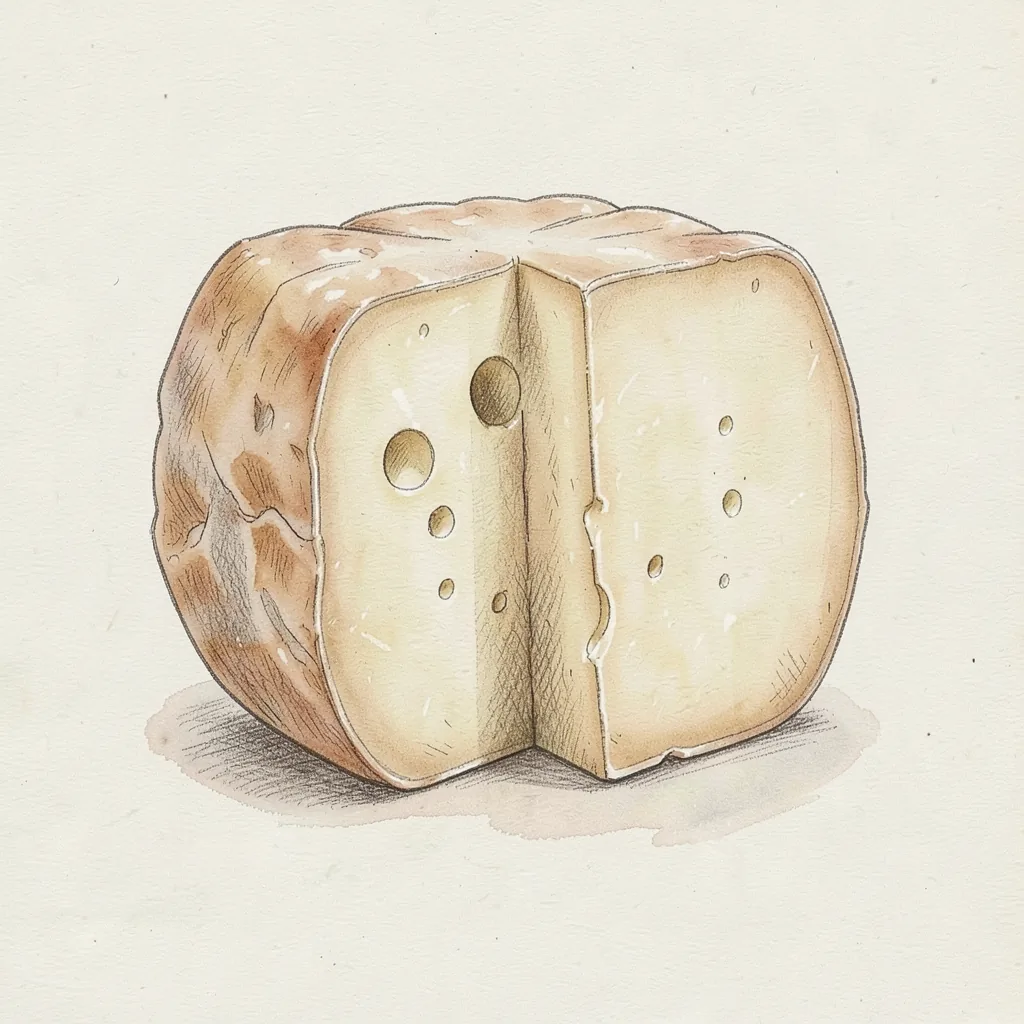
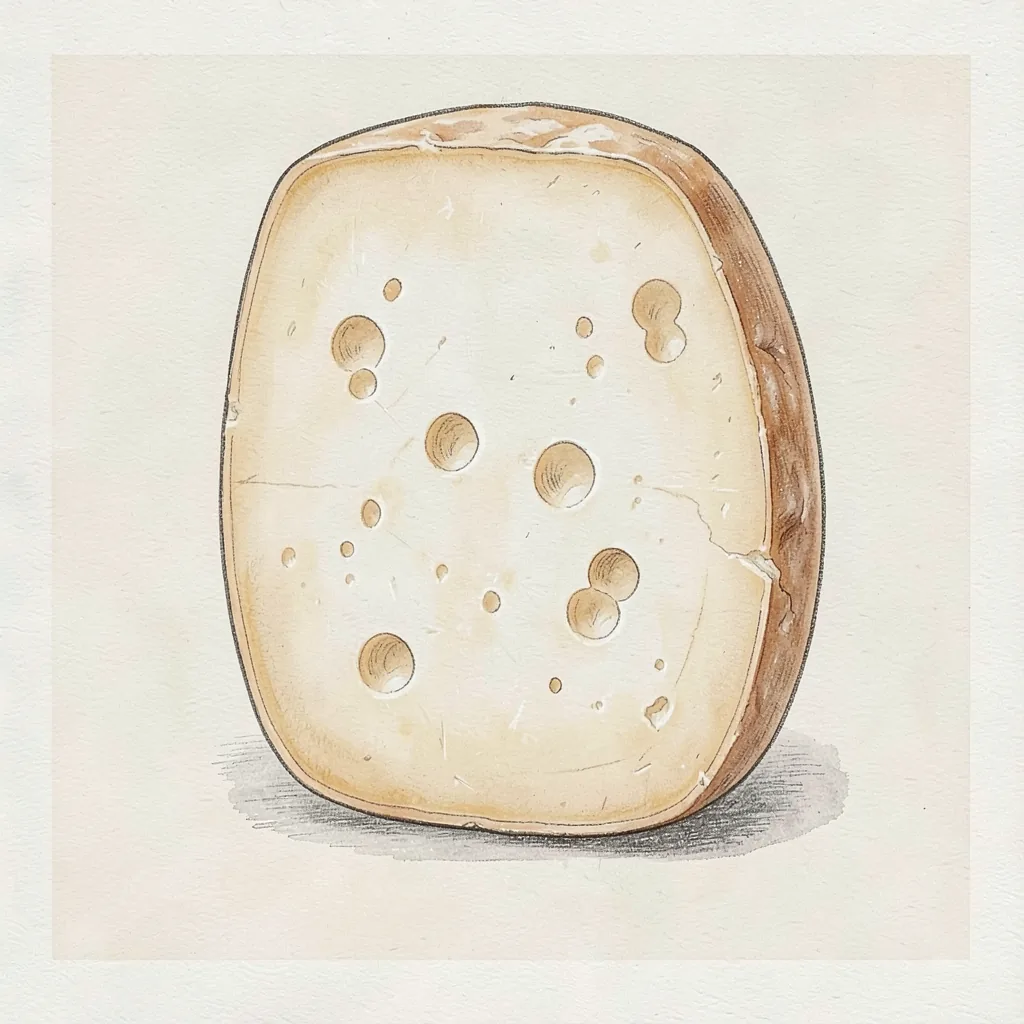
Makers shape cow's milk quark with salt and caraway, dry the pieces, and ripen them with live cheese mites. The mites work on the surface, and enzymes from them help the cheese firm and take on flavor. The result is a small hard piece with a powdery coat. It is not a supermarket item, and ordinary shops do not carry it.
The coat is gray to brown and dusty because mites remain on it, and a traditional serving includes that surface. The interior is firm, spicy, and a bit bitter, with caraway in the background. People who are sensitive to mites should not eat it. This is not a project for a home kitchen, and nobody should try to raise the mites. Buy it only from a maker who already sells it as food, and only if you accept what is on the rind.
History
The cheese grew from a local German custom of ripening quark with cheese mites. It stayed a specialty, not a national loaf in every dairy case. For a time, very few people still made it, and the method nearly faded. Small-scale makers later kept it going as a local food. There is no large brand behind the name, and the mites are the point of the tradition, not an accident in the cellar.
Dialect speech has called it Mellnkase, and the nickname Spinnenkäse means spider cheese. Spiders are not part of the process. The old nickname is a loose way of talking about the tiny mites on the coat. Writers compare the taste with Harzer, another strong German sour-milk cheese, and then add a bitter note. That comparison helps, and it also shows the limit, because Harzer has no mite rind.
How it is made
The base is cow's milk quark, seasoned with salt and caraway, then formed into small balls, cylinders, or wheels. The pieces are dried until they hold their shape. They are kept with rye flour and cheese mites in a wooden box. The flour gives the mites food so they do not consume the whole cheese, and enzymes from the mites season the surface during a long ripening until the paste is firm. This account is not a home recipe.
Do not try to raise cheese mites or copy the box at home. The traditional setup needs a maker who already keeps the culture and understands it as food. Rye flour, caraway, salt, and a long rest are parts of the known method, and they are not instructions for a kitchen experiment. The finished piece is hard, with a living dusty coat. If you cannot buy it from a specialty maker, choose a shop Harzer instead.
Taste
The interior tastes sharp, zesty, and more bitter as ripening continues, with caraway as a steady herbal note. It is drier and firmer than the fresh quark it started from. The aroma is pungent and unusual, and the mite coat adds a dusty, savory edge. Fans speak of a Harzer-like sharpness plus that bitter finish. A small slice is the normal portion, because it is not a mild cheese for casual snacking.
The texture is hard enough to cut in thin pieces, not soft enough to spread like fresh quark. The paste is pale to golden under the coat. The coat is gray-brown and powdery, and that powder is traditionally eaten with the cheese. Some people brush part of it away before a bite. If the smell is simply rotten rather than spicy and marked by caraway, or if you are sensitive to mites, do not eat the piece.
In the kitchen
Traditional plates use thin slices on buttered bread, often dark rye, with beer or wine nearby. That is a tasting serving, not a family casserole. The cheese is too strong, and too hard to find, for a casual melt. It does not belong on a burger, and it does not belong in a sauce for guests who have not agreed to eat mites. Keep the portion small, because caraway and the bitter coat are the whole point of the bite.
There is no grating role and no grill role that makes this cheese useful. If a recipe from outside Germany names Milbenkäse, it is asking for a specialty most kitchens cannot buy. Use Harzer when you want a strong German sour-milk flavor without mites, and tell people you made that change. Do not crumble this cheese over a salad for a crowd. Store it as the maker advises, away from other foods, so the mites stay on the cheese.
Around the world
Milbenkäse barely travels beyond its German specialty trade. Outside Germany, most people meet the name in articles, not in a cheese case. It is not sold in ordinary shops, and a grocery substitute will not carry a mite coat. Casu marzu, a Sardinian cheese associated with larvae, is sometimes named in the same breath. The comparison only means that both use small animals on purpose, and they remain different foods from different countries, not home projects.
Harzer is the cheese to buy when you want a strong German sour-milk flavor from a normal shop. It is sharper than quark, and it is far easier to find. Quark itself is only the mild starting curd, not the finished specialty. Anyone writing about Milbenkäse should describe the mites in plain words so nobody is surprised at the table. Curiosity is not a reason to improvise the process, and if a seller cannot explain the piece as food, leave it.