What it is
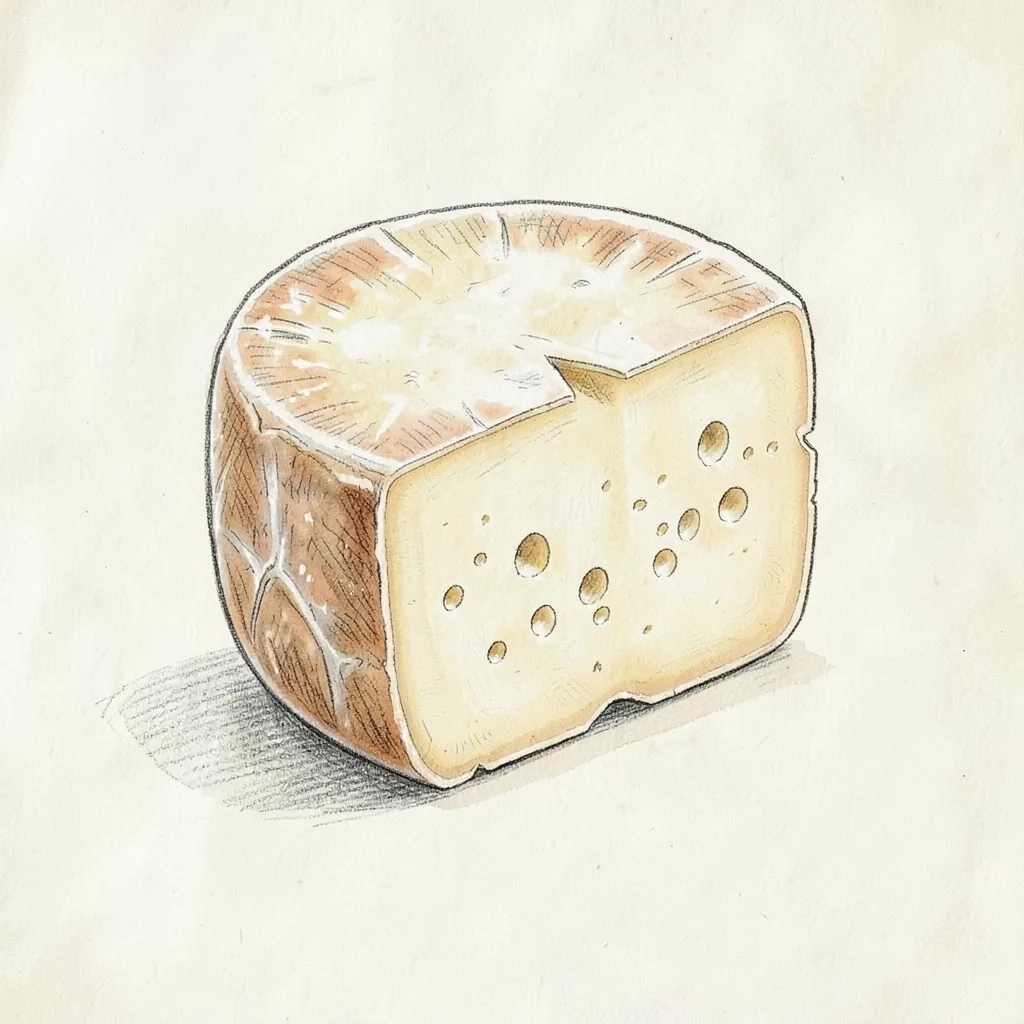
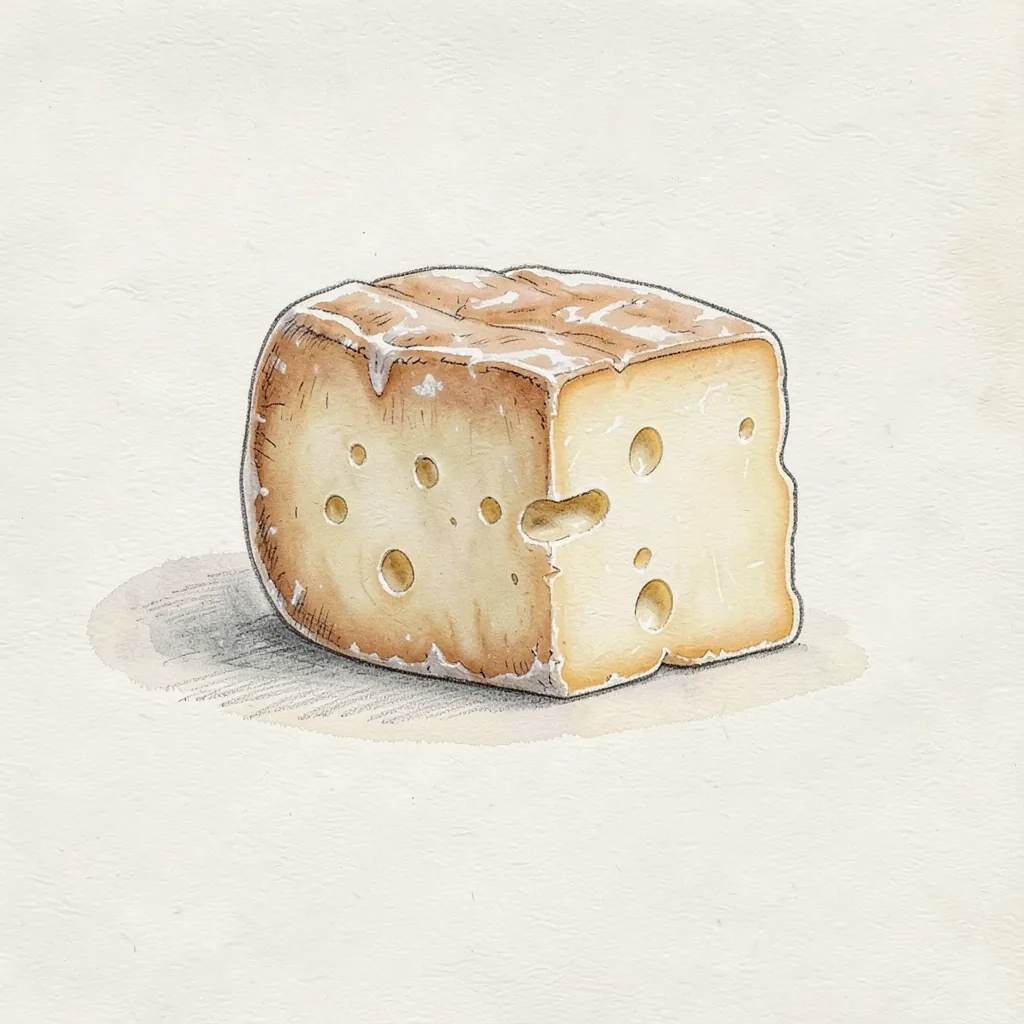
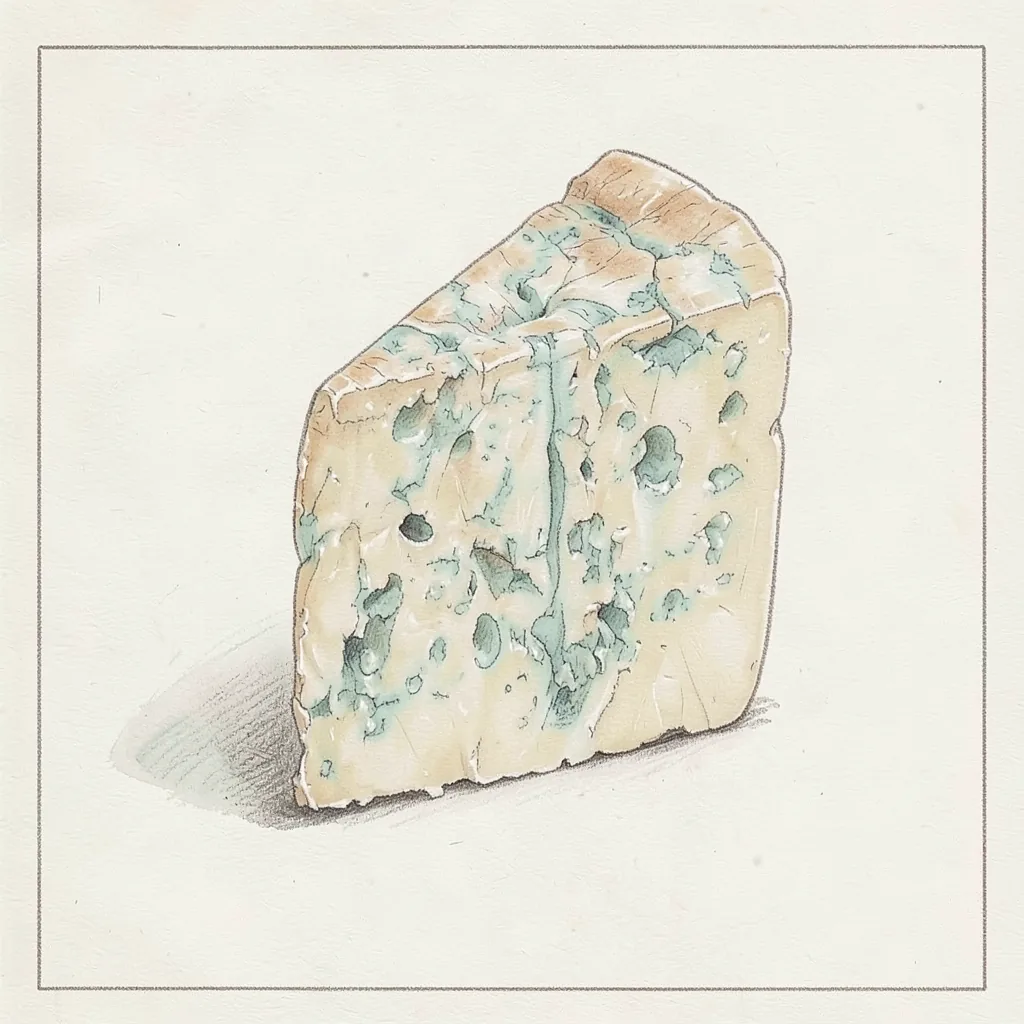
The animals give little milk, and milking them is slow, so only a small amount of cheese is made. Makers turn that milk into more than one style, including a cheese with a rind, a blue, and a fresh brined cheese. You will not find those styles beside everyday wedges in a normal grocery case. The name refers to the milk, and the short supply is why the cheese stays scarce.
A piece from Bjurholm is a tasting cheese, and it is fair to treat it that way. The rind style slices cleanly, the blue is sharper, and the brined style is moist and salty. None of those is a standard export with a fixed recipe you can copy at home. Buy it only from a seller who already works with the herd, and do not try to milk a wild animal. If you want a Swedish cheese for supper, choose a shop cheese from the same country instead.
History
Cheese from moose milk is a recent commercial food, and it grew up around a farm in Bjurholm rather than in a region full of dairies. Sweden already had many familiar cheeses, and moose milk sat outside that trade. Keeping moose tame enough to milk is the hard part, and only a few animals are used. The farm became known because almost nobody else was doing the work. Visitors often came for the animals and then heard about the cheese, which stayed local because the milk never became a commodity.
There is no old guild and no shared village recipe behind moose cheese. The story is short because the supply is short. Writers sometimes talk about record prices, and those figures change, so treat them as gossip unless a seller states them. What stays stable is the place, which is Bjurholm in Sweden, and the milk, which comes from moose. A cheese that cannot be tied to that milk is a different product with a borrowed name.
How it is made
The milk comes from tame moose at a farm in Bjurholm during the short season when they can be milked. It is a rich milk, and it is made into cheese in small batches rather than in a factory vat. Makers finish it in more than one way, as a cheese with a rind, as a blue, and as a brined white cheese. Each style uses the same scarce milk and a different aging path. Salt, cultures, and time differ by style, and those details stay with the maker.
A home cook cannot reproduce this cheese, because the obstacle is the milk, not a missing spice. Moose are not ordinary dairy animals, and handling them is specialist work. Do not try to collect the milk yourself, and do not treat a wild animal as a dairy herd. The finished cheeses are made where the animals already live, then sold or served in very small amounts. If a seller cannot say that the milk is moose milk from a real herd, the product is not this cheese.
Taste
The rind style is the one most people picture, and it is firm enough to cut, with a savory rich flavor. The blue style is sharper, with the salt and tang that blue mold brings. The brined style is moister and saltier, closer to a white cheese you might cube. All three carry the milk, which tasters often call rich, though notes change with the style. Because batches are tiny, one season can differ from the next, and a single tasting does not fix the flavor forever.
Texture is part of the choice, and it is not one thing across the styles. A rind cheese can sit on a board in neat slices. A blue can be crumbly and strong, and a brined piece can be soft and salty. None of them should be judged against a cheap everyday block, because the point of the purchase is the unusual milk. If the smell is only harsh and the paste looks tired, skip the piece, as you would with any small batch.
In the kitchen
Use a small piece on a board, with plain bread, and let people taste it before you cook it away. The rind style can be sliced, and the blue can be crumbled over a simple plate if the flavor is clean. The brined style can sit with tomatoes or olives in the way a salty white cheese does. Heat is a poor use of something this scarce. There is no classic sauce that depends on moose cheese, so save the cooking for cheeses you can buy again.
Do not build a dinner around a cheese you may not be able to buy again. A firm Swedish wedge from a normal dairy will do the sandwich work and the cooking. Keep moose cheese for a tasting, a gift, or a visit to Bjurholm. Tell guests what the milk is before they eat, because the surprise is the point. If someone needs a recipe that feeds a crowd, choose another cheese at the start and enjoy this one on its own.
Around the world
Outside Sweden, moose cheese is a headline more often than a food on the table. A few shops and restaurants have offered it, usually in a small portion and at a high price. It does not travel as a regular export with a stable place in every dairy case. Travelers who visit Bjurholm may meet it near the animals that give the milk. Everyone else is more likely to read about it than to see a wedge for sale, and that limit is practical.
Other uncommon animal milks sometimes get grouped with moose cheese in articles. The comparison only means that the milk is unusual, and it does not mean the cheeses taste alike. One rare cheese cannot replace another in a recipe just because both are hard to find. Sweden's ordinary cheeses, from mild household types to firm aged wheels, are what most people can actually buy. Ask for those when you want a Swedish plate, and leave moose cheese as a rare exception from Bjurholm.