Cow
What it is
The name means priest cheese, and it recalls an old custom of paying a church tithe in farm goods, including milk. Farms turned that milk into a small-eyed cheese that could keep. Today the style is made in dairies from pasteurized milk and sold across the country. The paste is yellow, smooth, and lightly open, with a savory tang.
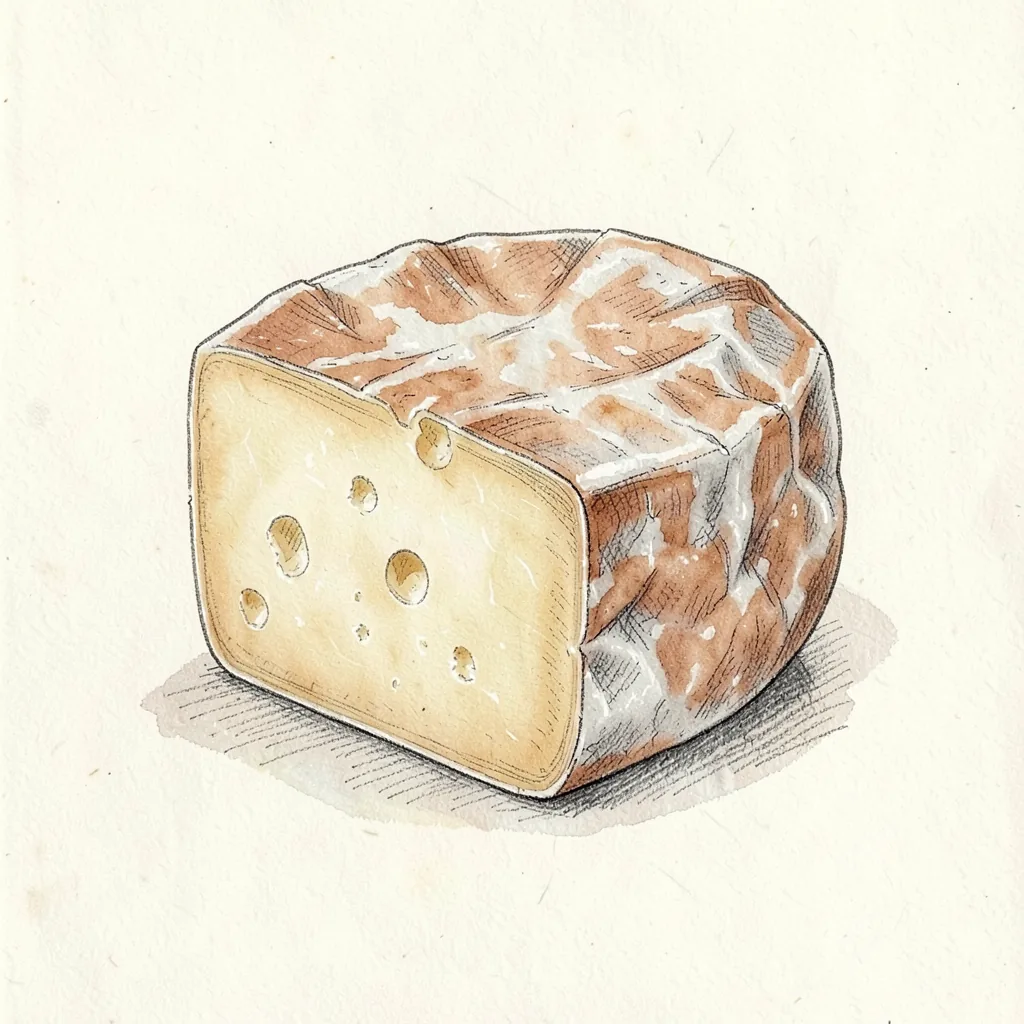
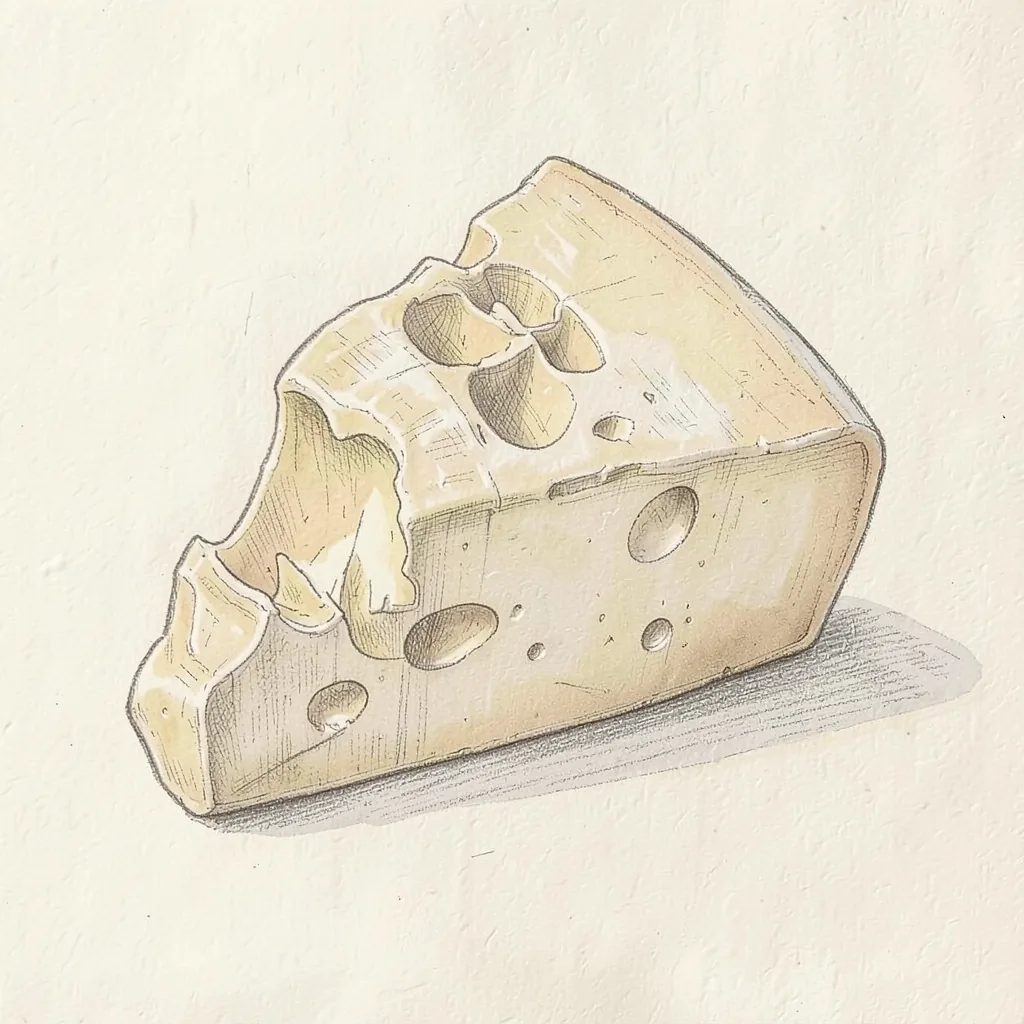
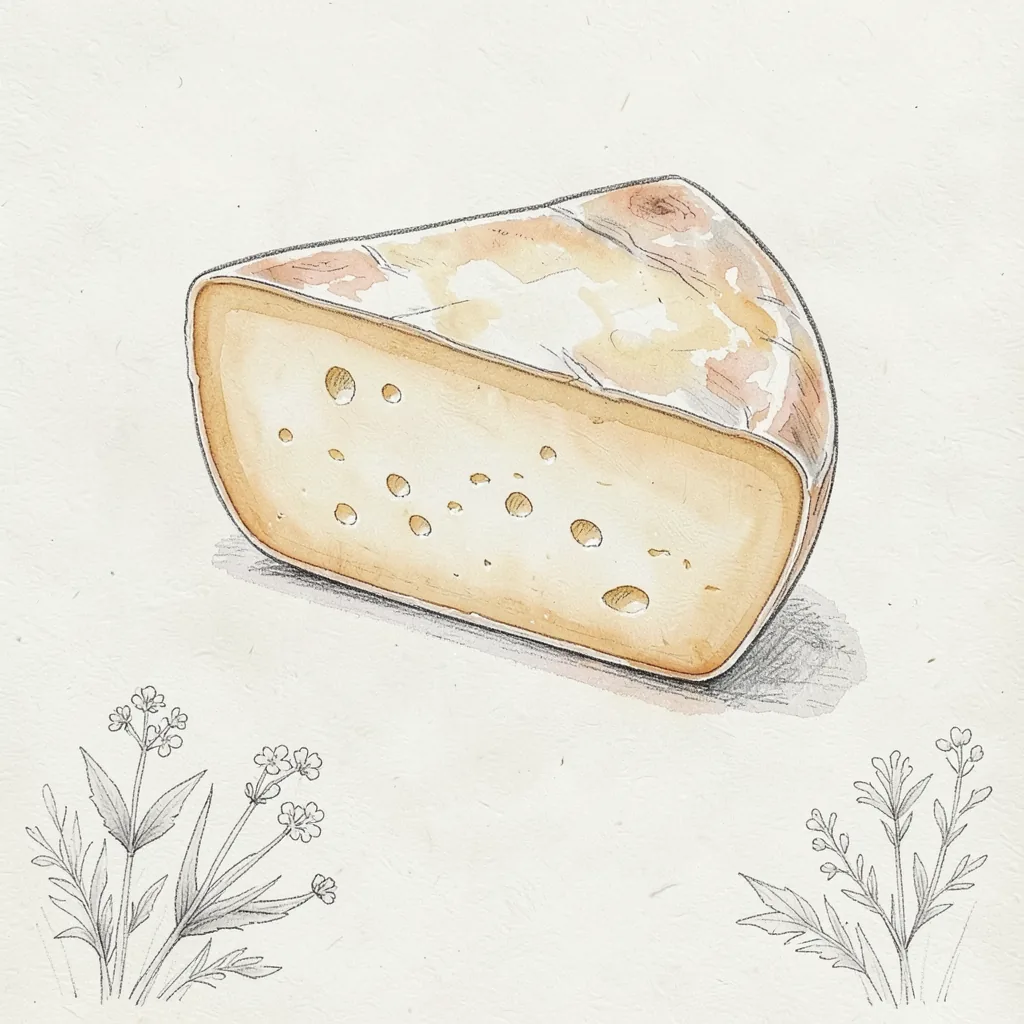
On the table it is fuller and sharper than the mildest Swedish slicing cheeses. The flavor is rich, buttery, and a bit tangy, with a clean salty finish. Small irregular openings dot the paste. Many wheels wear a wax coat, so there is little rind to trim. It is a breakfast and sandwich cheese in Sweden, and it also melts in a hot dish.
History
The priest in the name is a clue to the tax, not a single famous maker. When a tithe could be paid in milk, that milk had to become something stable. A pressed cheese with small eyes was the practical answer on many farms, and the habit was widespread in Sweden for a long stretch of its rural history. No one village owns the recipe.
What began as farm and parish food later moved into creameries. Pasteurized cow's milk and standard cultures replaced the old mix of fresh curd and a little already fermented curd. The name stayed, and the cheese became a national style rather than a local oddity. Some makers still offer a version finished with spirits, which adds aroma. The everyday wheel in a Swedish shop is the plain, tangy one.
How it is made
Modern Prästost starts with pasteurized cow's milk. Starter cultures and rennet set a curd, which is cut, stirred, and warmed so the grains firm and release whey. The curd is pressed in molds into wheels or blocks. Salt is added in the curd or in a brine bath. The goal is a smooth, elastic paste with scattered small holes, not a blind dense block and not a cheese full of large round eyes.
The cheese is then aged until the tang develops and the paste holds a slice. Many commercial wheels are coated in wax, which limits a thick rind and keeps the surface clean. A plain version has no added spices. A spirit-treated version picks up a stronger aroma from the wash, but the body stays in the same family. Both are Prästost, and the label should say if alcohol was used.
Taste
Expect a full dairy flavor, more assertive than a mild sandwich cheese and less fierce than a long-aged hard cheese. Butter, salt, and a pleasant sour edge are the main notes. There can be a light nuttiness and a savory, almost brothy finish. The paste is smooth and slightly springy, with little holes that may look irregular. It should not taste bitter, soapy, or of blue mold.
Age and the spirit treatment, when it is used, push the aroma further. A younger piece is creamier and gentler, while an older piece is sharper, drier at the edge, and more persistent. The wax is not for eating. At room temperature the tang is clearer than when the cheese is cold from the refrigerator. A good slice smells clean and rich, not yeasty or stale.
In the kitchen
In Sweden, Prästost is sliced for breakfast, crispbread, and open sandwiches. Butter and a little jam or a pickled vegetable are enough beside it. It also melts in a gratin, a sauce, or a toasted sandwich, where the tang stays noticeable. Grate an older piece over a baked dish if you want more savor. Use less salt in the recipe than you would with a very mild cheese.
On a board, pair it with apples, pears, and a plain cracker so the tang can show. A dark bread stands up to it better than a sweet white loaf. The spirit-washed style needs a simpler plate, because the aroma is already strong. Do not freeze it if you can avoid that, since the paste can turn crumbly. Keep the cut block wrapped so it does not dry at the edges.
Around the world
Outside Sweden, Prästost shows up in shops that stock Nordic food, and sometimes under the English name priest cheese. It is less famous abroad than some Swedish cheeses with large eyes. Read the label for a spirit wash if you want the plain style for cooking. A waxed wheel and a block from a dairy are the usual forms. Both should slice cleanly and taste tangy rather than bland.
Herrgårdsost is the cheese people most often confuse with it. That one is milder, sweeter, and usually a safer everyday slice. Greve is nuttier and more open, closer to a Swiss-style table cheese. Svecia is another Swedish pressed cheese, and it is usually a milder everyday choice. For a melt, Herrgårdsost or a young Gouda will work, but the dish will lose the sharp edge that makes Prästost distinct.