Cow
What it is
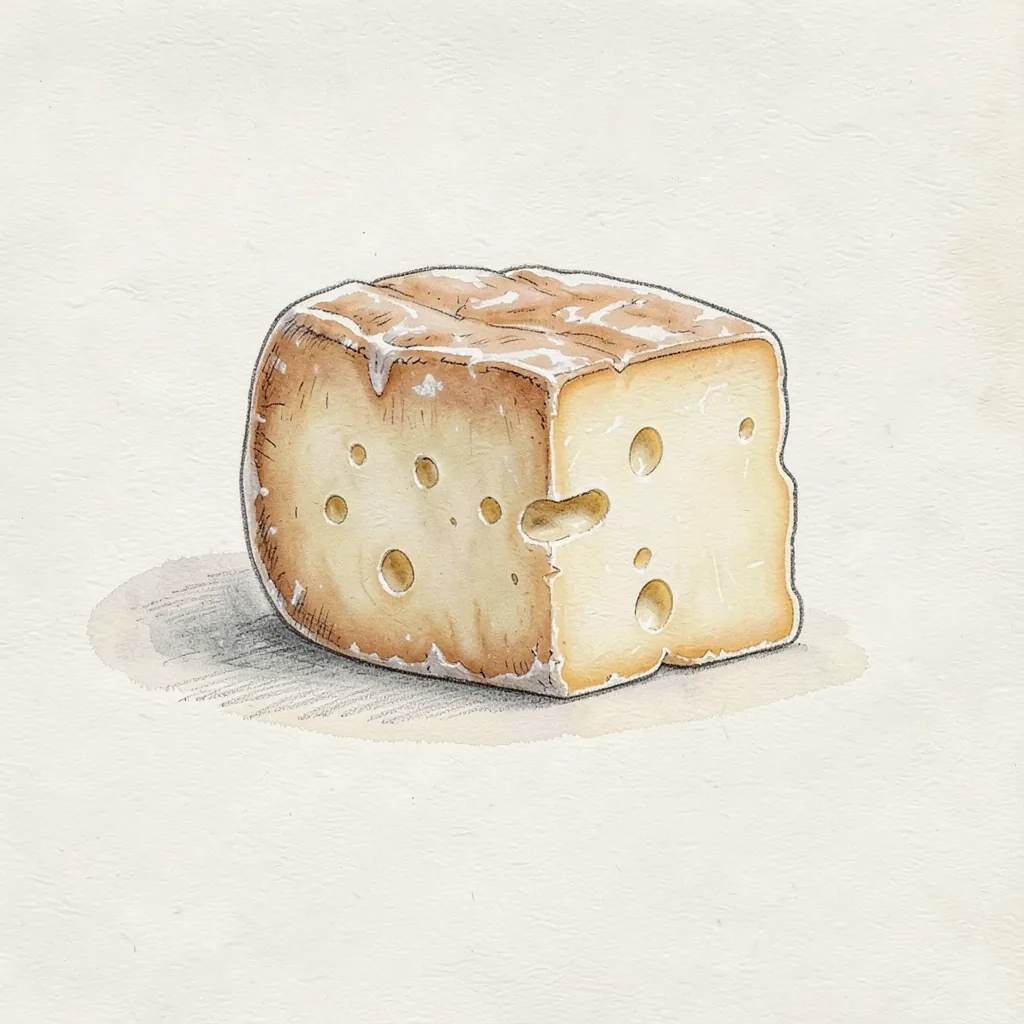
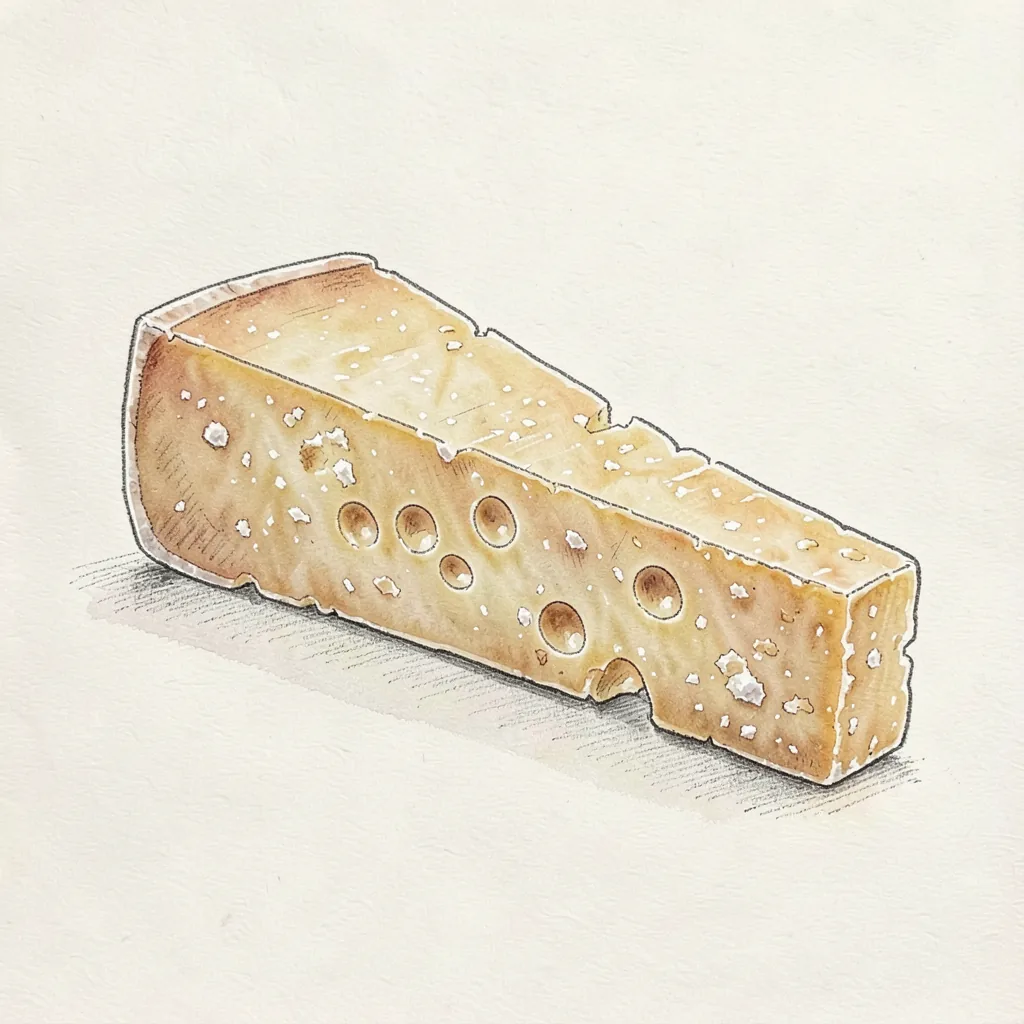
One dairy in that town makes it, so the region is the real place of production and not a loose national style. The paste is pale yellow, firm, and granular, with tiny eyes. The flavor is strong, salty, and aromatic, with a savory edge that can turn slightly bitter. Swedes treat it as a special hard cheese, not as a mild everyday slice.
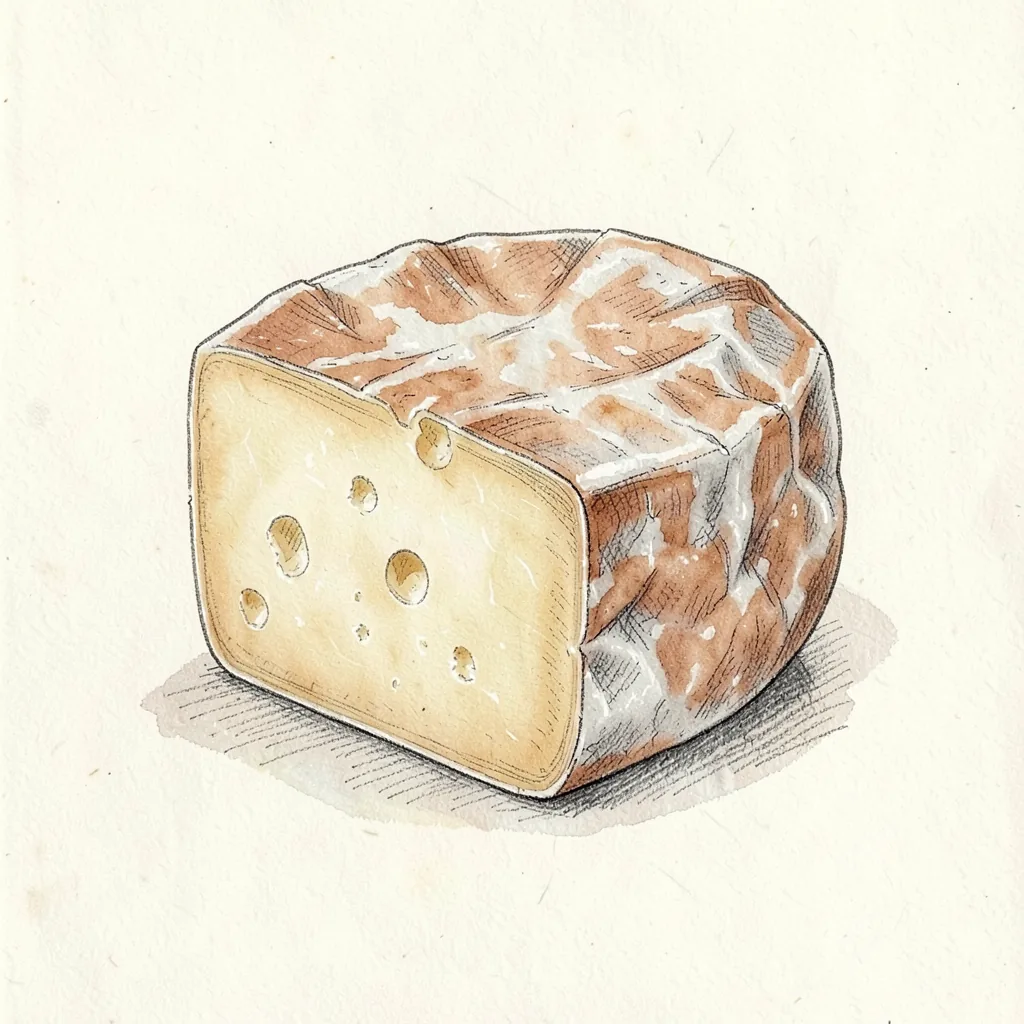
Wheels are usually coated in wax, and shops sell wedges that grate and shave cleanly. Long aging brings small crunchy crystals and a drier break than a young Swedish table cheese. The cheese is sturdy on a board and strong enough to season a whole savory pie. People sometimes compare the salt and the grain with hard Italian grating cheeses, but the aroma is its own. A wedge that tastes mild and elastic is probably a different Swedish cheese.
History
Burträsk is the home of the cheese, and the method stayed in that town instead of becoming a general Swedish recipe. One dairy still makes it, which is why the name points to a real place of production. The cheese became a national favorite without leaving that plant. Because output is limited, wedges can be scarce even inside Sweden. For a buyer, the useful fact is simple: this hard cheese comes from Burträsk, and a wheel from somewhere else is not the same thing.
Sweden has several well-known hard and semi-hard cheeses, including Prästost, Herrgård, and Grevé. Västerbotten is the strong, salty member of that wider family, not the mild slice for a plain sandwich. The name is tied to the Burträsk dairy as a trademark, so another plant should not use it. Cooks outside Sweden met the cheese through Swedish recipes, above all the savory pie. That pie showed how much aroma and salt the paste can bring to eggs and cream.
How it is made
Cow's milk from farms around Burträsk arrives at the dairy, where it is cultured and set with rennet. Makers cut, heat, and stir the curd so the grains firm before any pressing. That stirred curd helps the finished paste turn granular rather than supple. The curd is molded, pressed into wheels, and salted in brine. The wheels are then aged for a long time under a wax coat, until the body is hard and the flavor has deepened.
Aging is not a brief stop on the way to the shop. The wheels stay until the paste will grate and small crystals show in the cut. Only the dairy in Burträsk finishes this recipe under the name. A faster Swedish cheese follows another schedule and tastes milder. A waxed piece with a pale granular face and a strong smell is the look to expect, and the label should say Västerbotten or Västerbottensost.
Taste
Salt, savory depth, and a light bitterness arrive together, with a sweet dairy note underneath. The aroma is full and strong, closer to a grating cheese than to a buttery slice, and tiny crystals add a clean crunch. The paste is a warm pale yellow. A thin slice on bread is already intense, so many people grate it instead of stacking slabs. The taste lingers, which is why a small amount can season a whole dish.
Set beside a very old Italian grating cheese, Västerbotten is a little moister and more aromatic, and the bitter edge is part of its character. It is not a mild nutty cheese, and it is not smoked. Eaters who expect a gentle Swedish slice are often surprised by the salt. At room temperature the aroma opens, while a piece straight from the fridge feels harder and tastes more closed. Let a wedge warm before you decide what you think of it.
In the kitchen
The famous dish is västerbottenspaj, a savory pie in which grated cheese sets with eggs and cream inside a pastry shell. Swedes serve that pie as ordinary food for a gathering, not as a rare restaurant trick. The same grate suits potatoes, mushrooms, or a plain pasta. Thin shavings on buttered bread show the flavor with no further work. The cheese is salty, so cut back other salt, and let a little onion sweetness in the pie balance the bitter note.
Heat softens it, but it does not stretch, so it is a poor choice for a pizza melt. Grate it fine into sauces and in larger flakes over a gratin. On a board, pair it with pear, rye bread, and something sweet, such as cloudberry jam, a familiar northern match. A wrapped wedge keeps well because the paste is dry, but a faint flavor may mean a milder Swedish cheese. Check for the name Västerbotten or Västerbottensost before you bake the pie.
Around the world
In Sweden the cheese is both a point of pride and a practical ingredient, and many cooks keep a wedge for the pie and the bread plate. It also appears at crayfish parties, where the strong salt stands up to the shellfish. Exports exist, but the single dairy limits how far the cheese can travel. Shops in neighboring countries, and in some cities farther off, carry it when supply allows. A buyer who finds a wedge should not assume the next visit will offer another.
Prästost is the Swedish cheese most often suggested when Västerbotten is missing, though it is milder. Herrgårdsost is gentler still and will not give the same force in the pie. A hard Italian grating cheese can supply salt and crystals, but it will not smell of Burträsk. Outside Sweden, read the label for the town, because the place is the proof. There is no serious copy made far from that dairy, so if the pie matters, wait for the real wedge.