Sheep
What it is
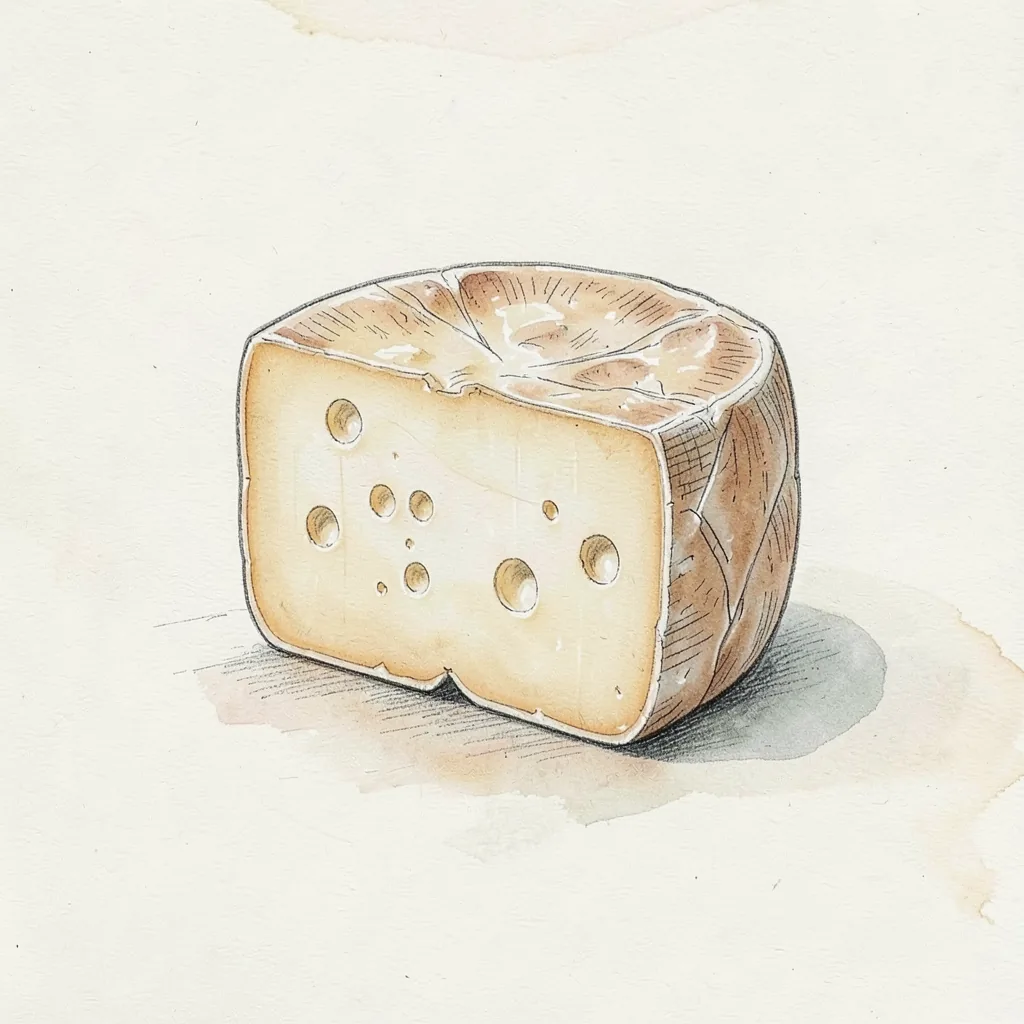
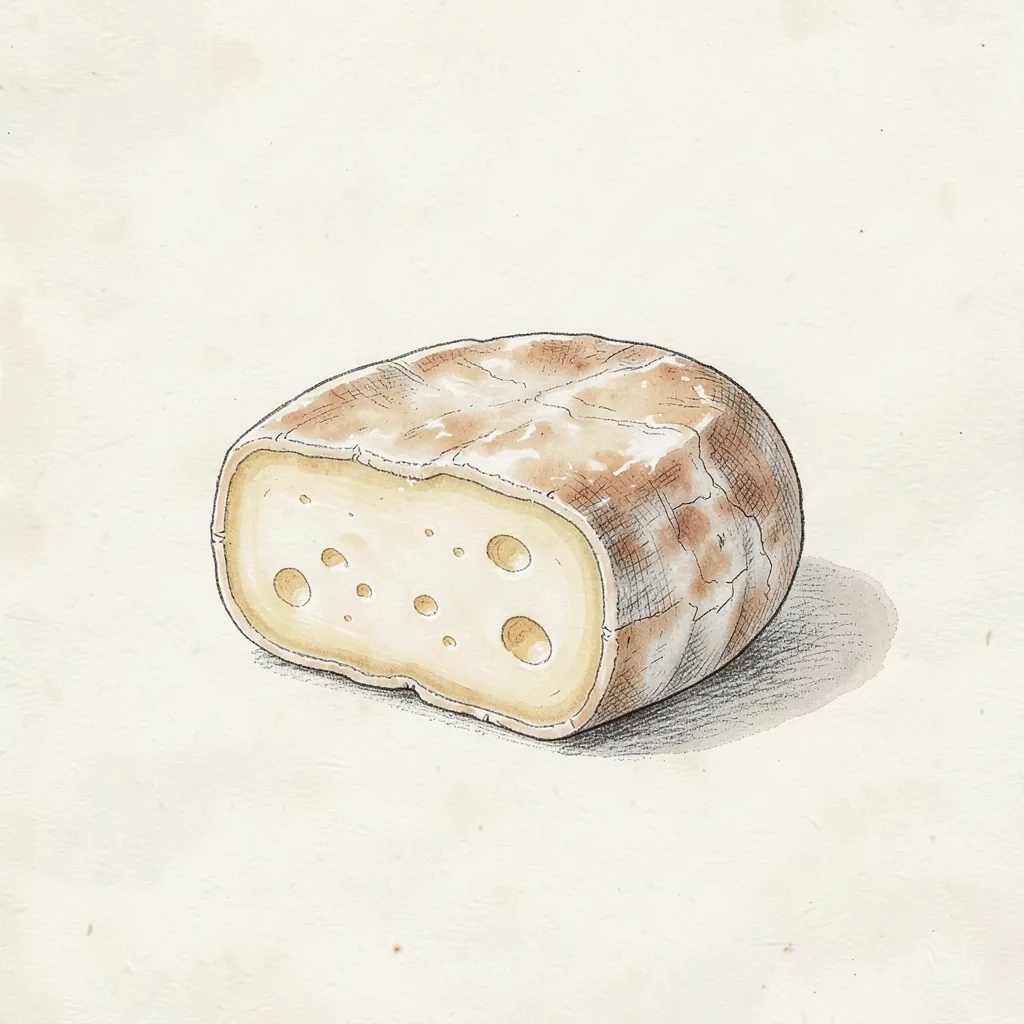
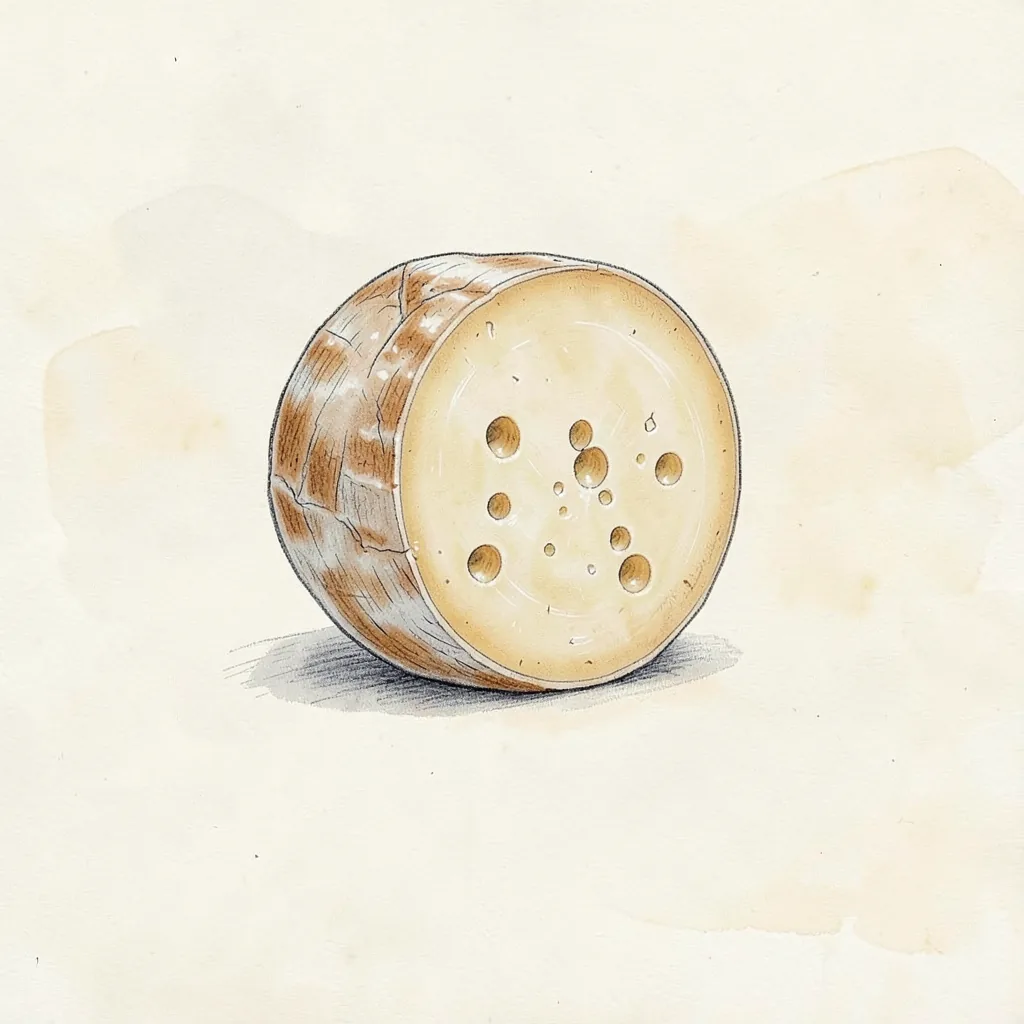
Makers form it from the curd left after larger highland cheeses are shaped, so the pieces stay small. Hearts, wreaths, spindles, and little animals are all traditional shapes. The inside is pale, soft, and elastic, while the outside turns straw colored in the smoke. The taste is salty, lightly spicy, and clearly smoky, and a warm piece smells stronger than a cold one.
The name comes from redyk, the seasonal movement of sheep between the village farms and the mountain pasture. In the past, these little cheeses were gifts, often given in pairs, and the word could mean any cheese present. Today the name points to this small smoked cheese, not to every gift from a shepherd. People still confuse it with oscypek because both are smoked and both come from the same sheep's milk curd. Size and shape are the quick way to tell them apart.
History
Redykołka grew out of thrift in the Podhale dairies. After the large cheeses were formed, small pieces of worked curd remained, and shepherds shaped those pieces instead of wasting them. The little forms became gifts for children and guests, and custom said they should be given in pairs. At the return from the mountain pasture, the same cheeses marked the end of the grazing season. The name redykołka once covered cheese gifts in general, which is why old stories can sound broader than the cheese sold now.
The link with oscypek is real, but it is not identity, because oscypek is the large spindle. Redykołka is what the leftover curd becomes, in playful or decorative shapes. Both are smoked sheep's milk cheeses of Podhale, and both can include the same smoky, salty style. Cooks and shoppers still mix up the names. If a piece is tiny, or if it looks like a heart or an animal, it is in the redykołka family even when a seller uses the more famous name.
How it is made
Sheep's milk is set with rennet and drained into a fresh curd known as bundz. For the famous large cheeses, that curd is worked in hot water, kneaded until elastic, and pressed into spindle molds. The pieces that will not fill another spindle become redykołka. Makers shape them by hand into animals, hearts, wreaths, or small spindles, sometimes with the help of little carved molds. The forms are salted in brine, which gives the lightly spicy, salty taste.
After the brine, the small cheeses are smoked until the outside is straw colored and the aroma is strong. The interior should stay soft and elastic, not hard and chalky. Because the pieces are small, smoke reaches them quickly, so a heavy hand can make them bitter. A good piece looks smooth, with a light sheen, and it keeps the shape the maker gave it. There is no wax coat, and the smoked skin is the rind you see on the board.
Taste
Expect a strong smoke aroma as soon as the piece is unwrapped. The taste is salty and a little spicy, with a clean sheep's milk flavor under the smoke. The paste is elastic and slightly soft, so it bends before it breaks. A heart or animal shape does not change the flavor, but the thin parts taste smokier than the thick center. If the rind is very dark and bitter, the smoke went too far, but the center can still be good.
Compared with a large oscypek, redykołka often tastes a bit more direct, because the small shape takes smoke all the way through. It is still in the same family of flavor: salt, smoke, and sheep's milk, not a sweet or buttery profile. Served cold, it is firm and bright. Warmed, it softens and the aroma fills the plate. Fruit, especially cranberry or another tart preserve, is the usual contrast, and plain bread is enough if you want to taste the cheese alone.
In the kitchen
Grill redykołka or brown it in a pan, then serve it with cranberry preserve or another tart fruit. The small shapes cook faster than a large spindle, so stay with the pan. You can also eat it cold, in thick pieces, with bread and butter. It is too small and too elastic to grate well. Crumble a warm piece over roasted vegetables or fold it into a potato dish if you want smoke in every bite.
Do not drown redykołka in a heavy sauce. The smoke is the seasoning, and extra salt is rarely needed on the plate. A green salad or pickled vegetables keeps the plate fresh. If you have several shapes, cook the thin animals apart from the thicker hearts, because they soften at different speeds. Leftovers are good cold the next time you set out bread, so cover them, since the aroma is strong enough to scent a whole shelf.
Around the world
Outside Poland, redykołka is less famous than oscypek, so many shops sell the large spindle and skip the small shapes. Look in Polish delis, especially around holidays, when highland cheeses are stacked near the bread. The animal and heart forms are easy to spot once you know them. A seller may still call every smoked sheep cheese oscypek, so ask for the small gift cheese from Podhale if the label is vague. One or two pieces are enough for a tasting, because the smoke is strong.
Oscypek is the closest substitute, and it has the same smoke, the same sheep's milk base, and the same habit of being grilled with tart fruit. It is larger and spindle shaped. Ostiepok, the Slovak relative, can also stand in when you want a smoked mountain cheese with a salty bite. Gołka is the cow's milk cousin from Silesia, milder and cylindrical, so it fits a grill but not a sheep's milk recipe. Bundz is the fresh curd these cheeses start from, and it is not a smoked substitute.