Mixed milk
What it is
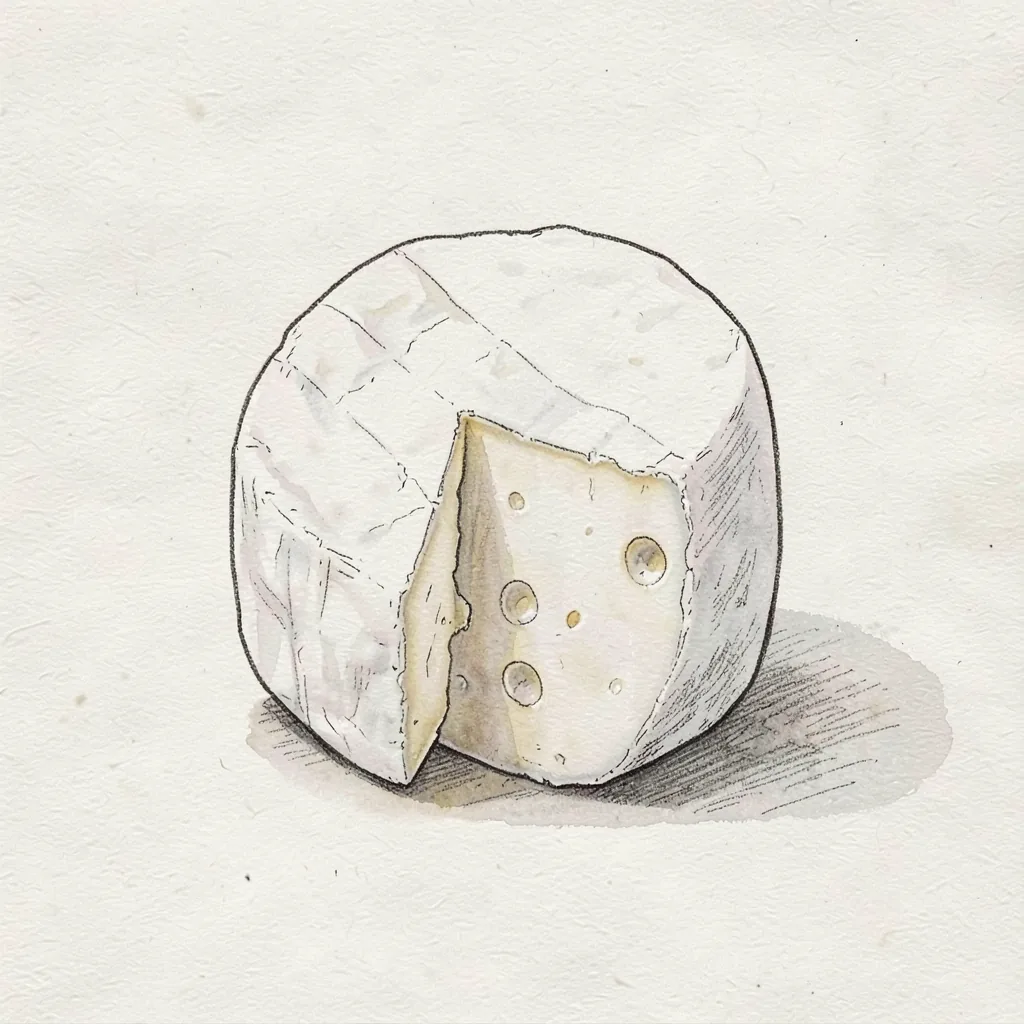
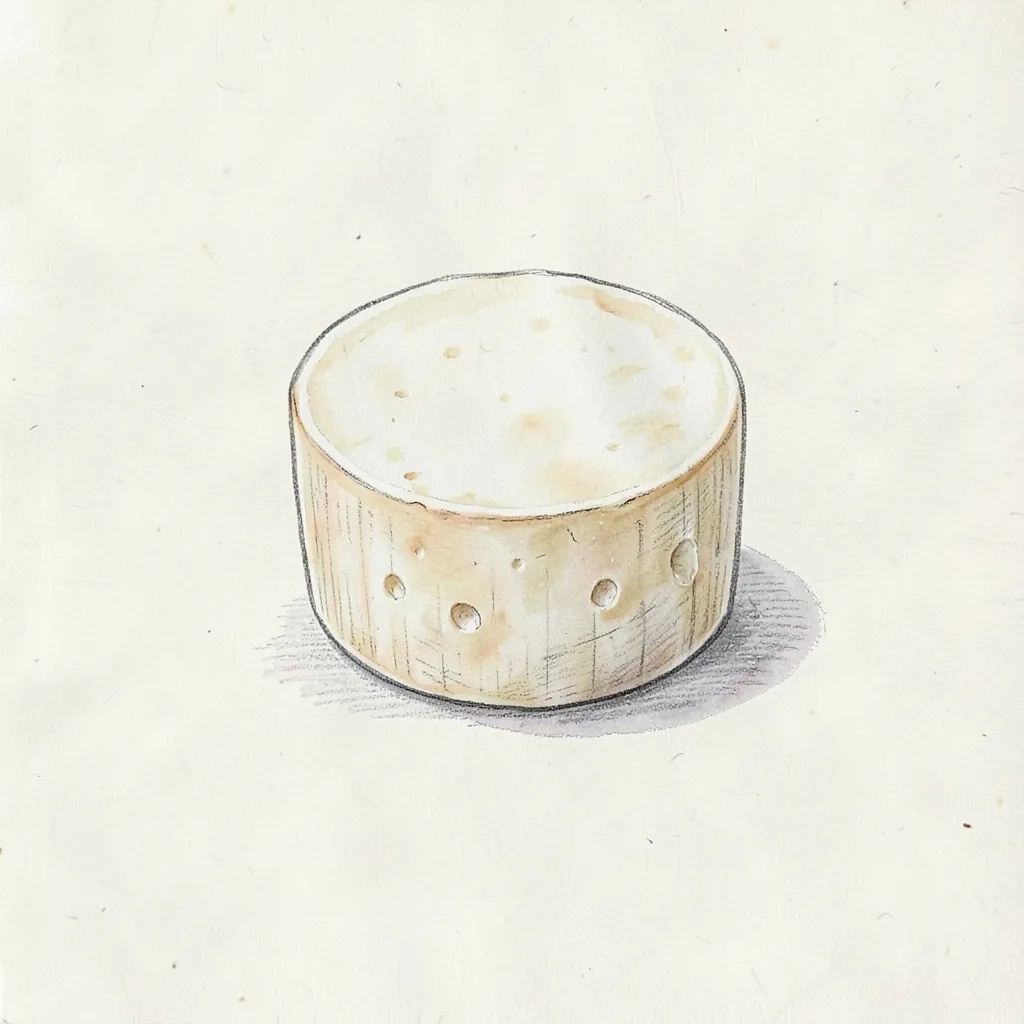
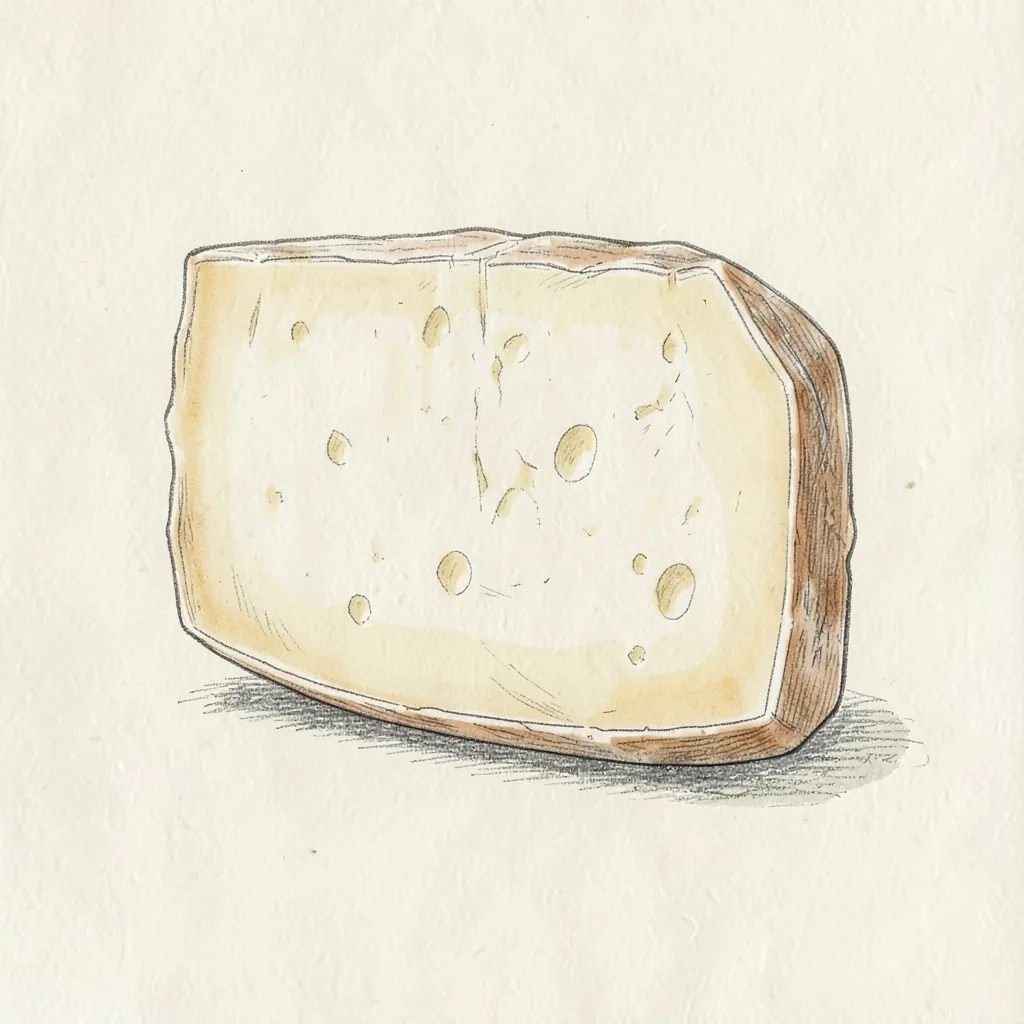
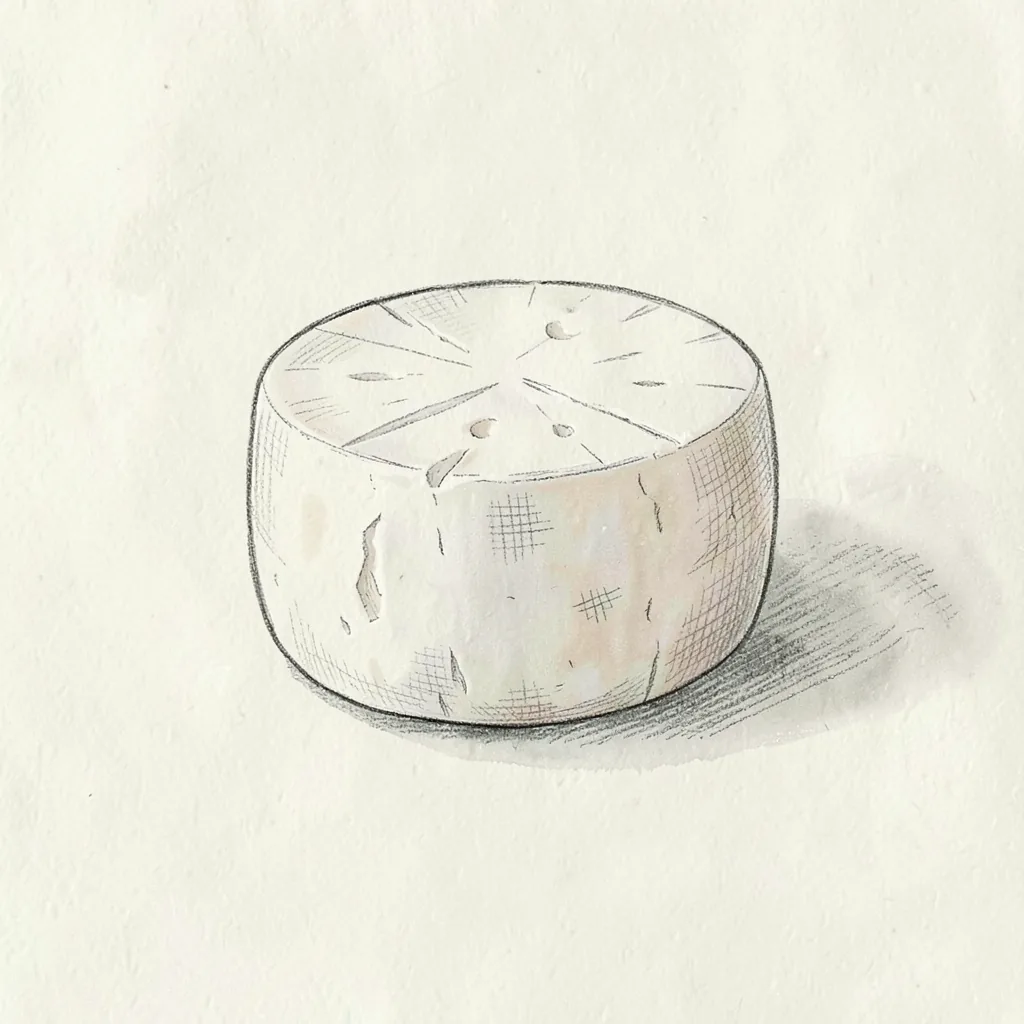
It is made from goat's milk, often mixed with sheep's milk, and it is eaten before any real rind can form. The shape is a small ball or a short egg, worked by hand and traditionally wrapped in fern leaves. The paste is white, soft, and elastic, with a mild milky taste. It belongs to the mountain food of the region, not to the long aged pecorino tradition.
Because it is fresh, Padraccio does not grow a sharp or salty bite. Makers add little or no salt, and they do not leave the cheese to mature. A piece from the warm season is meant for the table soon after it leaves the basket. Mixed milk keeps the flavor gentle, with goat's milk brightness and a softer sheep's milk roundness when both are used. It is a local cheese, and it is easy to miss outside Basilicata.
History
Padraccio comes from the mountains of Basilicata, where small flocks of goats and sheep supplied the milk. The name is tied to a local word for a round or egg-shaped piece, which matches the hand-formed ball. Shepherds and farmers made it as a fresh cheese, not as a wheel to store through the cold season. In the past it could change hands as a simple food traded among neighbors. No famous house owns the method, and the cheese stayed close to those mountain flocks.
The cheese stayed a food of the warm season, when the flocks were in milk and the curd could be eaten fresh. Fern leaves, and sometimes a tie of broom, kept the soft ball together for the short trip to the table. The method did not grow into a large factory trade, and it never needed a long store. Italian catalogs list it for Basilicata, but that note is not the story of one inventor. The cheese is still the fresh ball from mountain milk.
How it is made
Makers warm raw goat's milk, sometimes with sheep's milk, and add kid or lamb rennet. The curd sets, then they cut it and move it into a wicker basket. Hands work the paste into a sphere or a small egg, without a machine to force the shape. Fern leaves wrap the finished piece, and a few makers tie the wrap with broom. It is not cooked a second time, not stretched, and not pressed under a heavy weight.
Salt is little or none, and there is no ripening period worth the name. The cheese is ready when the shape holds and the paste is still soft and white. Production clusters in the warm part of the year, which is when this milk is on hand. A buyer should treat it as a fresh cheese with a short life, not as a wheel to age at home. Shops outside the region rarely keep it, so eat a found piece fresh rather than trying to store it.
Taste
Padraccio tastes mild, milky, and clean, with a light tang from the goat's milk. Sheep's milk, when it is included, rounds the flavor and softens the goat note. There is little salt, so the milk itself is what you taste, not a brine. The aroma is fresh and low, not sharp and not fermented. The paste is white, soft, and elastic, and it yields without crumbling into dry grains.
A very new piece is the sweetest and the most delicate. It does not grow a rind flavor, a blue bite, or a piquant finish, because it is not aged. Fern leaves may leave a faint green scent on the outside, and that scent belongs to the wrap rather than to a spice in the curd. If the cheese smells sour or the paste is wet and broken, it has sat too long. At its best it is quiet food, closer to fresh curd than to a firm mountain pecorino.
In the kitchen
Eat Padraccio soon, with bread, olive oil, and a few fresh vegetables. It can be broken into a salad or set on a simple board beside ripe fruit. Gentle warmth will soften it further, but hard heat makes the delicate paste tough or watery. Do not grate it, and do not expect a browned crust from a grill. The lack of salt means you may want a pinch at the table, and you should taste before you add it.
Because the cheese is moist and unsalted or nearly so, keep it cold and finish the piece quickly. It does not belong in a long bake or in a salty brine bowl. A few herbs or a ripe tomato are enough company on the plate. If you only have a firmer goat's cheese, slice that thinner and add less salt to the dish. Padraccio is the soft, fresh end of the mountain dairy in Basilicata, not the aged end you would grate.
Around the world
Padraccio barely travels, because it is a fresh, moist cheese with a short life. Most of it is eaten in Basilicata, close to the flocks and the season of milk. Foreign cheese books may list the name, but ordinary shops abroad almost never stock it. That absence is practical, not a judgment on the mild flavor. Visitors are more likely to meet it in the mountains during the warm season than at a city export counter.
Caprino and cacioricotta are easier cheeses from the Italian south when a dish needs mild goat or sheep milk curd. They will not copy the fern-wrapped ball or the almost unsalted taste. A fresh sheep or goat cheese from France can fill a salad or a piece of bread in the same spirit. Do not substitute a salty pecorino or a stretched curd cheese and expect the same soft, quiet taste. If the label says Padraccio, look for a small white ball, not a yellow wheel.