Cow
What it is
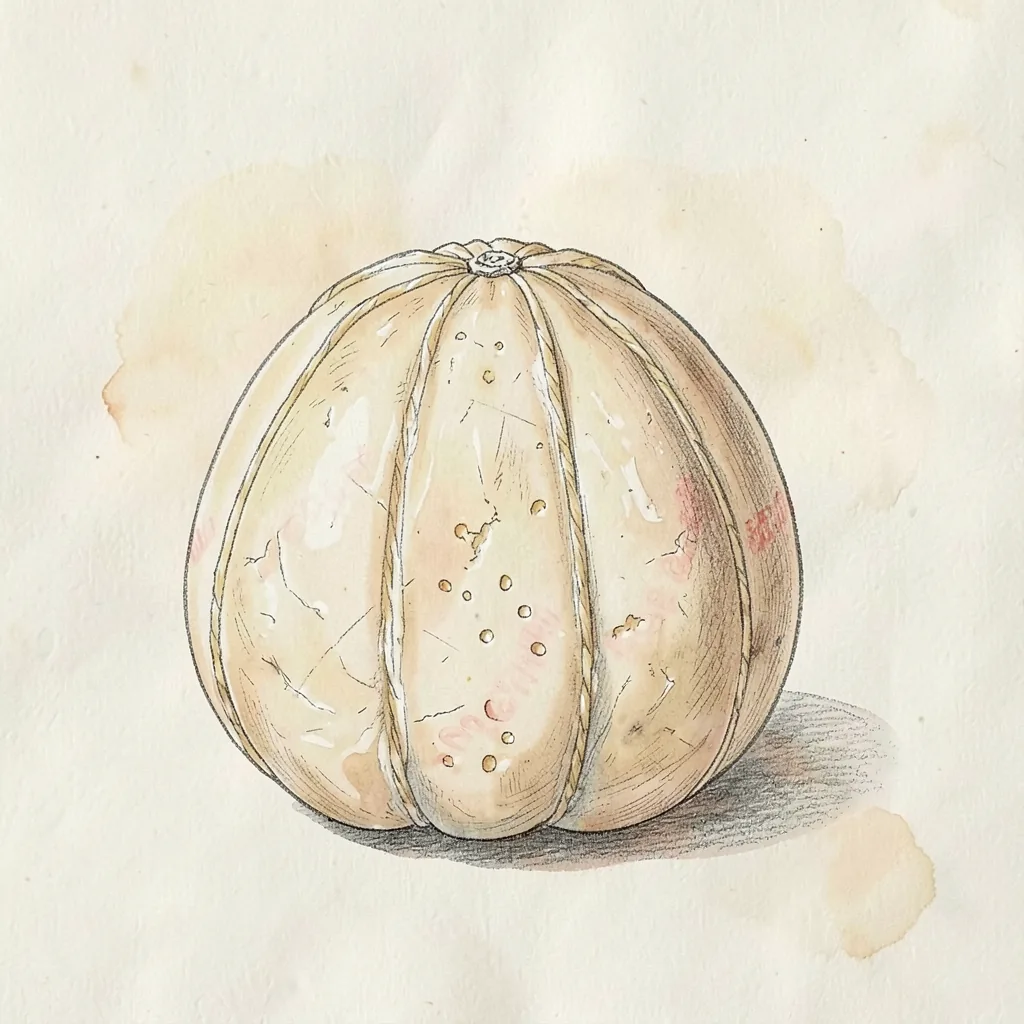
The word pallone means a large ball, and makers shape the cheese that way after they stretch the curd. It sits in the same broad family as caciocavallo and provolone, with a smooth paste and a firm natural rind. A young ball is pale and supple. An older one turns deeper gold, harder, and more savory on the tongue.
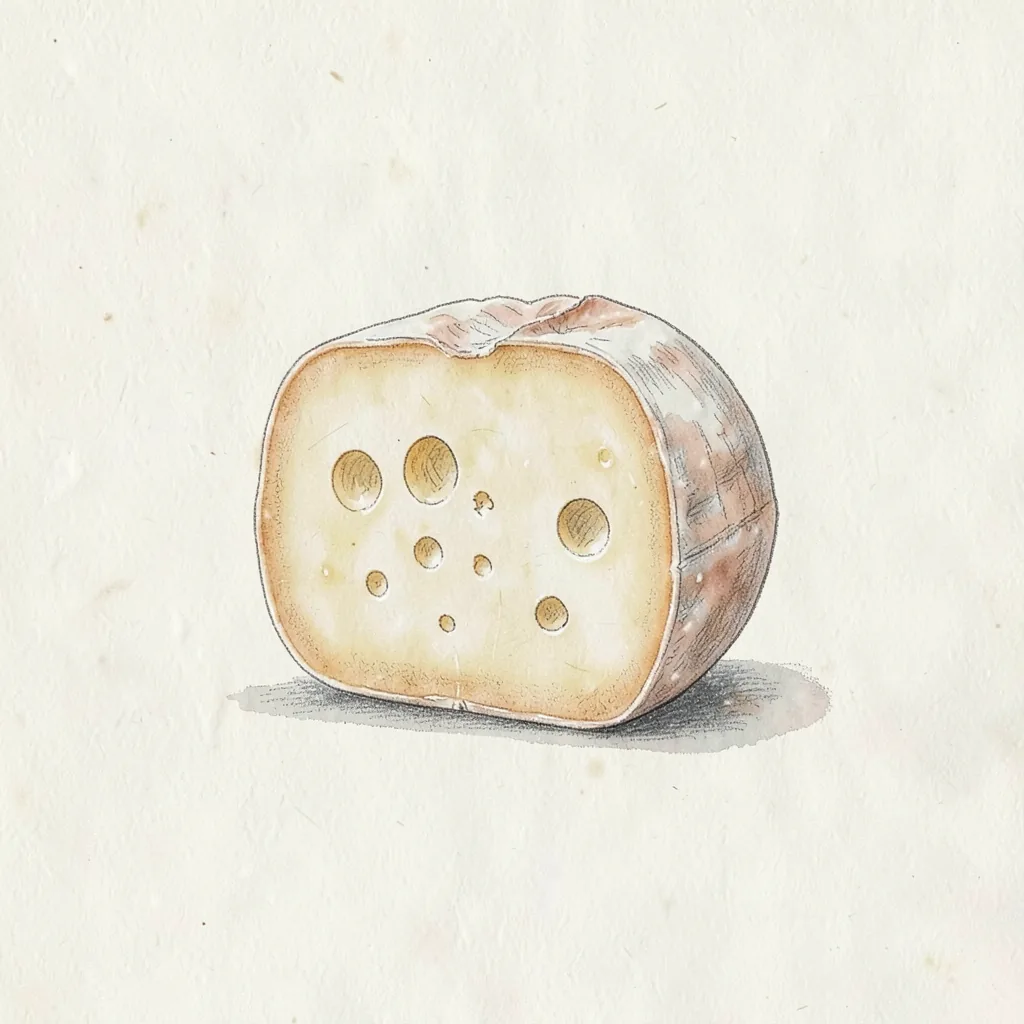
The rind starts smooth and straw colored, then browns as the cheese ages. Inside, the paste is compact, with few eyes or none at all. Hand shaping pulls the stretched curd into a tight sphere that feels dense for its size. Slice a younger ball for the table, grate a drier one, or melt pieces over cooked food. The label should name Gravina if you want this ball and not a generic provolone from somewhere else.
History
Stretched-curd cheeses have long been made in southern Italy, where makers heat the curd and pull it until it is smooth and shiny. Pallone di Gravina took its ball shape in Apulia and Basilicata. The round form was practical to hang, store, and carry, and it was easy to tell from a long caciocavallo. The name records Gravina, the place most closely tied to the recipe. Dairies across that pasture country still make the ball, and it is not the product of a single house.
For a long time it was a local table cheese, sliced while still supple or kept until the flavor grew sharp. Families hung the balls while the surfaces dried, then moved them to a cellar to age, and cow's milk from those southern pastures is still the base. Some people call it a kind of provolone, and local speech shortens the name to Palloun. Both names point to this ball rather than to a different recipe. A southern shop may set it beside other stretched cheeses from the same regions.
How it is made
Full-fat cow's milk is set with rennet, and the curd rests until it is sour enough to stretch. Makers cut it and work it in hot water, pulling and folding until the paste looks smooth and glossy. They shape it by hand into a ball, sometimes with a small neck where it was tied or held. The balls then sit in brine so salt can move inward. After the surface dries, they age in a cellar, and that rest decides whether the cheese stays supple or turns hard.
The stretch is the step that defines the cheese, and without it the paste would be more crumbly. With that pull, an aged piece may show fine lines when you break it open. The rind forms as the outside dries, and it stays smooth rather than wrinkled or sticky. A younger ball slices cleanly, while a well-aged ball grates. Pasture milk can give the interior a warmer yellow than milk from a poorer feed.
Taste
Young Pallone di Gravina tastes of milk, butter, and salt, with a mild tang and an elastic bite. The paste is moist enough to slice without shattering. As it ages, the flavor grows stronger, spicier, and more savory, and the body turns firmer and drier. An older piece can remind you of a mature provolone, with a piquant finish that stays on the tongue. The rind tastes earthier than the center, and most people trim it.
The usual ball is not sweet, and a bitter note is a fault rather than a goal. Salt should be clear but not harsh, and it supports the milky side instead of covering it. At room temperature both the gentle and the sharp notes show more clearly than they do when the cheese is cold. A very young piece can seem plain beside an aged one, which is spicier and drier. Choose the age to match the dish, because the two do not taste or cook the same way.
In the kitchen
Slice a younger ball for bread, a southern sandwich, or a plate with tomatoes and olives. Melt it over baked vegetables, eggs, or meat when you want stretch and salt. An older, drier ball grates over pasta and soups. Cubes can be browned in a pan, because the stretched paste holds its shape better than a crumbly cheese. Keep the heat moderate so the outside colors before the center turns tough and stringy.
Do not load strong spices onto a well-aged piece, because the piquant note is already there. A younger piece can take more company, such as grilled peppers or a plain tomato sauce. Let slices warm before they go on a board, and wrap the cut face, since the paste dries quickly in open air. If you have only a small piece of an aged ball, use it to finish beans or greens rather than as the bulk of the meal.
Around the world
Outside Apulia and Basilicata, Pallone di Gravina is a specialty, not a standard export on the scale of fresh mozzarella. Italian delis and careful cheese shops are the places to look, and the ball shape is the visual clue. A long hanging caciocavallo or a sausage-shaped provolone is a relative, not this cheese. If a label says only provolone, you do not have the Gravina ball. Travelers meet it more easily in southern Italy than in a general market abroad.
Caciocavallo is the closest substitute, another stretched cow's milk cheese from the south that slices or grates in a similar way. The shape is different, often a pouch rather than a ball, but the kitchen use is close. Provolone can fill in for melting and for sandwiches, and its flavor may be milder or sharper with age. Scamorza is smaller and often softer, so it melts well but does not replace a long-aged grating piece. None of those names on a label means the cheese is Pallone di Gravina.