Goat
What it is
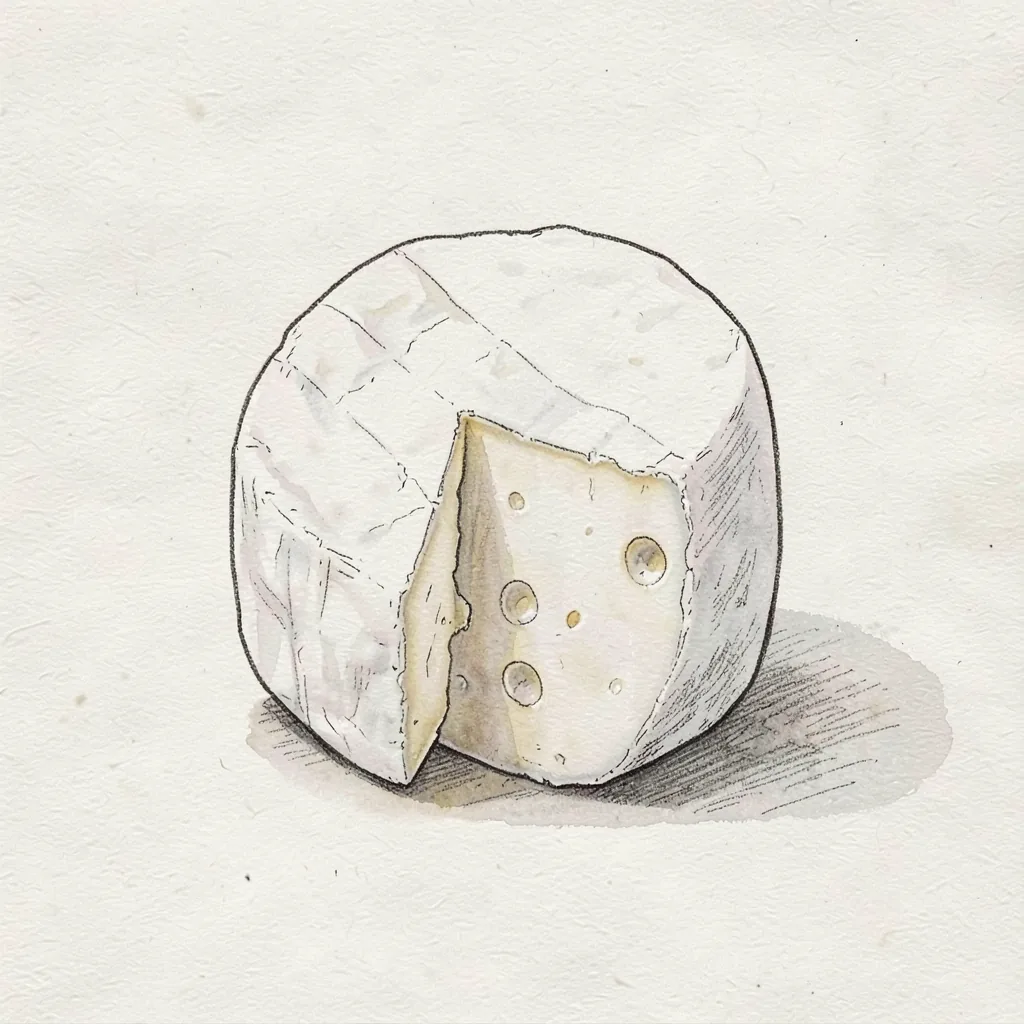
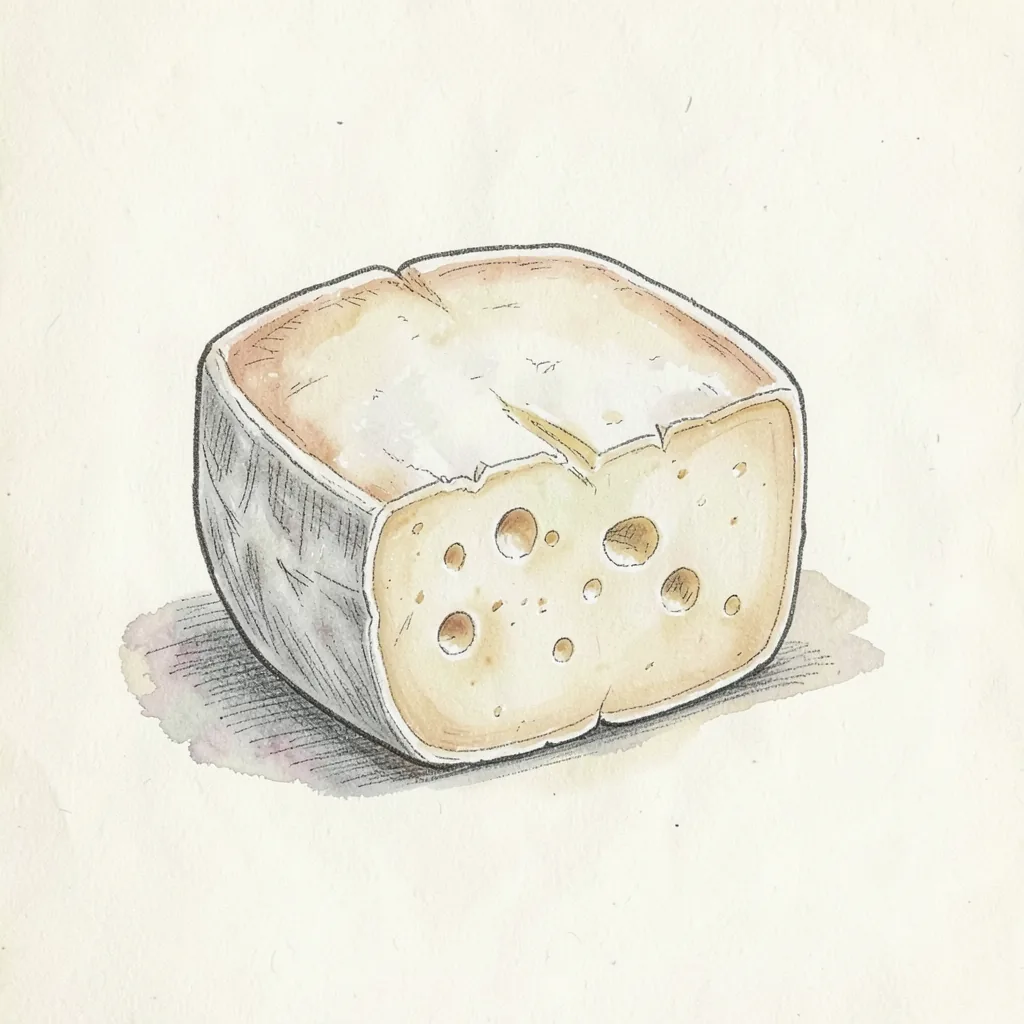
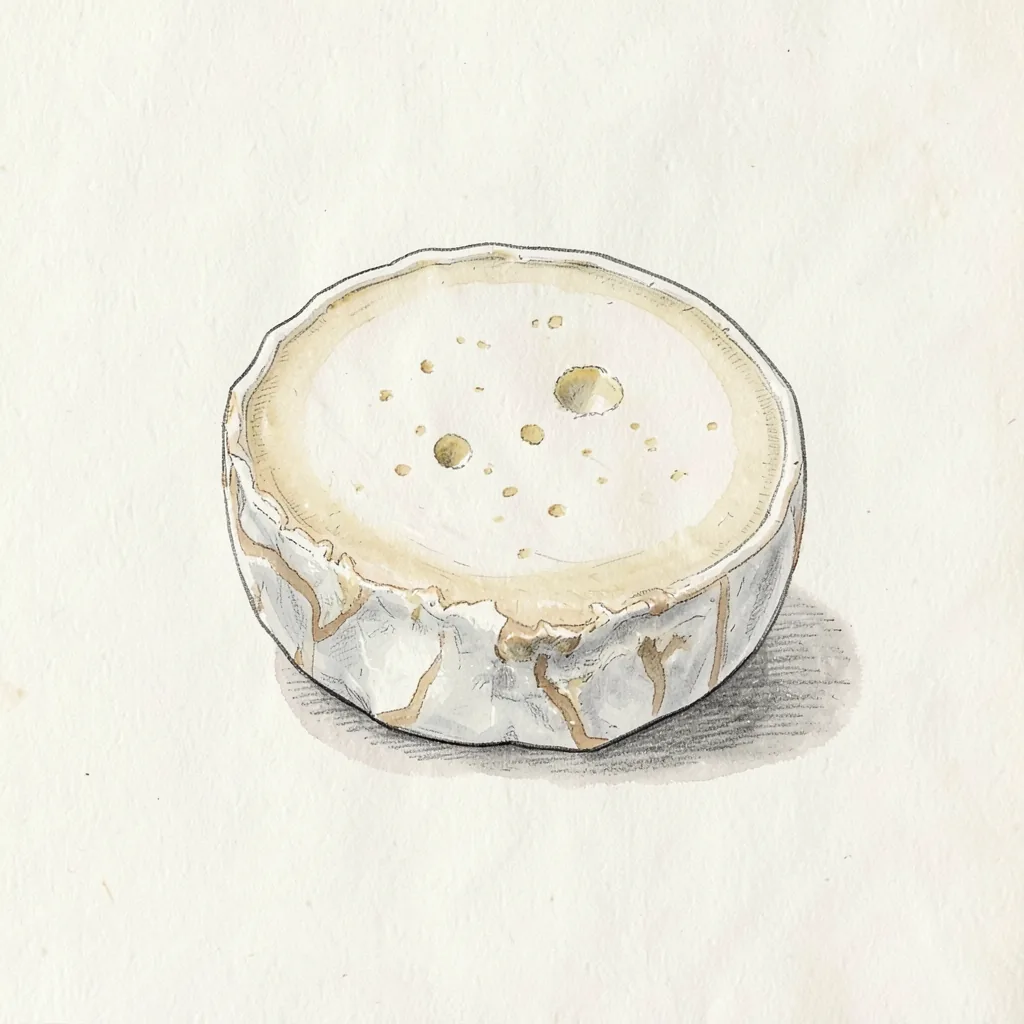
The milk is pasteurized goat's milk, and the cheese is white, creamy, and rindless. It is sold in small logs and in little rounds. The taste is gently salty, with a light lemon tang and a clean dairy finish. Shoppers also meet it under the spellings Pant-Ysgawn and Pant-Ys-Gawn.
The brand sits with fresh goat cheeses rather than with aged wheels that develop a rind. There is no bloomy coat and no washed rind on the plain log. Plain logs are the base style, and flavored versions add herbs, pepper, or a sweet note. It is made to be eaten fresh, spread, crumbled, or warmed on toast. You can find it in British shops, including supermarkets outside Wales.
History
Pantysgawn began as a Welsh goat cheese and grew into a retail brand sold across the United Kingdom. The name comes from a farm name, which is why the spelling looks unusual outside Wales. Early sales at local markets were strong enough for the makers to build a larger dairy business around the cheese. It remained the lead product of that range. The story is modern, and the cheese is a brand rather than an old territorial type.
Production uses pasteurized goat's milk, and published accounts say no rennet is used. The cheese is shaped into logs and rounds and kept in a soft, fresh style. It has appeared at formal Welsh food occasions, which helped the name travel inside Britain. Even so, it remains a brand you buy, not a name any Welsh farm may put on its own cheese. The label is the proof.
How it is made
The brand starts with pasteurized Welsh goat's milk. The milk is cultured and set into a soft curd, and the usual account says this is done without rennet. Whey drains until the curd is creamy, then salt is mixed through. The curd is formed into logs or small rounds. There is no pressing into a hard wheel and no ripening under a mould coat.
Some pieces stay plain, while others are rolled with herbs, pepper, or a sweet flavoring before they are packed. The outside stays rindless, so what you see is the white cheese or the coating that was added. The make aims at a fresh, even texture rather than a chalky center and a cream line under a rind. Because it is a brand, the dairy controls the recipe. A similar farm goat cheese is not Pantysgawn unless it carries the name.
Taste
The flavor is creamy and gentle, with a delicate salt and a faint lemon tang. Goat character is there, but it is soft rather than harsh or barny. Herbal notes show up more clearly on the flavored logs. The plain cheese tastes fresh and slightly tangy, and it finishes clean. A piece straight from the fridge tastes flatter, so a short rest at room temperature helps.
Texture does as much work as flavor. The paste is smooth and spreadable, not crumbly like a dry aged goat cheese and not runny like a ripe bloomy disk. Bitterness should be absent, and a harsh or yeasty taste means the piece is probably too old. The white color stays bright. Salt is part of the profile, yet the cheese is still mild enough for people who usually avoid strong goat cheese.
In the kitchen
Crumble Pantysgawn over a salad, slice it onto bread, or spread it on a cracker. It softens and browns under a grill, which is a common way to serve the log. Warm pieces can sit on toast with honey or with something sharp, such as beetroot or pepper. In a baked dish, add it late so it softens into the food without drying out. The plain cheese takes on herbs if you did not buy a flavored log.
It works in a sandwich, a tart filling, or a stuffing for vegetables. Because there is no rind, you use the whole piece. Do not expect it to grate, and do not treat it like a hard cheese for a long bake. Keep it covered and eat it while it is still fresh and creamy. A leftover log dries at the cut end, so trim that end if the surface looks tired and use the rest.
Around the world
Pantysgawn is a British brand, and its main audience is in the United Kingdom. Visitors find it in supermarkets and at Welsh food counters more often than in a foreign grocery. The Welsh origin and the goat's milk are the points worth remembering. Outside Britain it may appear in shops that import British cheese, usually as a small log. The alternate spellings can make a search harder than it needs to be.
A plain fresh chèvre is the closest substitute, and Chavroux is another mild goat brand in a similar soft style. Neither one is Welsh, and neither one is this brand. An aged goat log such as Bucheron has a rind and a firmer, sharper paste, so it is easy to confuse by shape and wrong in the kitchen. Use a fresh log when you want cream and lemon. Use the aged log when you want rind and a stronger goat note.