Cow
What it is
In Spanish it is queso Paraguay, and in Guaraní it is kesú Paraguái. Makers set whole milk with rennet, salt the curd, and drain it into simple molds. The cheese is soft, moist, and mildly acidic, and it is eaten while it is still young. It is a staple of home cooking rather than a long-aged wheel with a thick rind.
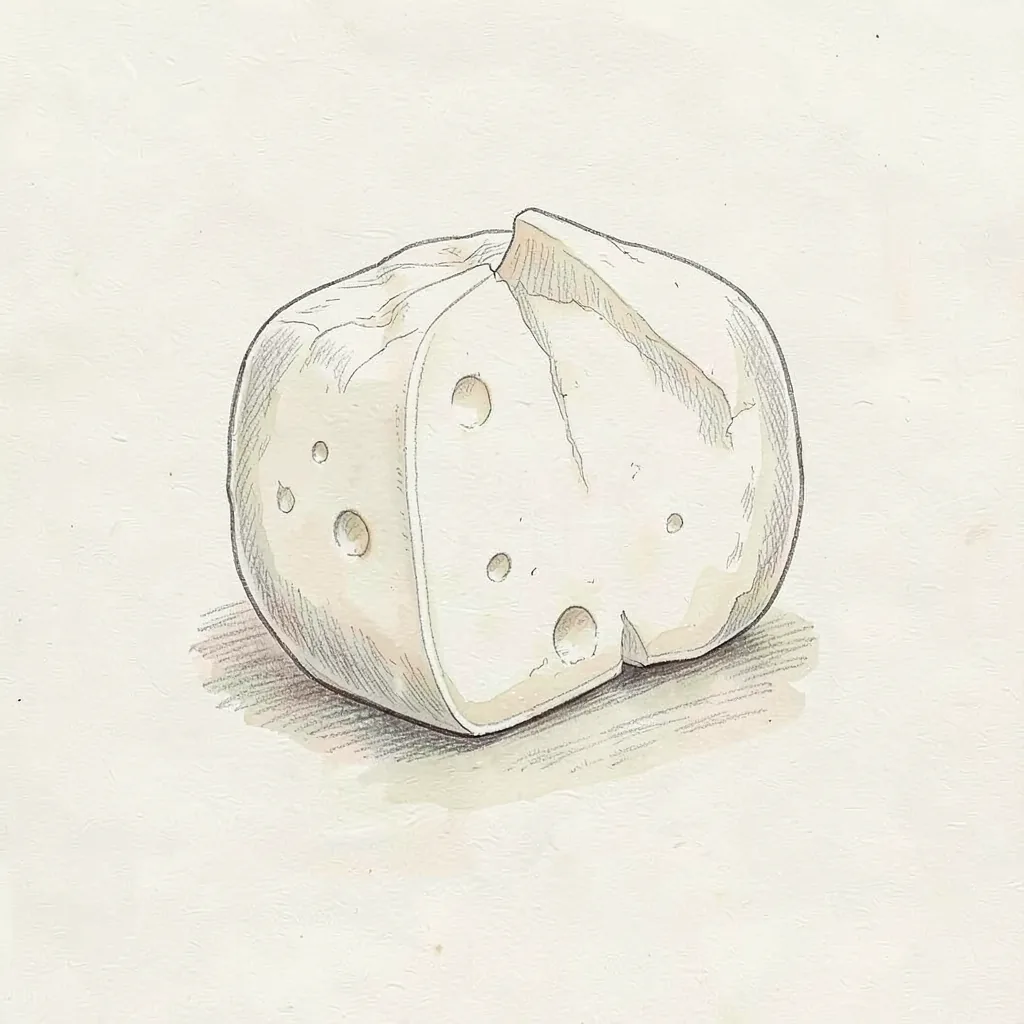
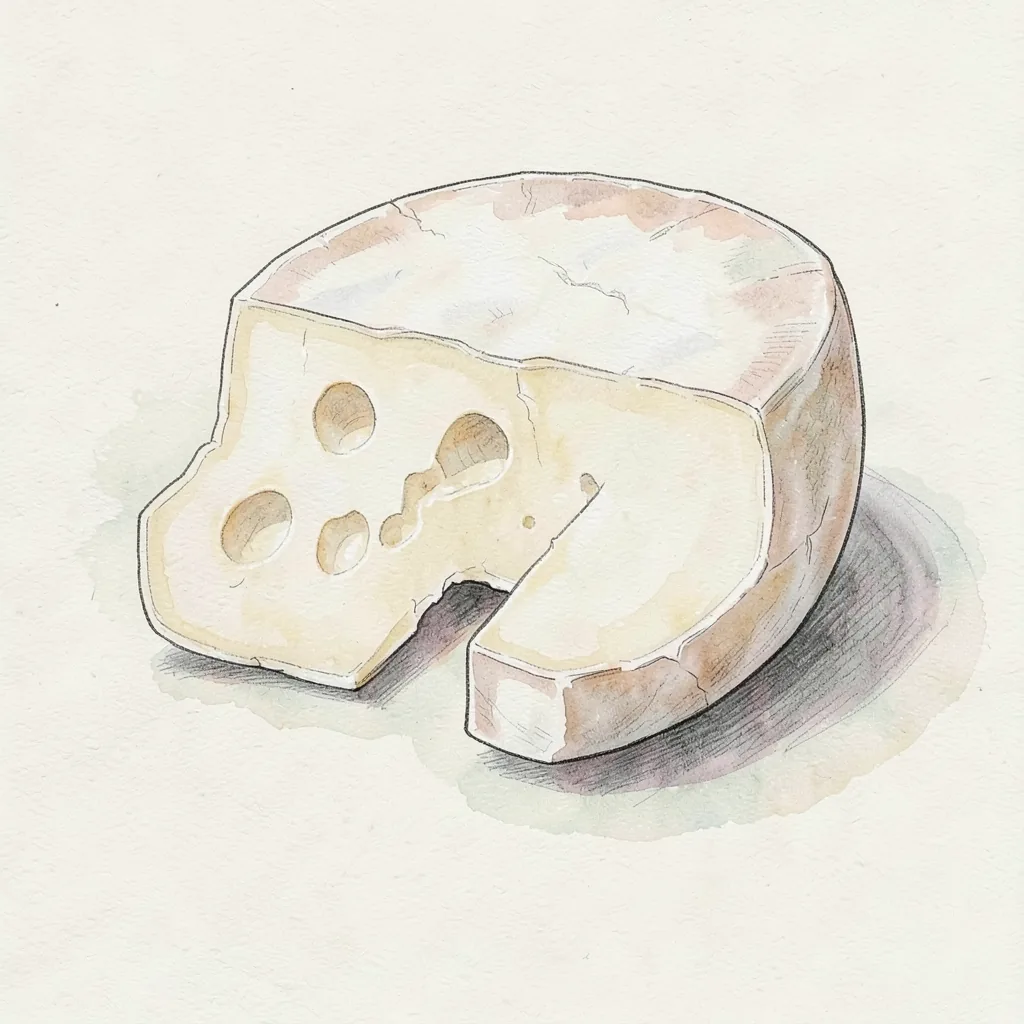
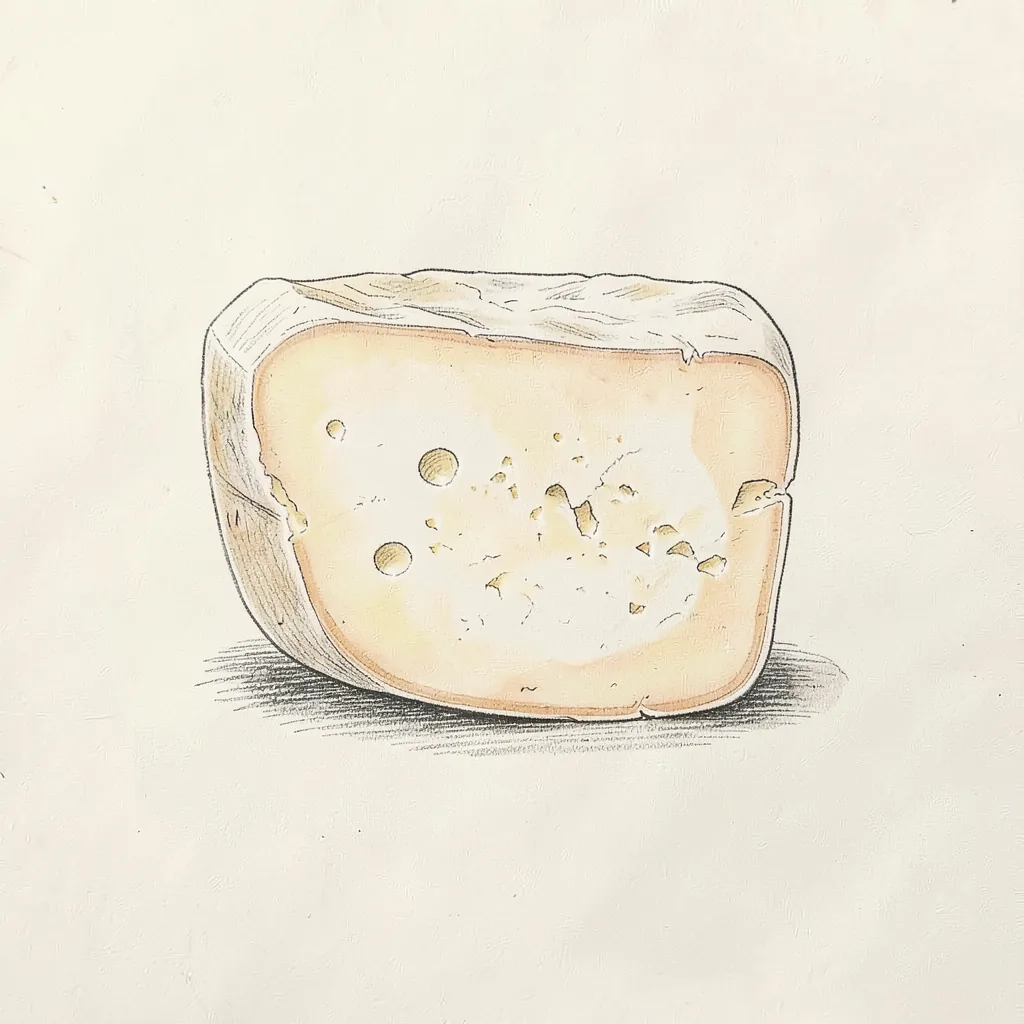
Blocks and rounds are both common, and the paste is white to pale cream. It slices or crumbles when it is fresh, then softens and melts in heat. The taste is gentle, a little tangy, and not very salty, so other ingredients do a lot of the seasoning. People eat it plain with cane syrup or a fruit paste, and they also cook it into breads and pies. Without this cheese, many everyday Paraguayan dishes would lose their familiar dairy note.
History
The cheese is tied to cattle keeping in Paraguay, where whole milk and rennet were enough to make a food that could be eaten soon after it set. It did not depend on a mountain cave or a long trade route. The Guaraní name is simply the local form of the words for Paraguay cheese. Home and small dairy production kept it in daily meals. Today it is still a basic ingredient, sold fresh for cooking and for the table.
Nothing in the method asks for a special breed story or a single famous dairy. The value of the cheese is how often it appears, in breads, soups, and snacks across the country. Recipes such as chipa, sopa paraguaya, and mbejú assume it will be there. A cook who only knows hard grating cheeses will miss how mild and meltable this one is. The name on export packs is often queso Paraguay, which is the same cheese.
How it is made
Whole cow's milk, not skimmed milk, is warmed and set with rennet. When the curd is firm, it is broken so whey can leave, and salt is mixed in during this stage in most batches. The curd is pressed by hand or in a cloth until it holds together, then packed into molds. Rectangular loaf shapes and rounds are both traditional. The cheese is not cooked a second time, and it is not washed for a rind.
There is no long aging and no blue mold step, so once the whey is gone and the block is firm enough to handle, it can be sold. Some pieces are a little drier if they were pressed harder, and those grate more cleanly. Wetter pieces feel closer to a fresh curd and melt faster. The milk is whole, so the cheese stays creamy rather than chalky. Keep it cold, because a fresh rennet cheese does not have a dry rind to protect it.
Taste
The flavor is mild, milky, and lightly sour. Salt is there, but it does not cover the dairy taste. A fresher piece is softer and tangier, while a drier piece tastes a little fuller and less wet on the tongue. There is no smoke, no pungent rind, and no sharp bite from long aging. People who expect a strong aged cheese may think it is plain, which is exactly how cooks use it.
With cane syrup or guava paste, the gentle sour note reads as a light contrast to the sweet. In a hot bread the cheese tastes richer because fat and starch wrap around it. It does not leave a bitter finish. If a piece is sharply acidic or smells fermented, it has gone too far for the fresh style. A good batch smells like clean milk with a hint of whey.
In the kitchen
Chipa, the small cheese bread, depends on this cheese together with cassava starch. Sopa paraguaya is a baked corn pie that also uses it, and mbejú is a starch cake where the cheese melts into the dough. Crumble or grate a firmer piece, and dice a softer one. It can go into soups and vegetable dishes near the end of cooking. For a simple plate, serve slices with syrup, honey, or guava paste.
Outside Paraguay, a mix of a fresh mild cheese and a better melting cheese is a common workaround. Use the fresh part for the milky taste and a small amount of a stringy melting cheese if the bread must stretch. Do not replace the whole amount with a very salty cheese, or the dough will be harsh. The real cheese already melts, but it does not pull into long strings. Store it covered in the fridge and use it while it still smells sweet and clean.
Around the world
In Paraguay the cheese is easy to find in markets and groceries. Abroad, Latin American shops are the best place, especially those that stock foods for Paraguayan and broader regional cooking. The package may say queso Paraguay or kesú Paraguái. If you cannot find it, do not grab a hard salty cheese just because it is called queso. Queso blanco, queso panela, and a fresh Minas or farmer's cheese are closer in the kitchen.
Queso blanco is the most direct substitute for crumbling and baking. Queso panela is a Mexican fresh cheese, mild and sliceable, and it can stand in when you need a soft cow's milk piece. Neither one is identical in fat or in tang, so taste the dough before you bake a large batch. Mozzarella adds stretch but little of the milky sour note, so use it only as a helper. A salty aged cheese will make the dish too harsh.