Cow
What it is
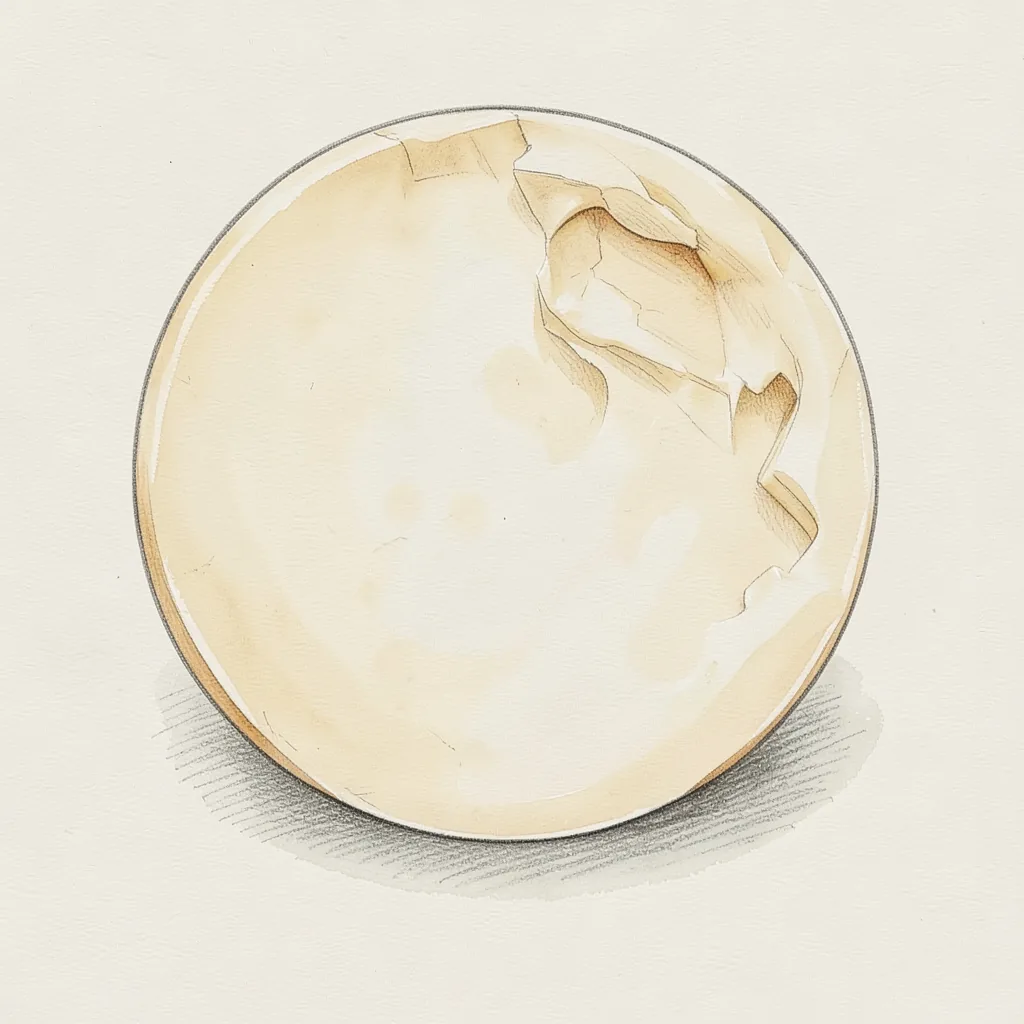
The best-known version is fresh, white, moist, and mild, with little or no rind. Firmer versions are lightly cured, deeper in color, and easier to slice. All of them are everyday cheeses rather than long-aged grating wheels, and cooks use the fresh kind with bread and fruit. More than one style shares the name.
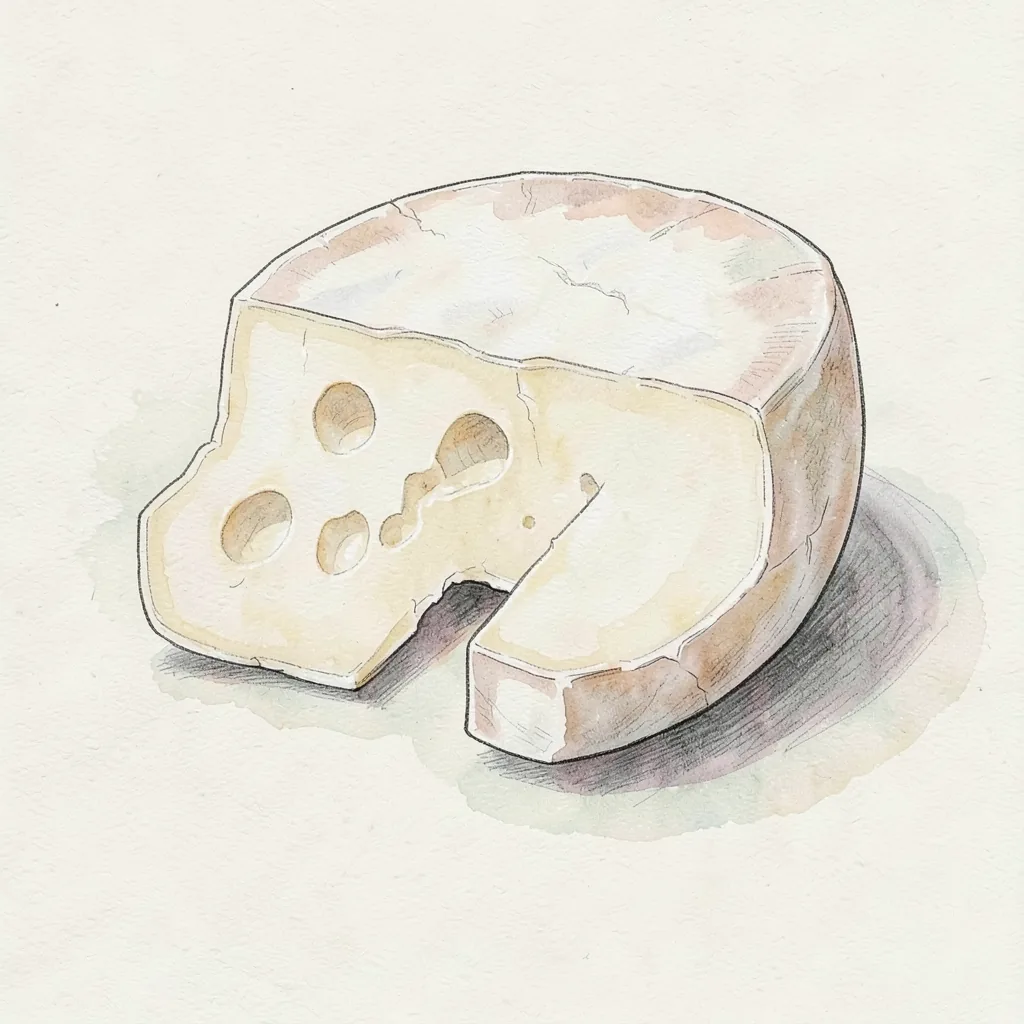
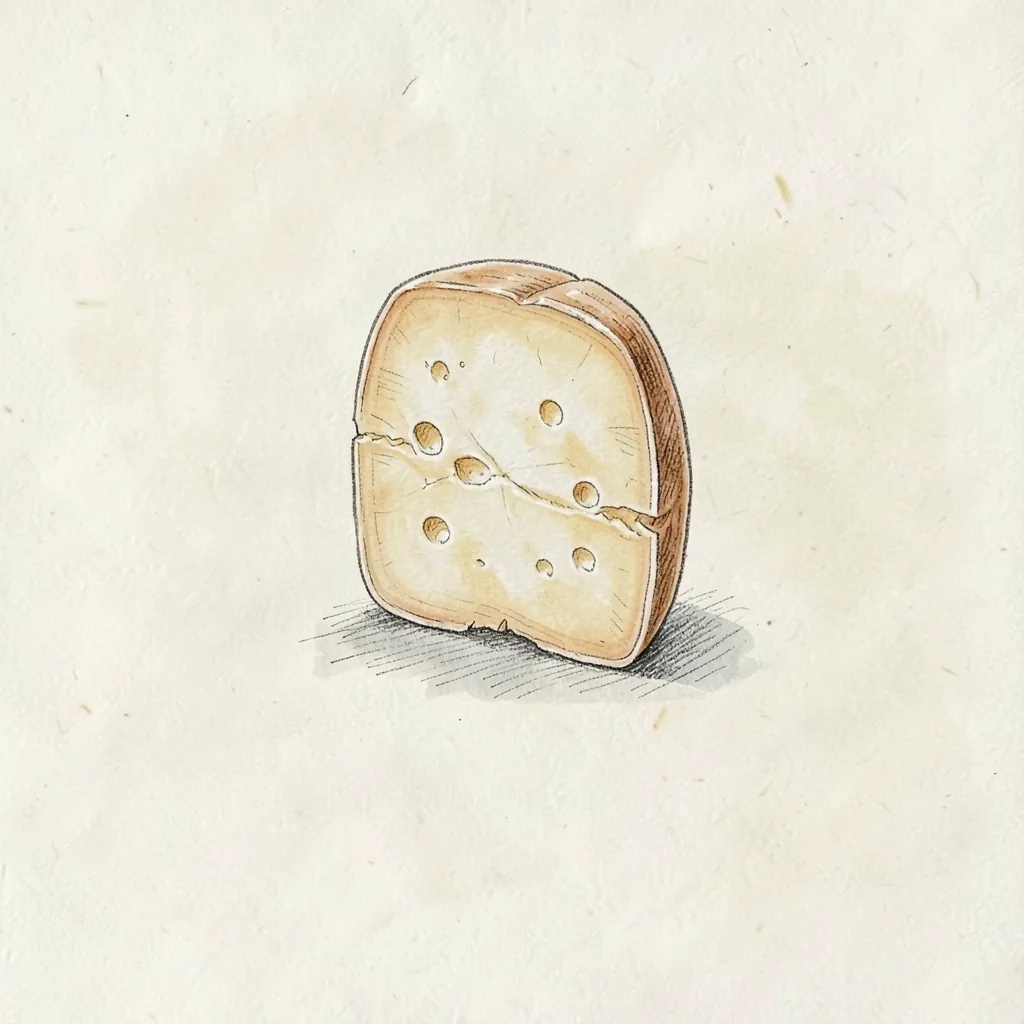
A fresh piece is soft enough for a table knife and moist enough to show a little whey. The taste is milky, lightly salty, and gently sour. A cured or standard version is drier, sometimes with a thin rind, and the flavor has had time to settle without becoming sharp. Small holes may show in the firmer paste. Neither style is blue, pungent, or heavily salted, and this is the usual Brazilian family for breakfast or a simple snack.
History
Farm dairies in Minas Gerais made this cheese so cow's milk could be eaten through the week, and the habit became a national grocery item. Fresh cheeses were eaten soon after making, while some wheels were dried until the paste firmed. That split, between fresh and cured, is still how people talk about Minas. Larger dairies later added a standard shop cheese for supermarkets. The name stayed broad and covers a range, not one rigid wheel.
Home cooking carried the cheese further than any single dairy. It shows up at breakfast with bread and coffee, and beside guava paste as a sweet and salty snack. Small producers still make farm versions with a more particular flavor, while large dairies make the mild fresh blocks most city shoppers meet. Those blocks are not a false version of the name. They are another point in the same family, and the label should tell you which one you have.
How it is made
Cow's milk is set with rennet and cultures, and the curd is cut and salted. For a fresh Minas, the curd is drained gently and molded without a hard press. The result is a white, moist cheese with a soft, slightly grainy paste and almost no rind. It is kept cold and eaten while it still tastes like fresh dairy, with modest salt and a light lactic tang. Many recipes mean this fresh path when they say the name and nothing more.
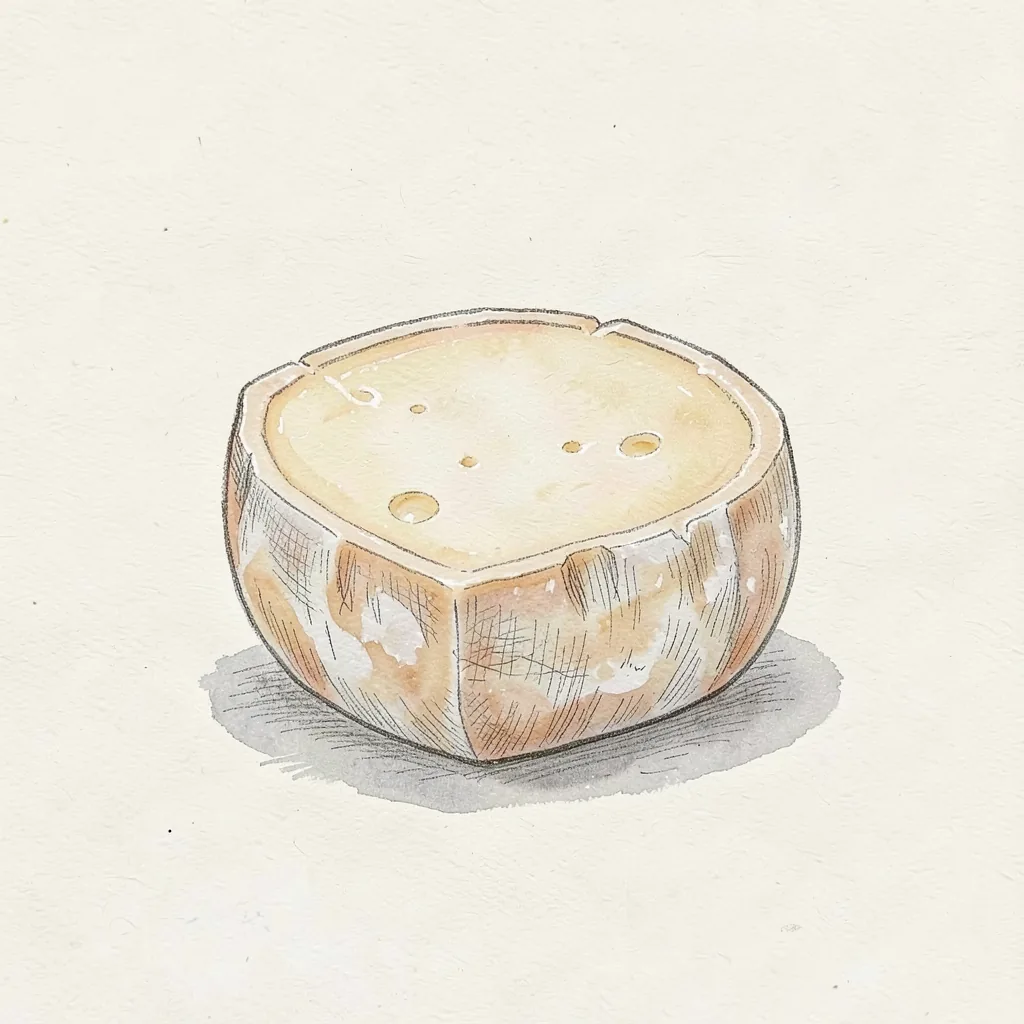
Firmer styles are pressed, salted, and held until the paste loses moisture and the color warms from white toward cream. A thin rind can form, and a few small holes may appear. The taste stays mild, but it is less milky and a bit more rounded than the fresh cheese. Some standard shop cheeses sit between the two, sliceable and not very salty. None of these paths uses a washed rind, a blue mold, or a hot-water stretch, and moisture, salt, and rest are what you taste.
Taste
Fresh Minas tastes clean, soft, and slightly sour, with more moisture than drama. A good piece is tender rather than rubbery, and it should not squeak the way some very fresh stretched curds do. Salt is present but not fierce, and there is little rind flavor when there is barely a rind. Guava paste makes the mild dairy taste seem a little sweeter by contrast. If the cheese smells yeasty or the surface feels slimy, it has sat too long.
Cured and standard versions taste a shade deeper, still mild, with a faint buttery note and a drier bite. A thin rind can add a small savory edge, though it is not a strong washed rind. Tiny holes do not make the cheese a nutty alpine style, and they are not a flaw by themselves. Bitterness is a warning that a piece went too far. At its best, Minas is pleasant daily food rather than a challenge for the table.
In the kitchen
Slice fresh Minas for bread at breakfast, or pair it with guava paste for the sweet and salty snack common across Brazil. Cubes go into salads with tomato and herbs, where the cheese stays soft and mild. It can be warmed in a sandwich, but it softens rather than pulling into long strings. Do not ask a fresh piece to brown on a roaring grill, because it is too moist for that job. Keep it cold until you serve it, and eat the fresh style while it still tastes clean.
Firmer Minas works better when the dish is hot. It can go into baked dishes, pastries, or a mild sauce, but it will not behave like a very elastic stretched curd. For cheese breads, cooks often want a Minas that is flavorful but not wet. Read the label, because fresh, half-cured, and standard pieces are not the same in every recipe. Use fresh cheese raw or barely warmed, and use firmer cheese when heat is part of the plan.
Around the world
Inside Brazil, Minas is an ordinary cheese in many households and on breakfast tables. The fresh style is a refrigerated staple, and the firmer styles sit nearby for cooking. Travelers meet it in home kitchens more often than on a formal cheese course. Outside the country, look in shops that carry Brazilian foods, and read the pack, because a generic white cheese may not be Minas. The moist style does not improve if you keep it too long.
Cooks abroad often use a fresh white cheese such as queso panela for the salad and bread role. That substitute is mild and sliceable, though the tang and moisture will not match exactly. For a firmer cooking cheese, queijo prato is a nearer neighbor, and it melts more readily. Catupiry and requeijao are creamy spreads, and they should not be confused with a cheese you slice. If a recipe says Minas, start with a plain cow's milk cheese that is fresh or only lightly cured.