Cow
What it is
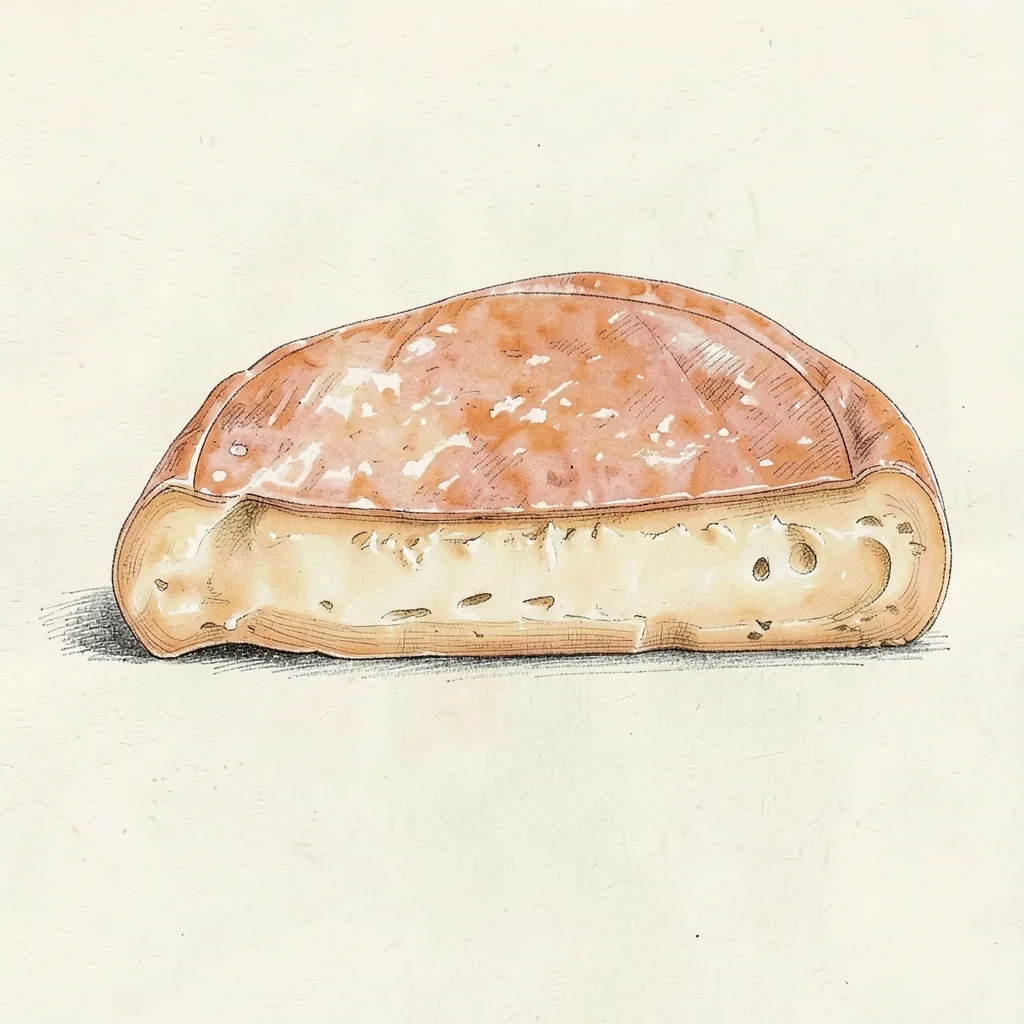
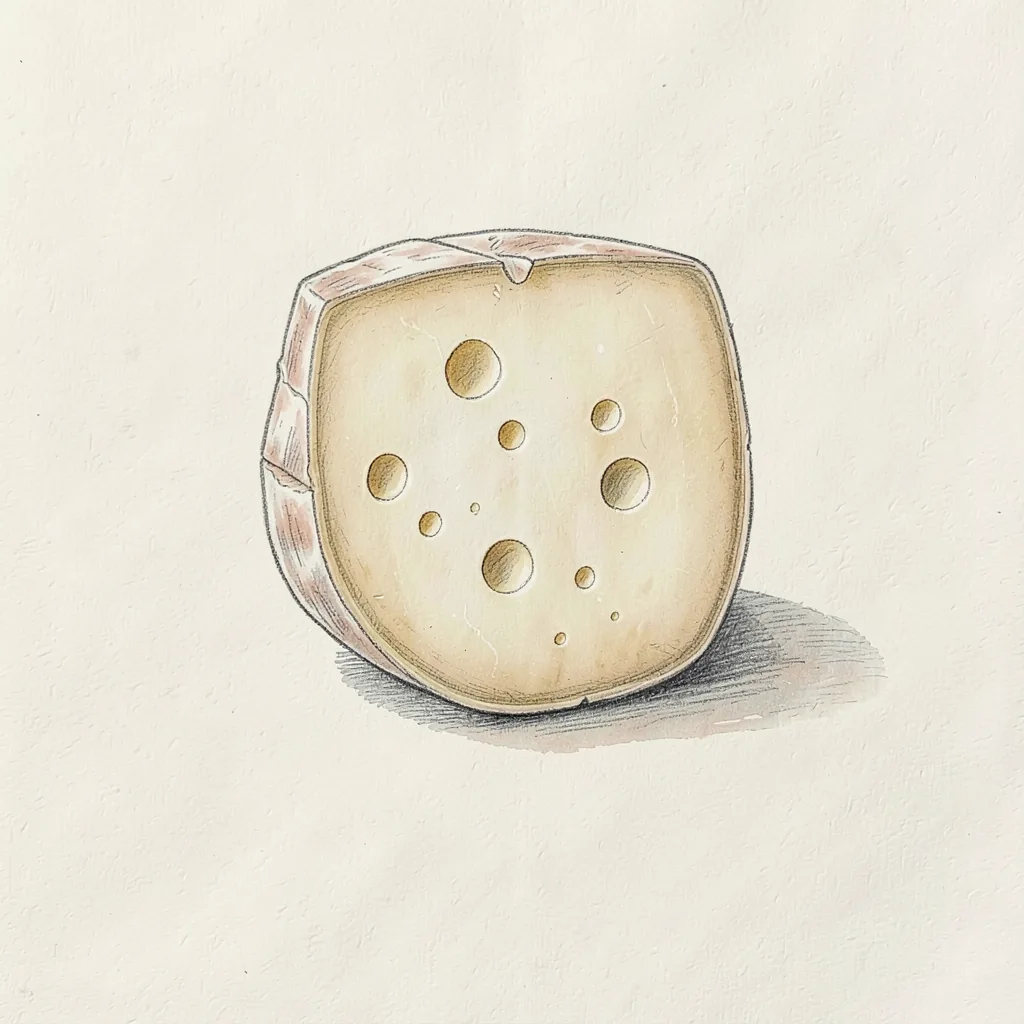
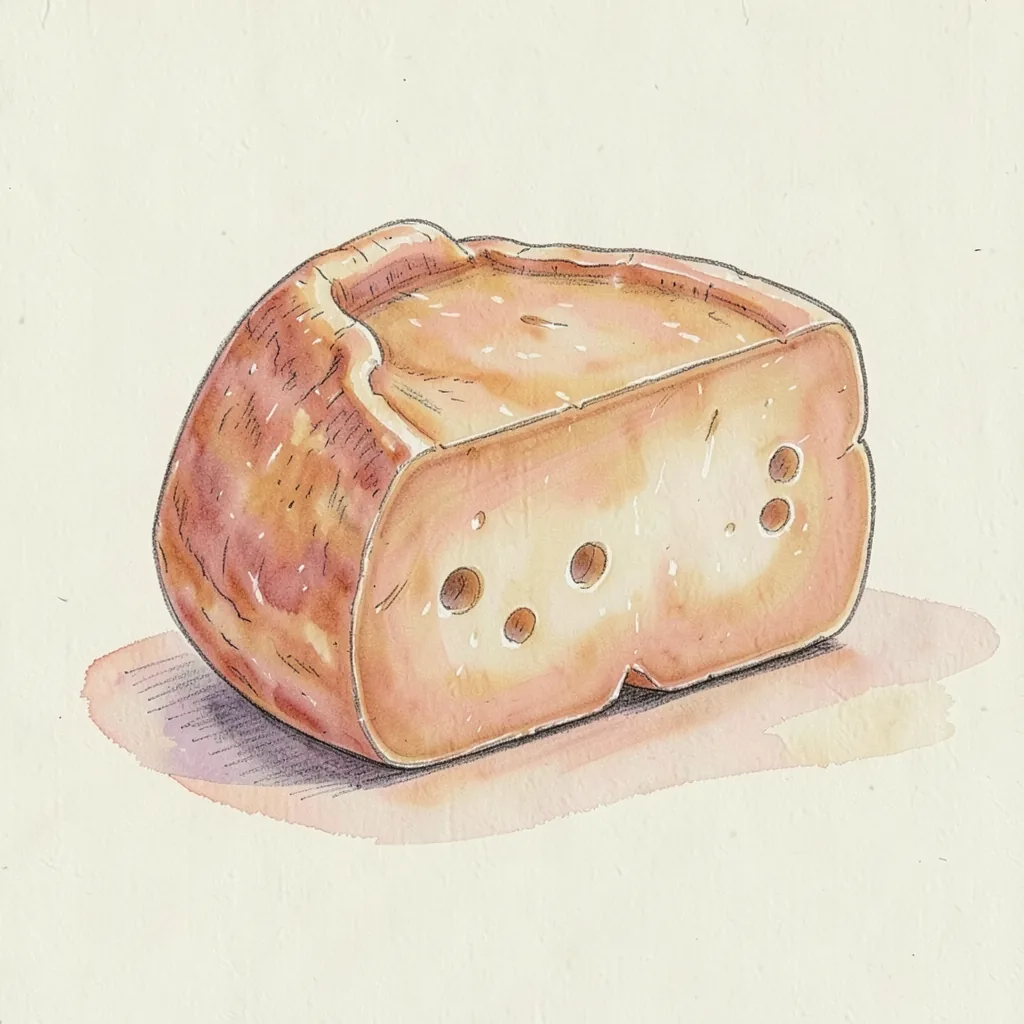
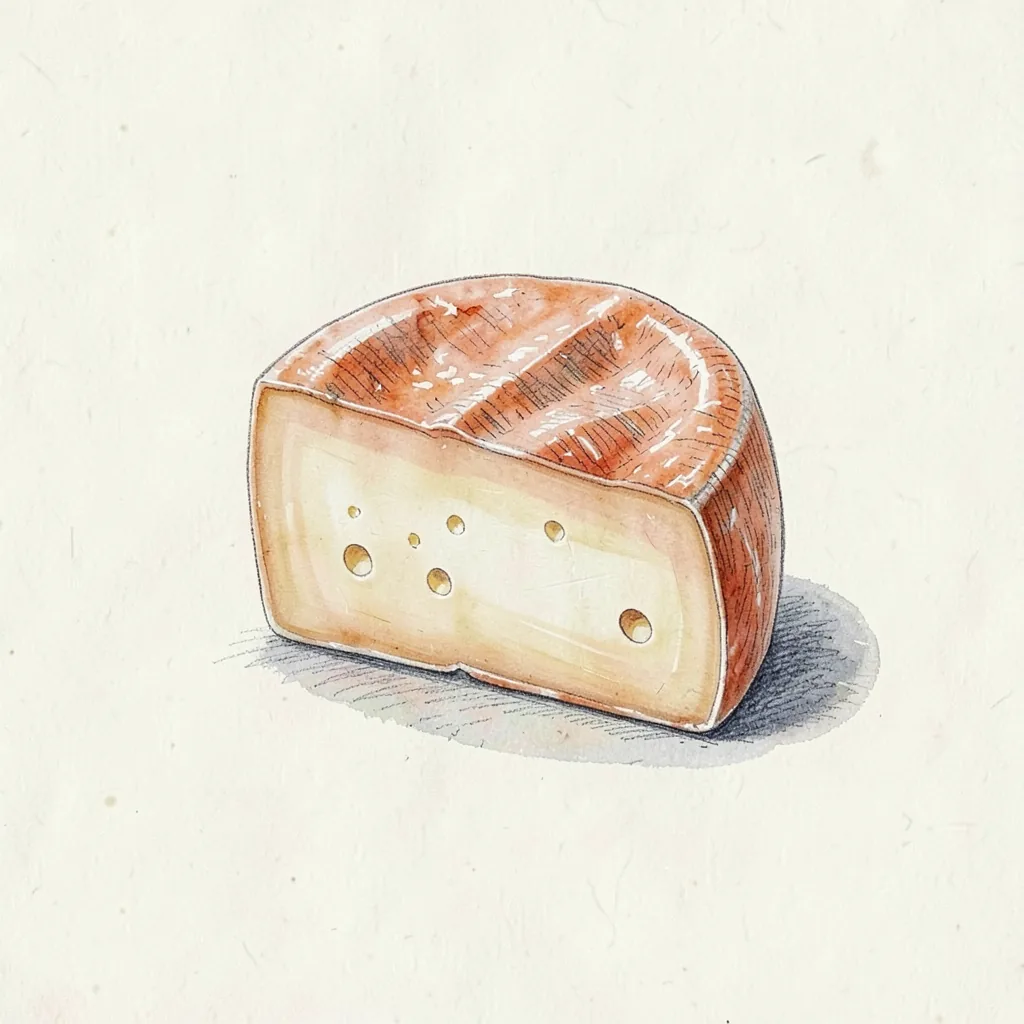
It takes its name from the Pikauba River. A fine orange rind covers a golden, supple paste dotted with small holes. The taste is buttery and lightly fruity, at a medium strength. Makers wash the rind and press the curd, so the wheel slices cleanly and also melts.
The cheese is a farmhouse wheel from that Quebec region, made in limited quantity. Wedges show the contrast between the aromatic rind and the milder paste. It is pleasant on a board and useful when you want a slice that softens over potatoes or vegetables. The fruit note is gentle, not perfumed. Nothing about it suggests a blue vein or a bloomy white coat.
History
Pikauba is a Quebec farmhouse cheese, and its public life is short beside the old wheels of Europe. The name comes from the Pikauba River in the Laurentian country of the Saguenay-Lac-Saint-Jean region. It is not an ancient import that merely changed labels. Making stays small and tied to a farm dairy in that region. The orange washed rind and the buttery paste are what regular buyers recognize.
The river name gives the cheese a sense of place without pretending it is a copy of a Swiss or French wheel. Washed-rind methods from European tradition are in the background, but the milk and the aging belong to Quebec. The cheese found an audience among people who wanted a Canadian wheel with fruit and butter in the flavor. It remains a limited make. That scarcity is why many Canadians still have not tasted it.
How it is made
Cow's milk is set with rennet, salt, and cultures, and the curd is pressed into a wheel. During aging the rind is washed, which helps the orange surface develop. The paste stays supple and opens into small holes rather than wide eyes. The rest continues until the buttery, fruity character is clear. The milk comes from cows kept for cheesemaking in the Saguenay-Lac-Saint-Jean region.
The finished wheel has a thin orange rind, sometimes with a light white bloom on the surface. Inside, the color is golden and the texture yields to a knife. This is a pressed semi-soft to semi-firm paste, not a runny washed cheese and not a hard alpine block. Wheels are larger than a single-serving round, so shops often cut wedges. Careful aging keeps the rind aromatic while the center stays buttery.
Taste
The flavor centers on butter, a light nuttiness, and mild fruit. Salt is moderate, and the cheese is less pungent than a very old washed rind. The paste is smooth between the small openings and feels moist rather than chalky. The rind carries more aroma than the center, with a savory, slightly earthy edge. At cool room temperature the fruit shows more clearly than it does straight from the cold.
A first bite is gentle, then the butter and the rind aroma linger. There is no sharp blue sting and no ammonia if the cheese is in good condition. The finish is savory and clean. Someone who likes only very mild block cheese may find the rind a step stronger, while a fan of pungent washed cheeses may find Pikauba restrained. That middle ground is the character of the wheel.
In the kitchen
Cut wedges for a cheese board, or melt slices for raclette and other hot plates. The supple paste softens evenly and does not split into a greasy puddle as fast as a very rich soft cheese. It can top bread, boiled potatoes, or roasted vegetables. Grating works when the piece is firm, but slices are the better everyday cut. An aromatic white or a light red wine matches the fruit.
Use Pikauba where a recipe needs a washed-rind cheese that melts but still has shape at the start. It will not behave like a stretchy pasta-filata cheese. In a bake, lay slices on top near the end so they soften and brown lightly. On a board, leave the rind on if you enjoy the aroma, or trim it if you want only the butter. A thick slab holds together until heat is applied.
Around the world
Pikauba is known mainly in Quebec and among people who follow Canadian farm cheese. It does not travel as widely as the famous Alpine wheels. Buyers in Canada may find wedges at cheese counters, cut from larger wheels. The orange rind is the quick visual cue. A Swiss-style cheese with large eyes is a different family, even if both are cow's milk and both are semi-firm.
Abroad, the practical substitute is another washed-rind cow's milk cheese with a buttery melt. Reblochon and raclette are the usual kitchen matches, though neither is Canadian. Quebec washed-rind cheeses are closer in place, and they can be confused with Pikauba if the label is ignored. Read the name and the region. Pikauba should taste of butter and light fruit, not of a harsh smear or a sweet nut alone.