Water buffalo
What it is
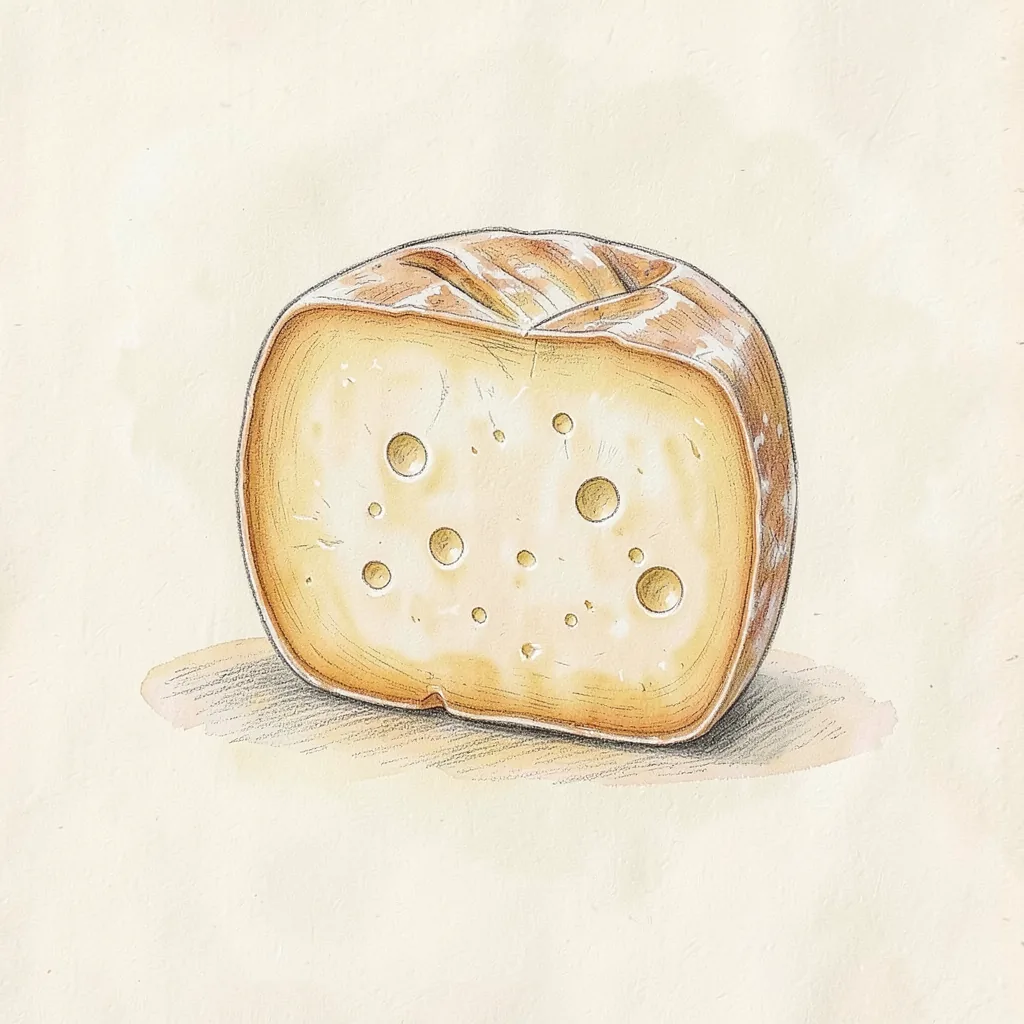
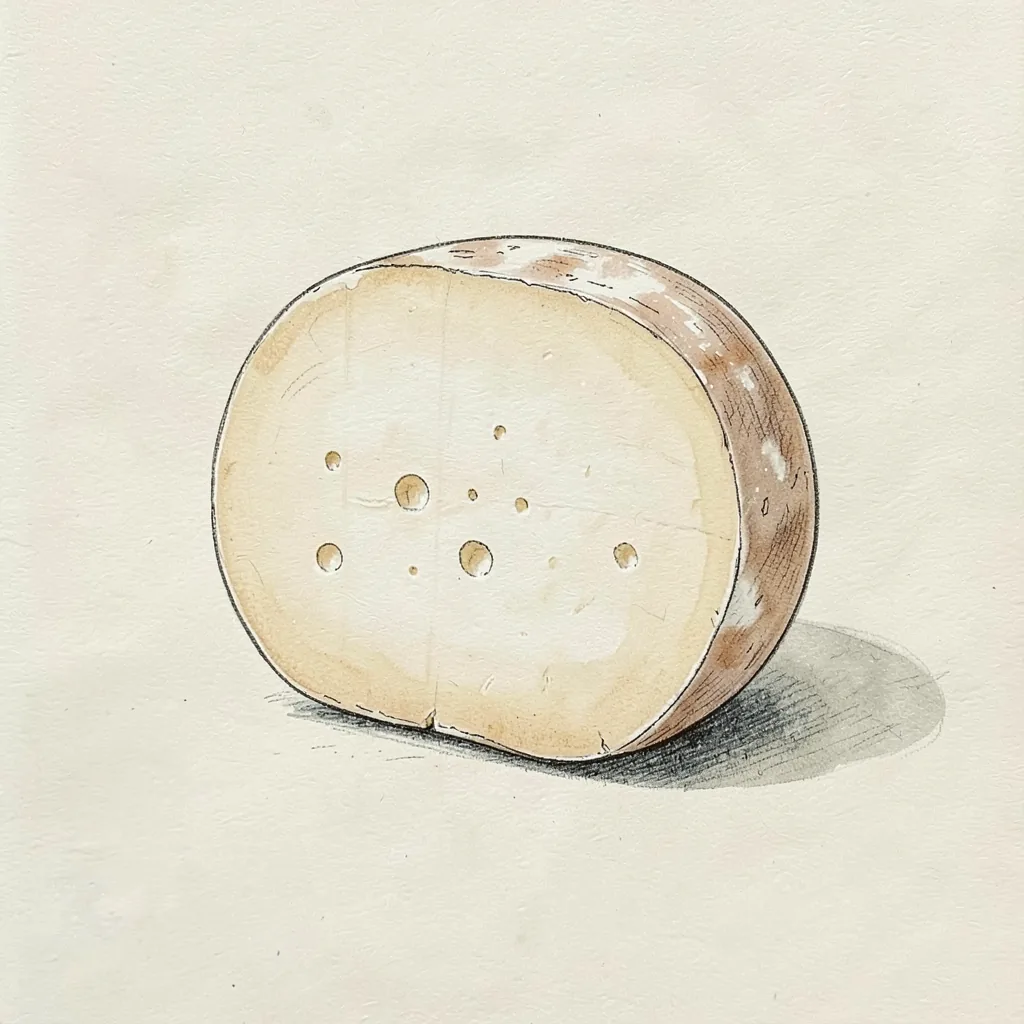
The piece is small, round or egg shaped, and shops sell it while the paste is still moist. It belongs with mozzarella and provola, but it is its own cheese, not a new name for either one. The paste is white, soft, and mild, with a thin skin rather than a dry rind. Roman cooks use it fresh, melted on bread, or fried until the outside colors.
The name comes from the prova, a small piece pulled from the curd to test whether the paste will stretch. That test piece gave its name to a cheese about the size of an egg, and old recipes even speak of an egg of provatura. The flavor is milky, lightly tangy, and a bit more rustic than a very mild mozzarella. A fresh piece smells clean and sweet. If it smells sour or the surface is slimy, it is past its best.
History
Provatura has a long place in the food of Lazio and in Roman kitchens. Early writers treated it as a stretched-curd cheese of the center and south, and they did not always separate it from mozzarella. Later cooks wrote about large and small pieces as their own subject. The egg shape, and the habit of tying some pieces, made it easy to spot in a market. The name stayed attached to that small fresh cheese rather than to a large aged wheel.
For a time the cheese was common in Rome and then became harder to find, while mozzarella took the larger share of the market. Interest in older Roman foods brought provatura back to some dairies and menus. It is still a fresh cheese, made to be eaten soon, not a wheel built for a long cellar rest. Recipes in old books use it as a starter on bread and in hot dishes. Today you are more likely to meet it in Lazio than in a general supermarket abroad.
How it is made
Makers set the milk with rennet and let a curd form. They cut that curd, let it acidify, and then work it in hot water until it stretches. The prova is the sample they pull to see if the paste is ready. When it stretches cleanly, they form small round or ovoid pieces. The pieces go into cool water so they hold their shape and stay moist.
Some pieces are tied, which is an old way to handle the soft cheese. Smoking is not required, though a smoked piece turns up in some accounts of the same family of cheeses. Salt is in the paste or the cooling liquid, at a level that keeps the taste mild. There is no bloomy rind and no blue mold. The cheese is finished when it is fresh, springy, and still full of moisture.
Taste
Provatura tastes fresh, milky, and lightly sour, with a sweet dairy finish. The paste is soft and a little elastic, and it should feel moist, not chalky or dry. Salt is moderate and does not cover the milk. A cold piece is quiet, and a piece at room temperature shows more milk and a cleaner tang. The smell should stay fresh, like warm milk, without a fermented edge.
Compared with a very fresh mozzarella, provatura can taste a shade fuller and more rustic, though both are mild. Provola is often firmer and may be smoked, while provatura is eaten at the fresh stage. There is no sharp rind flavor and no bitter note when the cheese is sound. Fried, the outside browns and the center turns soft and rich. On bread, it melts into a creamy layer that still tastes of fresh curd.
In the kitchen
Eat provatura soon after you buy it, while the center is still moist. Slice it onto tomato and leaves, or lay it on toasted bread with olive oil and a little pepper. In Rome it is famous fried, often in a light coat, until the outside is golden and the inside slumps. It also melts into a warm dish without forming the long strings of a drier stretched cheese. Keep the heat moderate so the fat does not separate.
Store it in its liquid if it comes that way, and keep it cold. A drained piece dries at the cut face and loses the soft bite that makes it useful. It is a poor grater cheese, so do not try to shred it like a hard wheel. On a board, pair it with firmer cheeses and eat it with a knife the same day. Leftovers can go into an omelette or onto vegetables at the end of cooking.
Around the world
Outside Lazio, provatura is easy to miss because menus and shops often list mozzarella instead. Travelers in Rome may see it fried as a starter, or melted on bread. In other countries it appears mainly at Italian dairies and specialist counters, and supply is uneven. A piece should be small, white, and soft, with no thick rind. If the label only says mozzarella, you are looking at the better known cheese, not at provatura.
When provatura is absent, fresh mozzarella is the practical stand-in for salads and melting. Provola works if you want a stretched-curd piece with a little more body, and scamorza is firmer still, especially when it is smoked. Burrata is richer and has a creamy center, so it will not fry in the same way. None of those names should be treated as a synonym on a Roman menu. Ask for provatura if the dish depends on the small fresh piece.