Cow
What it is
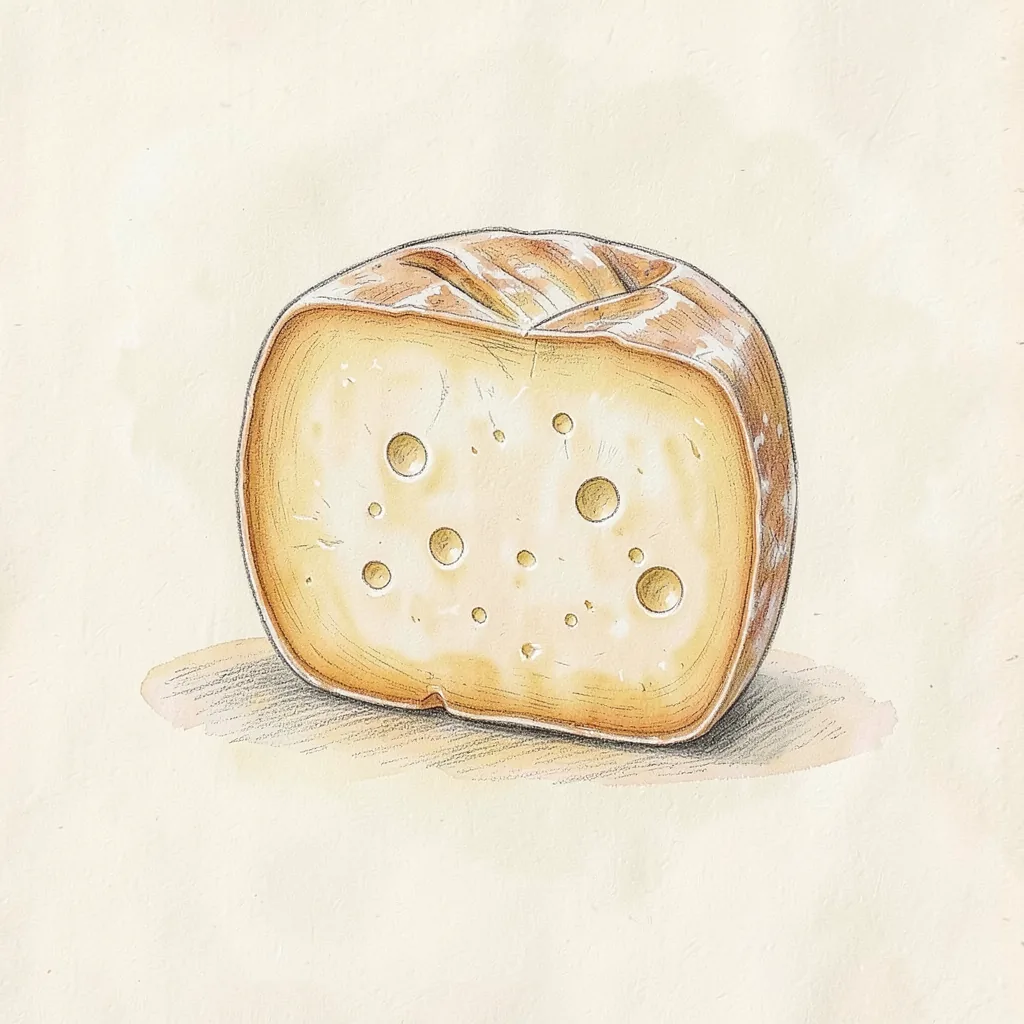
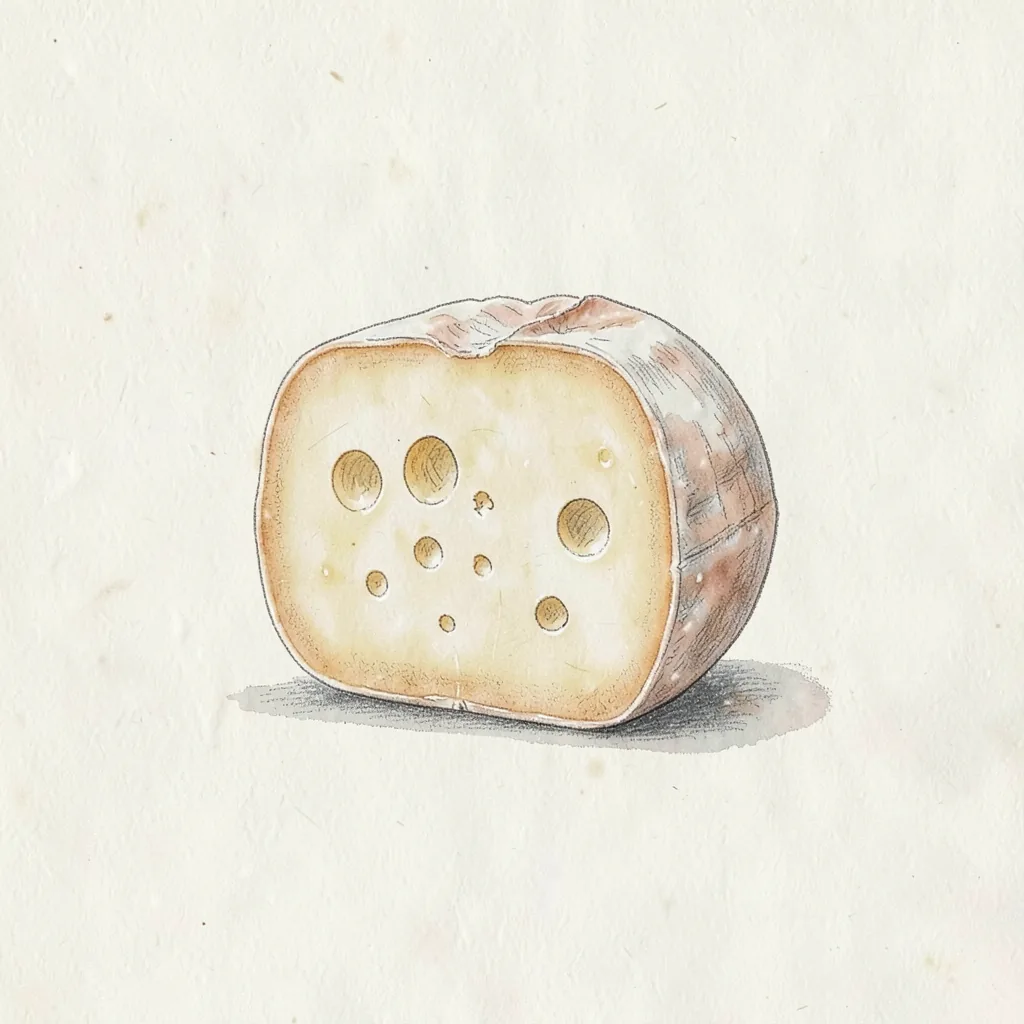
It is made from cow's milk and formed into a pear shape or a small oval with a narrow top. The paste is pale, elastic, and mild, with a light tang. Many pieces are smoked, and those taste deeper and look golden at the surface. Unsmoked scamorza stays white and tastes cleaner.
The cheese is hung so the body loses some moisture and holds its shape. That drying step is why a slice feels denser than a ball of fresh mozzarella packed in liquid. Scamorza can be eaten as it is, but it is especially valued for grilling and baking. Heat browns the outside while the inside softens. Shops in Italy sell it both plain and smoked, usually by the piece.
History
Scamorza belongs to the family of Italian pasta filata cheeses, the same broad group as mozzarella and caciocavallo. The pear shape, with a small head where the cheese was tied for hanging, became its visual mark. The name is often linked to that tied top. Over time both plain and smoked versions spread through Italian markets. The cheese remained a practical kitchen cheese, firm enough to store a little longer than fresh mozzarella.
Smoked scamorza became especially common where cooks wanted a cheese that could stand over a fire or in a hot pan. The unsmoked cheese stayed the milder everyday choice. Neither version turned into a long-aged grating cheese. Provola and caciocavallo sit nearby in Italian food culture, and the names sometimes overlap in casual speech. Scamorza kept its identity as the smaller, drier, often pear-shaped piece used for the table and the grill.
How it is made
Makers culture cow's milk and set it with rennet, then cut and stir the curd. The curd is left until it is ready to stretch, and it is worked in hot water until it becomes a smooth, elastic mass. From that mass, makers form small pear-shaped pieces and tie the tops. The cheeses are cooled in cold water and salted in brine. They are then hung so the surface dries and the body firms.
Smoking is a separate step for the affumicata style. Hung cheeses are exposed to cool smoke until the outside turns gold and the aroma moves inward. The interior stays a stretched paste rather than a cooked hard cheese. Some makers age the pieces a little longer so they become drier and more savory. There is no bloomy rind and no blue mold in the usual method.
Taste
Unsmoked scamorza tastes mild, milky, and slightly tangy, with a clean salt level and a firm, elastic bite. It is drier than fresh mozzarella and a little more savory on the tongue. The smell is fresh and faint, like warm milk. Smoked scamorza adds a woodsy aroma and a golden surface flavor while the center stays milky. Neither style is sharp, bitter, or crumbly.
When heated, the outside browns and the inside turns soft and stretchy, with a sweeter toasted note. Smoke becomes clearer in a hot piece than in a cold one. A very dry older piece tastes saltier and chewier. A fresh piece is gentler and more milky. The best flavor is a balance of light acid, salt, and, in the smoked cheese, a clean wood note without bitterness.
In the kitchen
Scamorza is a grill cheese. Cooks slice it or set a whole small piece over moderate heat until the outside colors and the center softens. It also melts on pizza, in baked pasta, and over vegetables. Because it is drier than fresh mozzarella, it holds its shape longer in the pan. Serve the unsmoked cheese with tomatoes, olive oil, and bread when you want it cold.
Smoked scamorza suits mushrooms, bitter greens, eggs, and polenta, where the wood note has something sturdy to meet. It can go inside a folded flatbread or on a burger in place of a milder melting cheese. Do not grate it like a hard aged cheese, because it softens and clumps. If a piece is very firm, slice it thin so it heats through. Leftovers melt well the next time you cook.
Around the world
Scamorza is a regular cheese in Italy and a steady import wherever Italian groceries operate. Restaurants serve it grilled as a starter or melted over baked dishes. Outside Italy, shoppers may pass it over because the shape looks like a small mozzarella. The drier feel and the optional smoke are the clues. Smoked pieces are often the ones that travel farthest, because the flavor is easy to recognize on a menu.
Cooks in other countries use it much as Italians do, grilled or melted, and they sometimes replace it with provola or a firm mozzarella. A fresh mozzarella in liquid will not grill the same way, because it releases more moisture. Provolone is usually larger and often sharper, so it is a relative rather than the same cheese. Argentine provoleta is a different grilled cheese with its own tradition. Scamorza remains the Italian pear-shaped piece, plain or smoked.