Cow
What it is
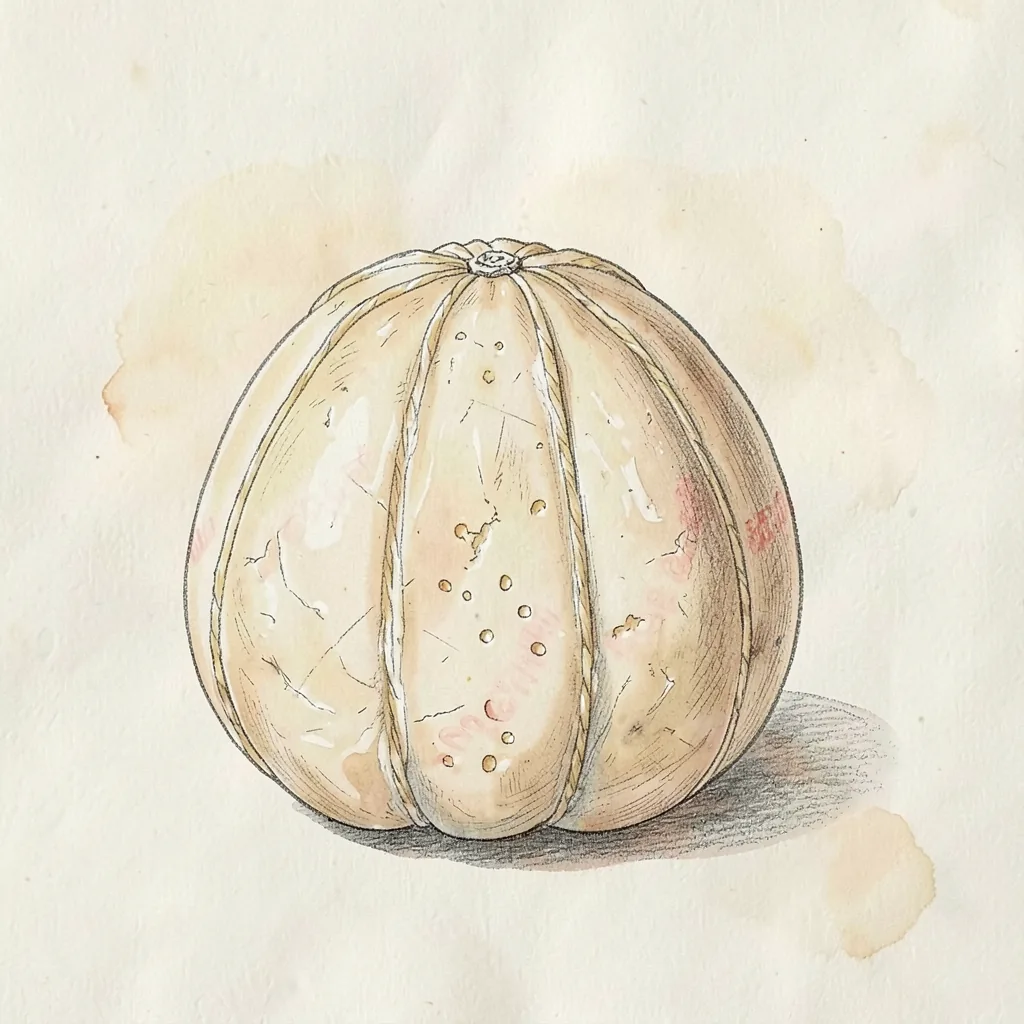
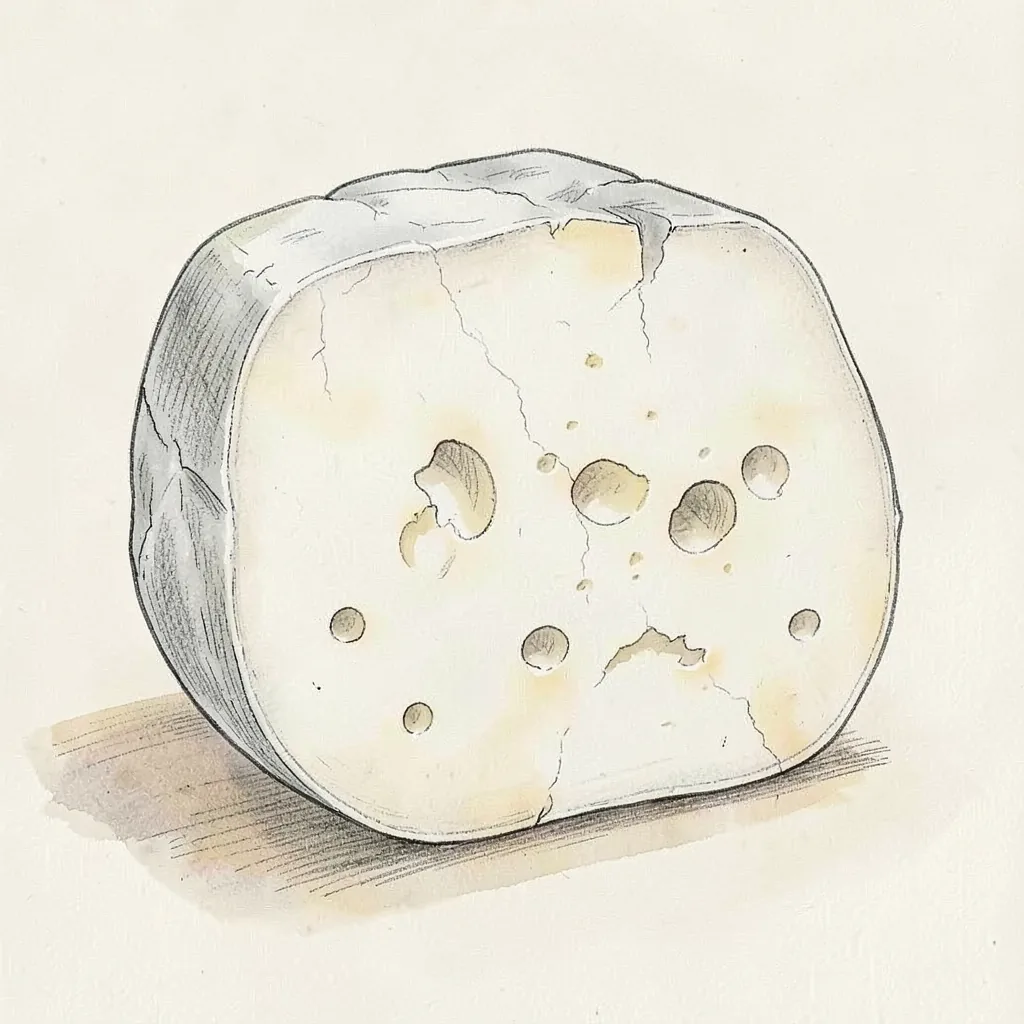
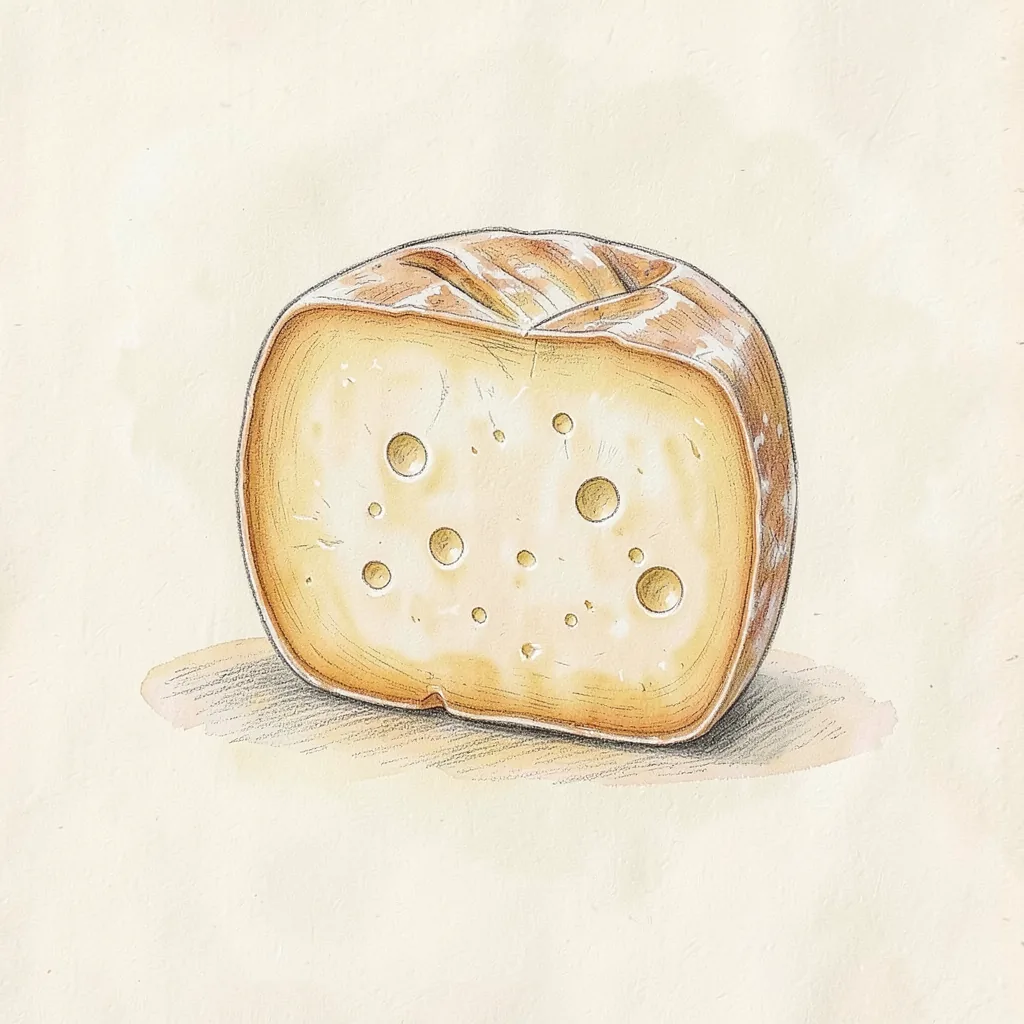
It is a stretched-curd cheese in the provolone family, formed as a thick round that holds its shape over heat. Cow's milk gives a firm, pale paste that tastes lightly salty before cooking. At an asado it is browned as a shared first plate and eaten with bread. The name covers both the cheese and that hot dish.
A cold slice is mild and milky, with a smooth bite and a small tang. Heat is what makes the cheese familiar. The face turns brown and savory, the center softens, and the round still holds together instead of flooding the pan. Oregano and chili flakes are the usual finish, and chimichurri often sits beside the bread. You eat it hot, at the start of the meal, before the meat is served.
History
Provoleta comes from the Italian stretched-curd tradition that became part of Argentine cooking. Provolone was already familiar, and local makers shaped a smaller, firmer round that could sit on a grill. The word sits beside provola and provolone, so the family link is easy to hear. No town has an exclusive claim, and no single brand owns the name. The grilled round became a normal opening at an asado, both in homes and in steak houses.
Dairies now make the cheese with the grill in mind, not as an afterthought. The curd is worked until it stretches, then shaped so a thick piece stays intact over fire. That practical goal is the part of the story that still matters in the kitchen. Restaurants serve it at the start of the meal, often in a small metal pan, and home cooks do the same. The dish and the cheese share one name because they stayed tied together.
How it is made
Cow's milk is cultured and set with rennet, and the curd is heated and worked until it stretches into a smooth mass. That stretched-curd step gives the paste its dense, slightly elastic character. The cheese is salted, formed into thick rounds or short cylinders, and kept only long enough to stay semi-hard. It is not a long-aged grating cheese. A plain round has little or no rind, and salt plus the stretch do more for the flavor than any rind treatment.
The usual shop cheese is pale and plain, with a tight paste that softens without collapsing. A whole round fits a small pan, and a thick slice from a larger piece cooks in the same way. Herbs are not mixed into the vat. Oregano, chili flakes, and sometimes a light dusting of flour go on at the grill, which is cooking rather than cheesemaking. Some cooks also split a round and fill it, but the base cheese is still the same stretched curd.
Taste
Cold provoleta is mild, salty, and a little tangy, with a clean dairy taste and a firm, smooth bite. It is gentler than a long-aged provolone and less bright than a fresh acid cheese. The paste feels tight and slightly elastic, which is what a stretched curd should do. There is no bloomy rind and no blue mold to add a separate flavor. What you notice first is salt, milk, and a modest sharpness.
Grilling moves the flavor from plain to savory. The surface browns and picks up a toasted note, while the center turns softer and richer without becoming a thin sauce. Oregano brings a dry herbal edge, and chili flakes add heat on top of the cheese rather than inside it. A dusting of flour, when a cook uses one, helps the face color and adds a faint toasted taste. The finish is salty, browned, and simple, and a good piece still holds a shape you can share.
In the kitchen
Set a thick round in a small pan or on a clean grill, and cook it until the top is spotted brown and the middle yields. Oregano and chili go on while it heats, and some cooks dust the face with flour so it browns evenly. Serve it at once with bread, and add chimichurri if you want a sharper plate. It is the usual first food at an asado, before the meat. Eat it hot, while the center is still soft enough to scoop.
A stuffed round, filled with peppers, onion, or a little sausage, is a common restaurant variation. The plain cheese also works in a sandwich when you want a salty stretch that melts slowly. On a cold board it is pleasant but ordinary, closer to a young provolone than to a cheese you linger over. If you only have slices, cook them the same way and pull them before they flood the pan. Keep a browned face and a soft center, and share the round while it is hot.
Around the world
Outside Argentina, provoleta appears in steak houses and in shops that carry foods from the region. When the labeled round is missing, a sturdy provolone is the closest stand-in, grilled in a thick slice with the same herbs. A very dry, sharp provolone will oil off faster and taste stronger, so a younger piece behaves better. Halloumi is a different cheese from a different place, but it also browns over heat without collapsing. Use it only as a practical grill substitute, not as the same flavor.
In Argentina the cheese is an ordinary grocery item, not a rare wheel. People buy it for the weekend fire, and restaurants send it out as a shared starter. Travelers often meet it before they have learned the names of the beef cuts. In other countries the word is easy to mix up with provola or provolone, which are Italian relatives rather than the Argentine grill cheese. Those cousins explain the curd, but they do not replace the herb-topped round at the start of an asado.