Mixed milk
What it is
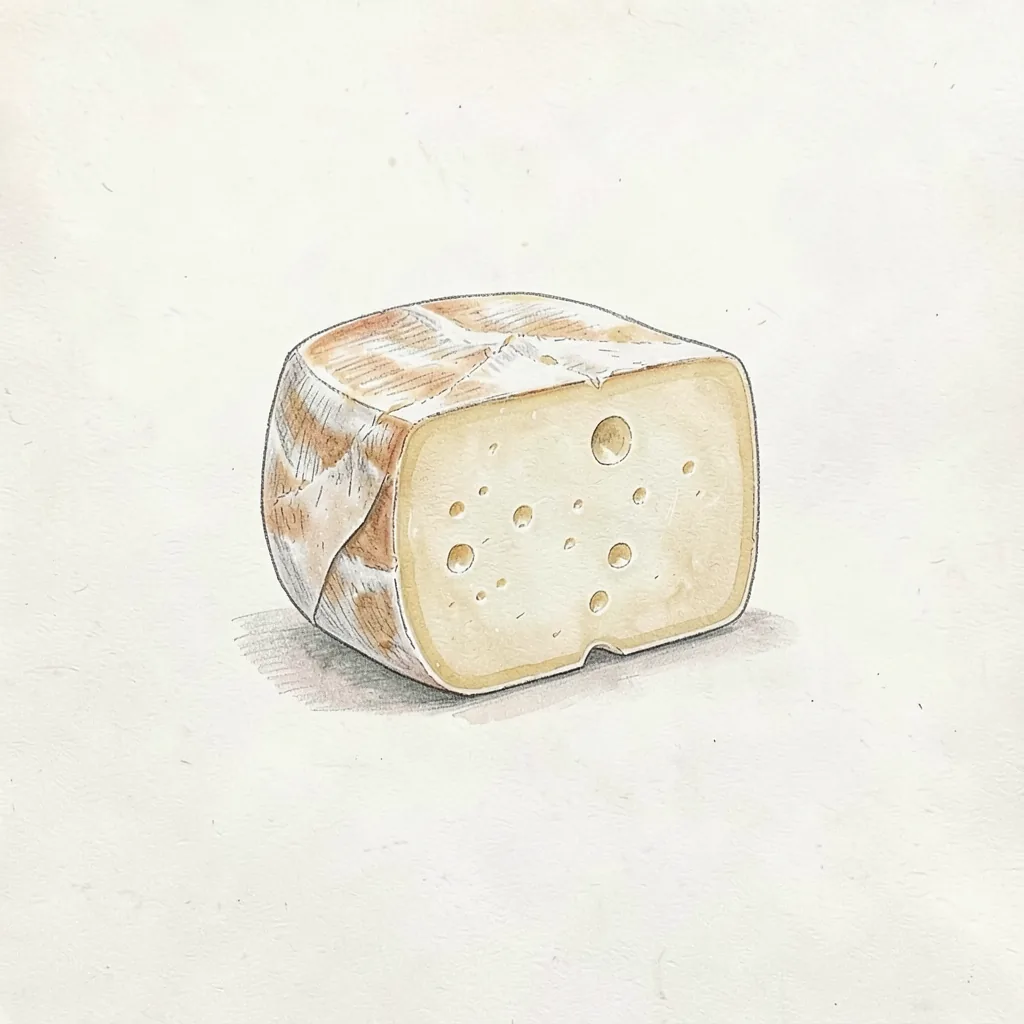
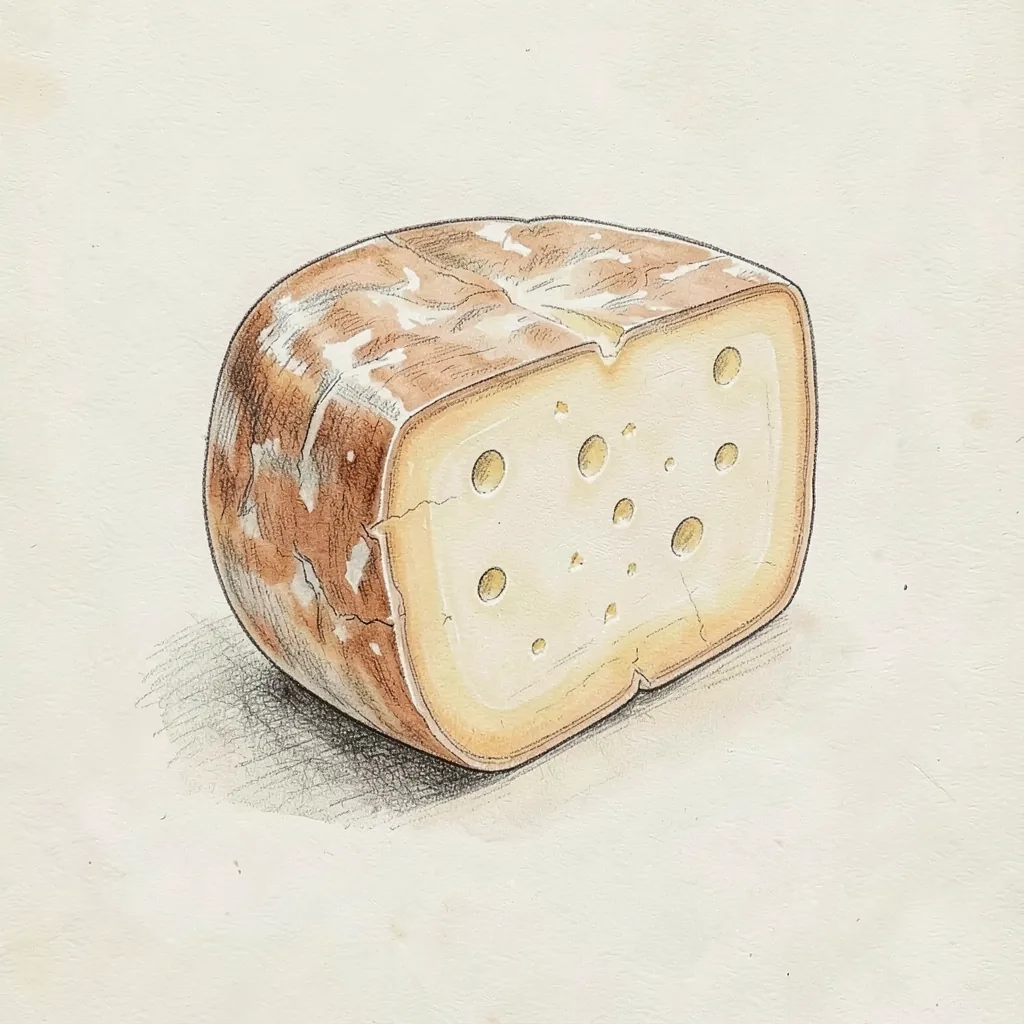
The paste is pale and firm enough to cut, and it is produced in very small amounts rather than as a shop staple. Donkey milk is scarce, so this is not a cheese you will find in an ordinary grocery case. The goat's milk helps the batch set and gives the body more richness than donkey milk alone would have. Treat it as a specialty for tasting, not as a weekly cooking cheese.
The name is known far beyond Serbia, mostly because the cheese is scarce and costly, not because it is a common export. There is no wide display of wedges on a foreign cheese counter. A real piece is something a buyer seeks out, and many curious readers will never taste it. That limit matters when you plan a meal. If a seller cannot say the milk is donkey milk mixed with goat's milk, assume you are looking at a different cheese.
History
Donkey milk has a long place as a drink in parts of the Balkans, but cheese made from it is a much rarer idea. Serbia is where this cheese is made, and the batches stay small because the animals give little milk. Goat's milk goes into the same vat so the curd will form at all. Unlike the white brined cheeses that fill markets in the region, this one never became an everyday food. The reputation traveled in writing about rare foods, while the cheese itself stayed hard to buy.
There is no folk custom of every household turning donkey milk into cheese, because the milk is too limited for that. What exists is a specialty made where the animals are kept for this purpose. The finished cheese can be aged until it slices, which puts it closer to a firm board cheese than to a fresh ladle cheese. Stories about it often stress the price and the scarcity. Those points are fair, and they are not a recipe or a reason to try a homemade copy.
How it is made
Donkey milk is the scarce part of the mix, and the supply decides how much cheese can exist. Makers add goat's milk because donkey milk on its own is a weak curd former and will not set into a proper body. The blend is curdled, drained, salted, and formed into small cheeses. This is a picture of a rare commercial product, not a set of home steps. Donkey milk is not a normal shop ingredient, and the process is not one to copy in a kitchen.
After forming, the cheese is aged until the paste is firm enough to cut for a board. There is no bloomy white coat to grow and no blue mold through the interior. Salt and time do the work once the milk has set. Buyers, when they find it, meet a finished cheese rather than a kit or a starter culture. If a description starts to read like a household recipe, ignore it and leave the making to the people who already produce the cheese.
Taste
The paste is pale, salty, and savory, with a firm crumb rather than a soft spread. It does not show blue veins, and it does not carry the strong smell of a washed rind. Donkey milk is naturally lean, so the goat's milk in the mix is what gives the cheese more body. The aroma stays clean and dairy-like when the cheese is in good condition. Because batches are tiny, one cheese can taste a little different from the next, and that small variation is normal.
Expect a board cheese, not a melting cheese and not a fresh mild spoonful. The salt is noticeable, but the flavor should not be harsh or soapy. A clean piece has a quiet richness and a texture you can nibble in small slices with bread. Chill mutes it, as chill mutes firm cheeses, so a short rest out of the fridge is fair before you taste. If the only note is sour or stale, the piece is past its best, and scarcity is not an excuse for a bad flavor.
In the kitchen
If you ever have a piece, serve it in small slices with bread and nothing that covers the milk. Do not simmer it in a sauce or bury it under strong spices. The point of buying it is the rare mix of donkey milk and goat's milk, and hard heat hides that. It is not sold in ordinary shops, so it is a bad cheese to write into an everyday recipe. Guests should know what they are eating, because a surprise of this kind is not helpful at the table.
For a normal table, choose a firm cheese you can actually buy and say that it is a stand-in. Pule will not grate over pasta in any practical way, and it will not feed a crowd from one small piece. A few slices on a board are the whole sensible use. Keep any leftover covered and cold, and eat it soon, because a rare cheese still dries out and picks up fridge smells. There is no traditional baked dish you need to master, because tasting is the kitchen task.
Around the world
Pule does not move through the usual export trade that carries common European cheeses. Most cheese counters outside Serbia never stock it, and offers online are rare enough to treat with caution. Lists of costly foods mention the name, which tells you about scarcity, not about a flavor you can check on the next corner. No ordinary cheese is made from donkey milk, so there is no close twin on a foreign shelf. A firm shop cheese can fill the plate, but it cannot copy the milk.
Readers sometimes group it with other rare milks, but those cheeses come from different animals, different countries, and different textures. Nothing elsewhere is the same product under a translated name. If a label says donkey cheese and then lists only common shop milks, it is not this cheese. Serbia remains the place the name belongs. Until a piece is in front of you, describe it plainly, and do not pretend it is easy to buy for a party or a regular board.